Dekhtiarenko Iryna, Ratts Robert B, Blatnik Renata, Lee Lian N, Fischer Sonja, Borkner Lisa, Oduro Jennifer D, Marandu Thomas F, Hoppe Stephanie, Ruzsics Zsolt, Sonnemann Julia K, Mansouri Mandana, Meyer Christine, Lemmermann Niels A W, Holtappels Rafaela, Arens Ramon, Klenerman Paul, Früh Klaus, Reddehase Matthias J, Riemer Angelika B, Cicin-Sain Luka
Department of Vaccinology, Helmholtz Centre for Infection Research, Braunschweig, Germany.
TomegaVax Inc., Portland, Oregon, United States of America.
PLoS Pathog. 2016 Dec 15;12(12):e1006072. doi: 10.1371/journal.ppat.1006072. eCollection 2016 Dec.
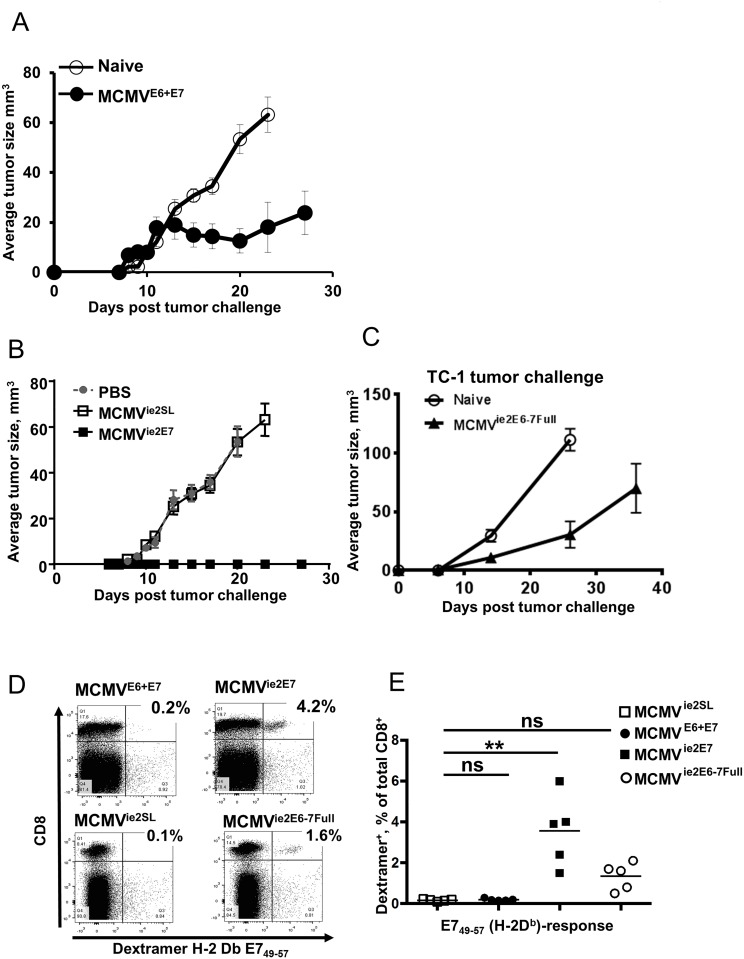
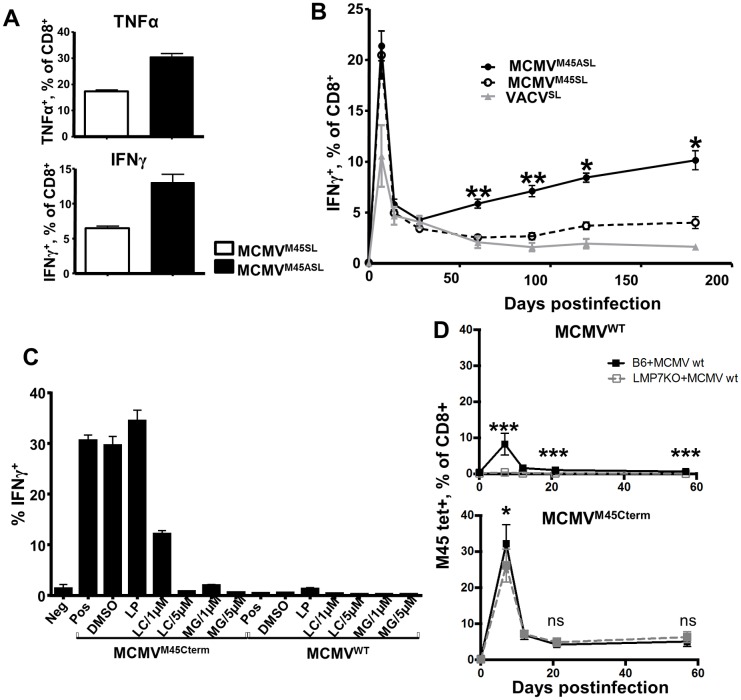
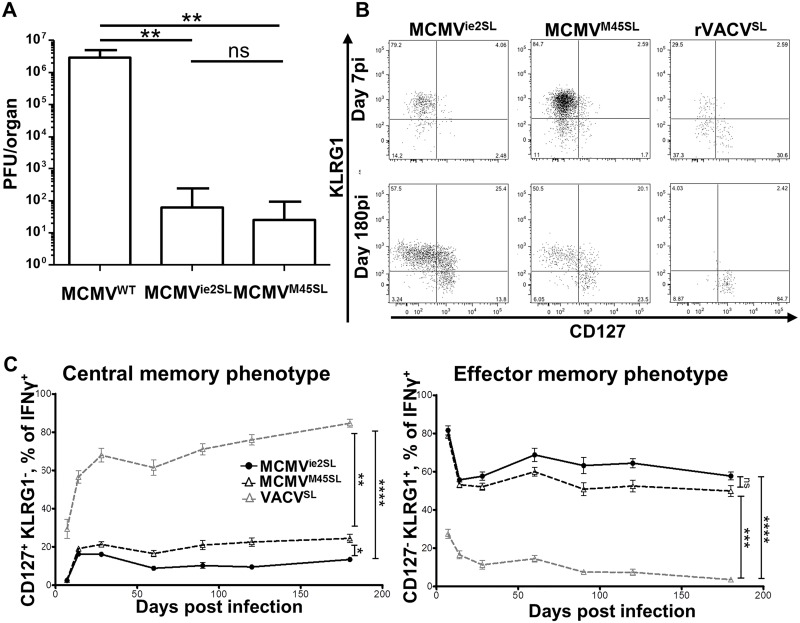
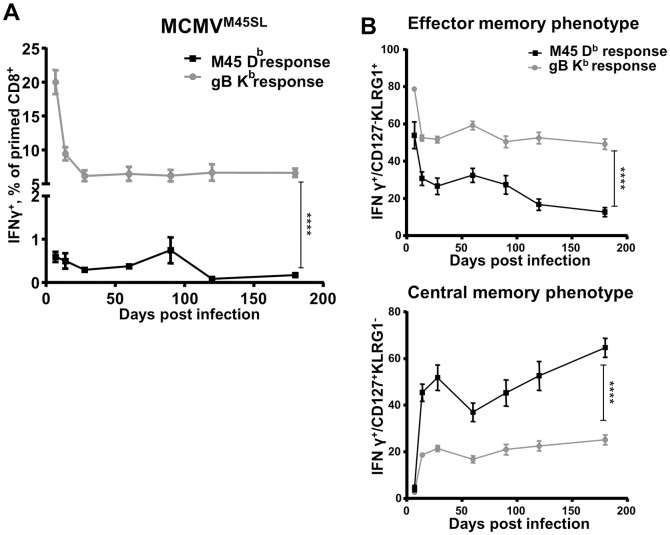
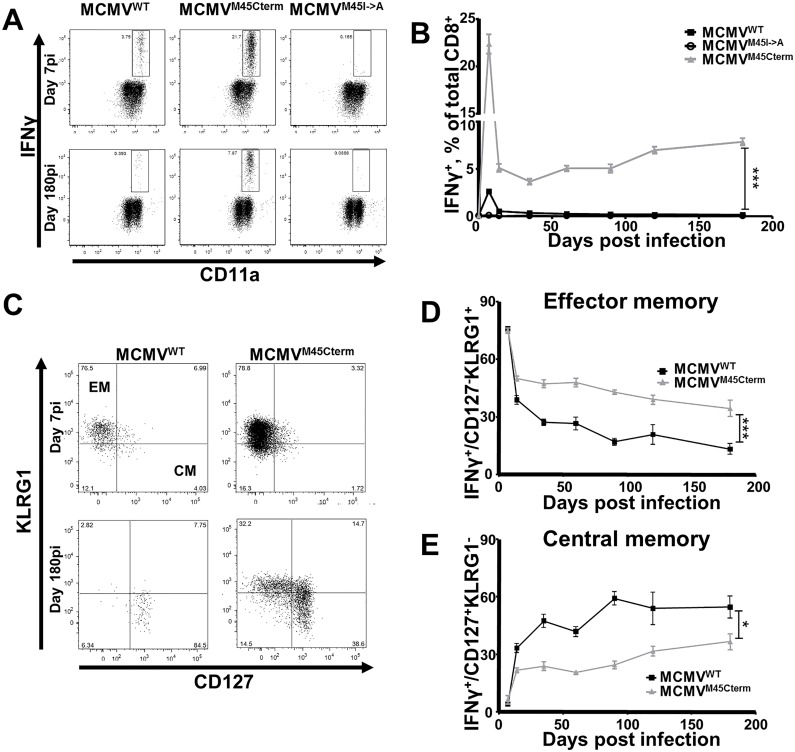
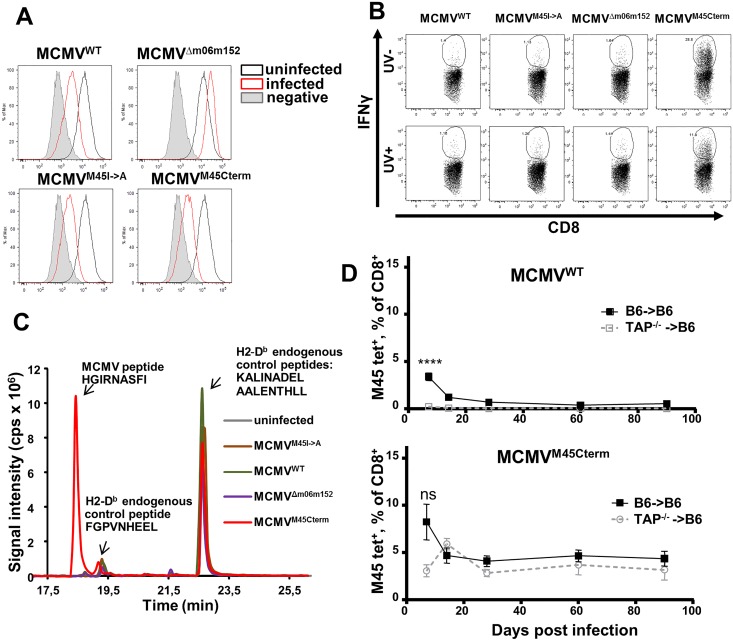
Cytomegalovirus (CMV) elicits long-term T-cell immunity of unparalleled strength, which has allowed the development of highly protective CMV-based vaccine vectors. Counterintuitively, experimental vaccines encoding a single MHC-I restricted epitope offered better immune protection than those expressing entire proteins, including the same epitope. To clarify this conundrum, we generated recombinant murine CMVs (MCMVs) encoding well-characterized MHC-I epitopes at different positions within viral genes and observed strong immune responses and protection against viruses and tumor growth when the epitopes were expressed at the protein C-terminus. We used the M45-encoded conventional epitope HGIRNASFI to dissect this phenomenon at the molecular level. A recombinant MCMV expressing HGIRNASFI on the C-terminus of M45, in contrast to wild-type MCMV, enabled peptide processing by the constitutive proteasome, direct antigen presentation, and an inflation of antigen-specific effector memory cells. Consequently, our results indicate that constitutive proteasome processing of antigenic epitopes in latently infected cells is required for robust inflationary responses. This insight allows utilizing the epitope positioning in the design of CMV-based vectors as a novel strategy for enhancing their efficacy.
巨细胞病毒(CMV)能引发无与伦比的强大长期T细胞免疫,这使得基于CMV的高度保护性疫苗载体得以开发。与直觉相反,编码单个MHC-I限制性表位的实验性疫苗比那些表达完整蛋白质(包括相同表位)的疫苗提供了更好的免疫保护。为了阐明这一难题,我们构建了在病毒基因内不同位置编码特征明确的MHC-I表位的重组鼠巨细胞病毒(MCMV),并观察到当表位在蛋白质C末端表达时,会产生强烈的免疫反应以及对病毒和肿瘤生长的保护作用。我们使用M45编码的传统表位HGIRNASFI在分子水平上剖析这一现象。与野生型MCMV相比,在M45的C末端表达HGIRNASFI的重组MCMV能够通过组成型蛋白酶体进行肽加工、直接呈递抗原,并大量扩增抗原特异性效应记忆细胞。因此,我们的结果表明,潜伏感染细胞中抗原表位的组成型蛋白酶体加工对于强大的扩增反应是必需的。这一见解使得在基于CMV的载体设计中利用表位定位作为提高其效力的新策略成为可能。