Gomez-Cabrera Maria Carmen, Viña Jose, Ji Li Li
Department of Physiology, Fundacion Investigacion Hospital Clinico Universitario/INCLIVA, University of Valencia, València 46010, Spain.
Laboratory of Physiological Hygiene and Exercise Science, School of Kinesiology, University of Minnesota, 1900 University Avenue, Minneapolis, MN 55455, USA.
Antioxidants (Basel). 2016 Dec 13;5(4):48. doi: 10.3390/antiox5040048.
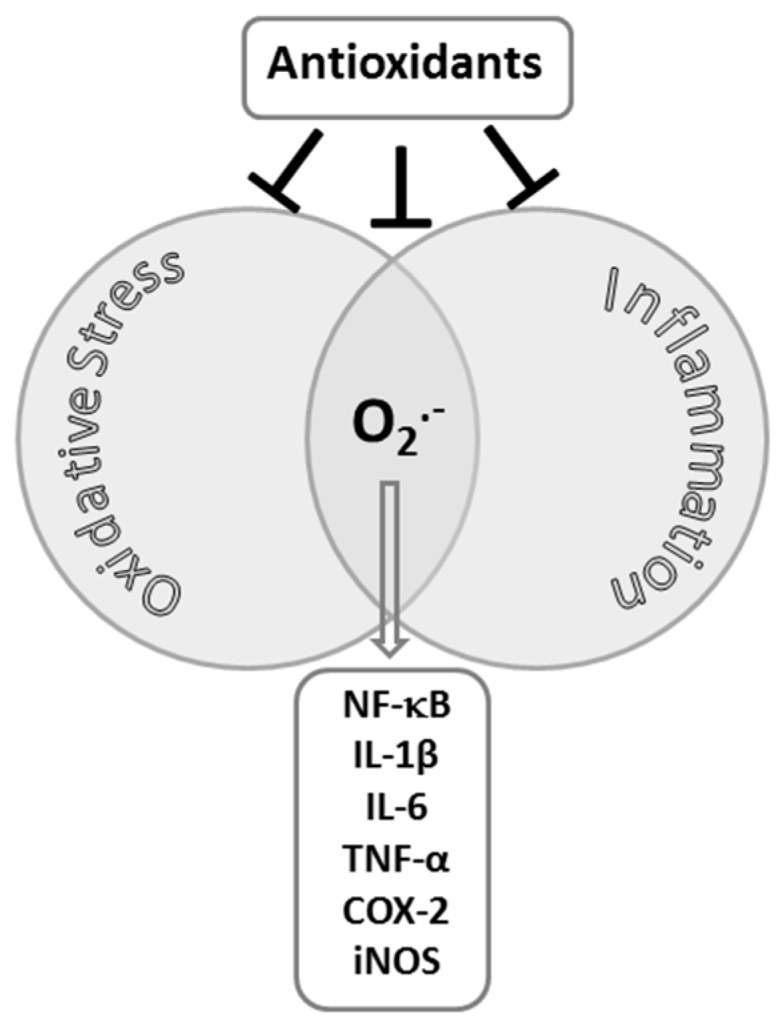
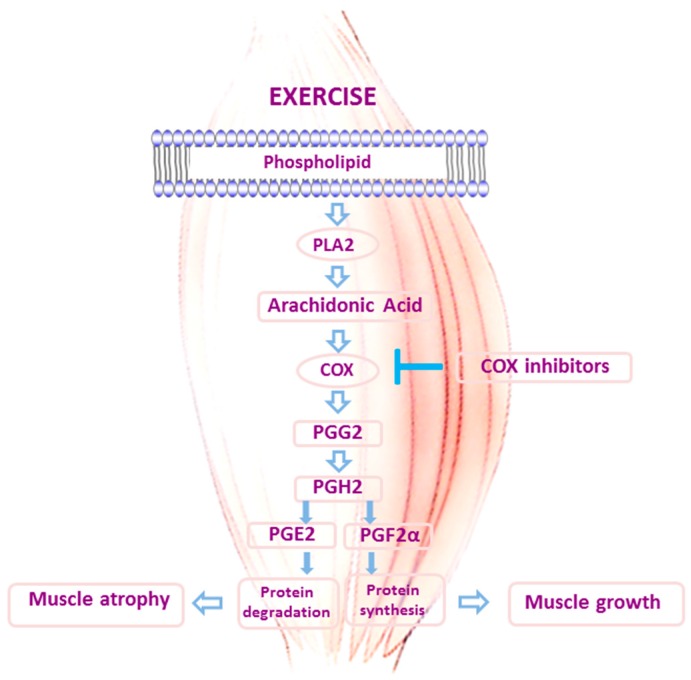
The inflammatory response to exercise-induced muscle damage has been extensively described. Exercise has important modulatory effects on immune function. These effects are mediated by diverse factors including pro-inflammatory cytokines, classical stress hormones, and hemodynamic effects leading to cell redistribution. As has been reported regarding oxidative stress, inflammation can have both detrimental and beneficial effects in skeletal muscle. In this review we will address the role of inflammation on protein metabolism in skeletal muscle. Specifically, we will review studies showing that treatment with cyclooxygenase-inhibiting drugs modulate the protein synthesis response to one bout of resistance exercise and to training. Understanding how these drugs work is important for the millions of individuals worldwide that consume them regularly. We will also discuss the importance of reactive oxygen species and inflammatory cytokines in muscle adaptations to exercise and the Janus faced of the use of antioxidant and anti-inflammatory drugs by athletes for optimizing their performance, especially during the periods in which muscle hypertrophy is expected.
运动诱导的肌肉损伤所引发的炎症反应已得到广泛描述。运动对免疫功能具有重要的调节作用。这些作用由多种因素介导,包括促炎细胞因子、经典应激激素以及导致细胞重新分布的血流动力学效应。正如关于氧化应激的报道一样,炎症在骨骼肌中可能产生有害和有益的影响。在本综述中,我们将探讨炎症在骨骼肌蛋白质代谢中的作用。具体而言,我们将回顾一些研究,这些研究表明使用抑制环氧化酶的药物进行治疗可调节单次抗阻运动和训练后的蛋白质合成反应。了解这些药物的作用机制对于全球数百万经常服用它们的人来说非常重要。我们还将讨论活性氧和炎性细胞因子在肌肉适应运动中的重要性,以及运动员使用抗氧化剂和抗炎药物以优化其表现的双面性,尤其是在预期肌肉肥大的时期。