Department for Internal Medicine, Section of Infectious Diseases and Tropical Medicine, Medical University of Graz, Auenbruggerplatz 15, 8036, Graz, Austria.
Department for Microbiology, University of Regensburg, Universitätsstr. 31, 93053, Regensburg, Germany.
Microbiome. 2016 Dec 20;4(1):65. doi: 10.1186/s40168-016-0217-7.
The International Space Station (ISS) represents a unique biotope for the human crew but also for introduced microorganisms. Microbes experience selective pressures such as microgravity, desiccation, poor nutrient-availability due to cleaning, and an increased radiation level. We hypothesized that the microbial community inside the ISS is modified by adapting to these stresses. For this reason, we analyzed 8-12 years old dust samples from Russian ISS modules with major focus on the long-time surviving portion of the microbial community. We consequently assessed the cultivable microbiota of these samples in order to analyze their extremotolerant potential against desiccation, heat-shock, and clinically relevant antibiotics. In addition, we studied the bacterial and archaeal communities from the stored Russian dust samples via molecular methods (next-generation sequencing, NGS) and compared our new data with previously derived information from the US American ISS dust microbiome.
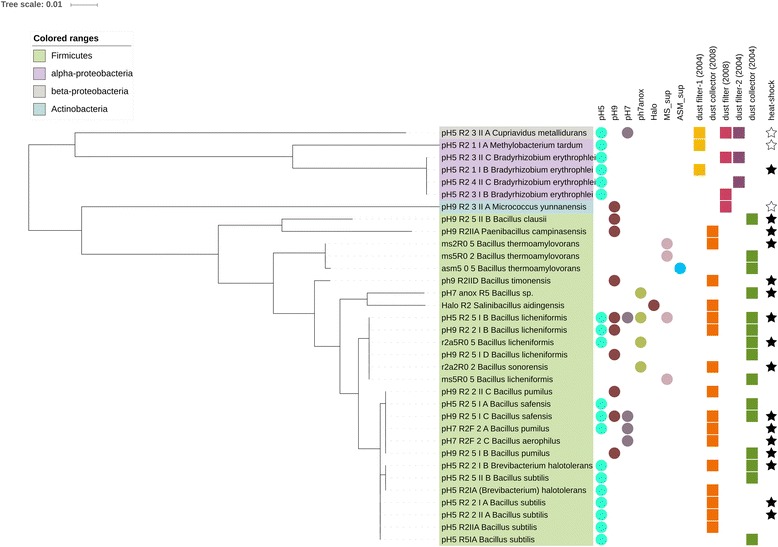
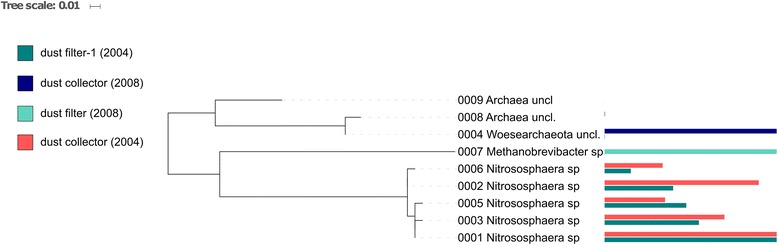
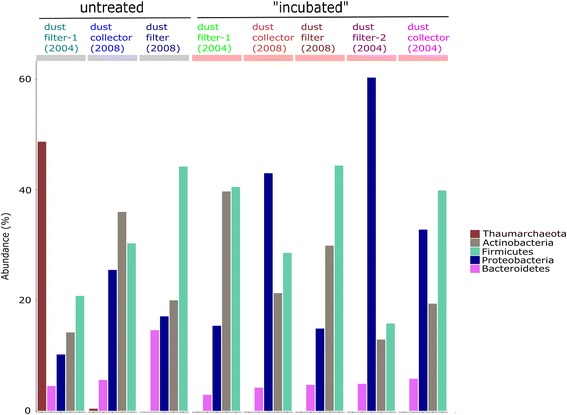
We cultivated and identified in total 85 bacterial, non-pathogenic isolates (17 different species) and 1 fungal isolate from the 8-12 year old dust samples collected in the Russian segment of the ISS. Most of these isolates exhibited robust resistance against heat-shock and clinically relevant antibiotics. Microbial 16S rRNA gene and archaeal 16S rRNA gene targeting Next Generation Sequencing showed signatures of human-associated microorganisms (Corynebacterium, Staphylococcus, Coprococcus etc.), but also specifically adapted extremotolerant microorganisms. Besides bacteria, the detection of archaeal signatures in higher abundance was striking.
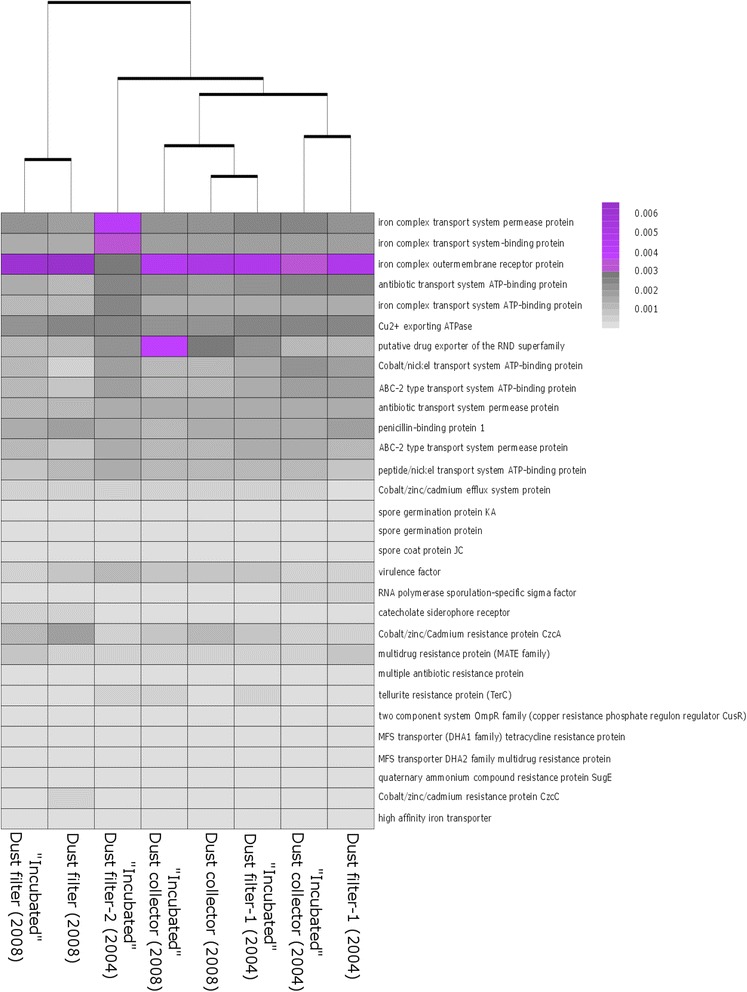
Our findings reveal (i) the occurrence of living, hardy microorganisms in archived Russian ISS dust samples, (ii) a profound resistance capacity of ISS microorganisms against environmental stresses, and (iii) the presence of archaeal signatures on board. In addition, we found indications that the microbial community in the Russian segment dust samples was different to recently reported US American ISS microbiota.
国际空间站(ISS)不仅为人类机组人员,也为引入的微生物提供了一个独特的生境。微生物经历着微重力、干燥、清洁导致的营养物质可用性差和辐射水平增加等选择性压力。我们假设 ISS 内的微生物群落通过适应这些压力而发生改变。为此,我们分析了来自俄罗斯 ISS 模块的 8-12 岁的灰尘样本,主要关注微生物群落中长时间存活的部分。随后,我们评估了这些样本中的可培养微生物群落,以分析它们对干燥、热冲击和临床相关抗生素的极端耐受潜力。此外,我们还通过分子方法(下一代测序,NGS)研究了储存的俄罗斯灰尘样本中的细菌和古菌群落,并将我们的新数据与之前从美国 ISS 灰尘微生物组中得出的信息进行了比较。
我们从 ISS 俄罗斯段收集的 8-12 年灰尘样本中总共培养和鉴定了 85 株细菌、非致病性分离株(17 个不同物种)和 1 株真菌。这些分离株大多数对热冲击和临床相关抗生素具有很强的抗性。微生物 16S rRNA 基因和古菌 16S rRNA 基因靶向的下一代测序显示了与人相关的微生物(棒状杆菌、葡萄球菌、柯林斯球菌等)的特征,但也有专门适应极端耐受的微生物。除了细菌,高丰度检测到的古菌特征引人注目。
我们的研究结果揭示了以下几点:(i)在存档的俄罗斯 ISS 灰尘样本中存在有活力的、顽强的微生物;(ii)ISS 微生物对环境压力具有很强的抵抗力;(iii)在船上发现了古菌特征。此外,我们发现了 ISS 俄罗斯段灰尘样本中的微生物群落与最近报道的美国 ISS 微生物组不同的迹象。