Bloomfield Mathew, Duesberg Peter
Department of Molecular and Cell Biology; Donner Laboratory, University of California at Berkeley, Berkeley, CA 94720 USA ; Present address: Department of Natural Sciences and Mathematics, Dominican University of California, San Rafael, CA USA.
Department of Molecular and Cell Biology; Donner Laboratory, University of California at Berkeley, Berkeley, CA 94720 USA.
Mol Cytogenet. 2016 Dec 16;9:90. doi: 10.1186/s13039-016-0297-x. eCollection 2016.
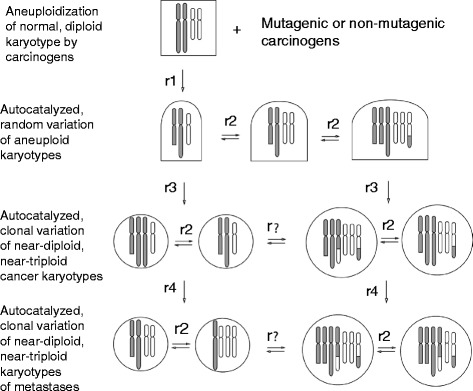
The genetic basis of metastasis is still unclear because metastases carry individual karyotypes and phenotypes, rather than consistent mutations, and are rare compared to conventional mutation. There is however correlative evidence that metastasis depends on cancer-specific aneuploidy, and that metastases are karyotypically related to parental cancers. Accordingly we propose that metastasis is a speciation event. This theory holds that cancer-specific aneuploidy varies the clonal karyotypes of cancers automatically by unbalancing thousands of genes, and that rare variants form new autonomous subspecies with metastatic or other non-parental phenotypes like drug-resistance - similar to conventional subspeciation.
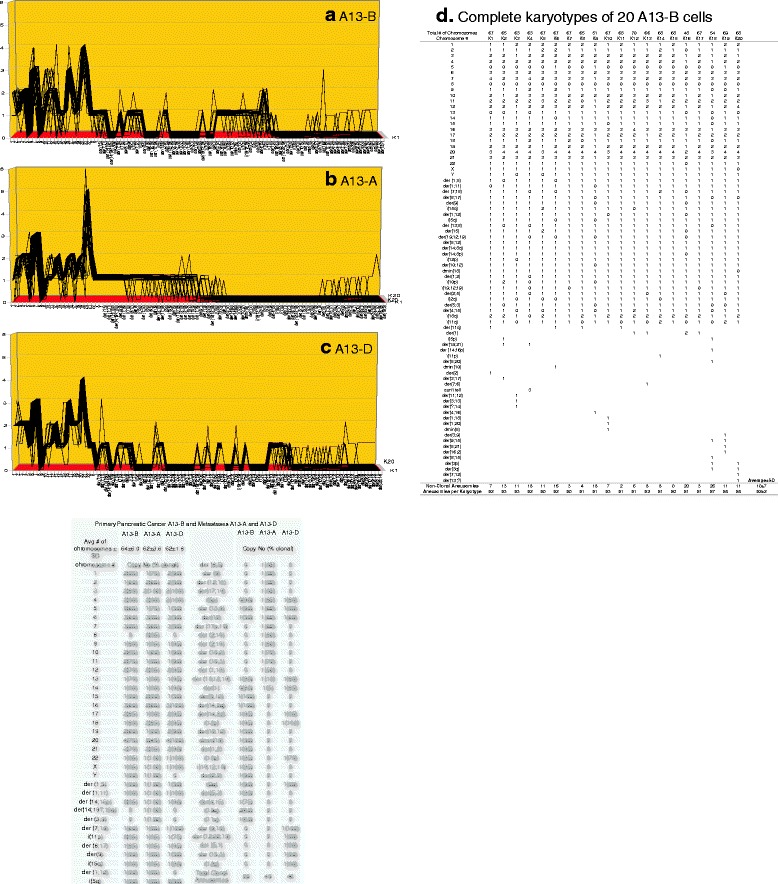
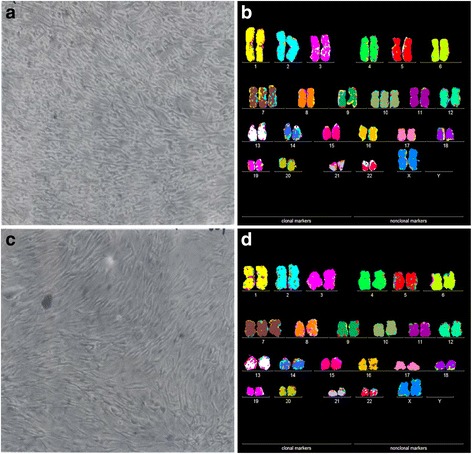
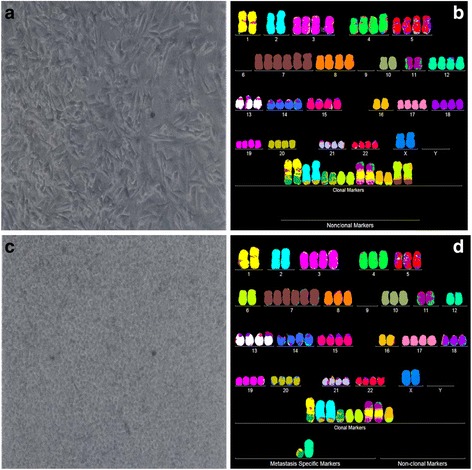
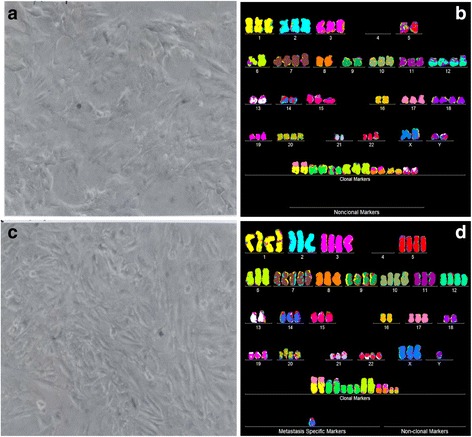
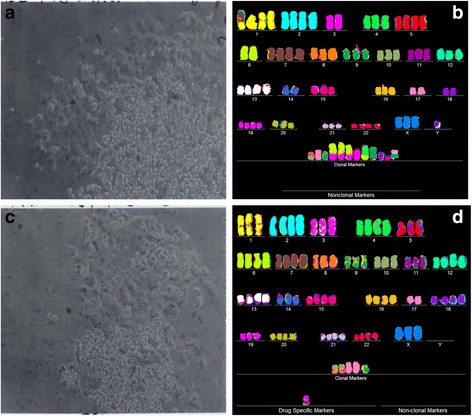
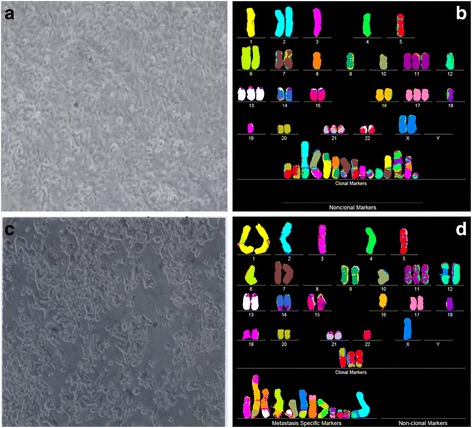
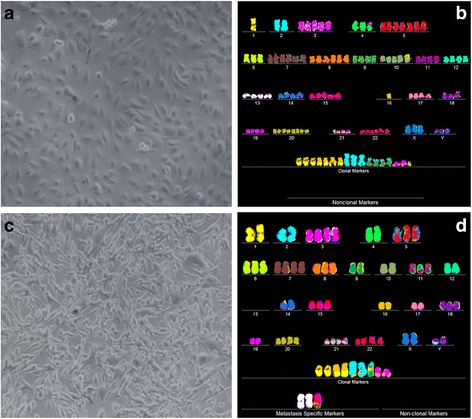
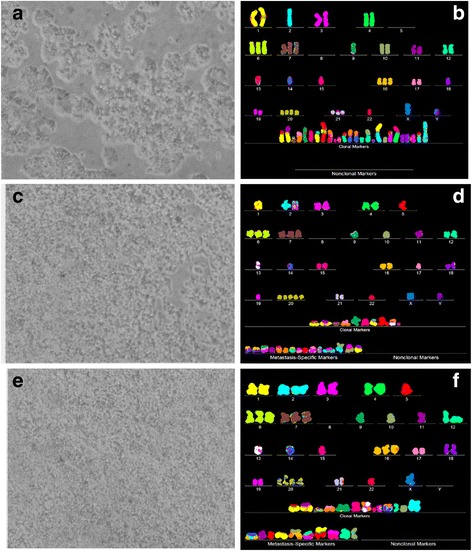
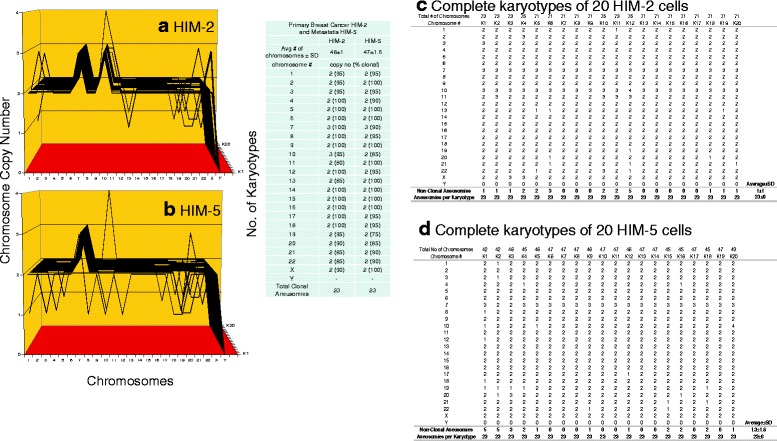
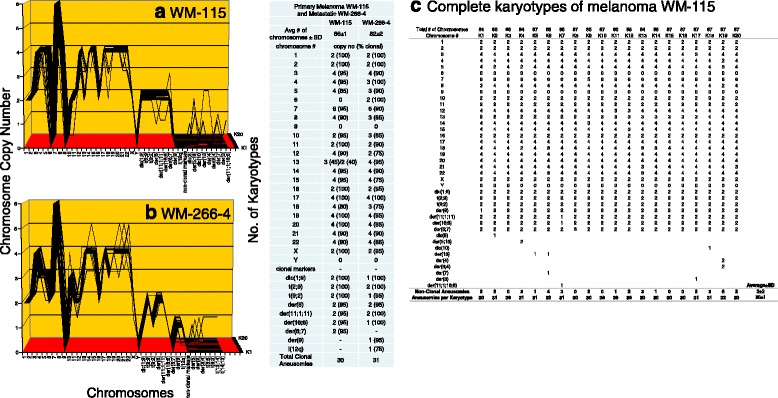
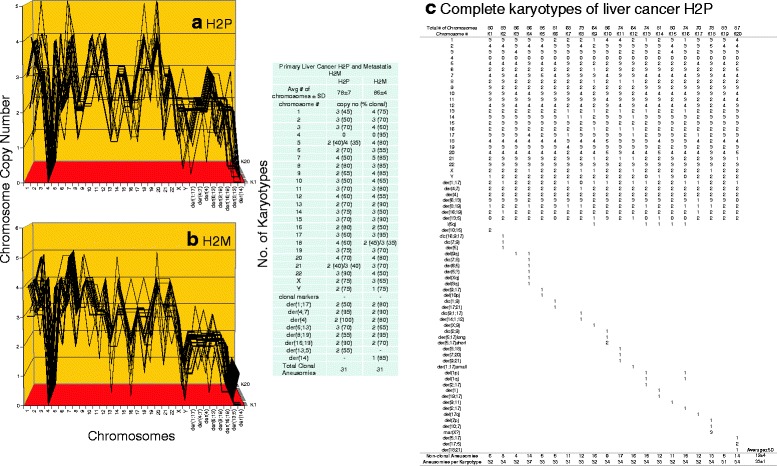
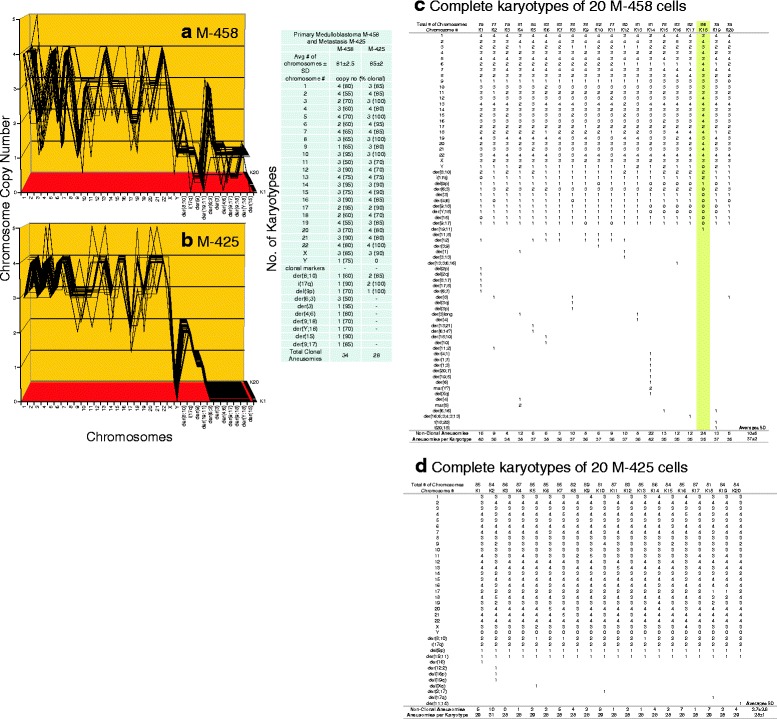
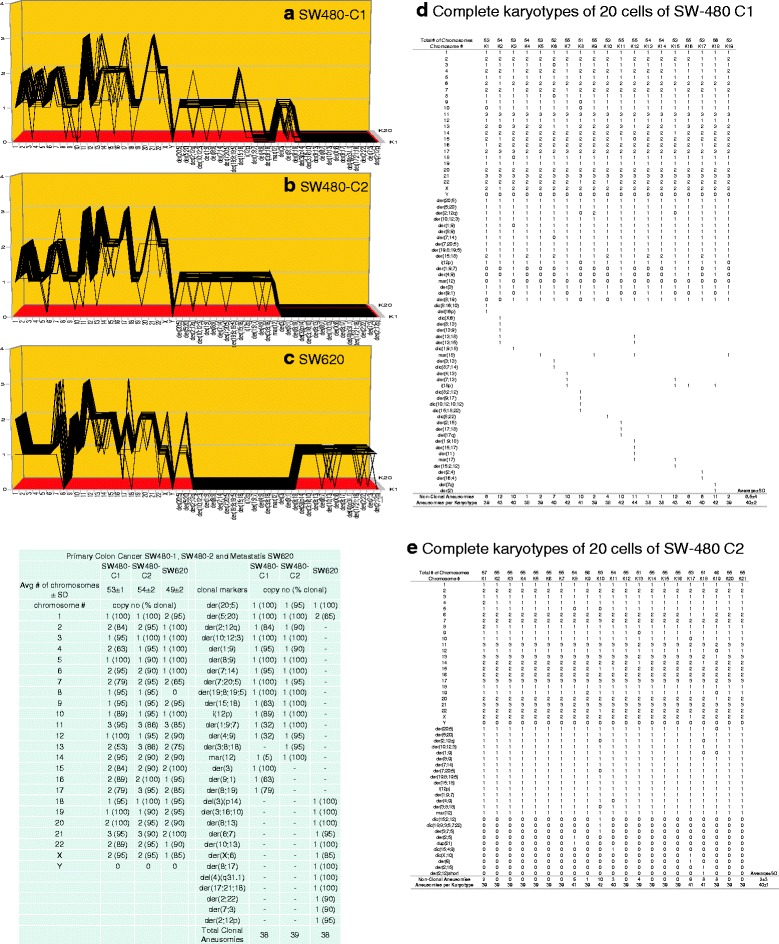
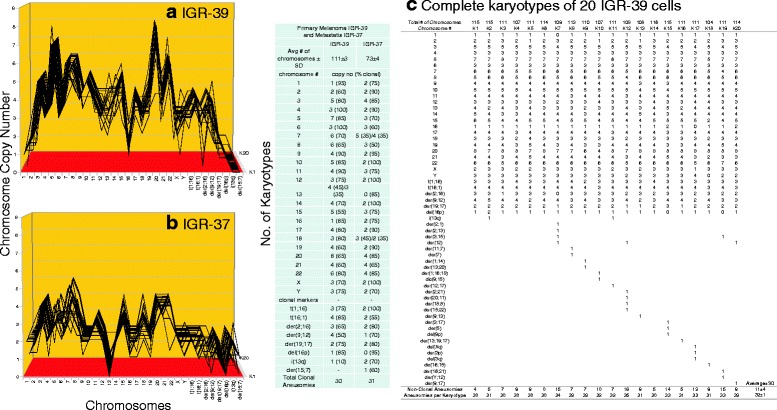
To test this theory, we analyzed the karyotypic and morphological relationships between seven cancers and corresponding metastases. We found (1) that the cellular phenotypes of metastases were closely related to those of parental cancers, (2) that metastases shared 29 to 96% of their clonal karyotypic elements or aneusomies with the clonal karyotypes of parental cancers and (3) that, unexpectedly, the karyotypic complexity of metastases was very similar to that of the parental cancer. This suggests that metastases derive cancer-specific autonomy by conserving the overall complexity of the parental karyotype. We deduced from these results that cancers cause metastases by karyotypic variations and selection for rare metastatic subspecies. Further we asked whether metastases with multiple metastasis-specific aneusomies are assembled in one or multiple, sequential steps. Since (1) no stable karyotypic intermediates of metastases were observed in cancers here and previously by others, and (2) the karyotypic complexities of cancers are conserved in metastases, we concluded that metastases are generated from cancers in one step - like subspecies in conventional speciation.
We conclude that the risk of cancers to metastasize is proportional to the degree of cancer-specific aneuploidy, because aneuploidy catalyzes the generation of subspecies, including metastases, at aneuploidy-dependent rates. Since speciation by random chromosomal rearrangements and selection is unpredictable, the theory that metastases are karyotypic subspecies of cancers also explains Foulds' rules, which hold that the origins of metastases are "abrupt" and that their phenotypes are "unpredictable."
转移的遗传基础仍不清楚,因为转移灶具有个体核型和表型,而非一致的突变,并且与传统突变相比很罕见。然而,有相关证据表明转移依赖于癌症特异性非整倍体,并且转移灶在核型上与亲代癌症相关。因此,我们提出转移是一种物种形成事件。该理论认为,癌症特异性非整倍体通过使数千个基因失衡自动改变癌症的克隆核型,并且罕见变体形成具有转移或其他非亲代表型(如耐药性)的新的自主亚种——类似于传统的亚种形成。
为了验证这一理论,我们分析了七种癌症与其相应转移灶之间的核型和形态学关系。我们发现:(1)转移灶的细胞表型与亲代癌症的细胞表型密切相关;(2)转移灶与亲代癌症的克隆核型共享29%至96%的克隆核型元件或非整倍体;(3)出乎意料的是,转移灶的核型复杂性与亲代癌症的核型复杂性非常相似。这表明转移灶通过保留亲代核型的整体复杂性获得癌症特异性自主性。我们从这些结果推断,癌症通过核型变异和对罕见转移亚种的选择导致转移。此外,我们询问具有多个转移特异性非整倍体的转移灶是在一个还是多个连续步骤中形成的。由于:(1)在这里的癌症以及其他人之前的研究中均未观察到转移灶稳定的核型中间体;(2)癌症的核型复杂性在转移灶中得以保留,我们得出结论,转移灶是从癌症中一步产生的——类似于传统物种形成中的亚种。
我们得出结论,癌症转移的风险与癌症特异性非整倍体的程度成正比,因为非整倍体以依赖于非整倍体的速率催化包括转移灶在内的亚种的产生。由于随机染色体重排和选择导致的物种形成是不可预测的,转移灶是癌症核型亚种的理论也解释了福尔兹规则,该规则认为转移灶的起源是“突然的”,其表型是“不可预测的”。