Li Nan, Hennelly Scott P, Stubben Chris J, Micheva-Viteva Sofiya, Hu Bin, Shou Yulin, Vuyisich Momchilo, Tung Chang-Shung, Chain Patrick S, Sanbonmatsu Karissa Y, Hong-Geller Elizabeth
Bioscience Division, Los Alamos National Laboratory, Los Alamos, New Mexico, United States of America.
Theoretical Division, Los Alamos National Laboratory, Los Alamos, New Mexico, United States of America.
PLoS One. 2016 Dec 28;11(12):e0168915. doi: 10.1371/journal.pone.0168915. eCollection 2016.
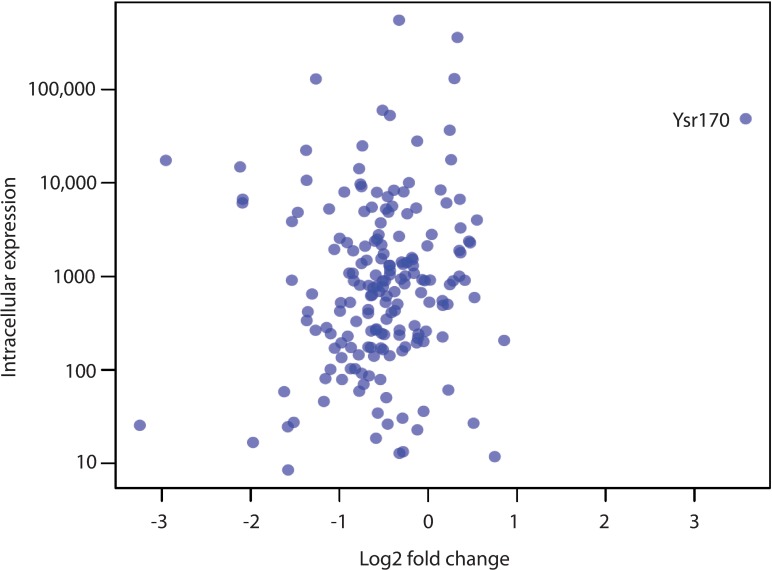
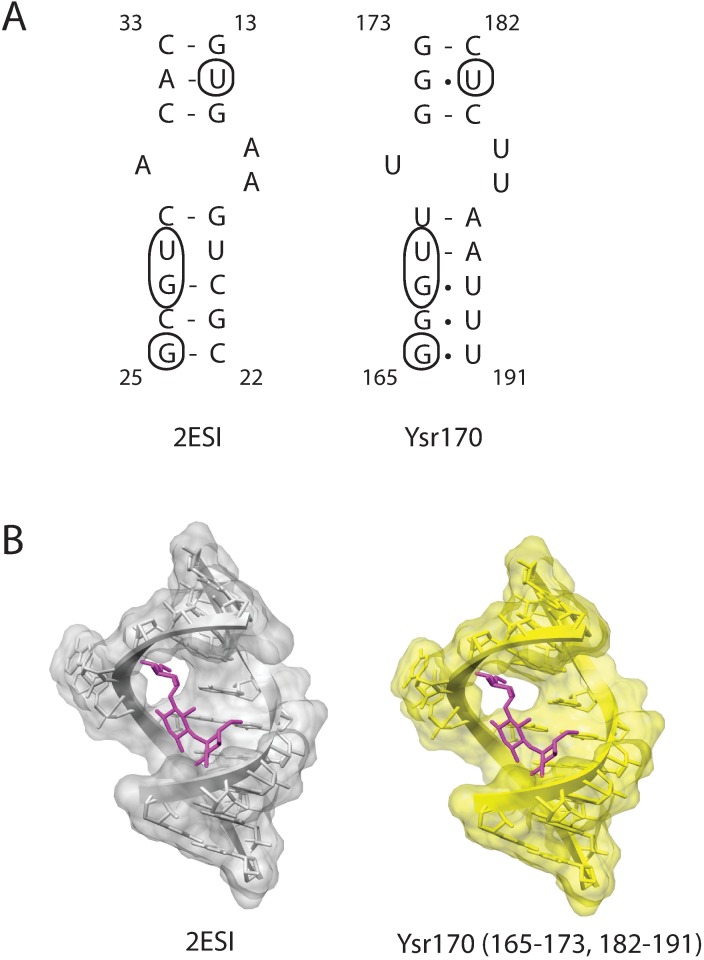
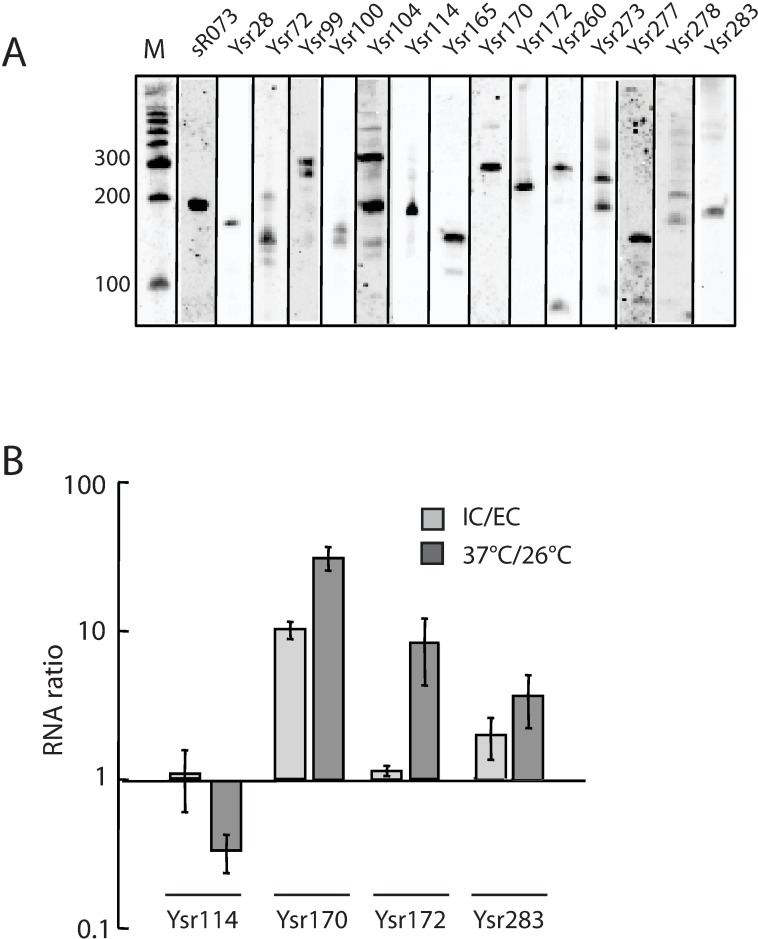
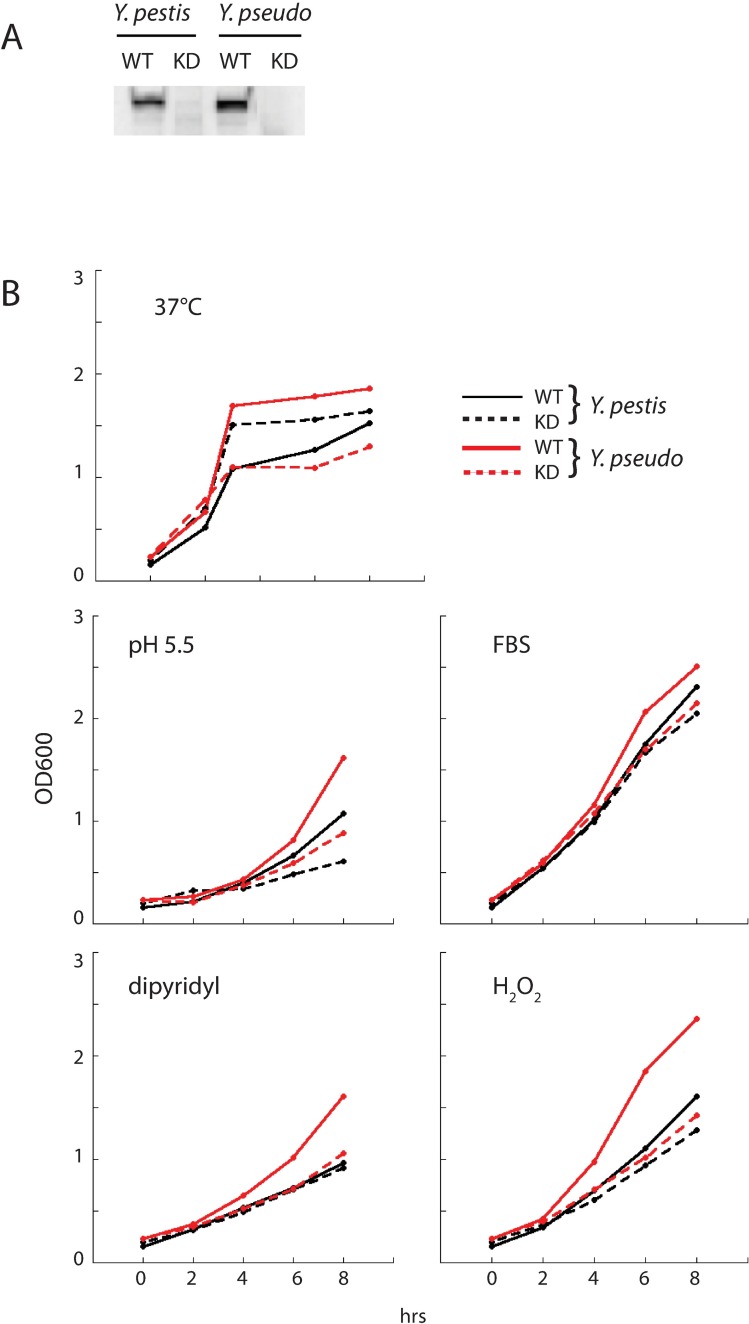
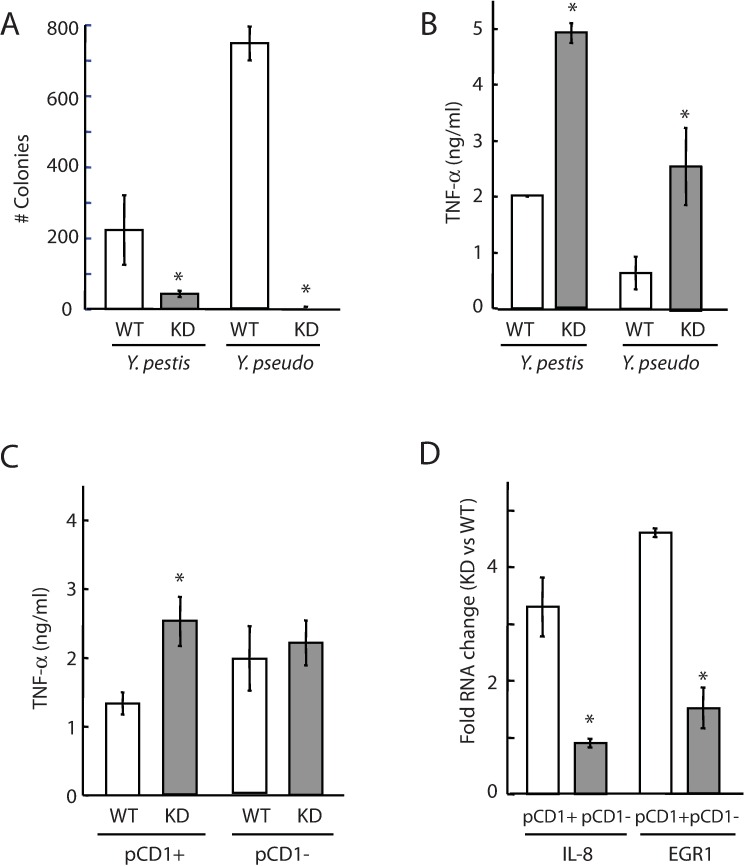
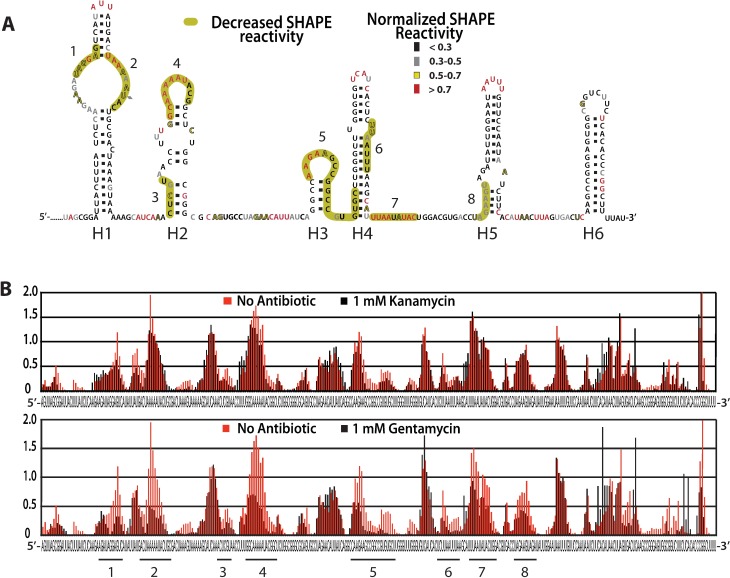
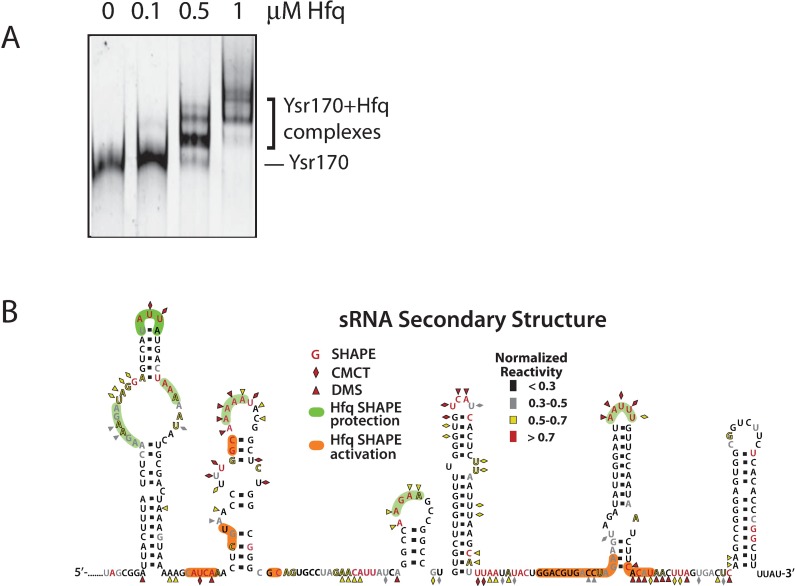
Non-coding small RNAs (sRNAs) are found in practically all bacterial genomes and play important roles in regulating gene expression to impact bacterial metabolism, growth, and virulence. We performed transcriptomics analysis to identify sRNAs that are differentially expressed in Yersinia pestis that invaded the human macrophage cell line THP-1, compared to pathogens that remained extracellular in the presence of host. Using ultra high-throughput sequencing, we identified 37 novel and 143 previously known sRNAs in Y. pestis. In particular, the sRNA Ysr170 was highly expressed in intracellular Yersinia and exhibited a log2 fold change ~3.6 higher levels compared to extracellular bacteria. We found that knock-down of Ysr170 expression attenuated infection efficiency in cell culture and growth rate in response to different stressors. In addition, we applied selective 2'-hydroxyl acylation analyzed by primer extension (SHAPE) analysis to determine the secondary structure of Ysr170 and observed structural changes resulting from interactions with the aminoglycoside antibiotic gentamycin and the RNA chaperone Hfq. Interestingly, gentamicin stabilized helix 4 of Ysr170, which structurally resembles the native gentamicin 16S ribosomal binding site. Finally, we modeled the tertiary structure of Ysr170 binding to gentamycin using RNA motif modeling. Integration of these experimental and structural methods can provide further insight into the design of small molecules that can inhibit function of sRNAs required for pathogen virulence.
非编码小RNA(sRNA)几乎存在于所有细菌基因组中,在调节基因表达以影响细菌代谢、生长和毒力方面发挥着重要作用。我们进行了转录组学分析,以鉴定与在宿主存在下仍处于细胞外的病原体相比,侵入人巨噬细胞系THP-1的鼠疫耶尔森氏菌中差异表达的sRNA。通过超高通量测序,我们在鼠疫耶尔森氏菌中鉴定出37种新型sRNA和143种先前已知的sRNA。特别是,sRNA Ysr170在细胞内鼠疫耶尔森氏菌中高度表达,与细胞外细菌相比,其log2倍变化水平高约3.6倍。我们发现敲低Ysr170的表达会降低细胞培养中的感染效率以及对不同应激源的生长速率。此外,我们应用引物延伸分析的选择性2'-羟基酰化(SHAPE)分析来确定Ysr170的二级结构,并观察到与氨基糖苷类抗生素庆大霉素和RNA伴侣Hfq相互作用导致的结构变化。有趣的是,庆大霉素稳定了Ysr170的螺旋4,其结构类似于天然庆大霉素16S核糖体结合位点。最后,我们使用RNA基序建模对Ysr170与庆大霉素结合的三级结构进行建模。这些实验和结构方法的整合可以为设计能够抑制病原体毒力所需sRNA功能的小分子提供进一步的见解。