Tambo Ernest, Ugwu Chidiebere E, Guan Yayi, Wei Ding, Xiao-Nong Zhou
Africa Disease Intelligence and Surveillance, Communication and Response Foundation (Africa DISCoR), Yaoundé, Cameroon; Department of Biochemistry, Higher Institute of Health Sciences, Université des Montagnes, Bangangté, West, Cameroon.
Department of Human Biochemistry, Nnamdi Azikiwe University, Nnewi Campus, Nigeria.
Int J MCH AIDS. 2016;5(2):119-133. doi: 10.21106/ijma.100.
This review paper examines the growing implications of China's engagement in shaping innovative national initiatives against infectious diseases and poverty control and elimination in African countries. It seeks to understand the factors and enhancers that can promote mutual and innovative health development initiatives, and those that are necessary in generating reliable and quality data for evidence-based contextual policy, priorities and programs.
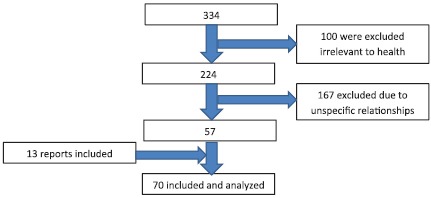
We examined the China-Africa health cooperation in supporting global health agenda on infectious diseases such as malaria, schistosomiasis, Ebola, TB, HIV/AIDS, neglected tropical diseases (NTDs) prevention, control and elimination spanning a period of 10 years. We reviewed referenced publications, global support data, and extensive sources related to and other emerging epidemics and infectious diseases of poverty, programs and interventions, health systems development issues, challenges, opportunities and investments. Published literature in PubMed, Scopus, Google Scholar, Books and web-based peer-reviewed journal articles, government annual reports were assessed from the first Forum on China-Africa Cooperation (FOCAC) in November 2006 to December 2015 Third Ministerial conferences.
Our findings highlight current shared public health challenges and emphasize the need to nurture, develop and establish effective, functional and sustainable health systems capacity to detect and respond to all public health threats and epidemic burdens, evidence-based programs and quality care outcomes. China's significant health diplomacy emphasizes the importance of health financing in establishing health development commitment and investment in improving the gains and opportunities, importantly efficiency and value health priorities and planning.
Strengthening China-Africa health development agenda towards collective commitment and investment in quality care delivery, effective programs coverage and efficiency, preparedness and emergency response is needed in transforming African health information systems, and local health governance structures and management in emerging epidemics. Furthermore, innovative evidence of operational joint solutions and strategies are critical in advancing healthcare delivery, and further enhancing Universal Health Care, and Sustainable Development Goals to attain global health improvements and economic prosperity.
本综述文章探讨了中国参与塑造非洲国家应对传染病及控制与消除贫困的创新型国家举措所产生的日益重要的影响。它旨在了解能够促进相互和创新型卫生发展举措的因素及推动因素,以及为基于证据的因地制宜政策、优先事项和项目生成可靠且高质量数据所必需的因素。
我们研究了中国与非洲在支持全球卫生议程应对疟疾、血吸虫病、埃博拉、结核病、艾滋病毒/艾滋病、被忽视热带病(NTDs)预防、控制与消除等传染病方面的卫生合作,时间跨度为10年。我们查阅了参考文献出版物、全球支持数据以及与其他新兴流行病和贫困相关传染病、项目与干预措施、卫生系统发展问题、挑战、机遇及投资相关的广泛资料来源。对2006年11月首届中非合作论坛(FOCAC)至2015年12月第三次部长级会议期间在PubMed、Scopus、谷歌学术、书籍及基于网络的同行评审期刊文章、政府年度报告中发表的文献进行了评估。
我们的研究结果突出了当前共同面临的公共卫生挑战,并强调需要培育、发展和建立有效、实用且可持续的卫生系统能力,以检测和应对所有公共卫生威胁及疫情负担、基于证据的项目和优质护理成果。中国重要的卫生外交强调了卫生筹资在确立卫生发展承诺以及投资改善收益和机遇(重要的是效率和重视卫生优先事项及规划的价值)方面的重要性。
加强中非卫生发展议程,朝着集体承诺和投资于优质护理提供、有效项目覆盖及效率、防范和应急响应方向努力,对于转变非洲卫生信息系统以及新兴疫情中的地方卫生治理结构和管理至关重要。此外,创新性的联合行动解决方案和战略证据对于推进医疗服务提供、进一步加强全民健康覆盖以及可持续发展目标以实现全球卫生改善和经济繁荣至关重要。