McNulty Samantha N, Tort Jose F, Rinaldi Gabriel, Fischer Kerstin, Rosa Bruce A, Smircich Pablo, Fontenla Santiago, Choi Young-Jun, Tyagi Rahul, Hallsworth-Pepin Kymberlie, Mann Victoria H, Kammili Lakshmi, Latham Patricia S, Dell'Oca Nicolas, Dominguez Fernanda, Carmona Carlos, Fischer Peter U, Brindley Paul J, Mitreva Makedonka
McDonnell Genome Institute at Washington University, St. Louis, Missouri, United States of America.
Departamento de Genética, Facultad de Medicina, Universidad de la República (UDELAR), Montevideo, Uruguay.
PLoS Genet. 2017 Jan 6;13(1):e1006537. doi: 10.1371/journal.pgen.1006537. eCollection 2017 Jan.
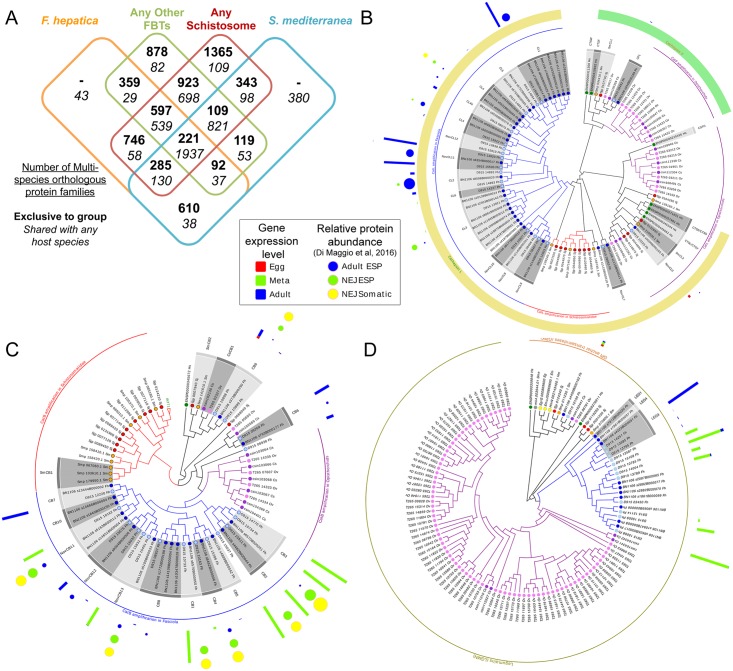
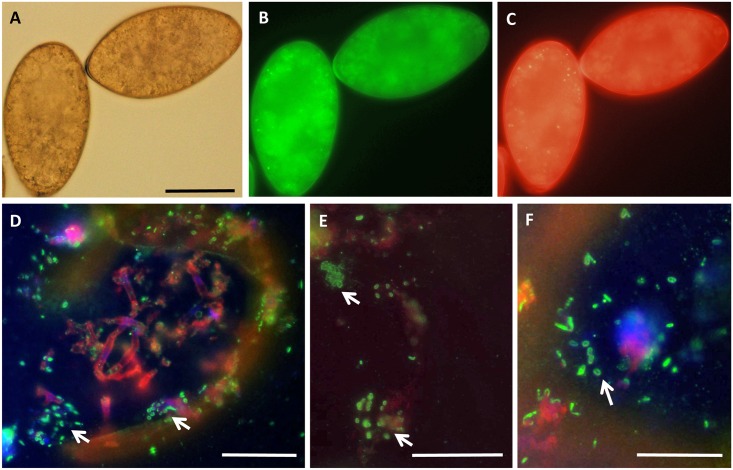
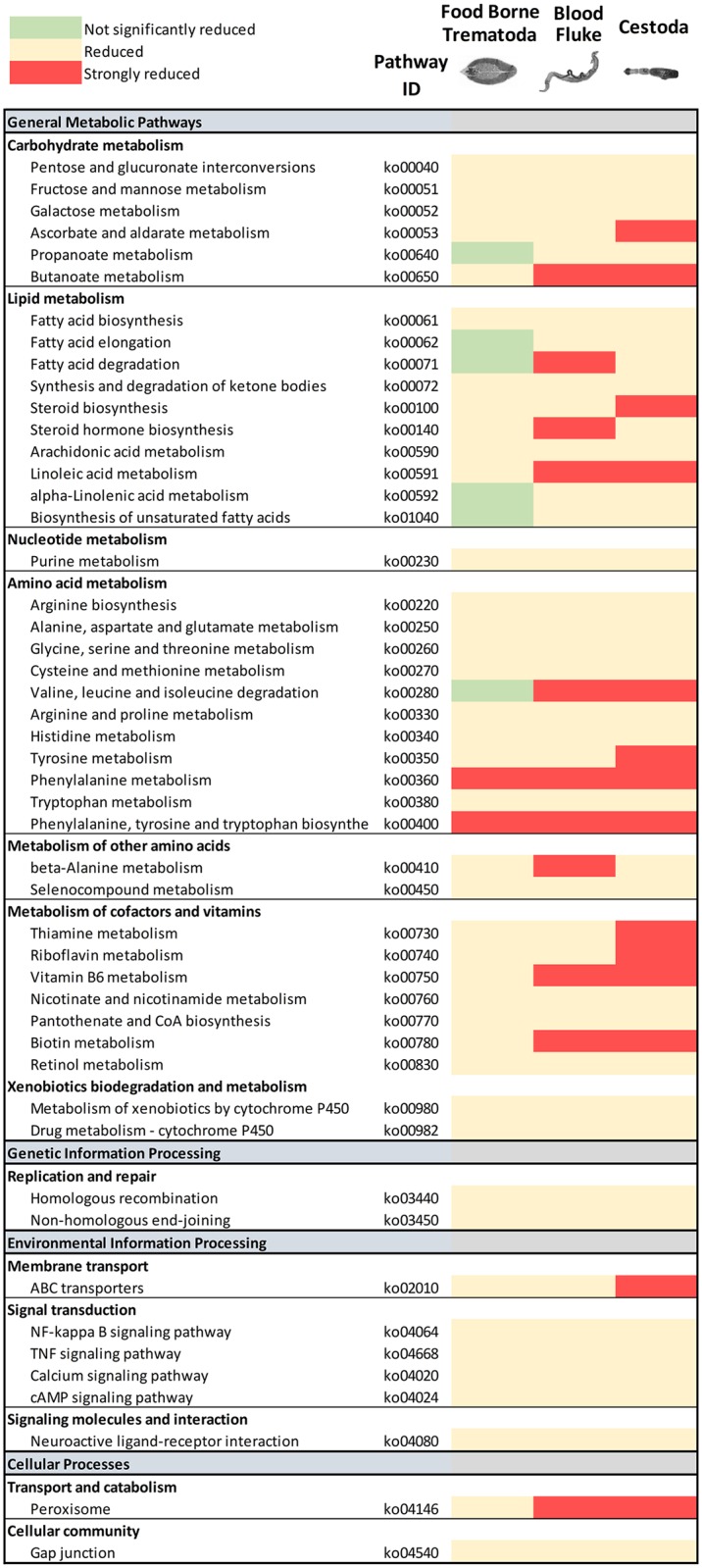
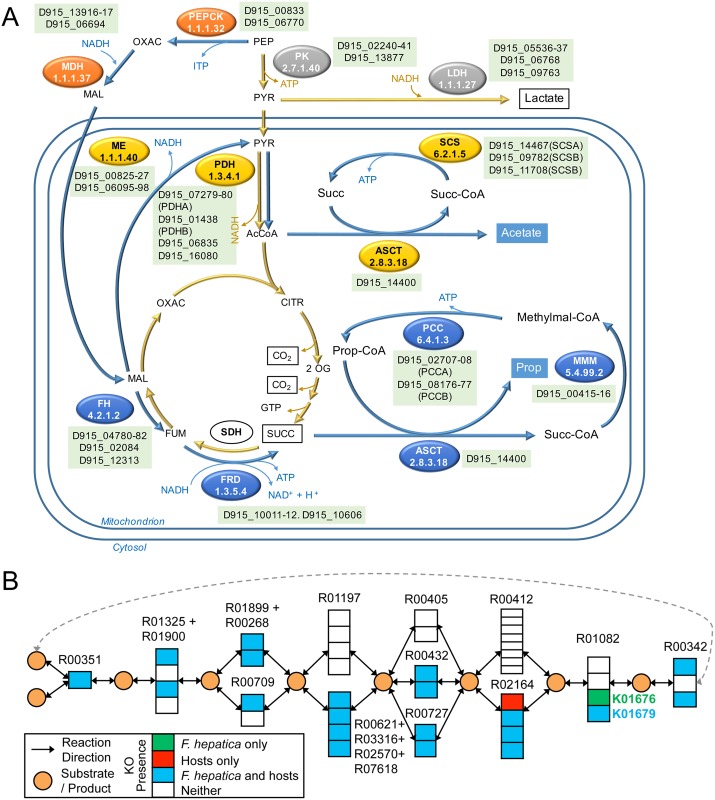
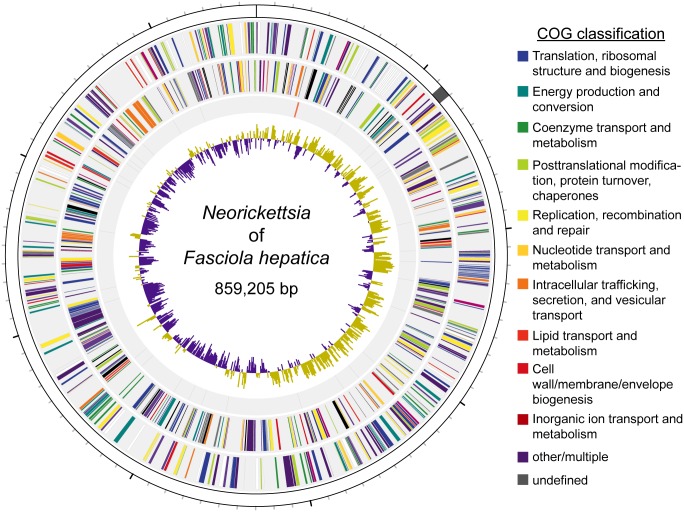
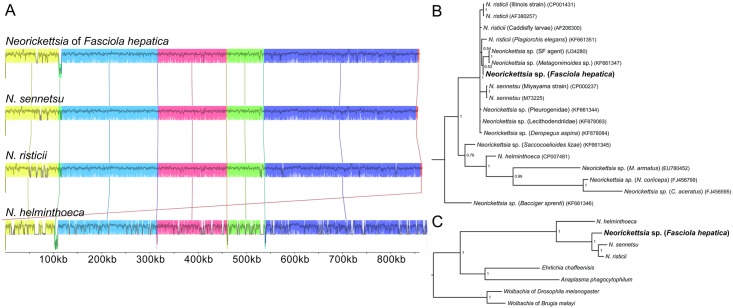
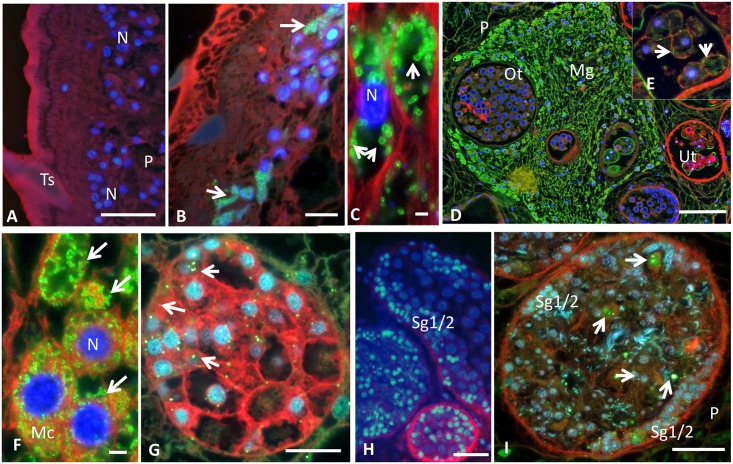
Food borne trematodes (FBTs) are an assemblage of platyhelminth parasites transmitted through the food chain, four of which are recognized as neglected tropical diseases (NTDs). Fascioliasis stands out among the other NTDs due to its broad and significant impact on both human and animal health, as Fasciola sp., are also considered major pathogens of domesticated ruminants. Here we present a reference genome sequence of the common liver fluke, Fasciola hepatica isolated from sheep, complementing previously reported isolate from cattle. A total of 14,642 genes were predicted from the 1.14 GB genome of the liver fluke. Comparative genomics indicated that F. hepatica Oregon and related food-borne trematodes are metabolically less constrained than schistosomes and cestodes, taking advantage of the richer millieux offered by the hepatobiliary organs. Protease families differentially expanded between diverse trematodes may facilitate migration and survival within the heterogeneous environments and niches within the mammalian host. Surprisingly, the sequencing of Oregon and Uruguay F. hepatica isolates led to the first discovery of an endobacteria in this species. Two contigs from the F. hepatica Oregon assembly were joined to complete the 859,205 bp genome of a novel Neorickettsia endobacterium (nFh) closely related to the etiological agents of human Sennetsu and Potomac horse fevers. Immunohistochemical studies targeting a Neorickettsia surface protein found nFh in specific organs and tissues of the adult trematode including the female reproductive tract, eggs, the Mehlis' gland, seminal vesicle, and oral suckers, suggesting putative routes for fluke-to-fluke and fluke-to-host transmission. The genomes of F. hepatica and nFh will serve as a resource for further exploration of the biology of F. hepatica, and specifically its newly discovered trans-kingdom interaction with nFh and the impact of both species on disease in ruminants and humans.
食源性吸虫(FBTs)是一类通过食物链传播的扁形寄生虫,其中四种被认定为被忽视的热带病(NTDs)。肝片吸虫病在其他被忽视的热带病中尤为突出,因为它对人类和动物健康都有广泛而重大的影响,因为肝片吸虫属(Fasciola sp.)也被认为是家养反刍动物的主要病原体。在此,我们展示了从绵羊分离出的常见肝吸虫——肝片吸虫(Fasciola hepatica)的参考基因组序列,补充了先前报道的从牛分离出的菌株。从肝吸虫1.14GB的基因组中预测出总共14642个基因。比较基因组学表明,俄勒冈肝片吸虫(F. hepatica Oregon)及相关食源性吸虫在代谢上比血吸虫和绦虫受到的限制更少,这得益于肝胆器官提供的更丰富的环境。不同吸虫之间差异扩展的蛋白酶家族可能有助于在哺乳动物宿主体内的异质环境和生态位中迁移和生存。令人惊讶的是,俄勒冈和乌拉圭肝片吸虫菌株的测序首次发现了该物种中的一种内共生细菌。来自俄勒冈肝片吸虫组装的两个重叠群被拼接起来,完成了一种与人类森内茨热和波托马克马热病原体密切相关的新型立克次氏体属内共生细菌(nFh)的859205bp基因组。针对立克次氏体表面蛋白的免疫组织化学研究在成年吸虫的特定器官和组织中发现了nFh,包括雌性生殖道、卵、梅氏腺、精囊和口吸盘,这表明了吸虫之间以及吸虫与宿主之间可能的传播途径。肝片吸虫和nFh的基因组将作为进一步探索肝片吸虫生物学的资源,特别是其新发现的与nFh的跨界相互作用以及这两个物种对反刍动物和人类疾病的影响。