Kaur Anuvinder, Sultan Sami H A, Murugaiah Valarmathy, Pathan Ansar A, Alhamlan Fatimah S, Karteris Emmanouil, Kishore Uday
Biosciences, College of Health and Life Sciences, Brunel University London , Uxbridge , UK.
Department of infection and Immunity, King Faisal Specialist Hospital and Research Centre , Riyadh , Saudi Arabia.
Front Immunol. 2016 Dec 21;7:599. doi: 10.3389/fimmu.2016.00599. eCollection 2016.
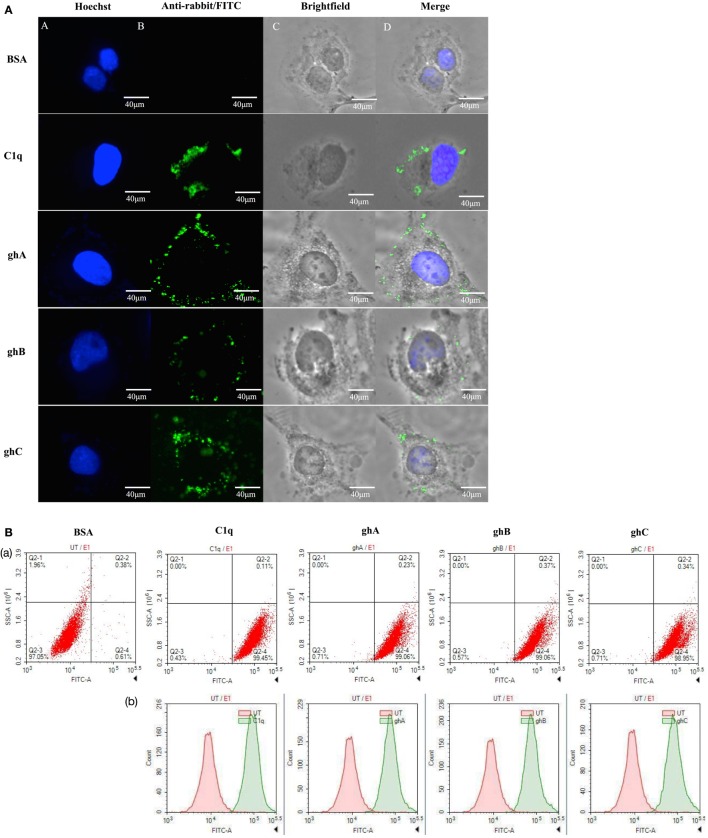
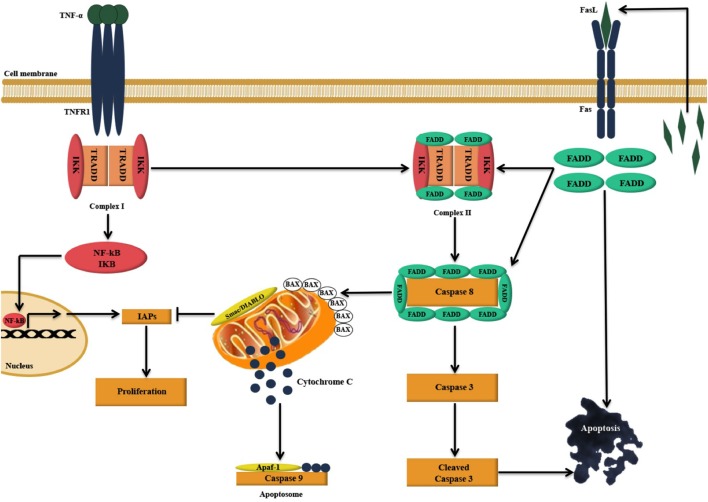
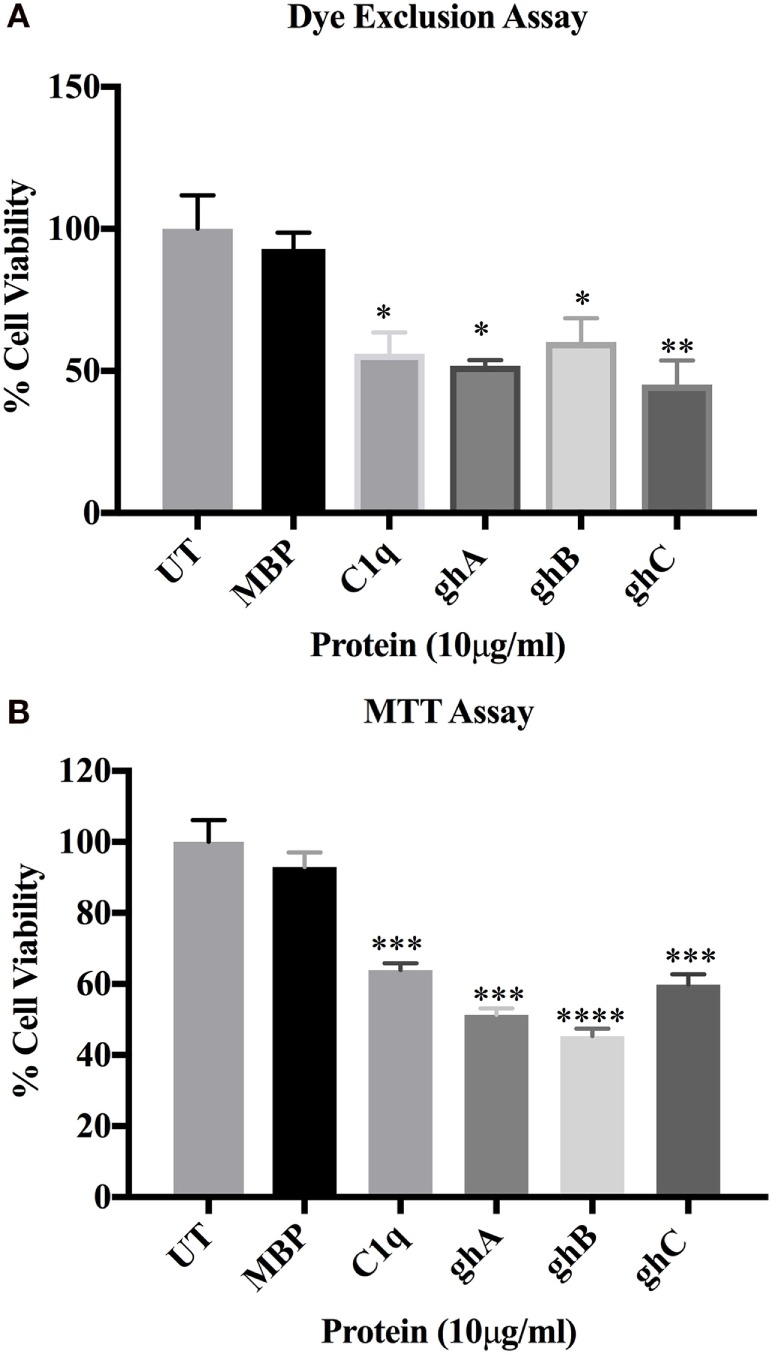
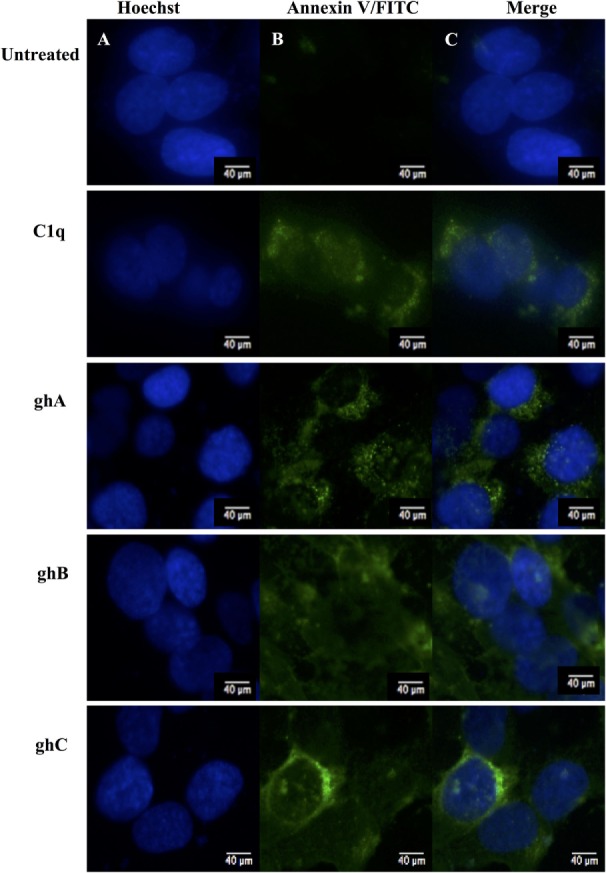
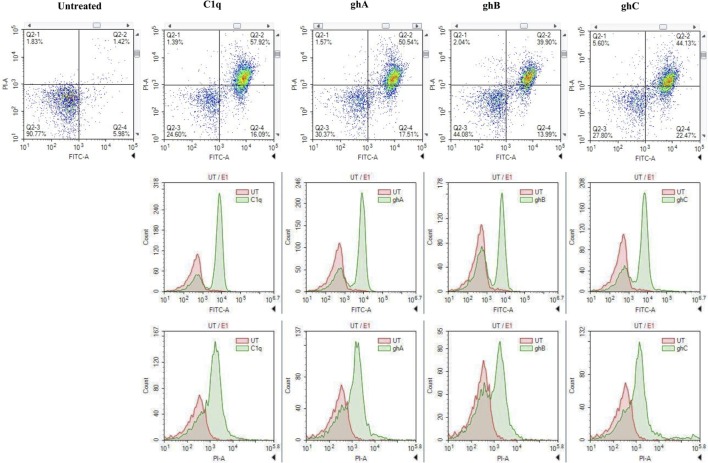
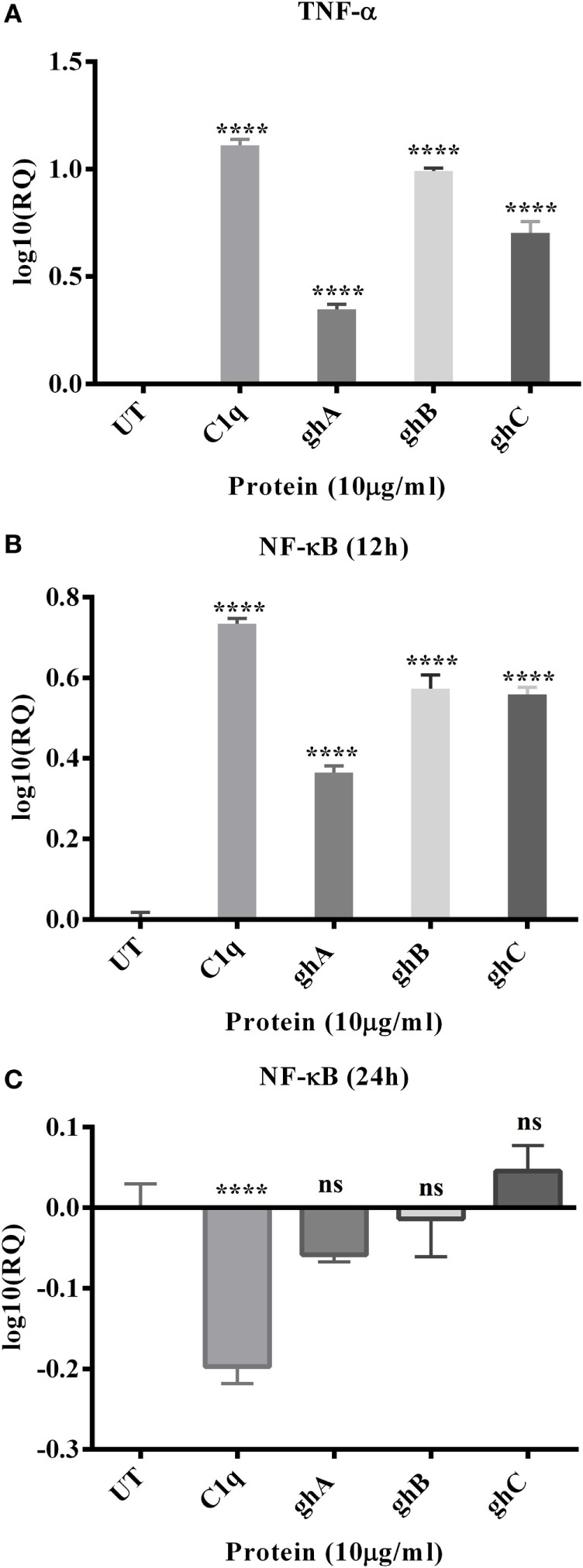
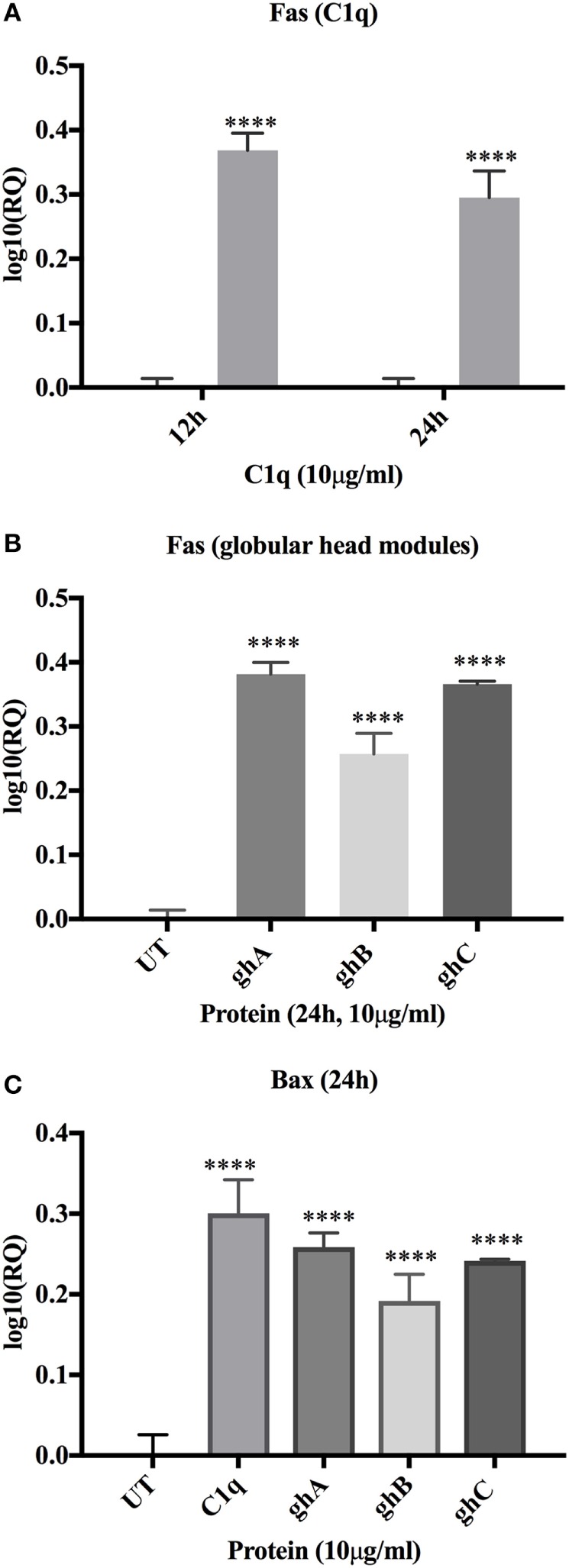
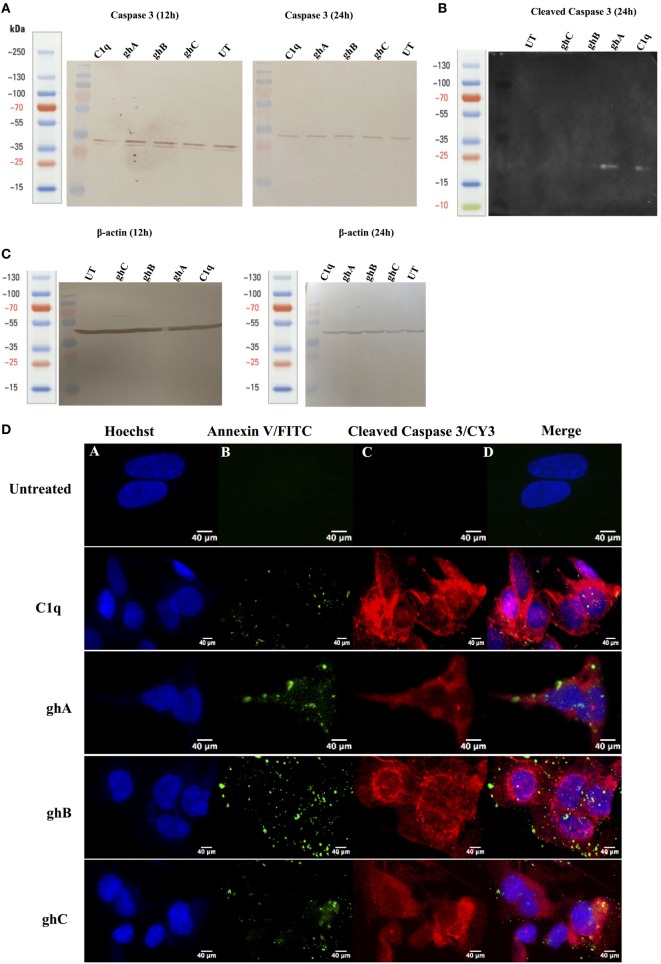
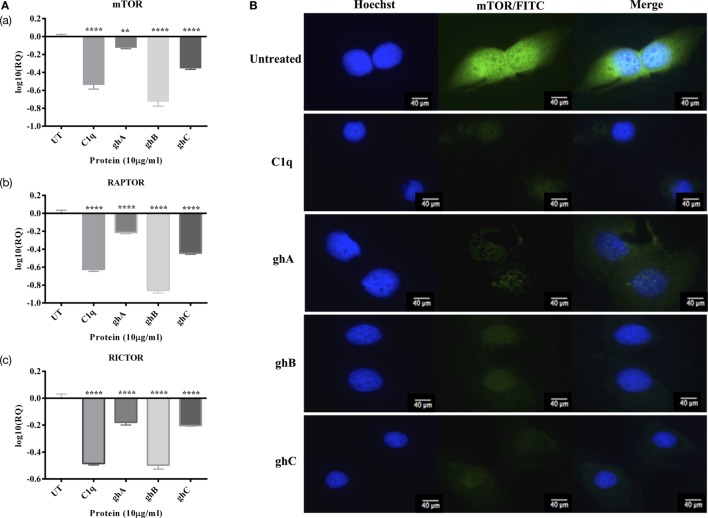
Complement protein C1q is the first recognition subcomponent of the complement classical pathway that plays a vital role in the clearance of immune complexes, pathogens, and apoptotic cells. C1q also has a homeostatic role involving immune and non-immune cells; these functions not necessarily involve complement activation. Recently, C1q has been shown to be expressed locally in the microenvironment of a range of human malignant tumors, where it can promote cancer cell adhesion, migration, and proliferation, without involving complement activation. C1q has been shown to be present in the ascitic fluid formed during ovarian cancers. In this study, we have examined the effects of human C1q and its globular domain on an ovarian cancer cell line, SKOV3. We show that C1q and the recombinant globular head modules induce apoptosis in SKOV3 cells in a time-dependent manner. C1q expression was not detectable in the SKOV3 cells. Exogenous treatment with C1q and globular head modules at the concentration of 10 µg/ml induced apoptosis in approximately 55% cells, as revealed by immunofluorescence microscopy and FACS. The qPCR and caspase analysis suggested that C1q and globular head modules activated tumor necrosis factor (TNF)-α and upregulated Fas. The genes of mammalian target of rapamycin (mTOR), RICTOR, and RAPTOR survival pathways, which are often overexpressed in majority of the cancers, were significantly downregulated within few hours of the treatment of SKOV3 cells with C1q and globular head modules. In conclusion, C1q, its globular domain, induced apoptosis in an ovarian cancer cell line SKOV3 TNF-α induced apoptosis pathway involving upregulation of Bax and Fas. This study highlights a potentially protective role of C1q in certain cancers.
补体蛋白C1q是补体经典途径的首个识别亚成分,在免疫复合物、病原体和凋亡细胞的清除中起关键作用。C1q在免疫和非免疫细胞中也具有稳态作用;这些功能不一定涉及补体激活。最近研究表明,C1q在一系列人类恶性肿瘤的微环境中局部表达,在不涉及补体激活的情况下,它可促进癌细胞的黏附、迁移和增殖。研究表明,C1q存在于卵巢癌形成的腹水中。在本研究中,我们检测了人C1q及其球状结构域对卵巢癌细胞系SKOV3的影响。我们发现,C1q和重组球状头部模块以时间依赖性方式诱导SKOV3细胞凋亡。在SKOV3细胞中未检测到C1q表达。免疫荧光显微镜和流式细胞术显示,用浓度为10μg/ml的C1q和球状头部模块进行外源处理可诱导约55%的细胞凋亡。定量PCR和半胱天冬酶分析表明,C1q和球状头部模块激活了肿瘤坏死因子(TNF)-α并上调了Fas。在大多数癌症中常过度表达的雷帕霉素哺乳动物靶标(mTOR)、RICTOR和RAPTOR生存途径的基因,在用C1q和球状头部模块处理SKOV3细胞的数小时内显著下调。总之,C1q及其球状结构域通过涉及上调Bax和Fas的TNF-α诱导凋亡途径,在卵巢癌细胞系SKOV3中诱导凋亡。本研究突出了C1q在某些癌症中潜在的保护作用。