Agarwal Payal, Gammon Elizabeth A, Sajib Abdul Mohin, Sandey Maninder, Smith Bruce F
Scott Ritchey Research Center, College of Veterinary Medicine, Auburn University, Auburn, Alabama, United States of America.
Department of Pathobiology, College of Veterinary Medicine, Auburn University, Auburn, Alabama, United States of America.
PLoS One. 2017 Jan 9;12(1):e0169532. doi: 10.1371/journal.pone.0169532. eCollection 2017.
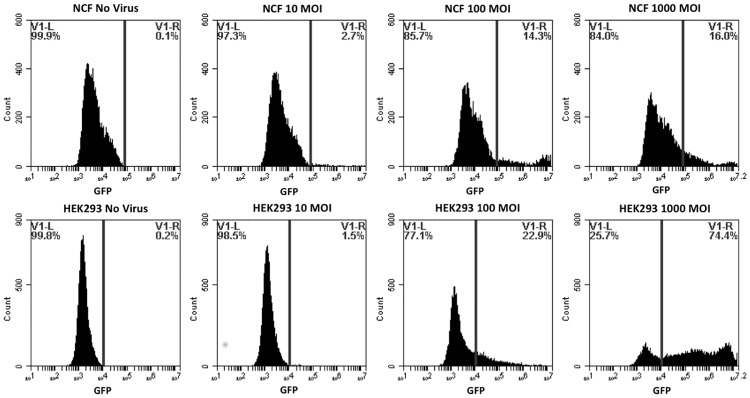
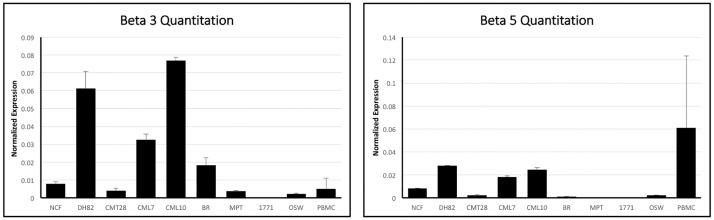
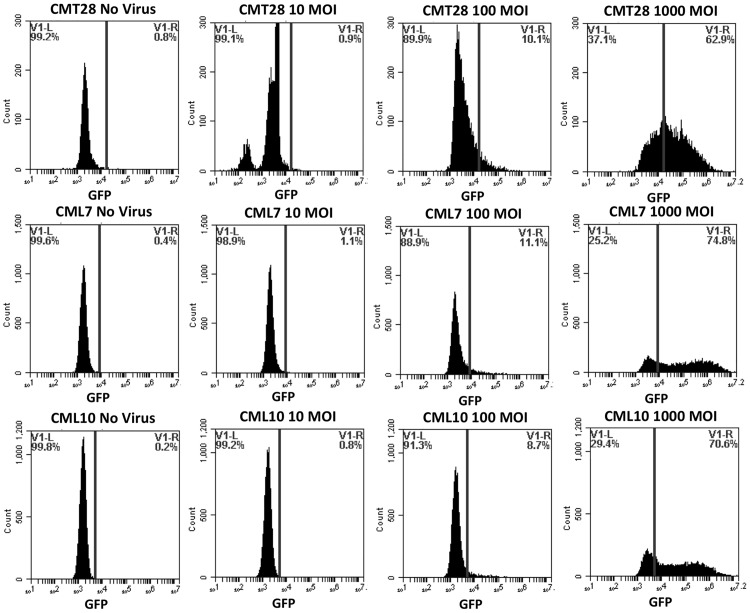
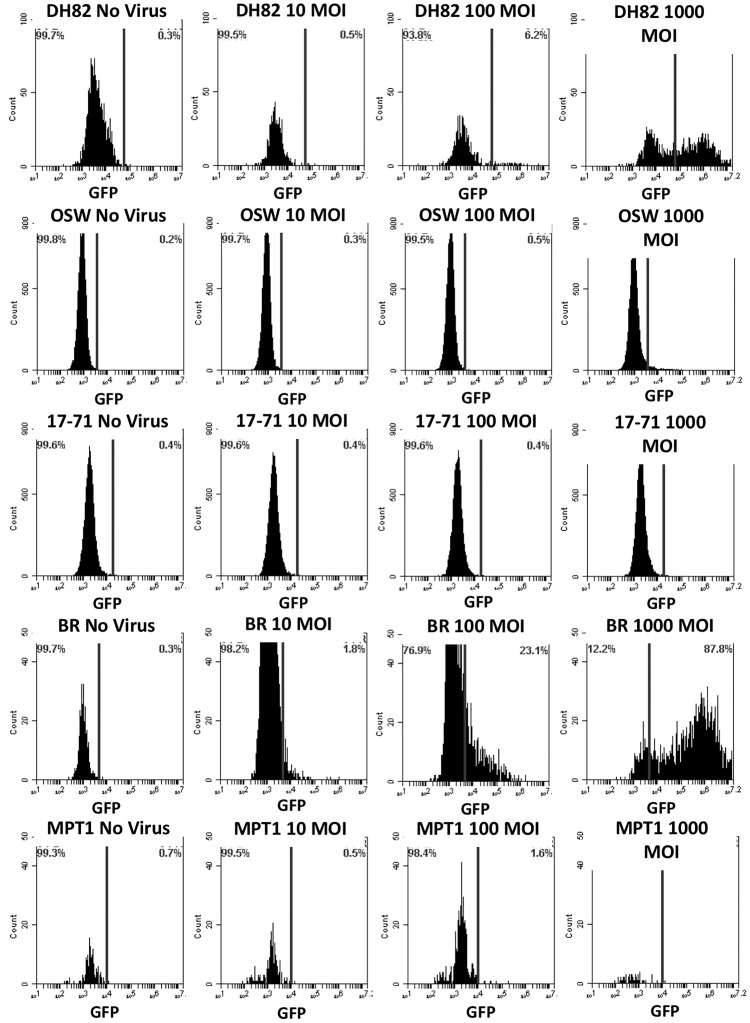
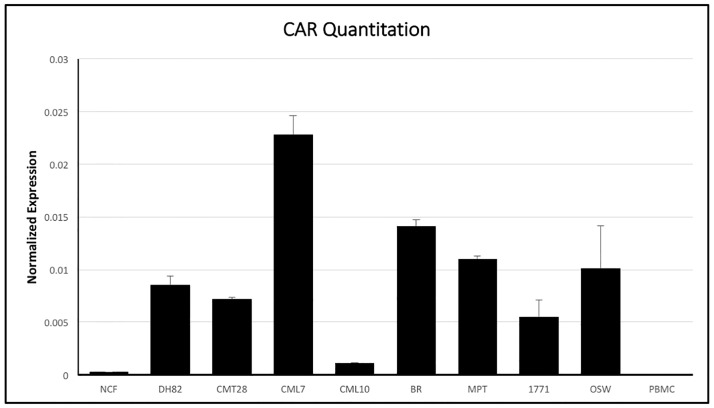
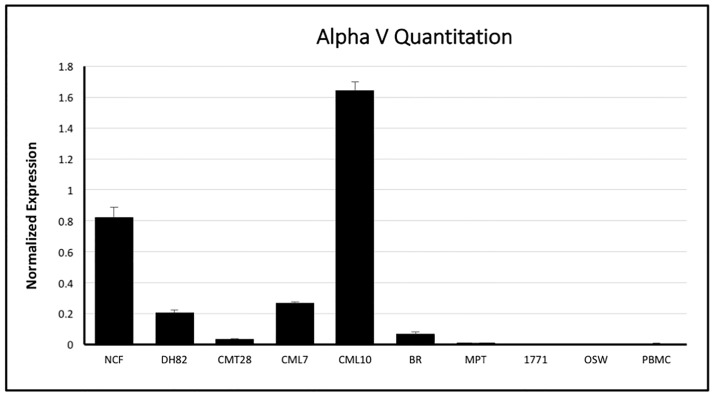
Adenoviruses are the most widely used vectors in cancer gene therapy. Adenoviruses vectors are well characterized and are easily manipulated. Adenovirus serotype 5 (Ad5) is the most commonly used human serotype. Ad5 internalization into host cells is a combined effect of binding of Ad5 fiber knob with the coxsackie virus and adenovirus receptor (CAR) and binding of RGD motifs in viral penton to cell surface integrins (αvβ3, αvβ5). Ad5's wide range of host-cell transduction and lack of integration into the host genome have made it an excellent choice for cancer therapeutics. However, Ad5 has limited ability to transduce cells of hematopoietic origin. It has been previously reported that low or no expression of CAR is a potential obstacle to Ad5 infection in hematopoietic origin cells. In addition, we have previously reported that low levels of cell surface integrins (αvβ3, αvβ5) may inhibit Ad5 infection in canine lymphoma cell lines. In the current report we have examined the ability of an Ad5 vector to infect human (HEK293) and canine non-cancerous (NCF and PBMC), canine non-hematopoietic origin cancer (CMT28, CML7, and CML10), and canine hematopoietic origin cancer (DH82, 17-71, OSW, MPT-1, and BR) cells. In addition, we have quantified CAR, αvβ3 and αvβ5 integrin transcript expression in these cells by using quantitative reverse transcriptase PCR (q-RT-PCR). Low levels of integrins were present in MPT1, 17-71, OSW, and PBMC cells in comparison to CMT28, DH82, and BR cells. CAR mRNA levels were comparatively higher in MPT1, 17-71, OSW, and PBMC cells. This report confirms and expands the finding that low or absent expression of cell surface integrins may be the primary reason for the inability of Ad5-based vectors to transduce cells of lymphocytic origin and some myeloid cells but this is not true for all hematopoietic origin cells. For efficient use of Ad5-based therapeutic vectors in cancers of lymphocytic origin, it is important to address the defects in cell surface integrins.
腺病毒是癌症基因治疗中使用最广泛的载体。腺病毒载体具有良好的特性且易于操作。腺病毒血清型5(Ad5)是最常用的人类血清型。Ad5内化进入宿主细胞是Ad5纤维结与柯萨奇病毒和腺病毒受体(CAR)结合以及病毒五邻体中的RGD基序与细胞表面整合素(αvβ3、αvβ5)结合的综合效应。Ad5广泛的宿主细胞转导能力以及不整合到宿主基因组中的特性使其成为癌症治疗的理想选择。然而,Ad5转导造血来源细胞的能力有限。此前有报道称,CAR低表达或不表达是Ad5感染造血来源细胞的潜在障碍。此外,我们之前曾报道,细胞表面整合素(αvβ3、αvβ5)水平低可能会抑制犬淋巴瘤细胞系中的Ad5感染。在本报告中,我们检测了一种Ad5载体感染人(HEK293)细胞、犬非癌(NCF和PBMC)细胞、犬非造血来源癌症(CMT28、CML七、和CML10)细胞以及犬造血来源癌症(DH82、17 - 71、OSW、MPT - 1和BR)细胞的能力。此外,我们通过定量逆转录聚合酶链反应(q - RT - PCR)对这些细胞中CAR、αvβ3和αvβ5整合素转录本表达进行了定量。与CMT28、DH82和BR细胞相比,MPT1、17 - 71、OSW和PBMC细胞中整合素水平较低。MPT1、17 - 71、OSW和PBMC细胞中CAR mRNA水平相对较高。本报告证实并扩展了以下发现:细胞表面整合素低表达或不表达可能是基于Ad5的载体无法转导淋巴细胞来源细胞和一些髓样细胞的主要原因,但并非所有造血来源细胞都是如此。为了在淋巴细胞来源的癌症中有效使用基于Ad5的治疗载体,解决细胞表面整合素的缺陷很重要。