Koçarslan Aydemir, Koçarslan Sezen, Aydin Mehmet Salih, Gunay Şamil, Karahan Mahmut Alp, Taşkın Abdullah, Üstunel Murat, Aksoy Nurten
Kahramanmaraş Sütçü Imam University, Faculty of Medicine, Department of Cardiovascular Surgery, Kahramanmaraş, Turkey.
Kahramanmaraş Sütçü Imam University, Faculty of Medicine, Department of Pathology, Kahramanmaraş, Turkey.
Braz J Cardiovasc Surg. 2016 Nov-Dec;31(6):434-439. doi: 10.5935/1678-9741.20160072.
To determine whether intraperitoneal silymarin administration has favorable effects on the heart, lungs, kidney, and liver and on oxidative stress in a rat model of supraceliac aorta ischemia/reperfusion injury.
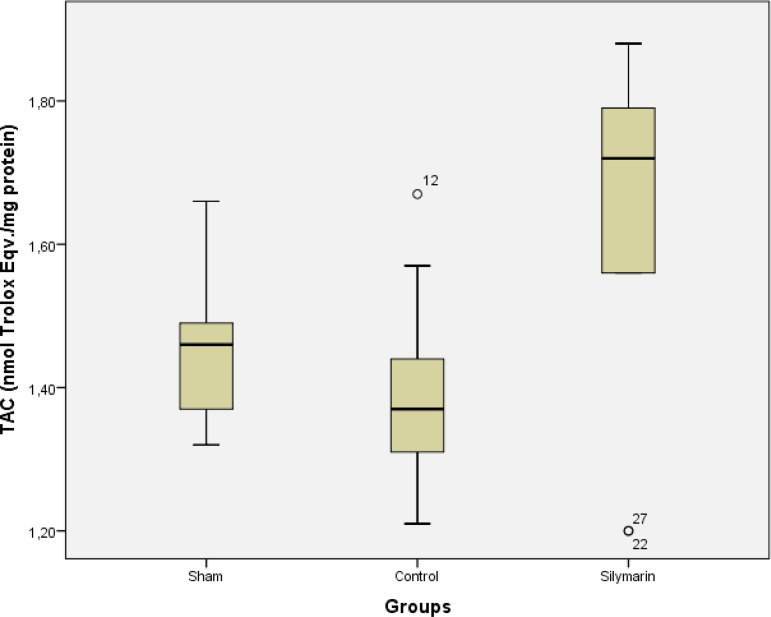
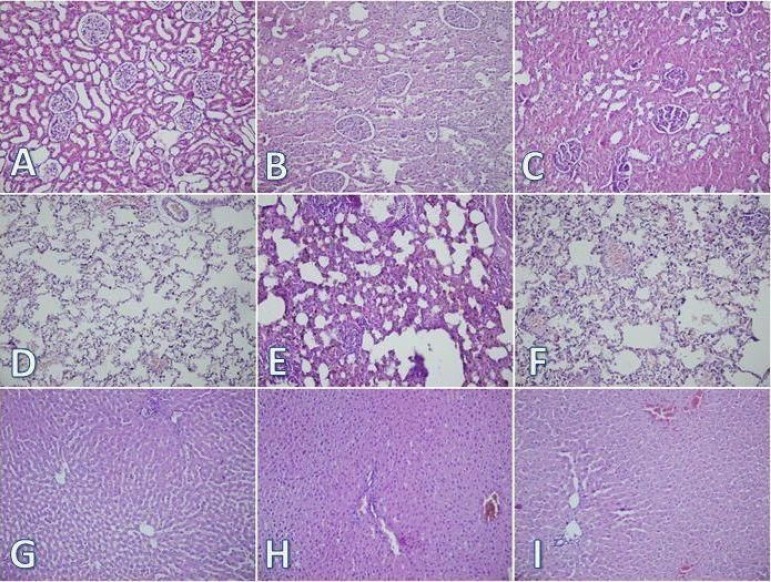
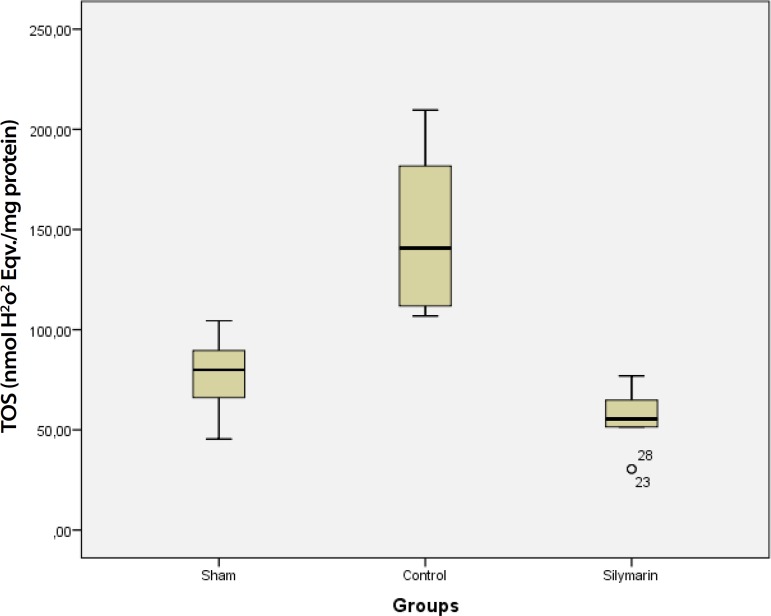
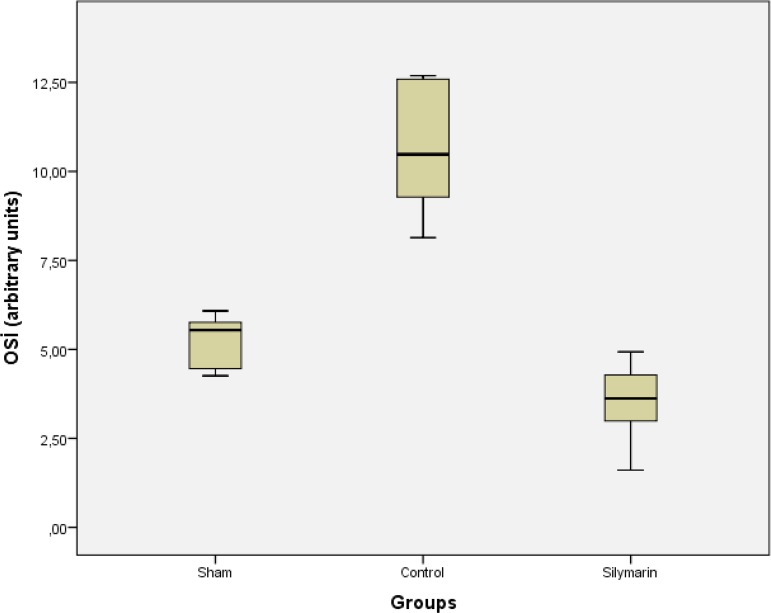
Thirty male Wistar albino rats were divided equally into three groups: sham, control, and silymarin. The control and silymarin groups underwent supraceliac aortic occlusion for 45 min, followed by a 60 min period of reperfusion under terminal anesthesia. In the silymarin group, silymarin was administered intraperitoneally during ischemia at a dose of 200 mg/kg. Rats were euthanized using terminal anesthesia, and blood was collected from the inferior vena cava for total antioxidant capacity, total oxidative status, and oxidative stress index measurement. Lungs, heart, liver and kidney tissues were histologically examined.
Ischemia/reperfusion injury significantly increased histopathological damage as well as the total oxidative status and oxidative stress index levels in the blood samples. The silymarin group incurred significantly lesser damage to the lungs, liver and kidneys than the control group, while no differences were observed in the myocardium. Furthermore, the silymarin group had significantly lower total oxidative status and oxidative stress index levels than the control group.
Intraperitoneal administration of silymarin reduces oxidative stress and protects the liver, kidney, and lungs from acute supraceliac abdominal aorta ischemia/reperfusion injury in the rat model.
在腹主动脉上阻断缺血/再灌注损伤大鼠模型中,确定腹腔注射水飞蓟素对心脏、肺、肾脏和肝脏以及氧化应激是否具有有益作用。
将30只雄性Wistar白化大鼠平均分为三组:假手术组、对照组和水飞蓟素组。对照组和水飞蓟素组接受腹主动脉上阻断45分钟,随后在终末麻醉下进行60分钟的再灌注。在水飞蓟素组中,在缺血期间以200mg/kg的剂量腹腔注射水飞蓟素。使用终末麻醉对大鼠实施安乐死,并从下腔静脉采集血液以测量总抗氧化能力、总氧化状态和氧化应激指数。对肺、心脏、肝脏和肾脏组织进行组织学检查。
缺血/再灌注损伤显著增加了组织病理学损伤以及血样中的总氧化状态和氧化应激指数水平。水飞蓟素组对肺、肝脏和肾脏的损伤明显小于对照组,而心肌未观察到差异。此外,水飞蓟素组的总氧化状态和氧化应激指数水平显著低于对照组。
在大鼠模型中,腹腔注射水飞蓟素可降低氧化应激,并保护肝脏、肾脏和肺免受急性腹主动脉上缺血/再灌注损伤。