Chao Mark P, Gentles Andrew J, Chatterjee Susmita, Lan Feng, Reinisch Andreas, Corces M Ryan, Xavy Seethu, Shen Jinfeng, Haag Daniel, Chanda Soham, Sinha Rahul, Morganti Rachel M, Nishimura Toshinobu, Ameen Mohamed, Wu Haodi, Wernig Marius, Wu Joseph C, Majeti Ravindra
Institute for Stem Cell Biology and Regenerative Medicine, Stanford University, CA 94305, USA; Department of Medicine, Division of Hematology, Stanford Medicine, CA 94305, USA.
Institute for Stem Cell Biology and Regenerative Medicine, Stanford University, CA 94305, USA; Stanford Center for Cancer Systems Biology, Stanford Medicine, CA 94305, USA.
Cell Stem Cell. 2017 Mar 2;20(3):329-344.e7. doi: 10.1016/j.stem.2016.11.018. Epub 2017 Jan 12.
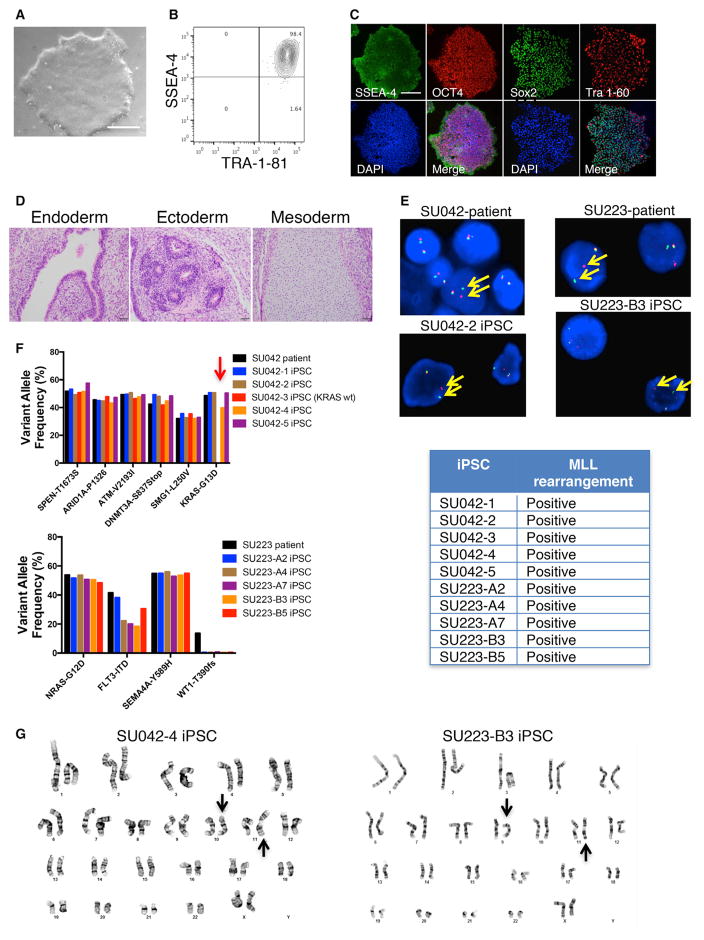
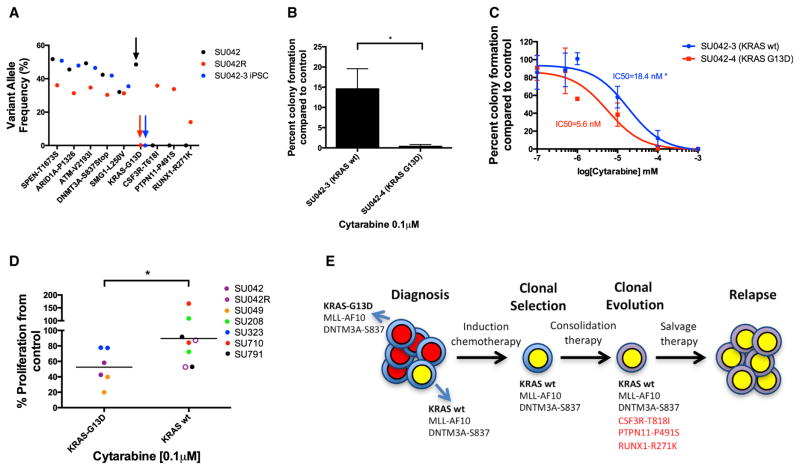
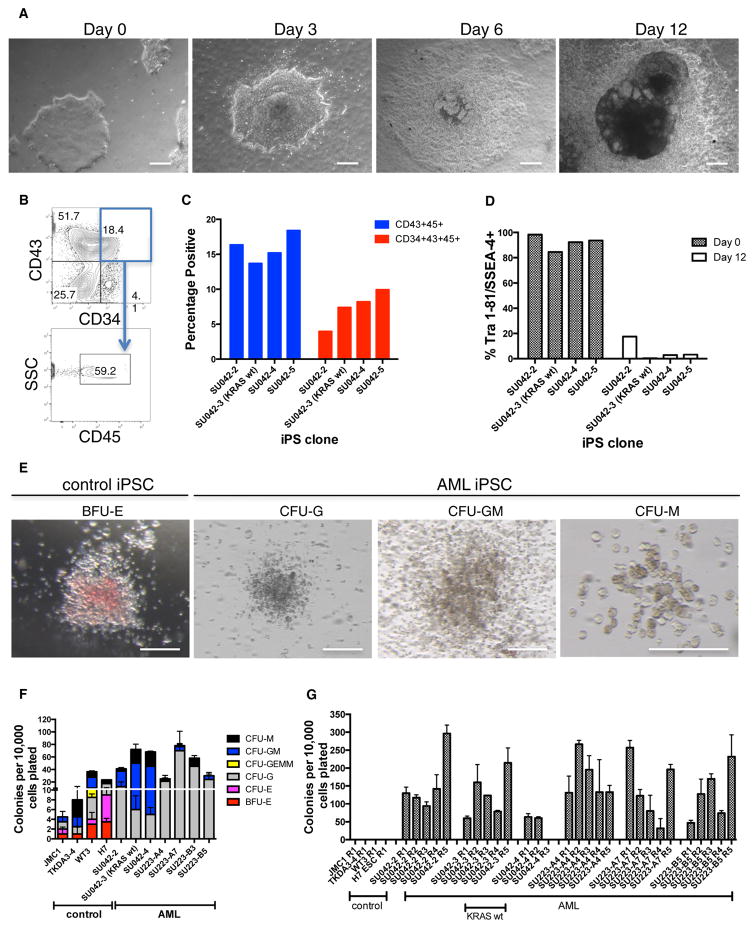
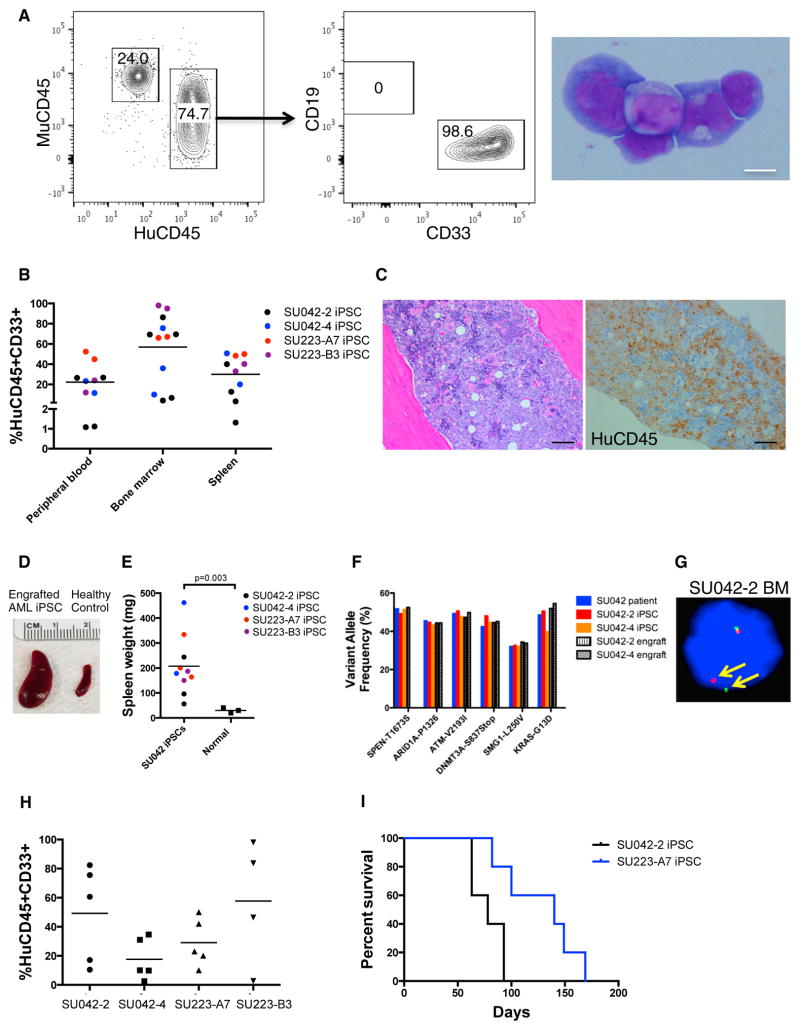
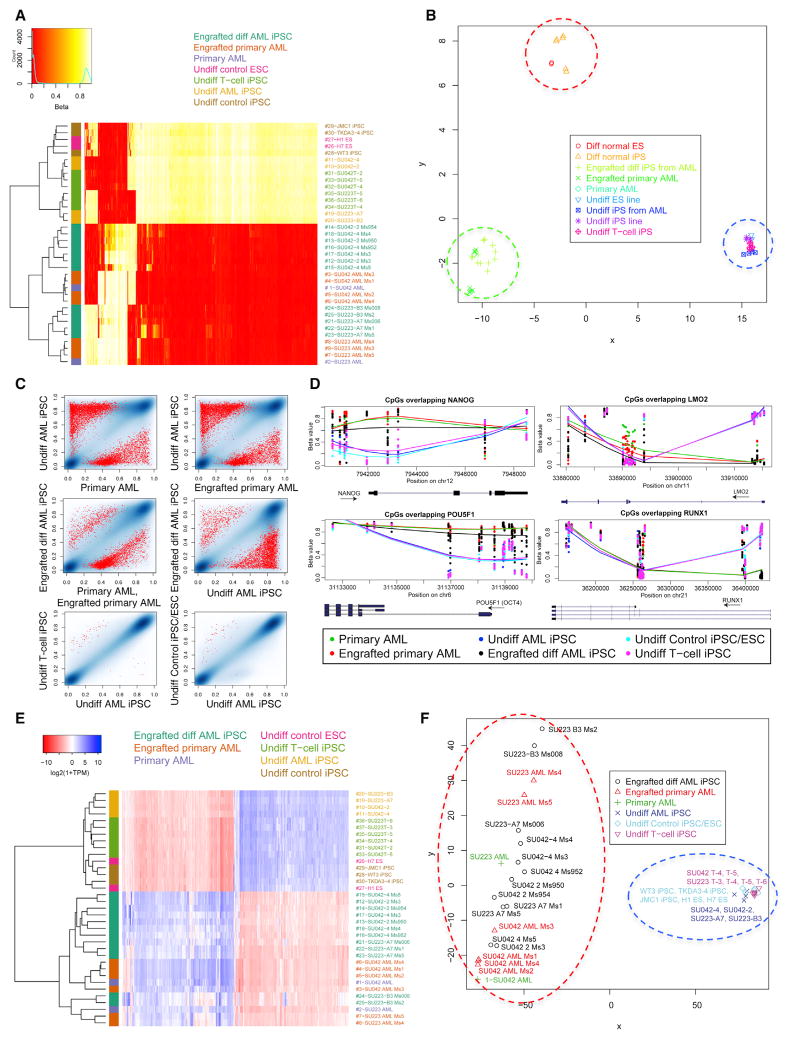
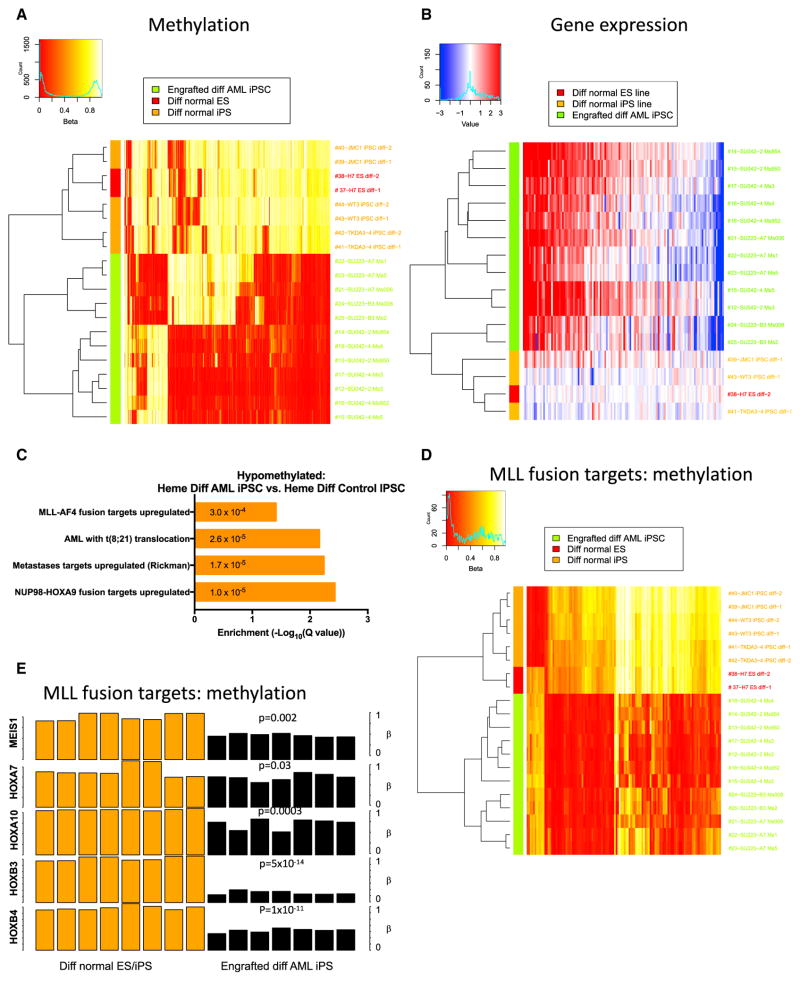
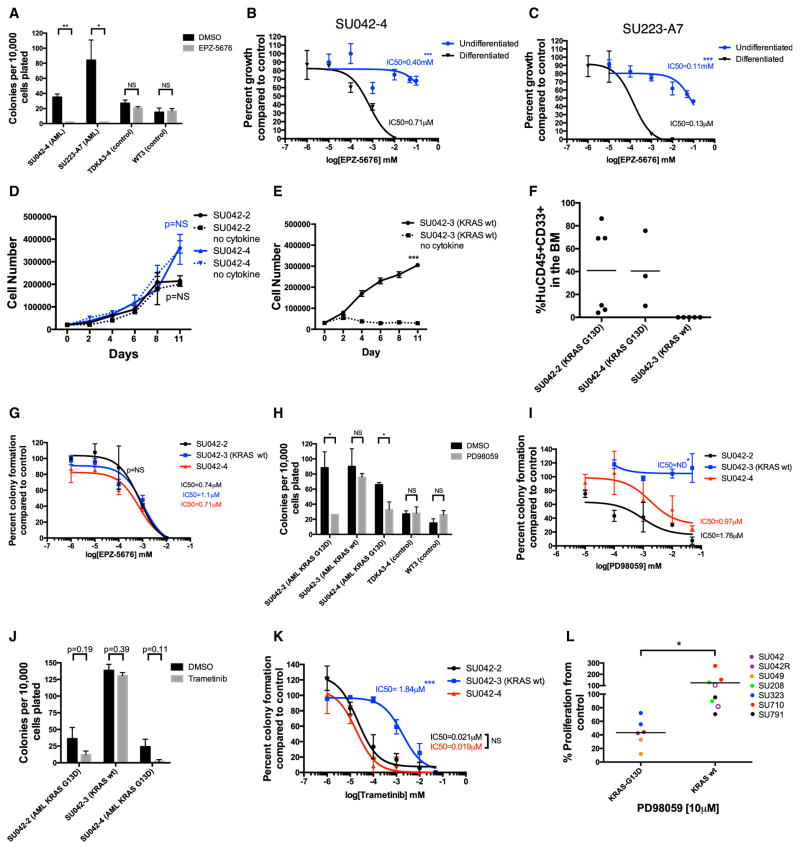
Understanding the relative contributions of genetic and epigenetic abnormalities to acute myeloid leukemia (AML) should assist integrated design of targeted therapies. In this study, we generated induced pluripotent stem cells (iPSCs) from AML patient samples harboring MLL rearrangements and found that they retained leukemic mutations but reset leukemic DNA methylation/gene expression patterns. AML-iPSCs lacked leukemic potential, but when differentiated into hematopoietic cells, they reacquired the ability to give rise to leukemia in vivo and reestablished leukemic DNA methylation/gene expression patterns, including an aberrant MLL signature. Epigenetic reprogramming was therefore not sufficient to eliminate leukemic behavior. This approach also allowed us to study the properties of distinct AML subclones, including differential drug susceptibilities of KRAS mutant and wild-type cells, and predict relapse based on increased cytarabine resistance of a KRAS wild-type subclone. Overall, our findings illustrate the value of AML-iPSCs for investigating the mechanistic basis and clonal properties of human AML.
了解基因和表观遗传异常对急性髓系白血病(AML)的相对贡献,应有助于靶向治疗的综合设计。在本研究中,我们从携带MLL重排的AML患者样本中生成了诱导多能干细胞(iPSC),发现它们保留了白血病突变,但重置了白血病DNA甲基化/基因表达模式。AML-iPSC缺乏白血病潜能,但当分化为造血细胞时,它们在体内重新获得了引发白血病的能力,并重新建立了白血病DNA甲基化/基因表达模式,包括异常的MLL特征。因此,表观遗传重编程不足以消除白血病行为。这种方法还使我们能够研究不同AML亚克隆的特性,包括KRAS突变型和野生型细胞的不同药物敏感性,并根据KRAS野生型亚克隆对阿糖胞苷耐药性的增加来预测复发。总体而言,我们的研究结果说明了AML-iPSC在研究人类AML的机制基础和克隆特性方面的价值。