Anderson Nathaniel E, Steele Vaughn R, Maurer J Michael, Rao Vikram, Koenigs Michael R, Decety Jean, Kosson David S, Calhoun Vince D, Kiehl Kent A
The nonprofit Mind Research Network (MRN) & Lovelace Biomedical and Environmental Research Institute (LBERI), 1101 Yale Blvd. NE, Albuquerque, NM, 87106, USA.
Neuroimaging Research Branch, National Institute of Drug Abuse, Intramural Research Program, National Institutes of Health, Baltimore, MD, USA.
Cogn Affect Behav Neurosci. 2017 Jun;17(3):491-515. doi: 10.3758/s13415-016-0493-5.
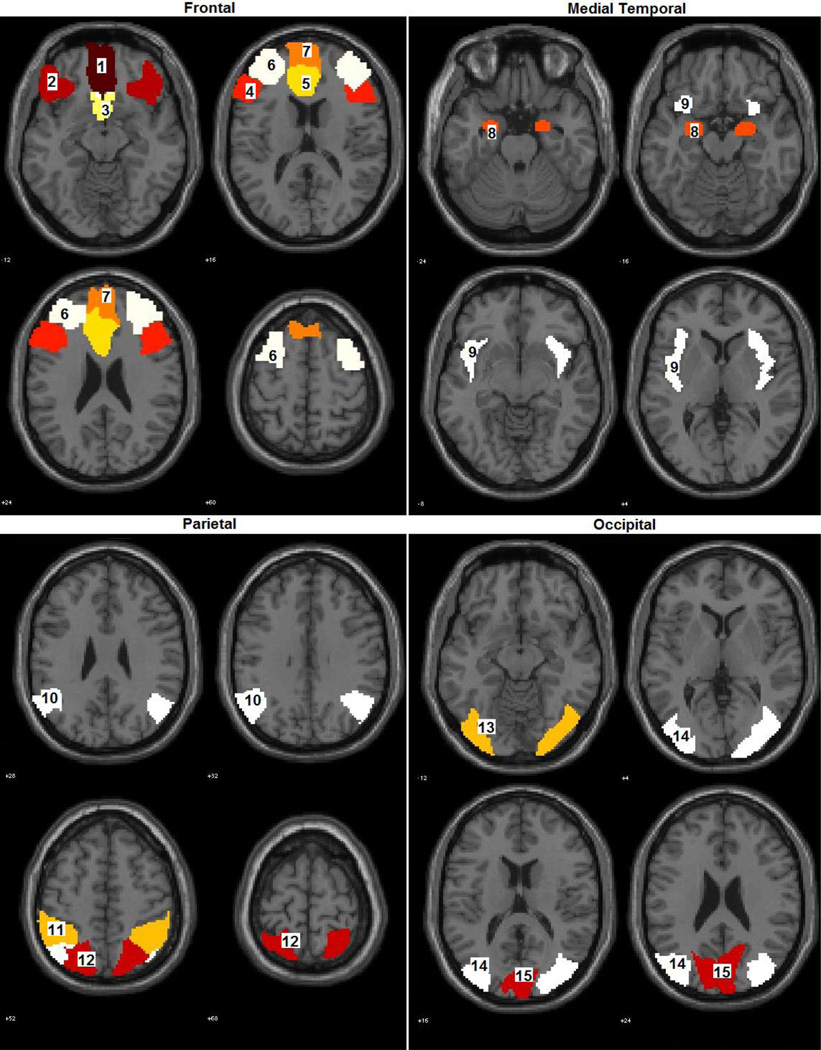
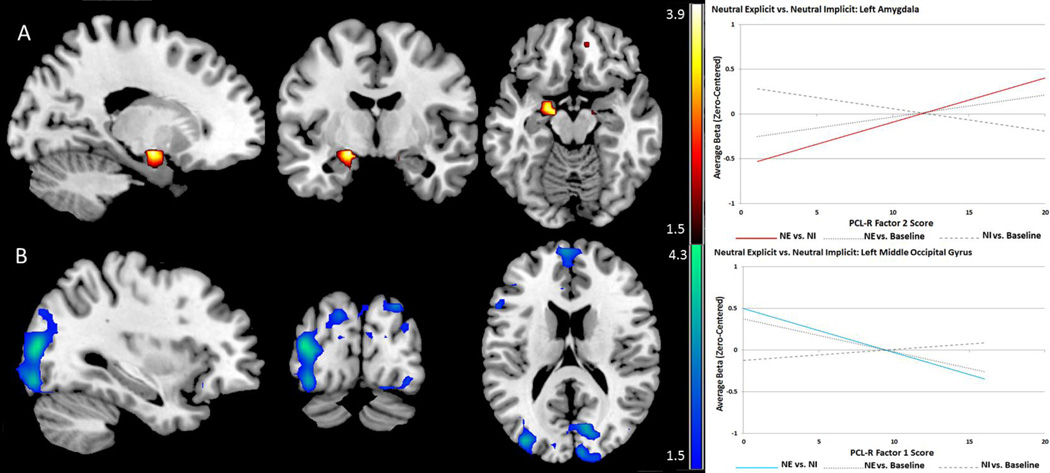
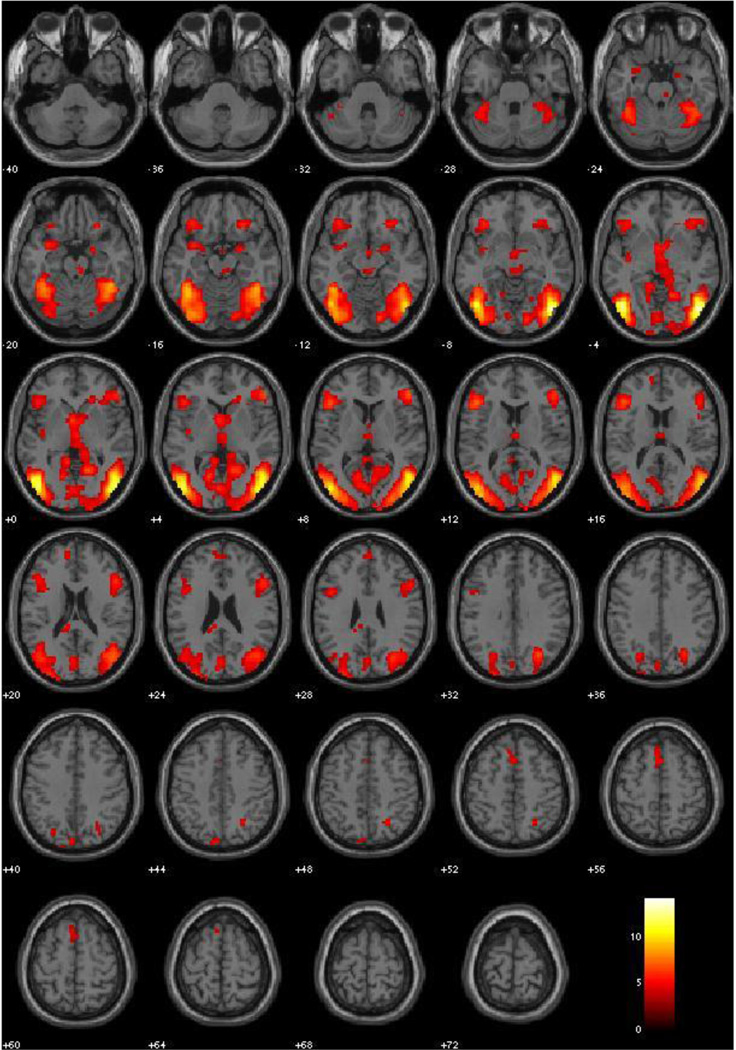
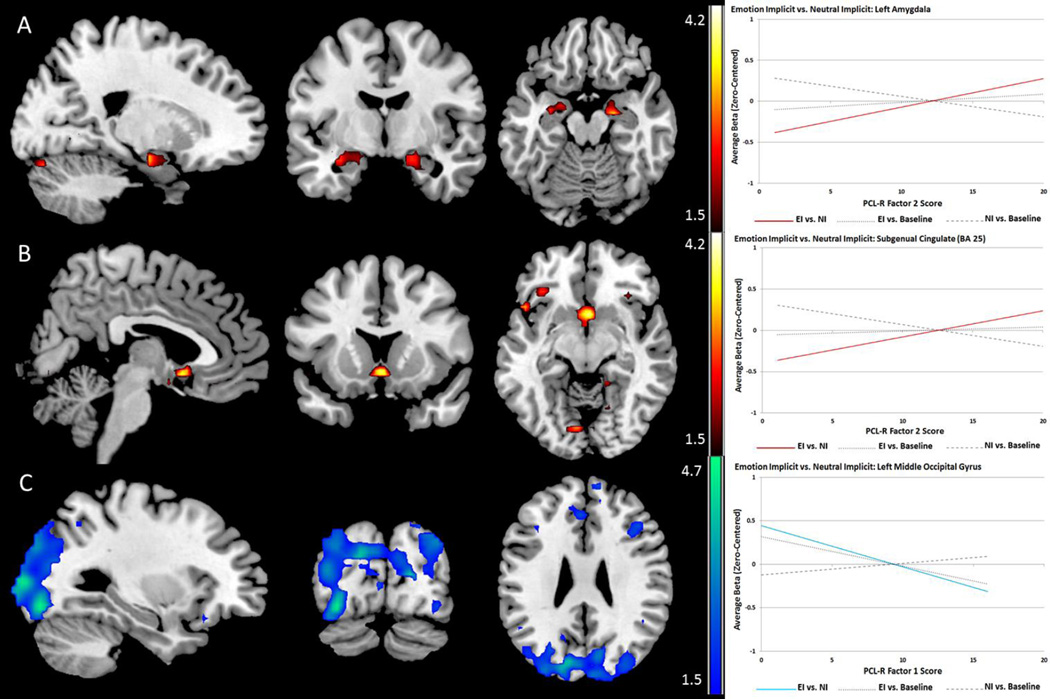
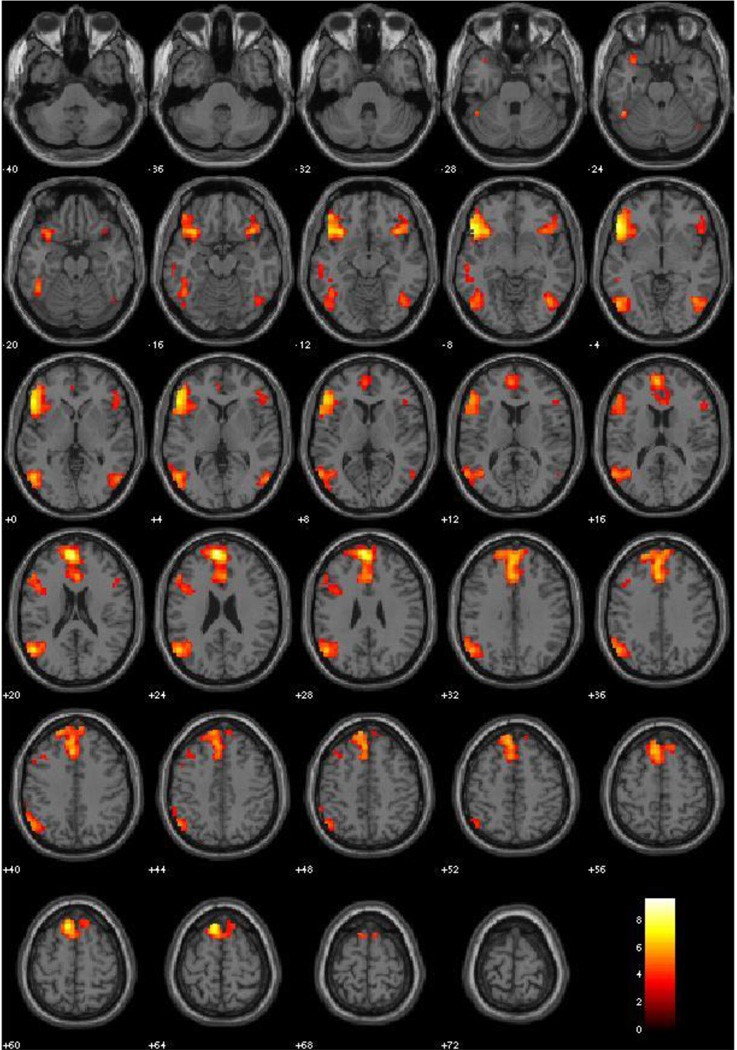
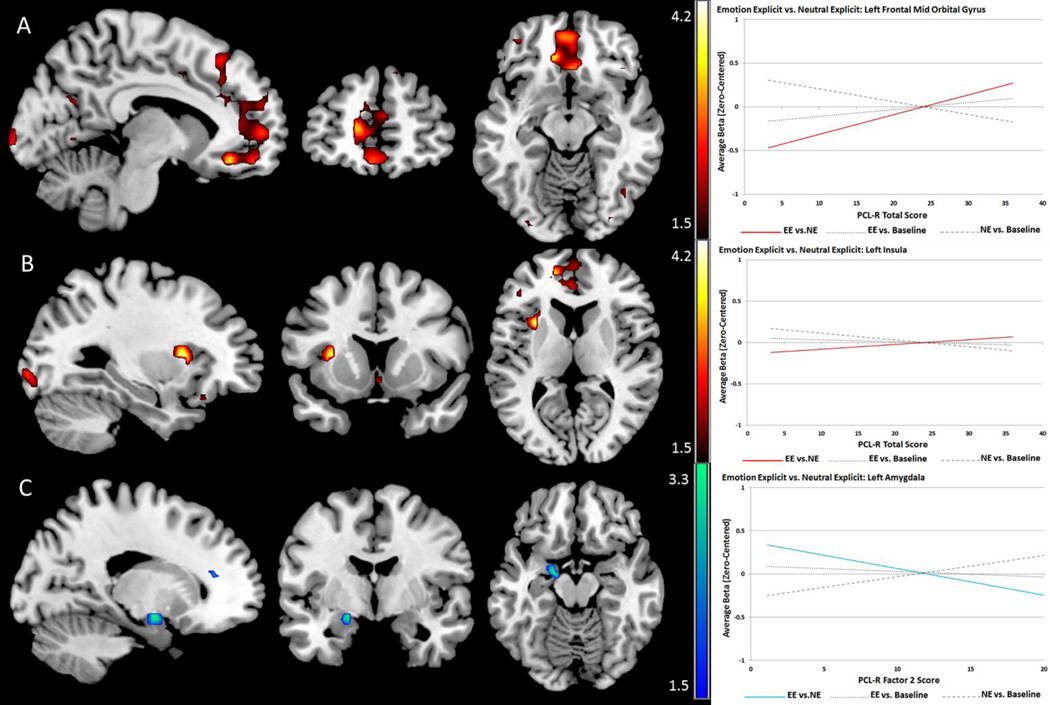
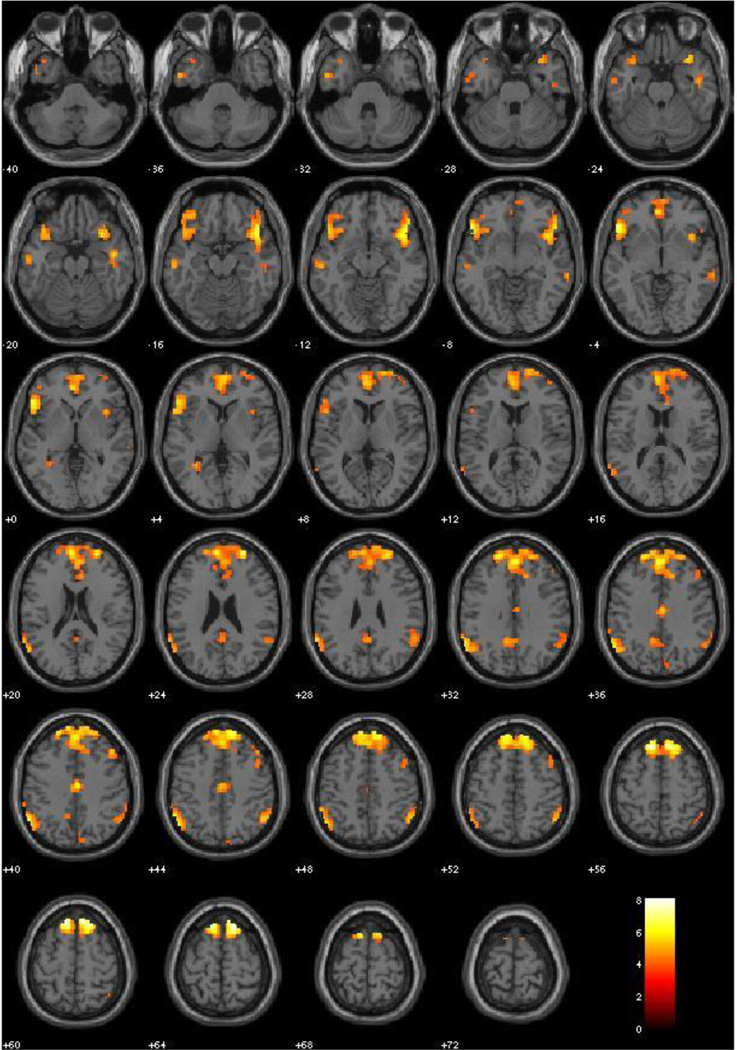
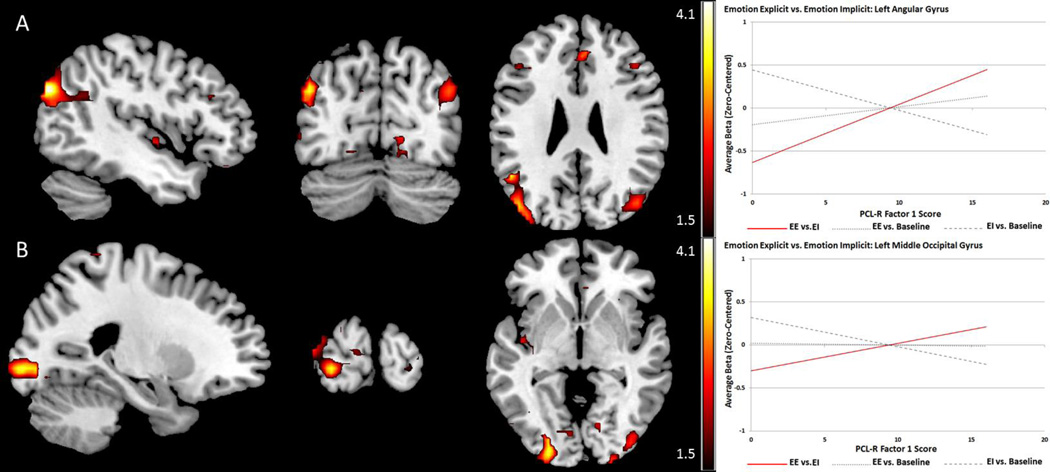
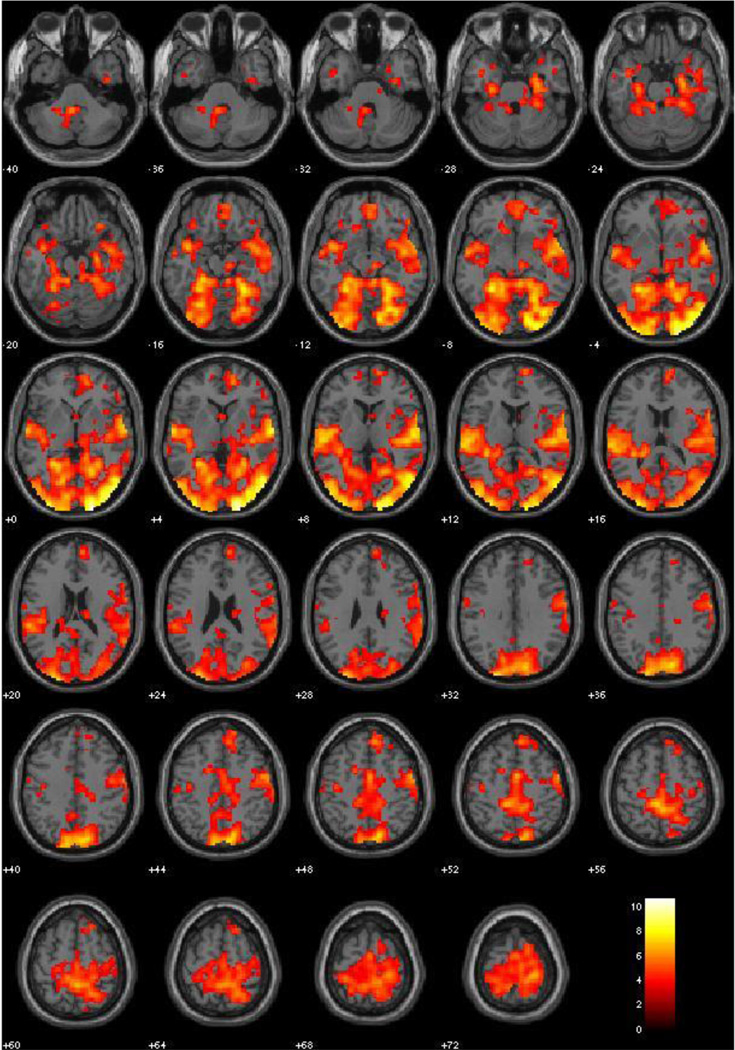
Individuals with psychopathy are often characterized by emotional processing deficits, and recent research has examined the specific contexts and cognitive mechanisms that underlie these abnormalities. Some evidence suggests that abnormal features of attention are fundamental to emotional deficits in persons with psychopathy, but few studies have demonstrated the neural underpinnings responsible for such effects. Here, we use functional neuroimaging to examine attention-emotion interactions among incarcerated individuals (n = 120) evaluated for psychopathic traits using the Hare Psychopathy Checklist-Revised (PCL-R). Using a task designed to manipulate attention to emotional features of visual stimuli, we demonstrate effects representing implicit emotional processing, explicit emotional processing, attention-facilitated emotional processing, and vigilance for emotional content. Results confirm the importance of considering mechanisms of attention when evaluating emotional processing differences related to psychopathic traits. The affective-interpersonal features of psychopathy (PCL-R Factor 1) were associated with relatively lower emotion-dependent augmentation of activity in visual processing areas during implicit emotional processing, while antisocial-lifestyle features (PCL-R Factor 2) were associated with elevated activity in the amygdala and related salience network regions. During explicit emotional processing, psychopathic traits were associated with upregulation in the medial prefrontal cortex, insula, and superior frontal regions. Isolating the impact of explicit attention to emotional content, only Factor 1 was related to upregulation of activity in the visual processing stream, which was accompanied by increased activity in the angular gyrus. These effects highlight some important mechanisms underlying abnormal features of attention and emotional processing that accompany psychopathic traits.
具有精神病态的个体通常具有情绪加工缺陷的特征,最近的研究探讨了这些异常背后的具体情境和认知机制。一些证据表明,注意力的异常特征是精神病态患者情绪缺陷的根本,但很少有研究证明造成这种影响的神经基础。在这里,我们使用功能神经成像来研究120名被监禁个体中注意力与情绪的相互作用,这些个体使用《哈雷精神病态量表修订版》(PCL-R)进行了精神病态特征评估。通过一项旨在操纵对视觉刺激情绪特征的注意力的任务,我们展示了代表内隐情绪加工、外显情绪加工、注意力促进情绪加工以及对情绪内容警觉性的效应。结果证实了在评估与精神病态特征相关的情绪加工差异时考虑注意力机制的重要性。精神病态的情感人际特征(PCL-R因子1)与内隐情绪加工过程中视觉加工区域相对较低的情绪依赖活动增强有关,而反社会生活方式特征(PCL-R因子2)与杏仁核及相关突显网络区域的活动增强有关。在外显情绪加工过程中,精神病态特征与内侧前额叶皮质、岛叶和额上回区域的活动上调有关。分离对外显情绪内容的注意力的影响,只有因子1与视觉加工流中活动的上调有关,同时角回的活动也增加。这些效应突出了伴随精神病态特征的注意力和情绪加工异常特征背后的一些重要机制。