Li Xia, Kanakala Surapathrudu, He Yehua, Zhong Xiaolan, Yu Sanmiao, Li Ruixue, Sun Lingxia, Ma Jun
College of Landscape Architecture of Sichuan Agricultural University, Chengdu, Sichuan, China.
Institute of Plant Protection, Agricultural Research Organization, The Volcani Center, Beit Dagan, Israel.
PLoS One. 2017 Jan 17;12(1):e0169838. doi: 10.1371/journal.pone.0169838. eCollection 2017.
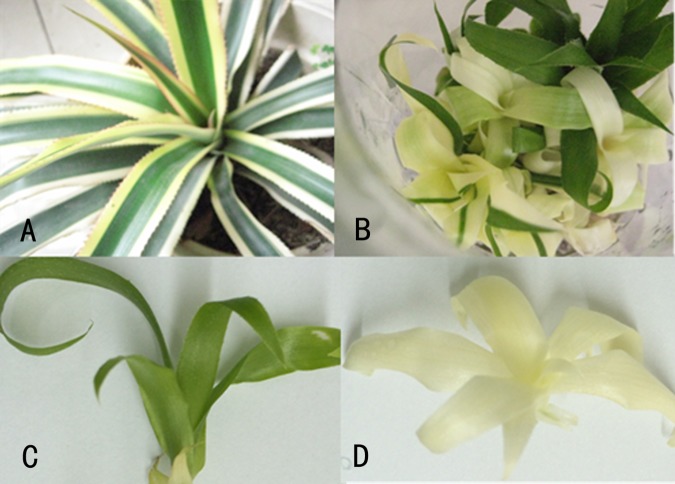
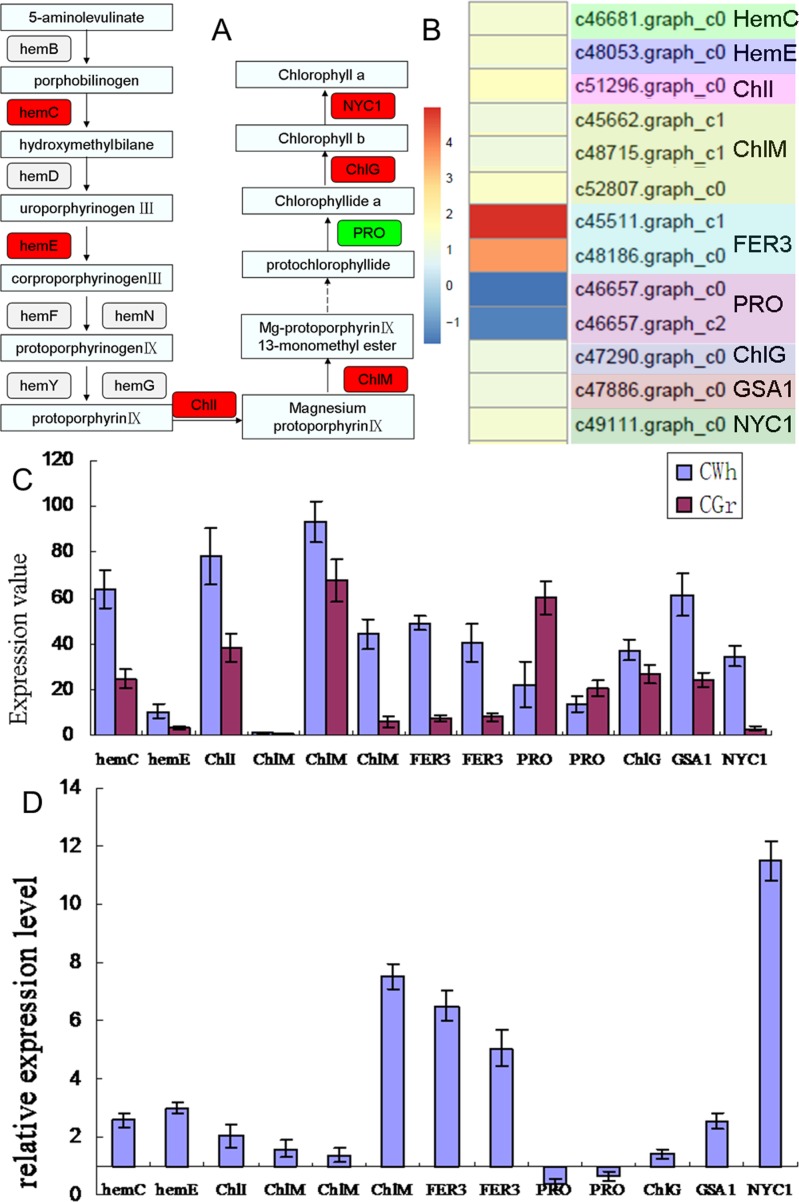
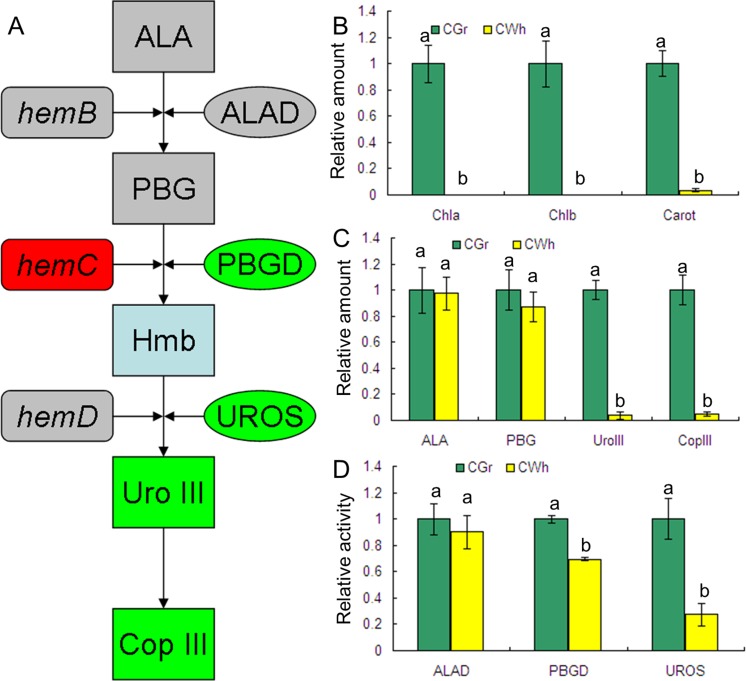
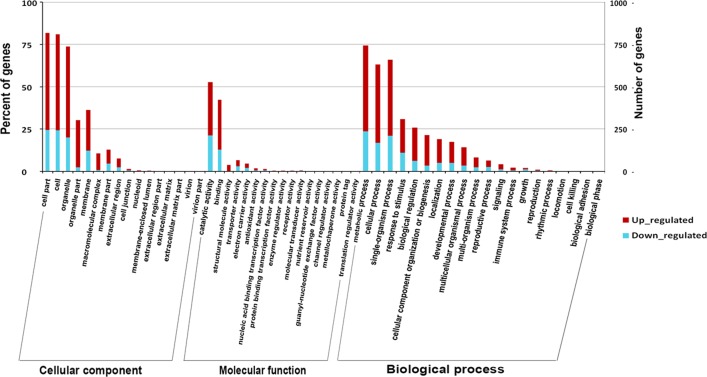
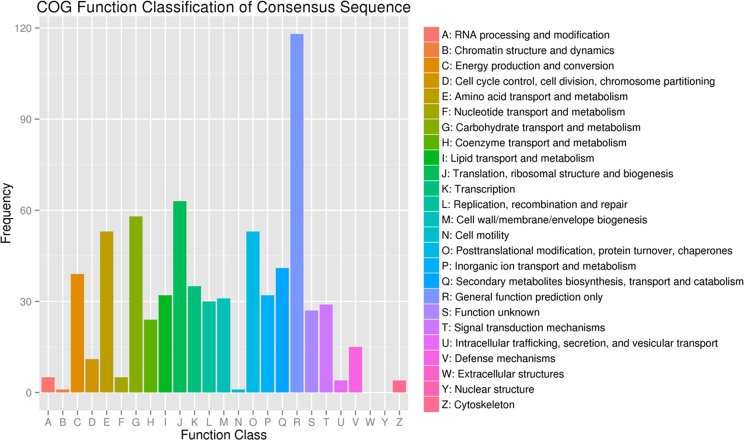
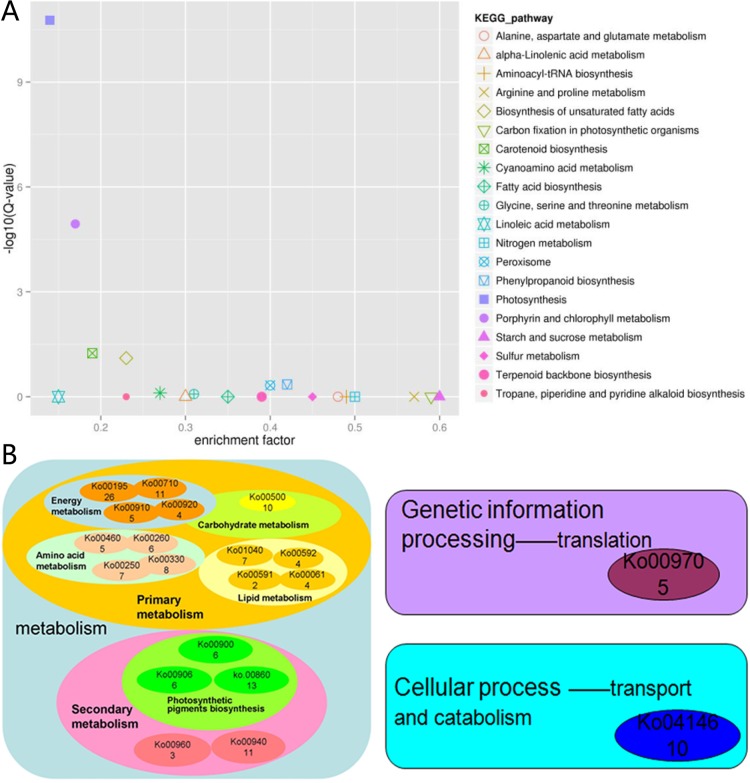
Leaf coloration is one of the most important and attractive characteristics of Ananas comosus var. bracteatus. The chimeric character is not stable during the in vitro tissue culturing. Many regenerated plants lost economic values for the loss of the chimeric character of leaves. In order to reveal the molecular mechanisms involved in the albino phenotype of the leaf cells, the physiological and transcriptional differences between complete white (CWh) and green (CGr) leaf cells of A. comosus var. bracteatus were analyzed. A total of 1,431 differentially expressed unigenes (DEGs) in CGr and CWh leaves were identified using RNA-seq. A comparison to the COG, GO and KEGG annotations revealed DEGs involved in chlorophyll biosynthesis, chloroplast development and photosynthesis. Furthermore, the measurement of main precursors of chlorophyll in the CWh leaves confirmed that the rate-limiting step in chlorophyll biosynthesis, and thus the cause of the albino phenotype of the white cells, was the conversion of pyrrole porphobilinogen (PBG) to uroporphyrinogen III (Uro III). The enzyme activity of porphobilinogen deaminase (PBGD) and uroporporphyrinogn III synthase (UROS), which catalyze the transition of PBG to Uro III, was significantly decreased in the CWh leaves. Our data showed the transcriptional differences between the CWh and CGr plants and characterized key steps in chlorophyll biosynthesis of the CWh leaves. These results contribute to our understanding of the mechanisms and regulation of pigment biosynthesis in the CWh leaf cells of A. comosus var. bracteatus.
叶色是红菠萝(Ananas comosus var. bracteatus)最重要且最具吸引力的特征之一。在离体组织培养过程中,嵌合特性不稳定。许多再生植株因叶片嵌合特性的丧失而失去经济价值。为了揭示叶片细胞白化表型所涉及的分子机制,分析了红菠萝完全白色(CWh)和绿色(CGr)叶片细胞之间的生理和转录差异。利用RNA测序在CGr和CWh叶片中鉴定出总共1431个差异表达的单基因(DEG)。与COG、GO和KEGG注释进行比较,发现DEG参与叶绿素生物合成、叶绿体发育和光合作用。此外,对CWh叶片中叶绿素主要前体的测量证实,叶绿素生物合成中的限速步骤,也就是白色细胞白化表型的原因,是吡咯胆色素原(PBG)向尿卟啉原III(Uro III)的转化。催化PBG向Uro III转化的胆色素原脱氨酶(PBGD)和尿卟啉原III合酶(UROS)的酶活性在CWh叶片中显著降低。我们的数据显示了CWh和CGr植株之间的转录差异,并确定了CWh叶片叶绿素生物合成的关键步骤。这些结果有助于我们理解红菠萝CWh叶片细胞中色素生物合成的机制和调控。