Kia Amirali, Gloeckner Christian, Osothprarop Trina, Gormley Niall, Bomati Erin, Stephenson Michelle, Goryshin Igor, He Molly Min
Department of Protein Engineering, Illumina Inc, 5200 Illumina Way, San Diego, CA, USA.
NEO New Oncology GmbH, Gottfried-Hagen-Str. 20, Cologne, 51105, Germany.
BMC Biotechnol. 2017 Jan 17;17(1):6. doi: 10.1186/s12896-016-0326-1.
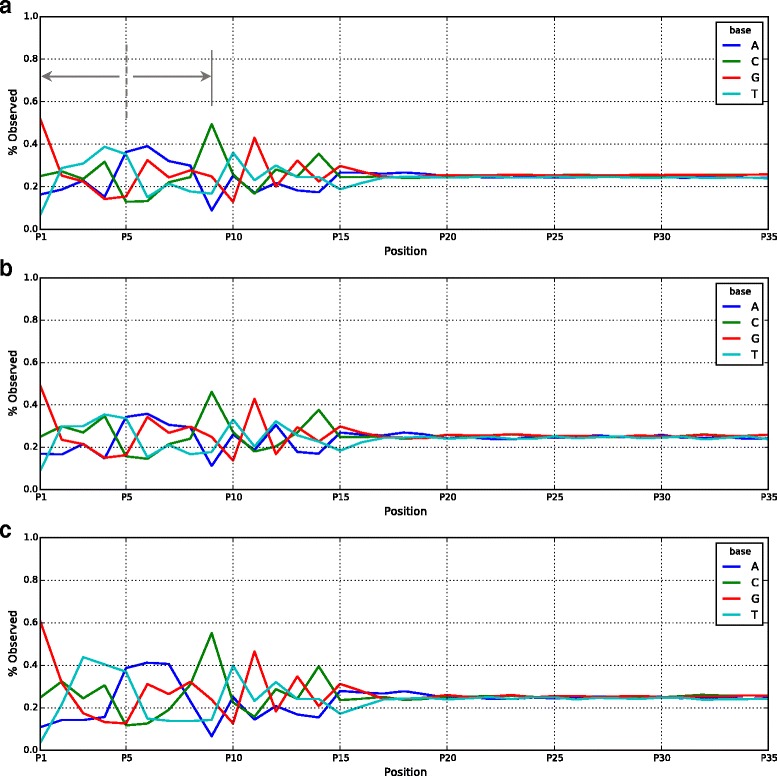
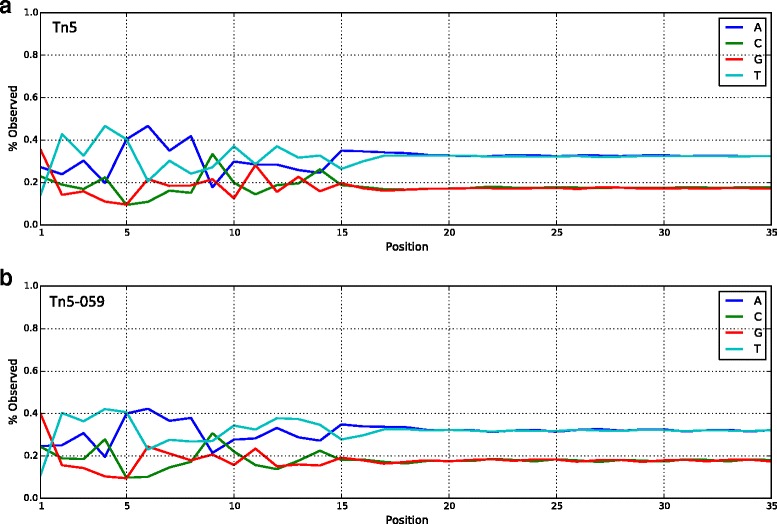
Next-generation sequencing (NGS) has transformed genomic research by reducing turnaround time and cost. However, no major breakthrough has been made in the upstream library preparation methods until the transposase-based Nextera method was invented. Nextera combines DNA fragmentation and barcoding in a single tube reaction and therefore enables a very fast workflow to sequencing-ready DNA libraries within a couple of hours. When compared to the traditional ligation-based methods, transposed-based Nextera has a slight insertion bias.
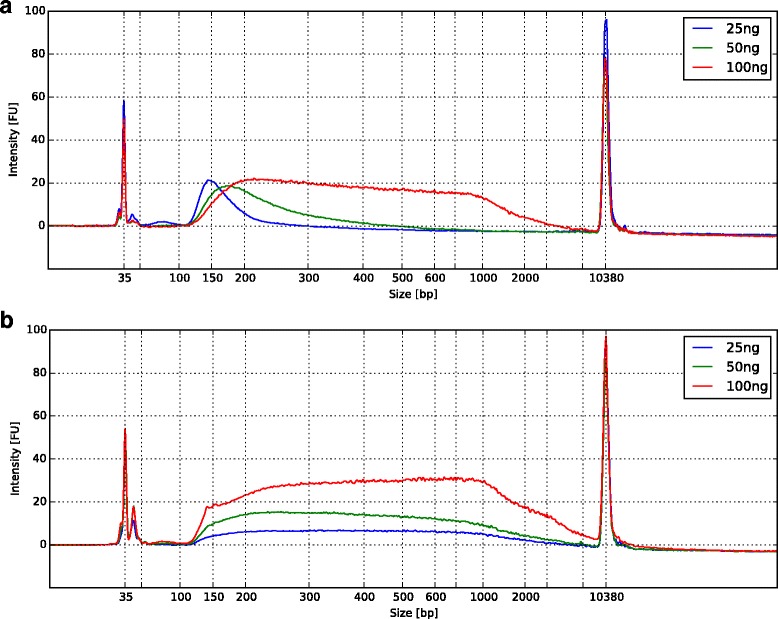
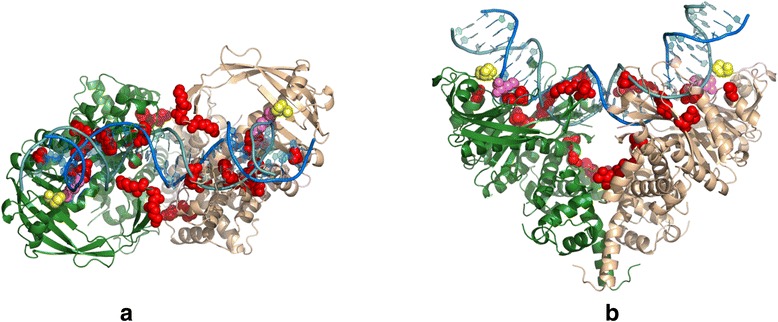
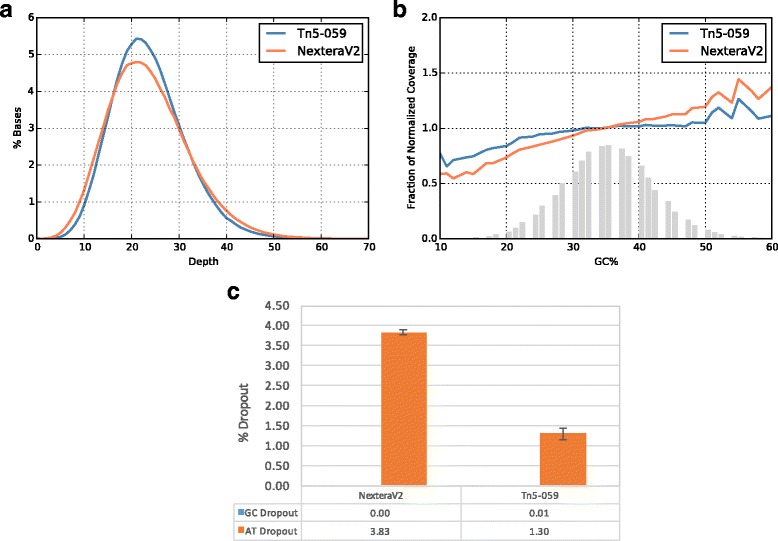
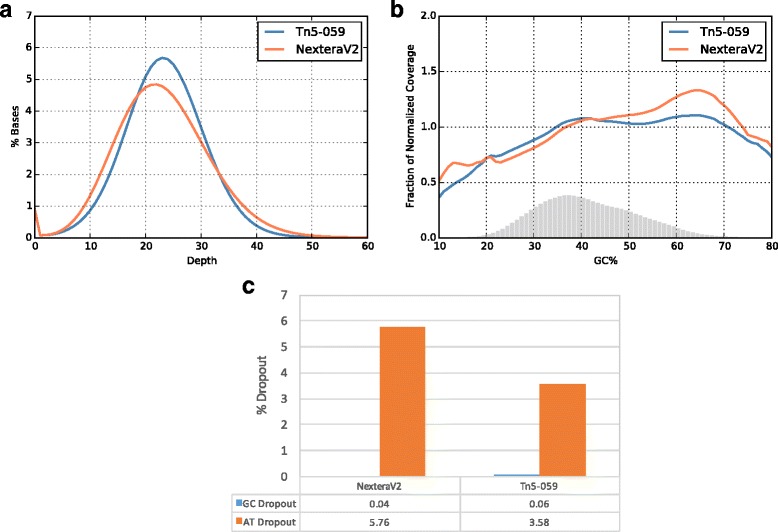
Here we present the discovery of a mutant transposase (Tn5-059) with a lowered GC insertion bias through protein engineering. We demonstrate Tn5-059 reduces AT dropout and increases uniformity of genome coverage in both bacterial genomes and human genome. We also observe higher library diversity generated by Tn5-059 when compared to Nextera v2 for human exomes, which leads to less sequencing and lower cost per genome. In addition, when used for human exomes, Tn5-059 delivers consistent library insert size over a range of input DNA, allowing up to a tenfold variance from the 50 ng input recommendation.
Enhanced DNA input tolerance of Tn5-059 can translate to flexibility and robustness of workflow. DNA input tolerance together with superior uniformity of coverage and lower AT dropouts extend the applications of transposase based library preps. We discuss possible mechanisms of improvements in Tn5-059, and potential advantages of using the new mutant in varieties of applications including microbiome sequencing and chromatin profiling.
新一代测序(NGS)通过缩短周转时间和降低成本改变了基因组研究。然而,在基于转座酶的Nextera方法发明之前,上游文库制备方法一直没有重大突破。Nextera在单管反应中结合了DNA片段化和条形码标记,因此能够在几个小时内完成从DNA文库到测序就绪状态的非常快速的工作流程。与传统的基于连接的方法相比,基于转座的Nextera存在轻微的插入偏好。
在此,我们展示了通过蛋白质工程发现的一种具有降低的GC插入偏好的突变转座酶(Tn5-059)。我们证明Tn5-059减少了AT缺失,并提高了细菌基因组和人类基因组中基因组覆盖的均匀性。我们还观察到,与用于人类外显子组的Nextera v2相比,Tn5-059产生的文库多样性更高,这导致每个基因组的测序量减少和成本降低。此外,当用于人类外显子组时,Tn5-059在一系列输入DNA上提供一致的文库插入片段大小,允许输入DNA与50 ng的推荐量有高达10倍的差异。
Tn5-059增强的DNA输入耐受性可转化为工作流程的灵活性和稳健性。DNA输入耐受性以及卓越的覆盖均匀性和更低的AT缺失扩展了基于转座酶的文库制备的应用。我们讨论了Tn5-059改进的可能机制,以及在包括微生物组测序和染色质分析等各种应用中使用这种新突变体的潜在优势。