Zhao Dongming, Liang Libin, Wang Shuai, Nakao Tomomi, Li Yanbing, Liu Liling, Guan Yuntao, Fukuyama Satoshi, Bu Zhigao, Kawaoka Yoshihiro, Chen Hualan
State Key Laboratory of Veterinary Biotechnology, Harbin Veterinary Research Institute, Chinese Academy of Agricultural Sciences, Harbin, People's Republic of China.
Division of Virology, Department of Microbiology and Immunology, Institute of Medical Science, University of Tokyo, Tokyo, Japan.
J Virol. 2017 Mar 13;91(7). doi: 10.1128/JVI.02215-16. Print 2017 Apr 1.
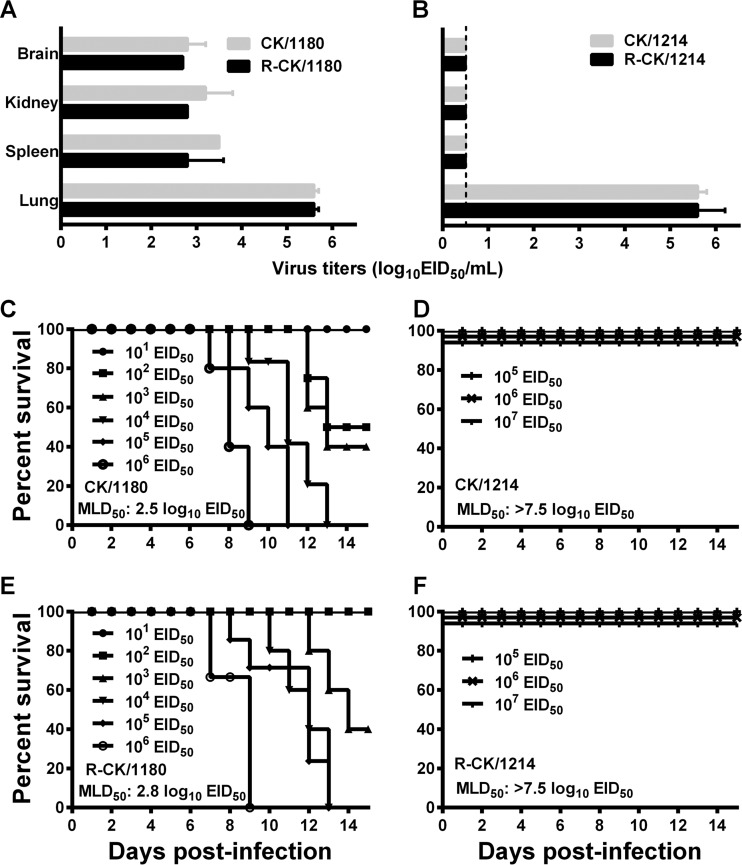
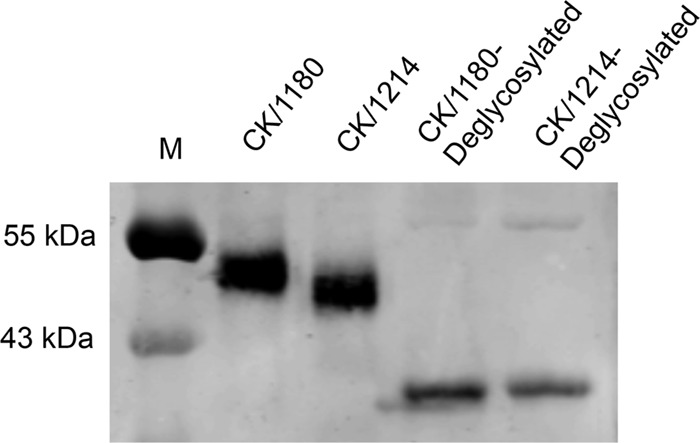
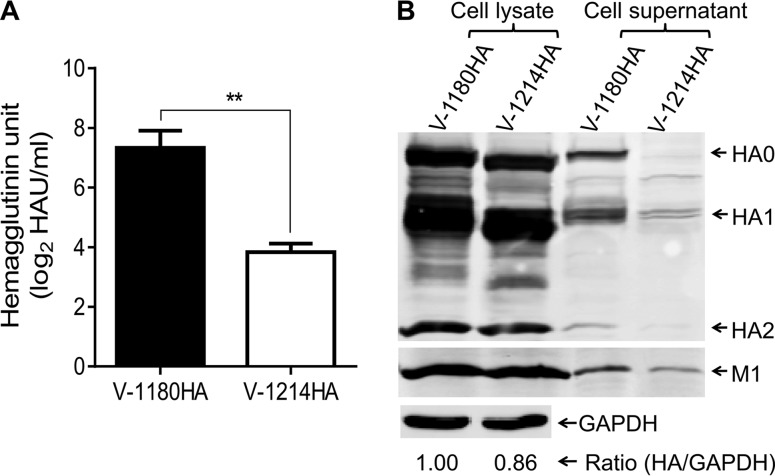
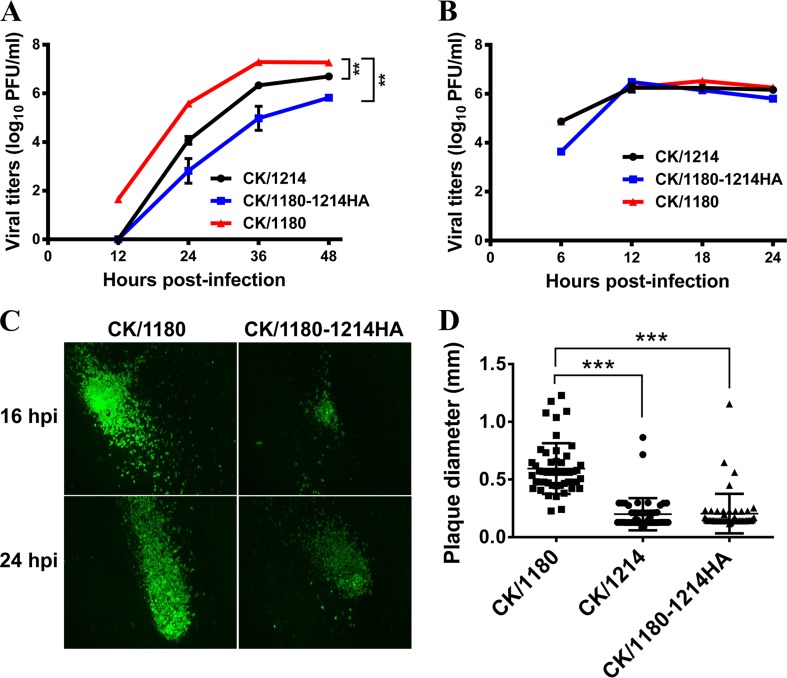
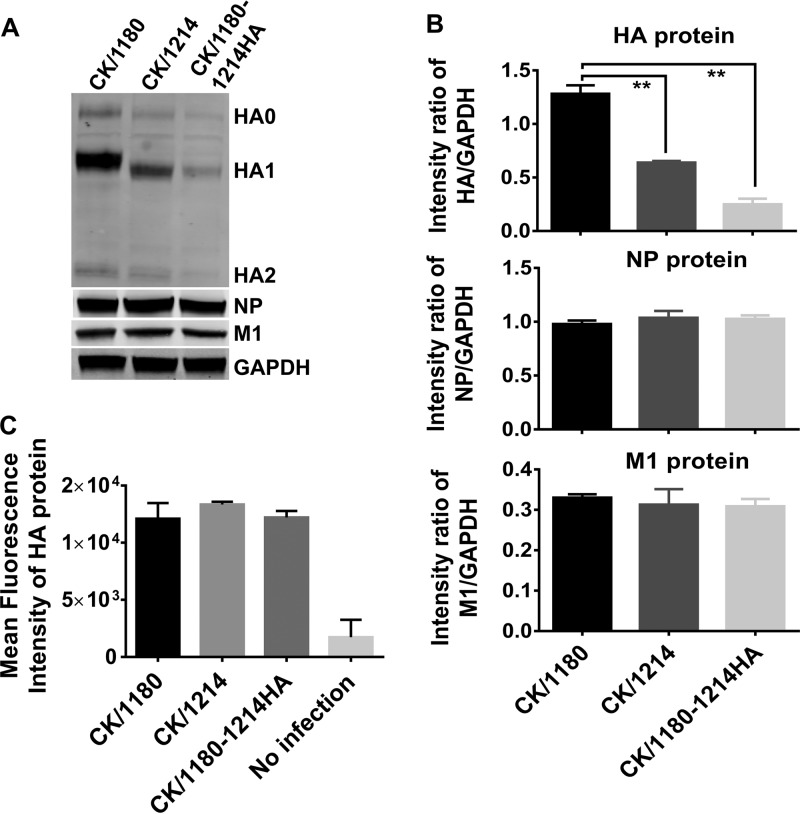
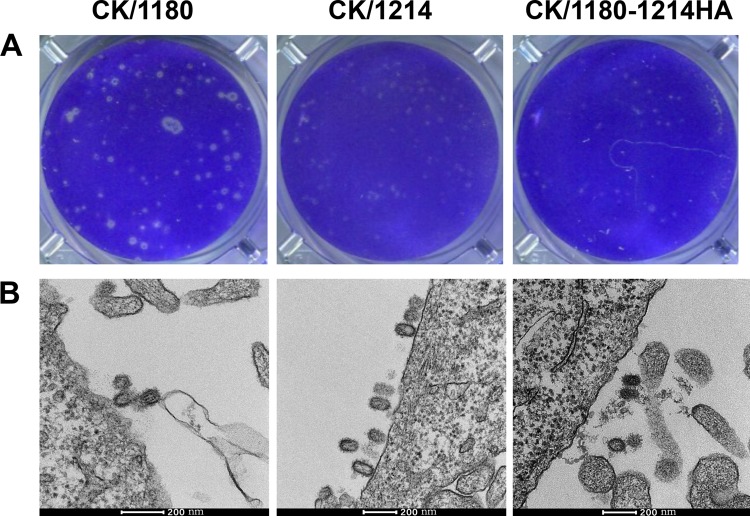
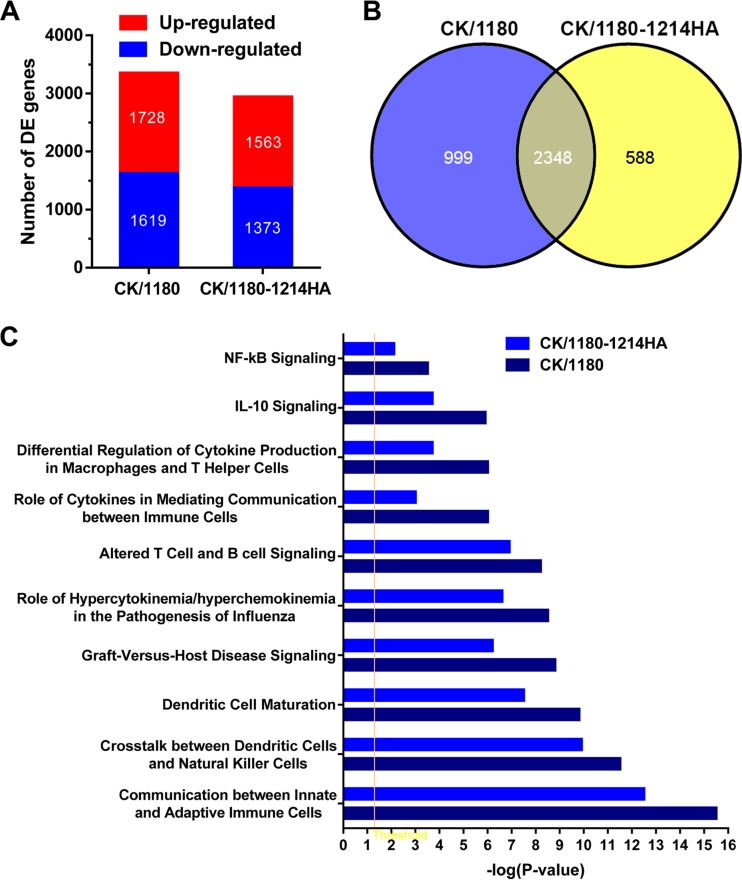
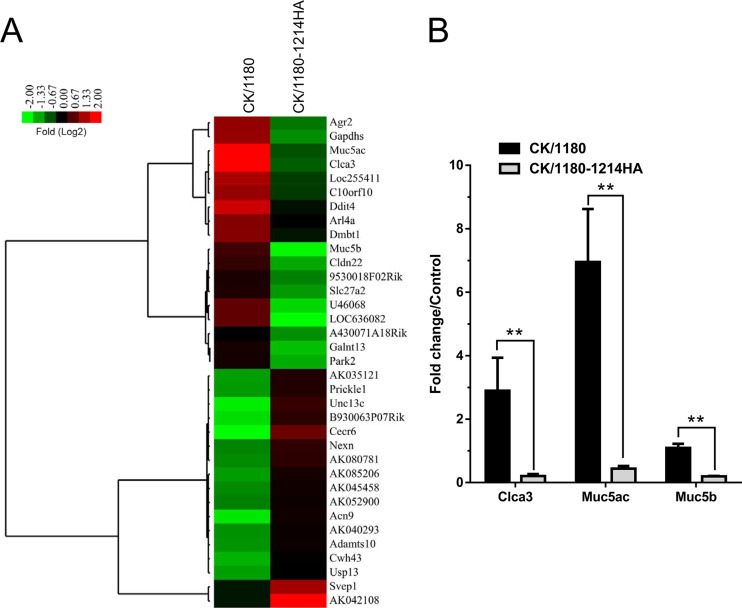
The highly pathogenic avian influenza (HPAI) H5N1 viruses continue to circulate in nature and threaten public health. Although several viral determinants and host factors that influence the virulence of HPAI H5N1 viruses in mammals have been identified, the detailed molecular mechanism remains poorly defined and requires further clarification. In our previous studies, we characterized two naturally isolated HPAI H5N1 viruses that had similar viral genomes but differed substantially in their lethality in mice. In this study, we explored the molecular determinants and potential mechanism for this difference in virulence. By using reverse genetics, we found that a single amino acid at position 158 of the hemagglutinin (HA) protein substantially affected the systemic replication and pathogenicity of these H5N1 influenza viruses in mice. We further found that the G158N mutation introduced an N-linked glycosylation at positions 158 to 160 of the HA protein and that this N-linked glycosylation enhanced viral productivity in infected mammalian cells and induced stronger host immune and inflammatory responses to viral infection. These findings further our understanding of the determinants of pathogenicity of H5N1 viruses in mammals. Highly pathogenic avian influenza (HPAI) H5N1 viruses continue to evolve in nature and threaten human health. Key mutations in the virus hemagglutinin (HA) protein or reassortment with other pandemic viruses endow HPAI H5N1 viruses with the potential for aerosol transmissibility in mammals. A thorough understanding of the pathogenic mechanisms of these viruses will help us to develop more effective control strategies; however, such mechanisms and virulent determinants for H5N1 influenza viruses have not been fully elucidated. In this study, we identified glycosylation at positions 158 to 160 of the HA protein of two naturally occurring H5N1 viruses as an important virulence determinant. This glycosylation event enhanced viral productivity, exacerbated the host response, and thereby contributed to the high pathogenicity of H5N1 virus in mice.
高致病性禽流感(HPAI)H5N1病毒继续在自然界中传播并威胁公共卫生。尽管已经确定了一些影响HPAI H5N1病毒在哺乳动物中毒力的病毒决定因素和宿主因素,但详细的分子机制仍不清楚,需要进一步阐明。在我们之前的研究中,我们对两种自然分离的HPAI H5N1病毒进行了特征描述,它们具有相似的病毒基因组,但在小鼠中的致死率却有很大差异。在本研究中,我们探讨了这种毒力差异的分子决定因素和潜在机制。通过反向遗传学,我们发现血凝素(HA)蛋白第158位的单个氨基酸对这些H5N1流感病毒在小鼠中的全身复制和致病性有显著影响。我们进一步发现,G158N突变在HA蛋白的第158至160位引入了一个N-连接糖基化,并且这种N-连接糖基化增强了病毒在受感染哺乳动物细胞中的产生能力,并诱导了对病毒感染更强的宿主免疫和炎症反应。这些发现进一步加深了我们对H5N1病毒在哺乳动物中致病性决定因素的理解。高致病性禽流感(HPAI)H5N1病毒继续在自然界中进化并威胁人类健康。病毒血凝素(HA)蛋白中的关键突变或与其他大流行病毒的重配赋予HPAI H5N1病毒在哺乳动物中通过气溶胶传播的潜力。深入了解这些病毒的致病机制将有助于我们制定更有效的控制策略;然而,H5N1流感病毒的这种机制和毒力决定因素尚未完全阐明。在本研究中,我们确定了两种自然发生的H5N1病毒HA蛋白第158至160位的糖基化是一个重要的毒力决定因素。这种糖基化事件增强了病毒的产生能力,加剧了宿主反应,从而导致H5N1病毒在小鼠中的高致病性。