Zhao Zhicheng, Qi Feng, Liu Tong, Fu Weihua
Department of General Surgery, Tianjin Medical University General Hospital, Tianjin 300052, P.R. China.
Exp Ther Med. 2016 Dec;12(6):3972-3978. doi: 10.3892/etm.2016.3867. Epub 2016 Nov 3.
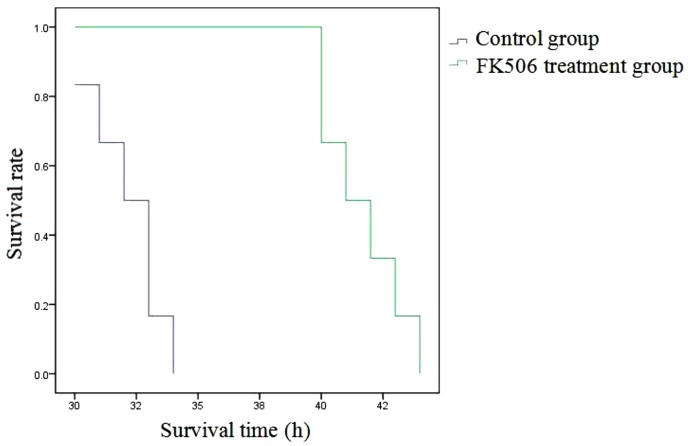
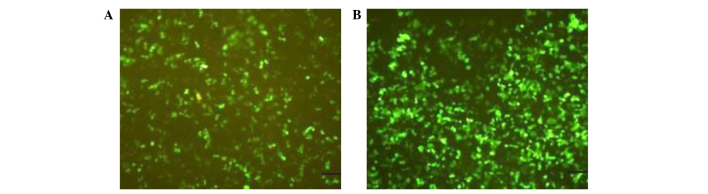
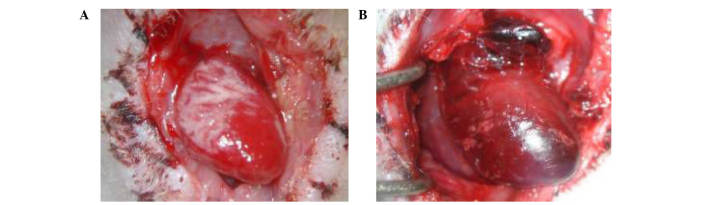
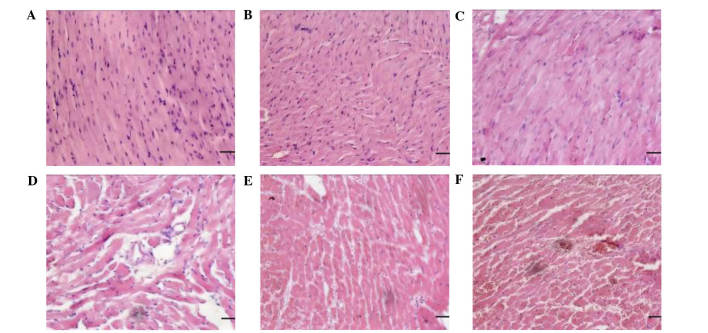
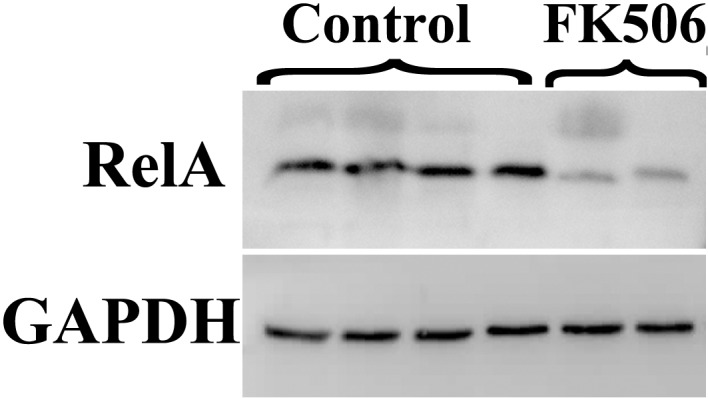
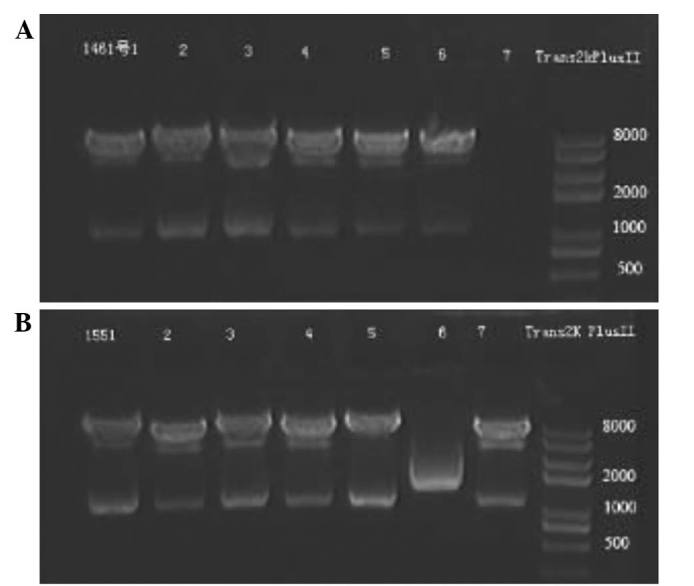
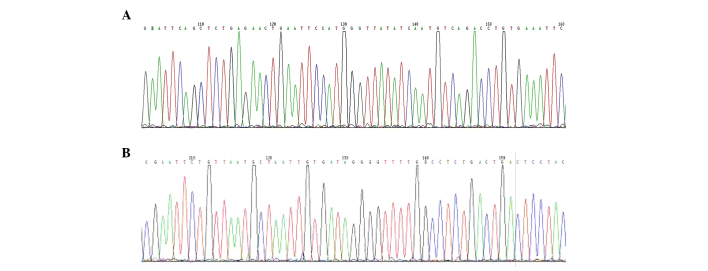
The aim of the present study was to investigate the expression levels of miR-146a and miR-155 in a cardiac xenograft model treated with the immunosuppressant FK506, and to construct lentiviral vectors to further study the roles of miR-146a and miR-155 in cardiac xenotransplantation. Expression levels of miR-146a and miR-155 were examined by quantitative polymerase chain reaction analysis and protein expression of RelA, which is a member of the nuclear factor-κB family, was examined by western blot analysis. Pre-miR-146a and pre-miR-155 fragments were designed and synthesized according to MiRBase and were cloned into the plasmid pCDH1-MCS1-EF1-copGFP. Recombinant plasmids were identified by enzyme digestion and sequencing. Survival time of cardiac grafts in the FK506 treatment group was significantly increased in comparison with the control group (P<0.05). In addition, the histopathological grading results were significantly decreased in the treatment group (P<0.05). A significant decrease in RelA protein expression levels was observed in the treatment group (P<0.05), along with a significant increase in miR-146a expression levels (P<0.05) and a significant decrease in miR-155 expression levels (P<0.05). Digestion and sequencing findings demonstrated that the insertion of miRNA into the plasmid pCDH1-MCS1-EF1-copGFP conformed with the pre-miRNAs, and the lentiviral vectors were concentrated to a titer of 5×10 IFU/ml. These findings demonstrated that FK506 is able to inhibit the rejection effect in a mouse-to-rat cardiac xenotransplantation model. FK506 treatment altered the expression levels of miR-146a and miR-155, indicating that they may have an important role in regulating the immune response to the rejection effect. miR-146a and miR-155 lentiviral vectors were successfully constructed for further experiments both and .
本研究的目的是调查免疫抑制剂FK506处理的心脏异种移植模型中miR-146a和miR-155的表达水平,并构建慢病毒载体以进一步研究miR-146a和miR-155在心脏异种移植中的作用。通过定量聚合酶链反应分析检测miR-146a和miR-155的表达水平,通过蛋白质印迹分析检测核因子κB家族成员RelA的蛋白表达。根据MiRBase设计并合成pre-miR-146a和pre-miR-155片段,并将其克隆到质粒pCDH1-MCS1-EF1-copGFP中。通过酶切和测序鉴定重组质粒。与对照组相比,FK506治疗组心脏移植物的存活时间显著延长(P<0.05)。此外,治疗组的组织病理学分级结果显著降低(P<0.05)。治疗组中观察到RelA蛋白表达水平显著降低(P<0.05),同时miR-146a表达水平显著升高(P<0.05),miR-155表达水平显著降低(P<0.05)。酶切和测序结果表明,miRNA插入质粒pCDH1-MCS1-EF1-copGFP与pre-miRNAs相符,慢病毒载体浓缩至滴度为5×10 IFU/ml。这些结果表明,FK506能够抑制小鼠到大鼠心脏异种移植模型中的排斥反应。FK506处理改变了miR-146a和miR-155的表达水平,表明它们可能在调节对排斥反应的免疫应答中起重要作用。成功构建了miR-146a和miR-155慢病毒载体,用于进一步的实验。