Ward Marie, McAuliffe Eilish, Wakai Abel, Geary Una, Browne John, Deasy Conor, Schull Michael, Boland Fiona, McDaid Fiona, Coughlan Eoin, O'Sullivan Ronan
School of Nursing, Midwifery and Health Systems, College of Health Sciences, University College Dublin, Belfield, Dublin 4, Ireland.
Emergency Care Research Unit (ECRU), Division of Population Health Sciences (PHS), Royal College of Surgeons in Ireland (RCSI), Dublin 2, Ireland.
BMC Health Serv Res. 2017 Jan 23;17(1):67. doi: 10.1186/s12913-017-2014-9.
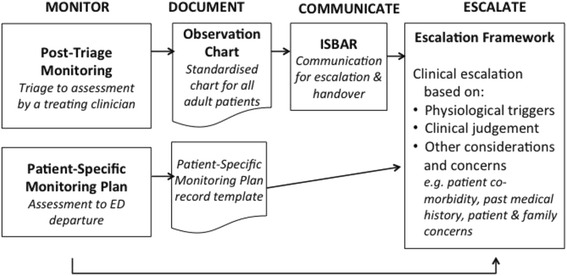
Early detection of patient deterioration is a key element of patient safety as it allows timely clinical intervention and potential rescue, thus reducing the risks of serious patient safety incidents. Longitudinal patient monitoring systems have been widely recommended for use to detect clinical deterioration. However, there is conflicting evidence on whether they improve patient outcomes. This may in part be related to variation in the rigour with which they are implemented and evaluated. This study aims to evaluate the implementation and effectiveness of a longitudinal patient monitoring system designed for adult patients in the unique environment of the Emergency Department (ED).
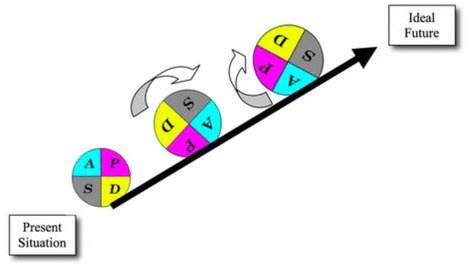
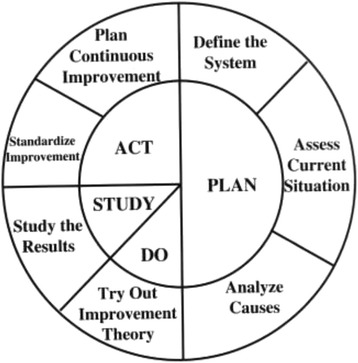
A novel participatory action research (PAR) approach is taken where socio-technical systems (STS) theory and analysis informs the implementation through the improvement methodology of 'Plan Do Study Act' (PDSA) cycles. We hypothesise that conducting an STS analysis of the ED before beginning the PDSA cycles will provide for a much richer understanding of the current situation and possible challenges to implementing the ED-specific longitudinal patient monitoring system. This methodology will enable both a process and an outcome evaluation of implementing the ED-specific longitudinal patient monitoring system. Process evaluations can help distinguish between interventions that have inherent faults and those that are badly executed.
Over 1.2 million patients attend EDs annually in Ireland; the successful implementation of an ED-specific longitudinal patient monitoring system has the potential to affect the care of a significant number of such patients. To the best of our knowledge, this is the first study combining PAR, STS and multiple PDSA cycles to evaluate the implementation of an ED-specific longitudinal patient monitoring system and to determine (through process and outcome evaluation) whether this system can significantly improve patient outcomes by early detection and appropriate intervention for patients at risk of clinical deterioration.
早期发现患者病情恶化是患者安全的关键要素,因为它能使临床干预及时进行并实现潜在的救治,从而降低严重患者安全事件的风险。纵向患者监测系统已被广泛推荐用于检测临床病情恶化。然而,关于它们是否能改善患者预后,证据存在冲突。这可能部分与它们实施和评估的严格程度差异有关。本研究旨在评估在急诊科(ED)独特环境中为成年患者设计的纵向患者监测系统的实施情况和有效性。
采用一种新颖的参与式行动研究(PAR)方法,其中社会技术系统(STS)理论和分析通过“计划 - 执行 - 研究 - 行动”(PDSA)循环的改进方法为实施提供信息。我们假设在开始PDSA循环之前对急诊科进行STS分析,将能更深入地了解当前情况以及实施针对急诊科的纵向患者监测系统可能面临的挑战。这种方法将能够对实施针对急诊科的纵向患者监测系统进行过程和结果评估。过程评估有助于区分存在固有缺陷的干预措施和执行不力的干预措施。
爱尔兰每年有超过120万患者前往急诊科就诊;成功实施针对急诊科的纵向患者监测系统有可能影响大量此类患者的护理。据我们所知,这是第一项将PAR、STS和多个PDSA循环相结合的研究,旨在评估针对急诊科的纵向患者监测系统的实施情况,并通过过程和结果评估确定该系统是否能通过对有临床病情恶化风险的患者进行早期检测和适当干预来显著改善患者预后。