a Department of Bioengineering , Rice University , Houston , TX , USA.
b Fischell Department of Bioengineering , University of Maryland , College Park , MD , USA.
J Biomater Sci Polym Ed. 2017 Apr;28(6):532-554. doi: 10.1080/09205063.2017.1286184. Epub 2017 Feb 5.
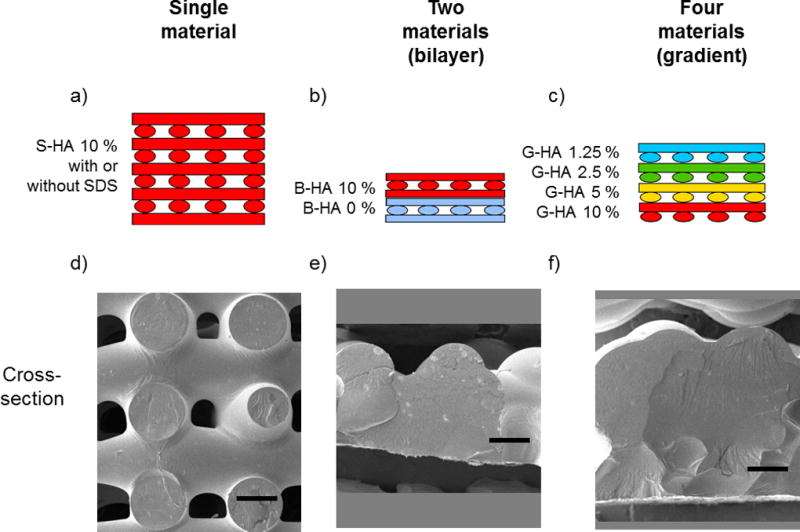
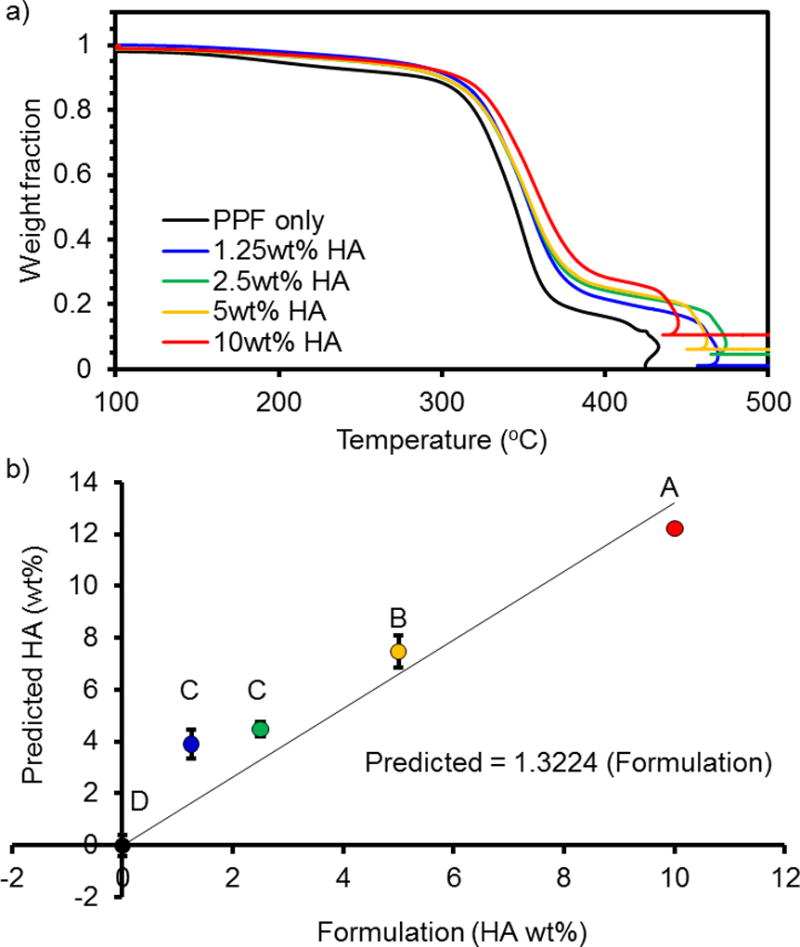
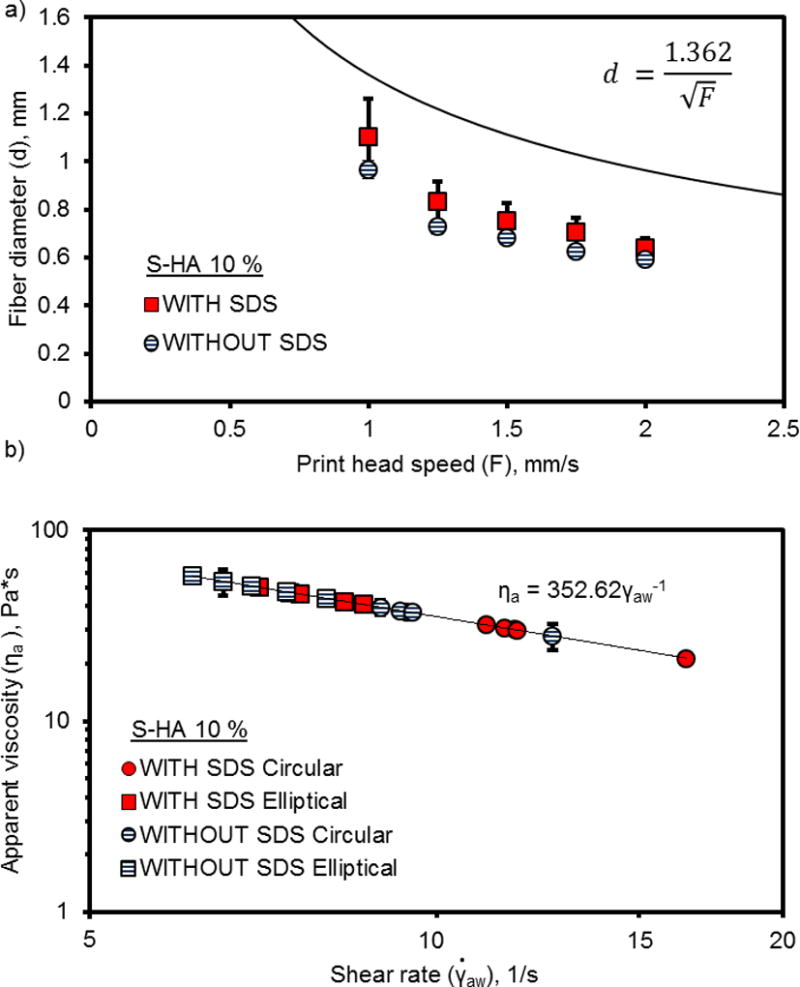
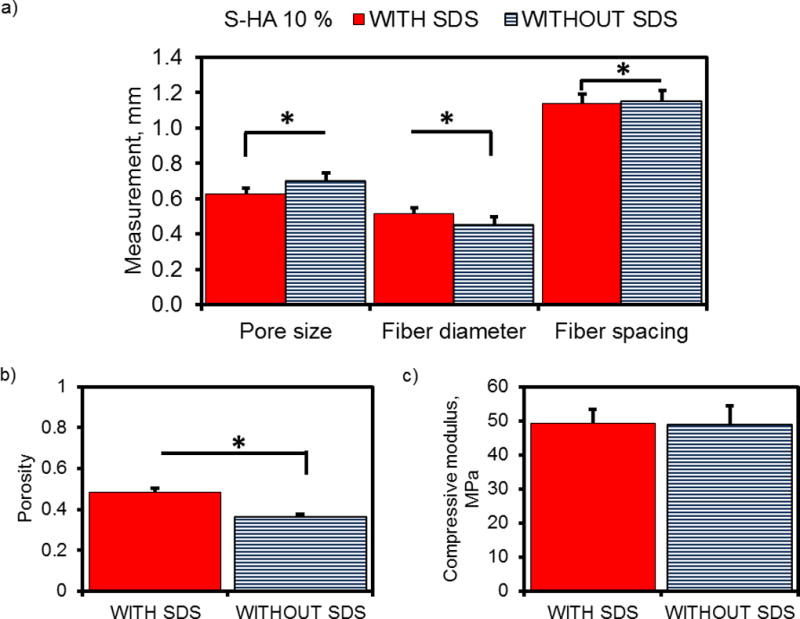
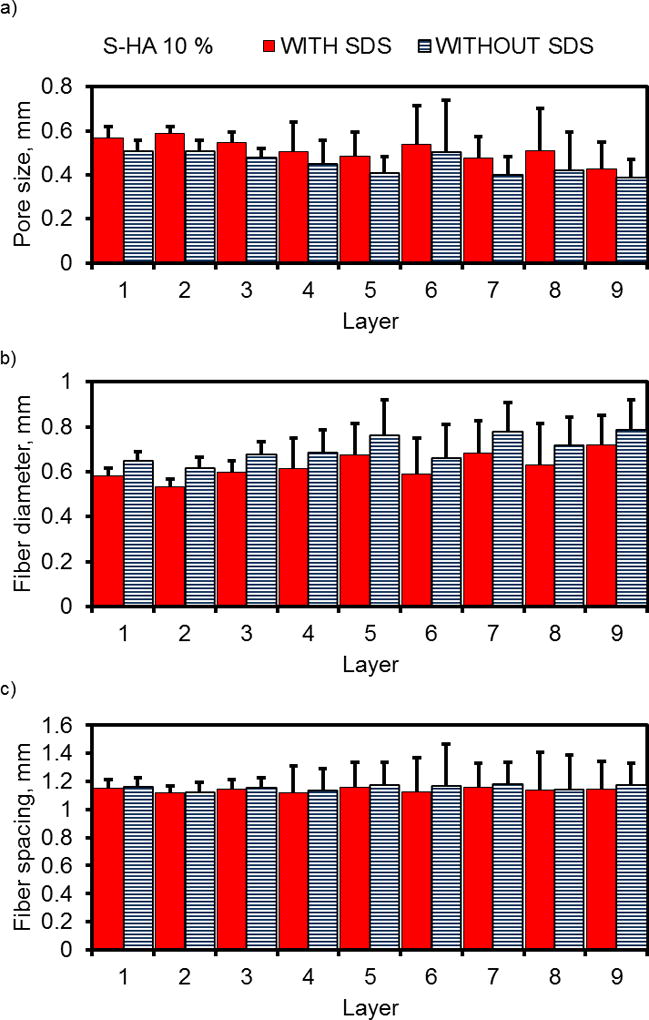
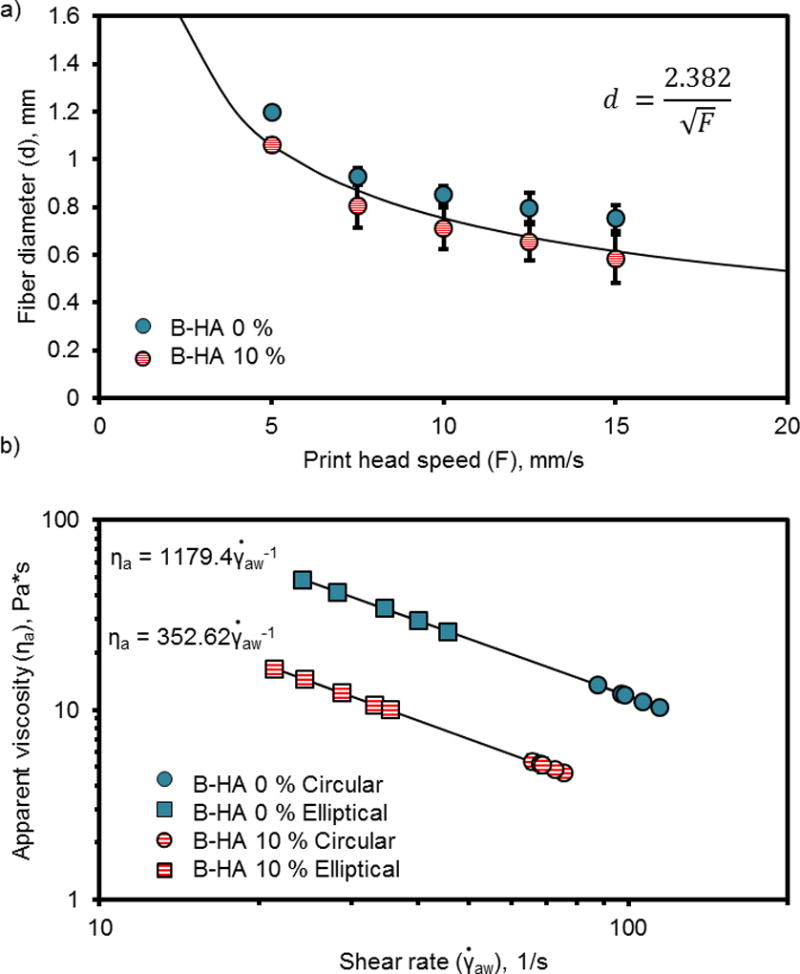
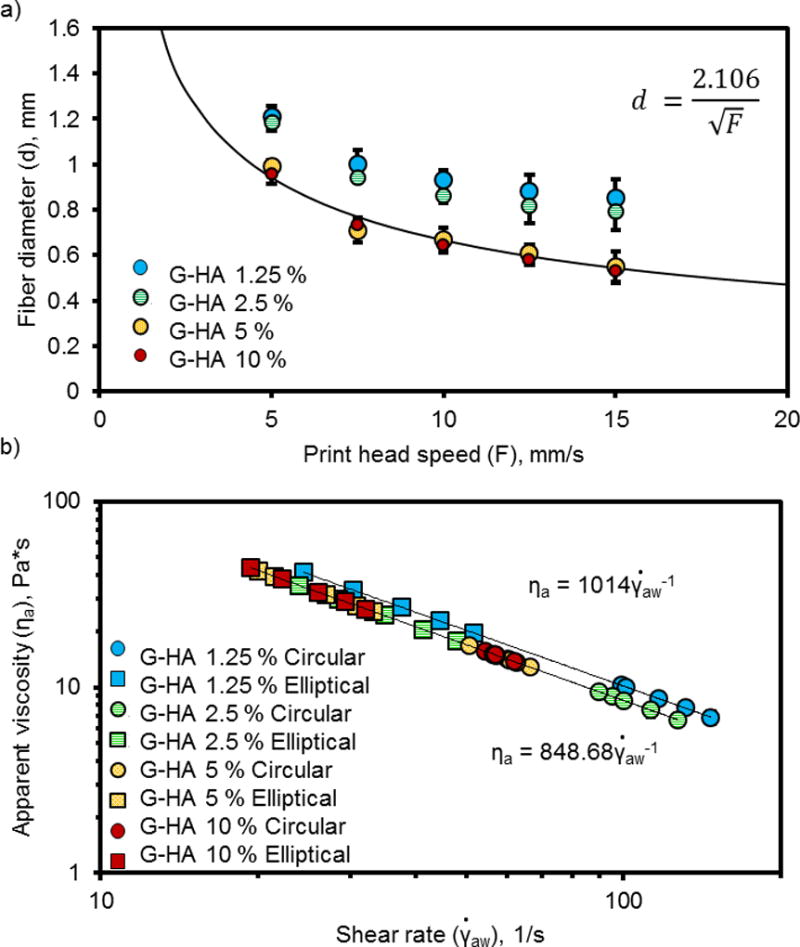
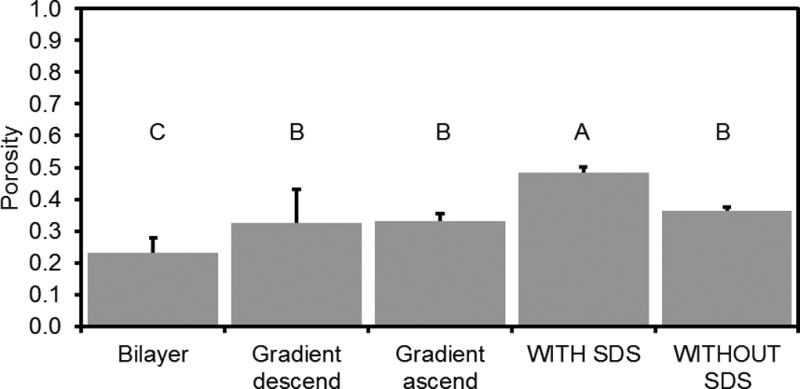
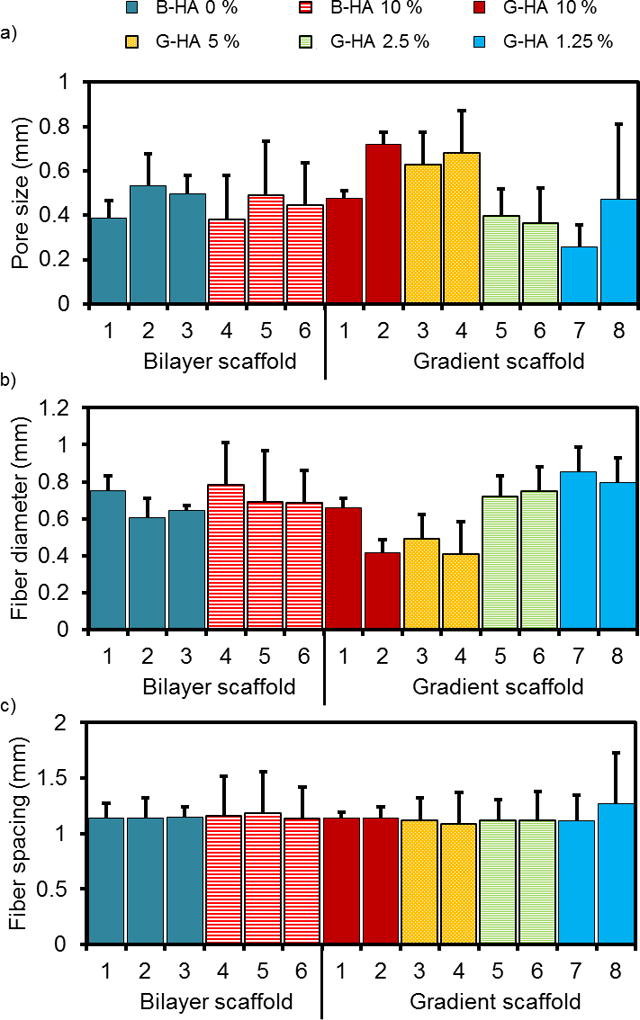
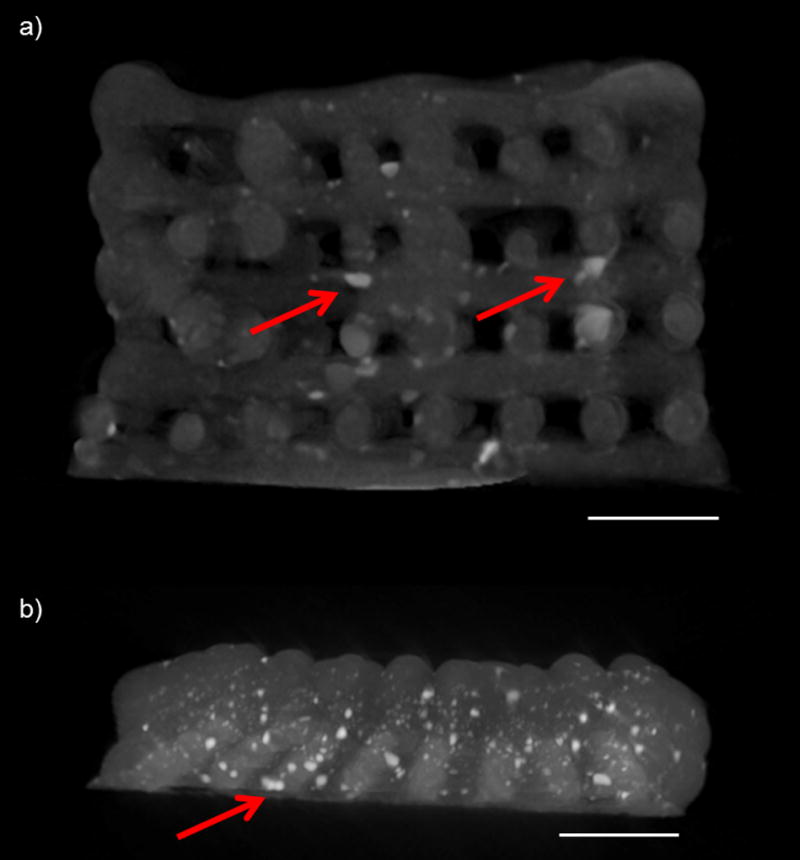
The primary focus of this work is to present the current challenges of printing scaffolds with concentration gradients of nanoparticles with an aim to improve the processing of these scaffolds. Furthermore, we address how print fidelity is related to material composition and emphasize the importance of considering this relationship when developing complex scaffolds for bone implants. The ability to create complex tissues is becoming increasingly relevant in the tissue engineering community. For bone tissue engineering applications, this work demonstrates the ability to use extrusion-based printing techniques to control the spatial deposition of hydroxyapatite (HA) nanoparticles in a 3D composite scaffold. In doing so, we combined the benefits of synthetic, degradable polymers, such as poly(propylene fumarate) (PPF), with osteoconductive HA nanoparticles that provide robust compressive mechanical properties. Furthermore, the final 3D printed scaffolds consisted of well-defined layers with interconnected pores, two critical features for a successful bone implant. To demonstrate a controlled gradient of HA, thermogravimetric analysis was carried out to quantify HA on a per-layer basis. Moreover, we non-destructively evaluated the tendency of HA particles to aggregate within PPF using micro-computed tomography (μCT). This work provides insight for proper fabrication and characterization of composite scaffolds containing particle gradients and has broad applicability for future efforts in fabricating complex scaffolds for tissue engineering applications.
这项工作的主要重点是展示当前打印具有纳米粒子浓度梯度的支架所面临的挑战,旨在改进这些支架的处理方法。此外,我们还探讨了打印精度与材料组成的关系,并强调在为骨植入物开发复杂支架时考虑这种关系的重要性。
在组织工程领域,制造复杂组织的能力变得越来越重要。对于骨组织工程应用,本工作展示了使用基于挤出的打印技术来控制 3D 复合支架中羟磷灰石(HA)纳米粒子的空间沉积的能力。通过这种方式,我们将合成可降解聚合物(如聚(富马酸丙烯酯)(PPF))的优势与具有骨传导性的 HA 纳米粒子结合在一起,后者提供了强大的抗压机械性能。此外,最终的 3D 打印支架由具有相互连接孔的定义明确的层组成,这是成功的骨植入物的两个关键特征。为了证明 HA 的可控梯度,进行了热重分析以按层定量 HA。此外,我们使用微计算机断层扫描(μCT)非破坏性地评估了 PPF 内 HA 颗粒聚集的趋势。
这项工作为包含颗粒梯度的复合支架的正确制造和特性提供了深入的了解,并且为将来在组织工程应用中制造复杂支架的努力具有广泛的适用性。