Monteys Alex Mas, Ebanks Shauna A, Keiser Megan S, Davidson Beverly L
Raymond G. Perelman Center for Cellular and Molecular Therapeutics, The Children's Hospital of Philadelphia, Philadelphia, PA 19104, USA.
Raymond G. Perelman Center for Cellular and Molecular Therapeutics, The Children's Hospital of Philadelphia, Philadelphia, PA 19104, USA.
Mol Ther. 2017 Jan 4;25(1):12-23. doi: 10.1016/j.ymthe.2016.11.010.
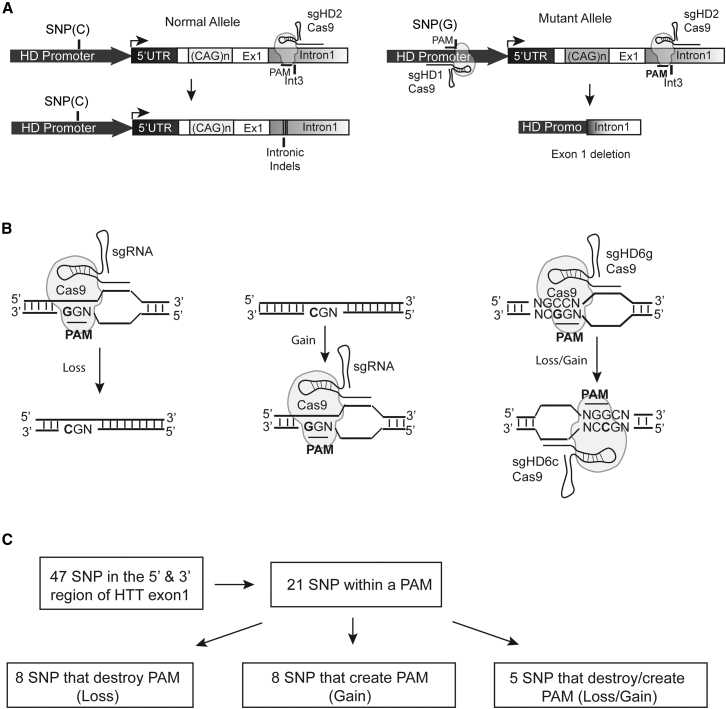
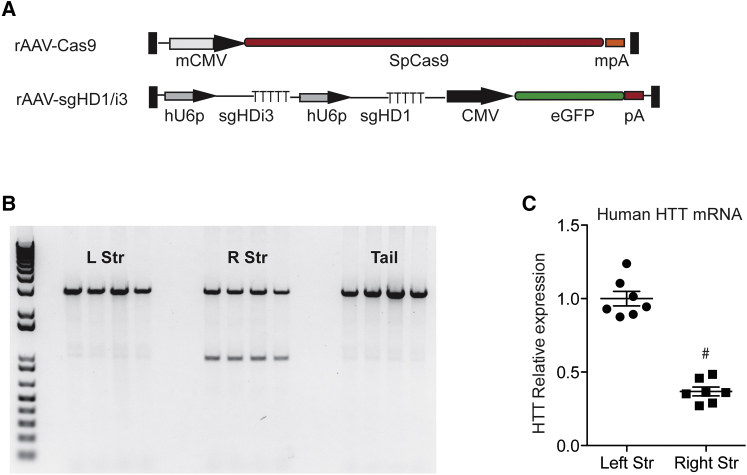
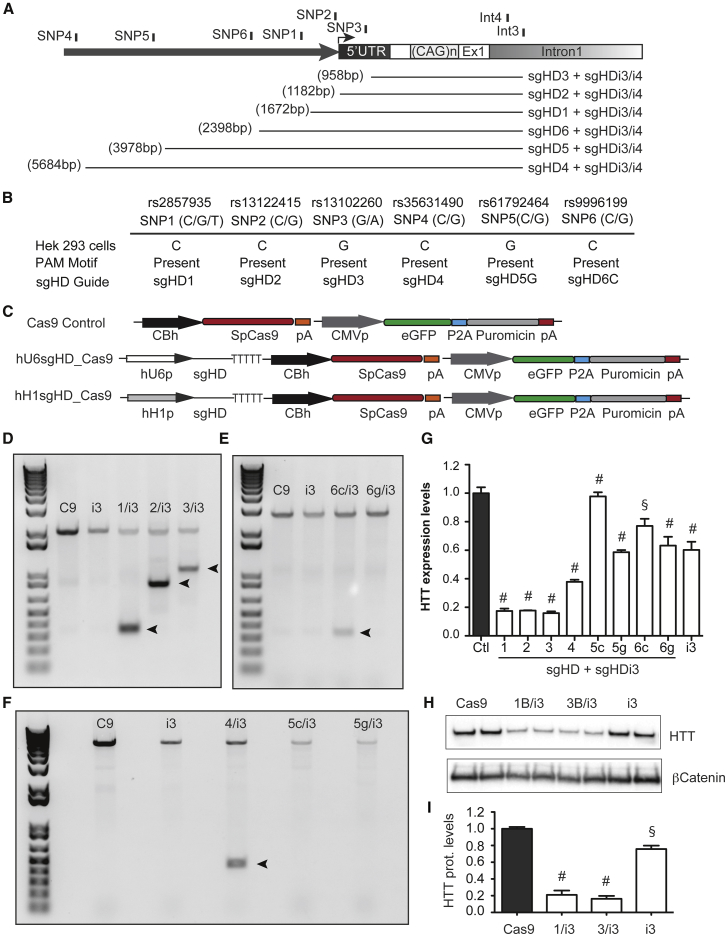
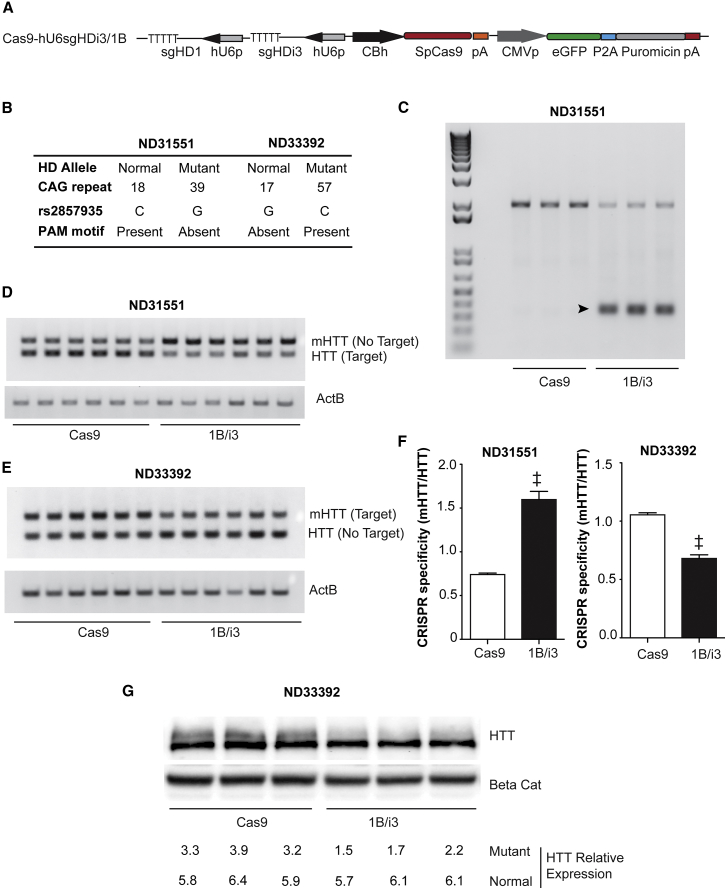
Huntington disease (HD) is a fatal dominantly inherited neurodegenerative disorder caused by CAG repeat expansion (>36 repeats) within the first exon of the huntingtin gene. Although mutant huntingtin (mHTT) is ubiquitously expressed, the brain shows robust and early degeneration. Current RNA interference-based approaches for lowering mHTT expression have been efficacious in mouse models, but basal mutant protein levels are still detected. To fully mitigate expression from the mutant allele, we hypothesize that allele-specific genome editing can occur via prevalent promoter-resident SNPs in heterozygosity with the mutant allele. Here, we identified SNPs that either cause or destroy PAM motifs critical for CRISPR-selective editing of one allele versus the other in cells from HD patients and in a transgenic HD model harboring the human allele.
亨廷顿舞蹈症(HD)是一种致命的常染色体显性遗传神经退行性疾病,由亨廷顿基因第一外显子内的CAG重复序列扩增(>36次重复)引起。尽管突变型亨廷顿蛋白(mHTT)在全身广泛表达,但大脑却表现出强烈且早期的退化。目前基于RNA干扰降低mHTT表达的方法在小鼠模型中已取得成效,但仍能检测到基础突变蛋白水平。为了完全抑制突变等位基因的表达,我们推测等位基因特异性基因组编辑可通过与突变等位基因杂合的常见启动子驻留单核苷酸多态性(SNP)来实现。在此,我们在携带人类等位基因的HD患者细胞和转基因HD模型中,鉴定出了一些SNP,这些SNP要么导致要么破坏了对一个等位基因与另一个等位基因进行CRISPR选择性编辑至关重要的PAM基序。