Centre for Rheumatology, Division of Medicine, University College London, WC1E 6JF London, UK.
Sci Rep. 2017 Feb 7;7:42204. doi: 10.1038/srep42204.
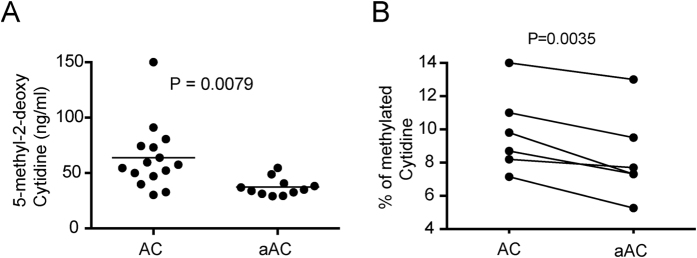
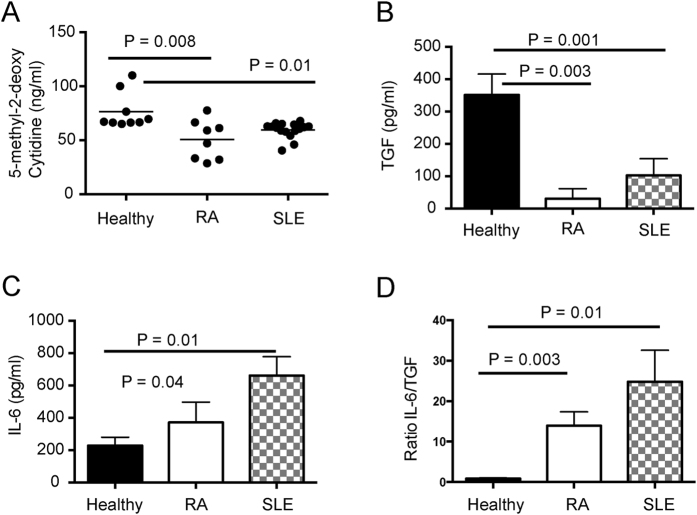
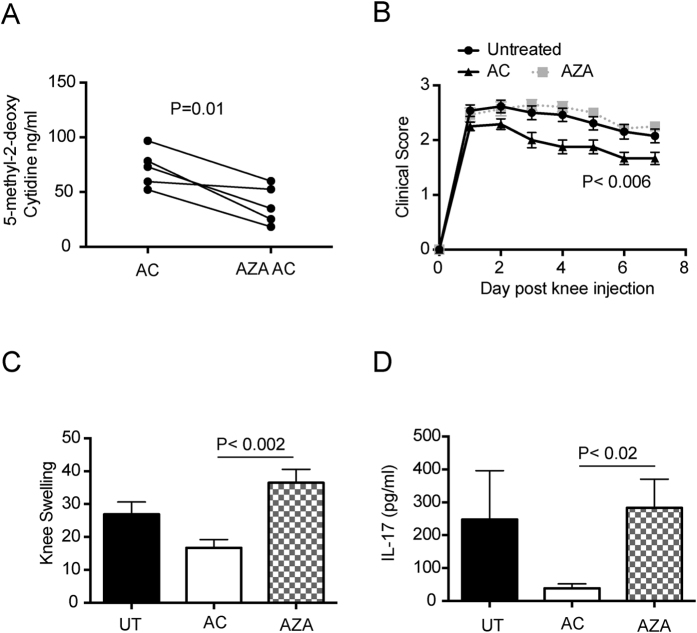
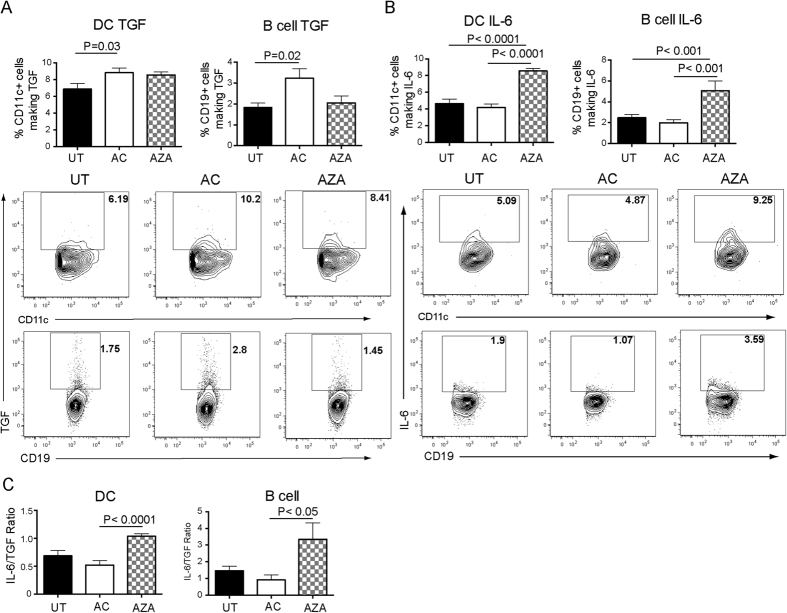
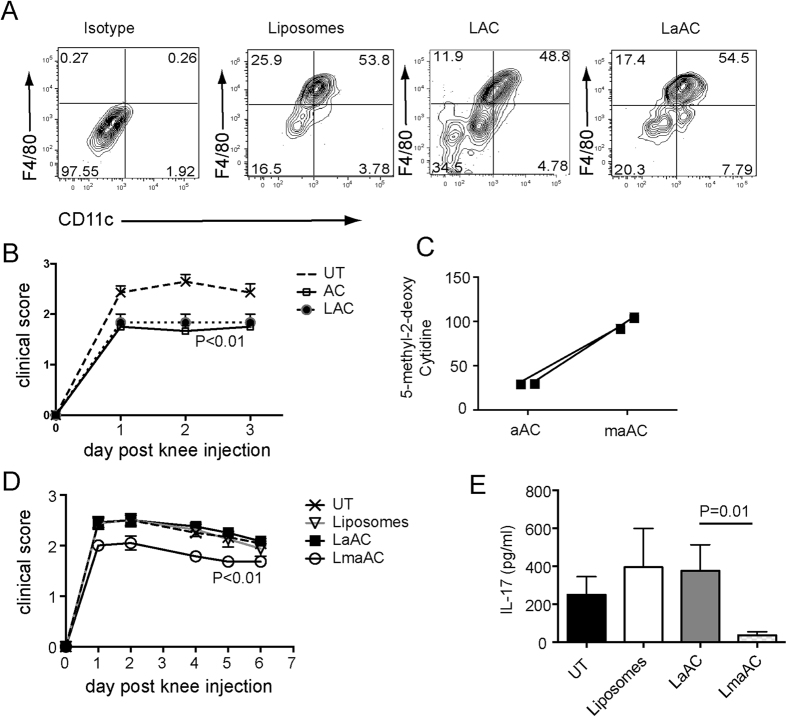
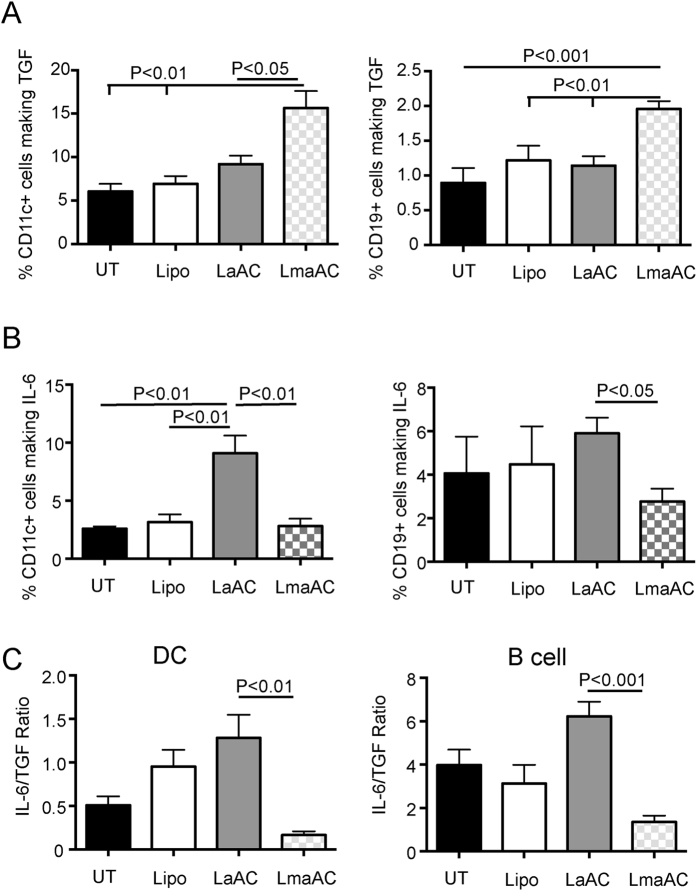
Efficient clearance of apoptotic cells (AC) is pivotal in preventing autoimmunity and is a potent immunosuppressive stimulus. However, activation of cells prior to apoptosis abolishes their immunoregulatory properties. Here we show using the antigen-induced model of arthritis that the degree of DNA methylation within AC confers their immunomodulatory plasticity. DNA isolated from resting and activated AC mimicked their respective immune effects. Demethylation of DNA abrogated the protective effect of AC whereas remethylation of AC DNA reversed the effects of activation and restored the ability to inhibit inflammation. Disease suppression or lack thereof was associated with TGFβ and IL-6 production respectively. Apoptotic CD4 T cells from patients with rheumatoid arthritis and systemic lupus erythematosus were demethylated compared to healthy controls and favoured production of IL-6 when cultured with healthy macrophages, in contrast to the TGFβ produced in response to healthy AC. Our data implicate AC DNA methylation as the molecular switch that imprints their regulatory properties.
高效清除凋亡细胞(AC)对于防止自身免疫至关重要,并且是一种有效的免疫抑制刺激。然而,凋亡前细胞的激活会破坏其免疫调节特性。在这里,我们使用关节炎的抗原诱导模型表明,AC 内的 DNA 甲基化程度赋予了它们免疫调节的可塑性。来自静止和激活的 AC 的分离 DNA 模拟了它们各自的免疫作用。DNA 的去甲基化消除了 AC 的保护作用,而 AC DNA 的再甲基化则逆转了激活的作用,并恢复了抑制炎症的能力。疾病的抑制或缺乏分别与 TGFβ 和 IL-6 的产生有关。与健康对照组相比,类风湿关节炎和系统性红斑狼疮患者的凋亡 CD4 T 细胞发生了去甲基化,并且与对健康 AC 作出的 TGFβ 反应相反,当与健康巨噬细胞共培养时,有利于 IL-6 的产生。我们的数据表明,AC DNA 甲基化为赋予其调节特性的分子开关。