Giordano James, Bikson Marom, Kappenman Emily S, Clark Vincent P, Coslett H Branch, Hamblin Michael R, Hamilton Roy, Jankord Ryan, Kozumbo Walter J, McKinley R Andrew, Nitsche Michael A, Reilly J Patrick, Richardson Jessica, Wurzman Rachel, Calabrese Edward
Department of Neurology and Biochemistry, Neuroethics Studies Program, Pellegrino Center for Clinical Bioethics, Georgetown University Medical Center, Washington, DC, USA.
Biomedical Engineering, City College of New York, CUNY, New York, NY, USA.
Dose Response. 2017 Feb 9;15(1):1559325816685467. doi: 10.1177/1559325816685467. eCollection 2017 Jan-Mar.
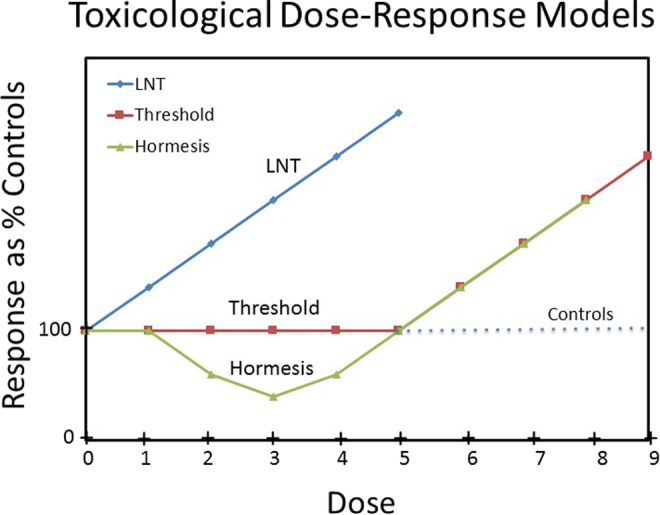
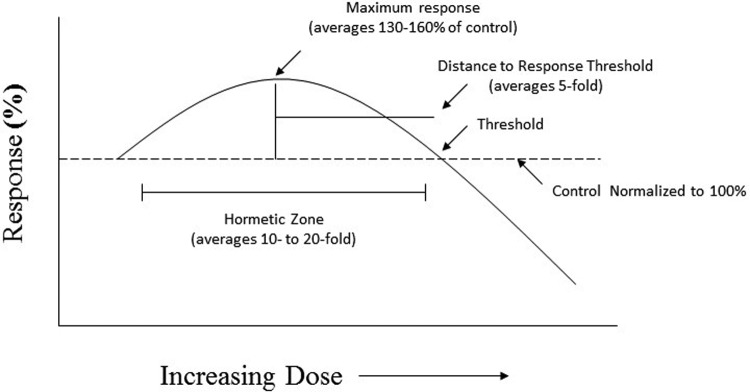
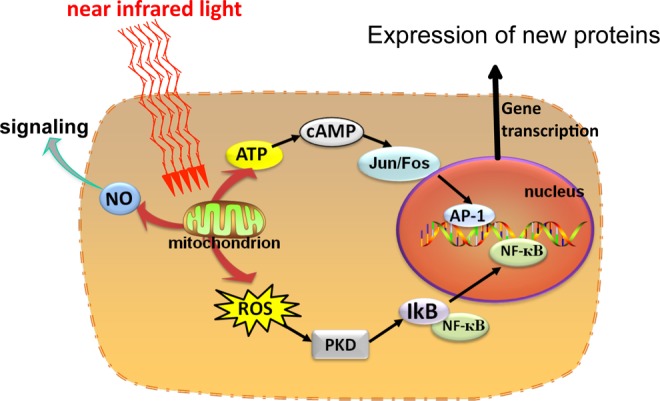
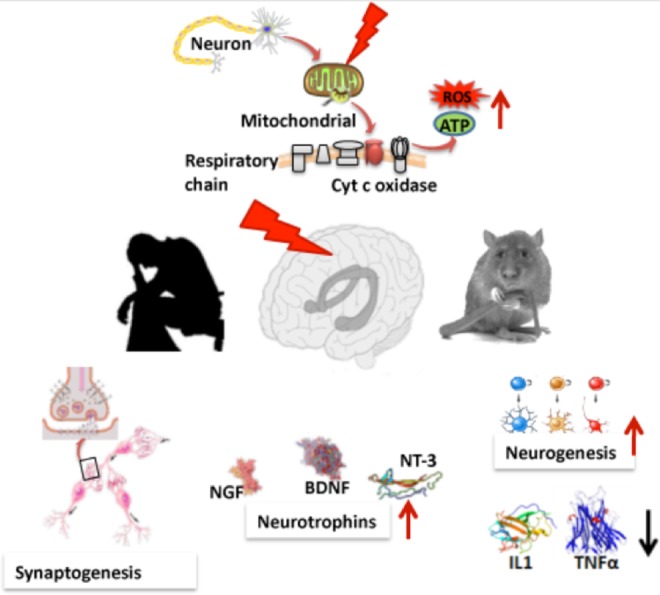
The US Air Force Office of Scientific Research convened a meeting of researchers in the fields of neuroscience, psychology, engineering, and medicine to discuss most pressing issues facing ongoing research in the field of transcranial direct current stimulation (tDCS) and related techniques. In this study, we present opinions prepared by participants of the meeting, focusing on the most promising areas of research, immediate and future goals for the field, and the potential for hormesis theory to inform tDCS research. Scientific, medical, and ethical considerations support the ongoing testing of tDCS in healthy and clinical populations, provided best protocols are used to maximize safety. Notwithstanding the need for ongoing research, promising applications include enhancing vigilance/attention in healthy volunteers, which can accelerate training and support learning. Commonly, tDCS is used as an adjunct to training/rehabilitation tasks with the goal of leftward shift in the learning/treatment effect curves. Although trials are encouraging, elucidating the basic mechanisms of tDCS will accelerate validation and adoption. To this end, biomarkers (eg, clinical neuroimaging and findings from animal models) can support hypotheses linking neurobiological mechanisms and behavioral effects. Dosage can be optimized using computational models of current flow and understanding dose-response. Both biomarkers and dosimetry should guide individualized interventions with the goal of reducing variability. Insights from other applied energy domains, including ionizing radiation, transcranial magnetic stimulation, and low-level laser (light) therapy, can be prudently leveraged.
美国空军科学研究办公室召集了神经科学、心理学、工程学和医学领域的研究人员开会,讨论经颅直流电刺激(tDCS)及相关技术领域当前研究面临的最紧迫问题。在本研究中,我们展示了会议参与者准备的观点,重点关注最有前景的研究领域、该领域当前及未来的目标,以及兴奋效应理论为tDCS研究提供信息的潜力。科学、医学和伦理方面的考量支持在健康人群和临床人群中持续开展tDCS测试,前提是使用最佳方案以最大限度地提高安全性。尽管仍需进行持续研究,但有前景的应用包括提高健康志愿者的警觉性/注意力,这可以加速训练并支持学习。通常,tDCS被用作训练/康复任务的辅助手段,目标是使学习/治疗效果曲线向左移动。尽管试验结果令人鼓舞,但阐明tDCS的基本机制将加速其验证和应用。为此,生物标志物(如临床神经影像学和动物模型的研究结果)可以支持将神经生物学机制与行为效应联系起来的假设。可以使用电流计算模型并理解剂量反应来优化剂量。生物标志物和剂量测定都应以减少变异性为目标指导个性化干预。可以谨慎利用其他应用能量领域的见解,包括电离辐射、经颅磁刺激和低强度激光(光)疗法。