Liu Wenxian, Xiong Conghui, Yan Longfeng, Zhang Zhengshe, Ma Lichao, Wang Yanrong, Liu Yajie, Liu Zhipeng
State Key Laboratory of Grassland Agro-ecosystems, College of Pastoral Agriculture Science and Technology, Lanzhou University Lanzhou, China.
Key Laboratory of Mineral Resources in Western China (Gansu Province), School of Earth Sciences, Lanzhou University Lanzhou, China.
Front Plant Sci. 2017 Feb 2;8:26. doi: 10.3389/fpls.2017.00026. eCollection 2017.
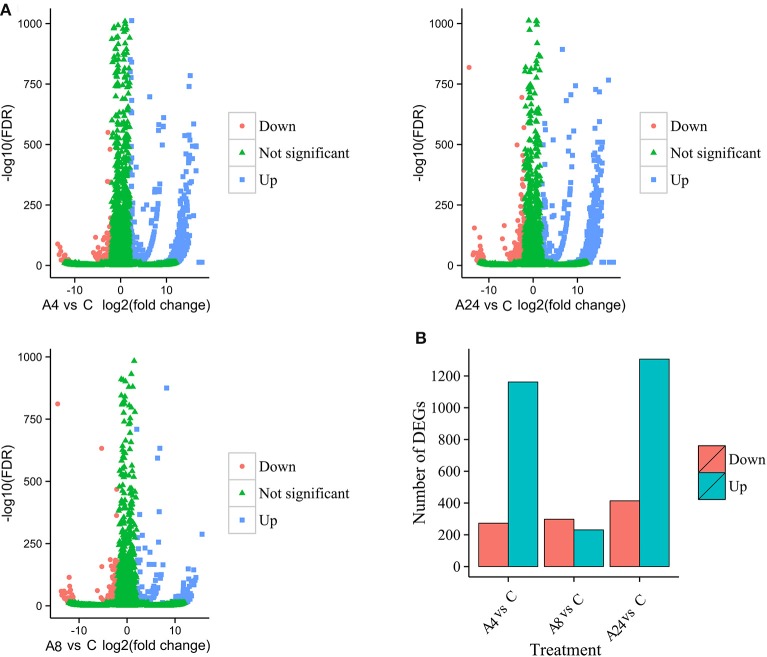
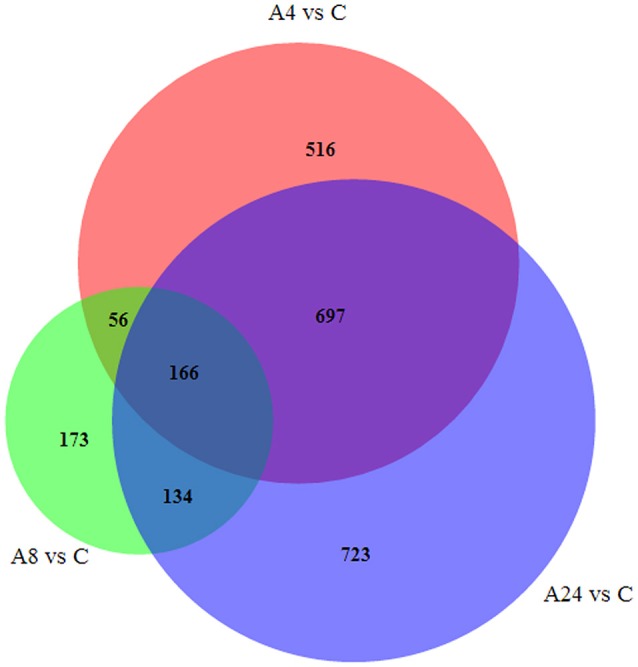
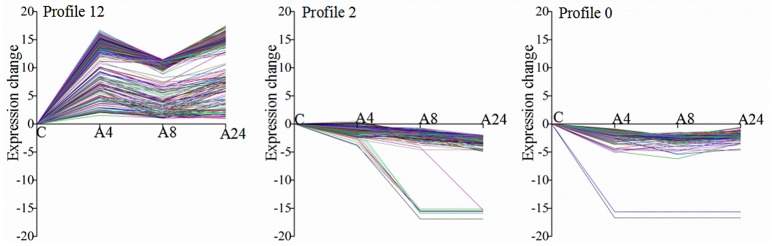
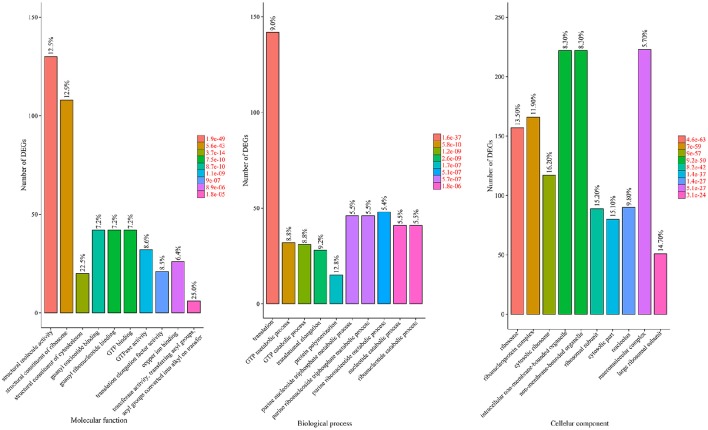
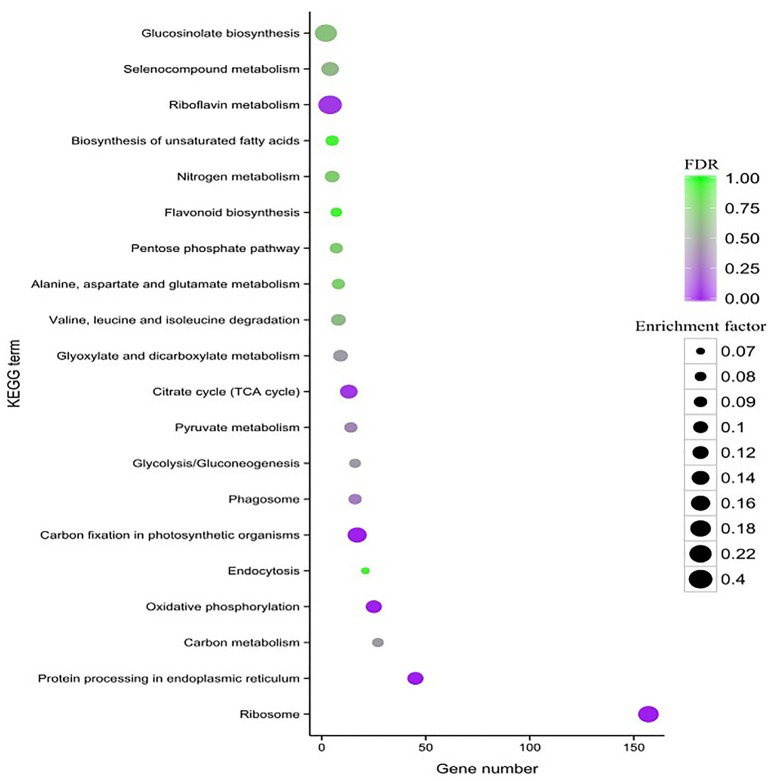
Alfalfa is the most extensively cultivated forage legume, yet most alfalfa cultivars are not aluminum tolerant, and the molecular mechanisms underlying alfalfa responses to Al stress are largely unknown. In this study, we aimed to understand how alfalfa responds to Al stress by identifying and analyzing Al-stress-responsive genes in alfalfa roots at the whole-genome scale. The transcriptome changes in alfalfa roots under Al stress for 4, 8, or 24 h were analyzed using Illumina high-throughput sequencing platforms. A total of 2464 differentially expressed genes (DEGs) were identified, and most were up-regulated at early (4 h) and/or late (24 h) Al exposure time points rather than at the middle exposure time point (8 h). Metabolic pathway enrichment analysis demonstrated that the DEGs involved in ribosome, protein biosynthesis, and process, the citrate cycle, membrane transport, and hormonal regulation were preferentially enriched and regulated. Biosynthesis inhibition and signal transduction downstream of auxin- and ethylene-mediated signals occur during alfalfa responses to root growth inhibition. The internal Al detoxification mechanisms play important roles in alfalfa roots under Al stress. These findings provide valuable information for identifying and characterizing important components in the Al signaling network in alfalfa and enhance understanding of the molecular mechanisms underlying alfalfa responses to Al stress.
紫花苜蓿是种植最广泛的豆科牧草,但大多数紫花苜蓿品种不耐铝,紫花苜蓿对铝胁迫响应的分子机制在很大程度上尚不清楚。在本研究中,我们旨在通过在全基因组范围内鉴定和分析紫花苜蓿根中铝胁迫响应基因,来了解紫花苜蓿对铝胁迫的响应。使用Illumina高通量测序平台分析了铝胁迫4、8或24小时后紫花苜蓿根中的转录组变化。共鉴定出2464个差异表达基因(DEG),大多数在铝暴露早期(4小时)和/或晚期(24小时)上调,而不是在中期暴露时间点(8小时)。代谢途径富集分析表明,参与核糖体、蛋白质生物合成和过程、柠檬酸循环、膜转运和激素调节的DEG被优先富集和调控。在紫花苜蓿对根系生长抑制的响应过程中,生长素和乙烯介导信号下游的生物合成抑制和信号转导发生。内部铝解毒机制在铝胁迫下的紫花苜蓿根中起重要作用。这些发现为鉴定和表征紫花苜蓿铝信号网络中的重要成分提供了有价值的信息,并增进了对紫花苜蓿对铝胁迫响应的分子机制的理解。