Karagueuzian Hrayr S, Pezhouman Arash, Angelini Marina, Olcese Riccardo
Translational Arrhythmia Section, David Geffen School of Medicine, University of California, Los AngelesLos Angeles, CA, USA; Cardiovascular Research Laboratory, Departments of Medicine (Cardiology), David Geffen School of Medicine, University of California, Los AngelesLos Angeles, CA, USA.
Department of Anesthesiology and Perioperative Medicine, David Geffen School of Medicine, University of California, Los Angeles Los Angeles, CA, USA.
Front Pharmacol. 2017 Feb 6;8:36. doi: 10.3389/fphar.2017.00036. eCollection 2017.
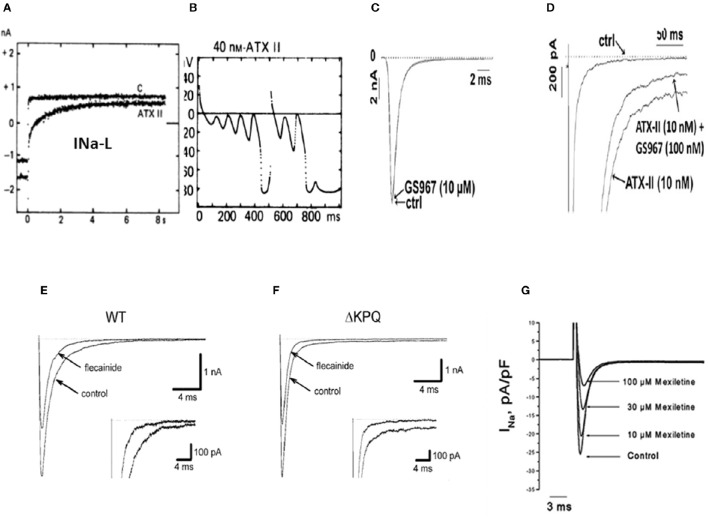
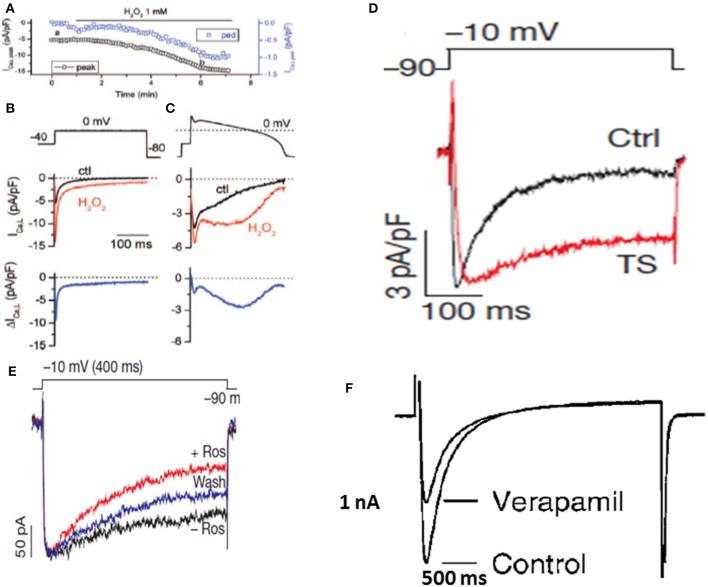
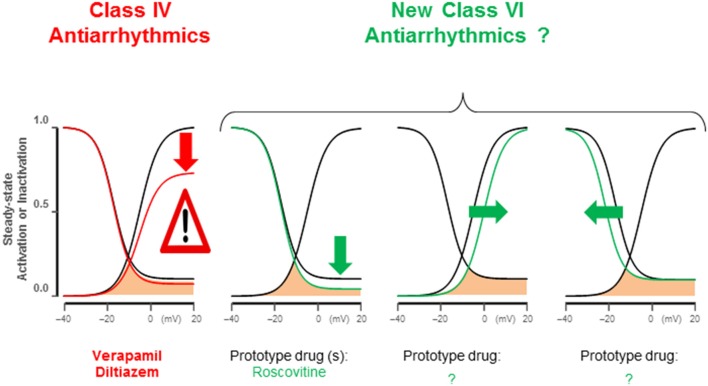
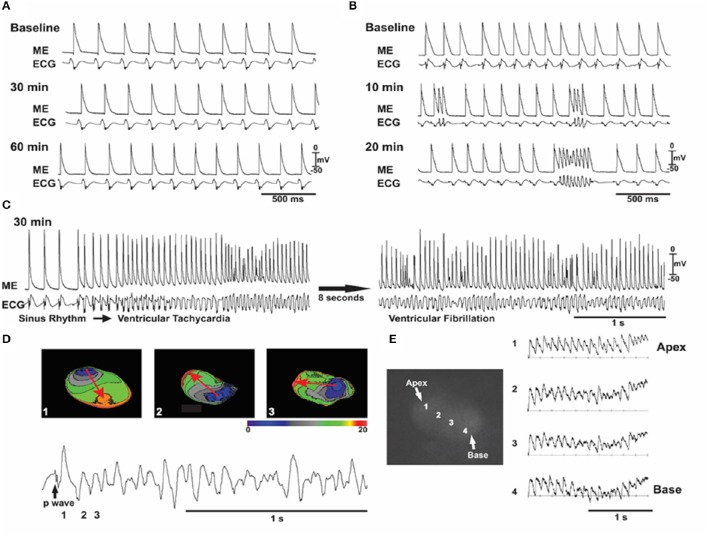
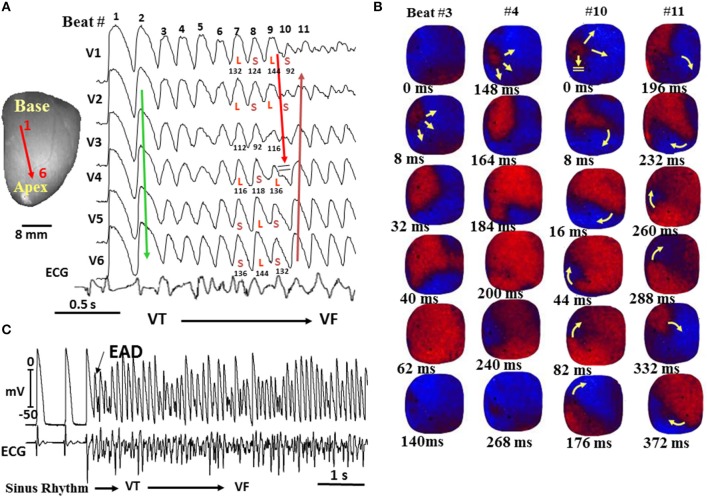
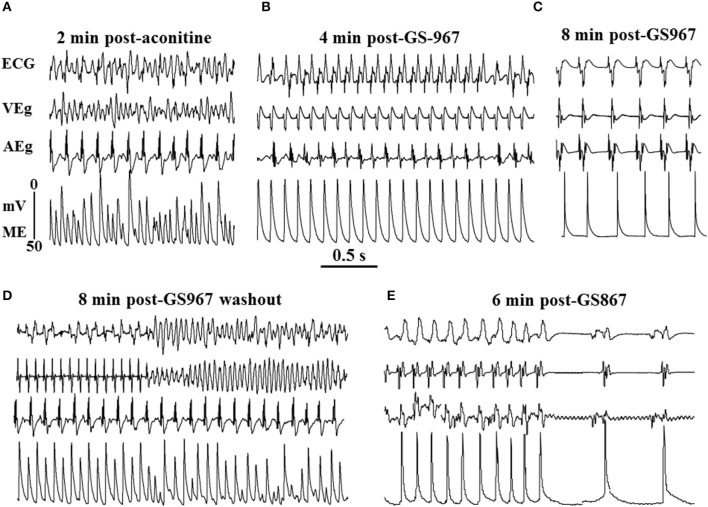
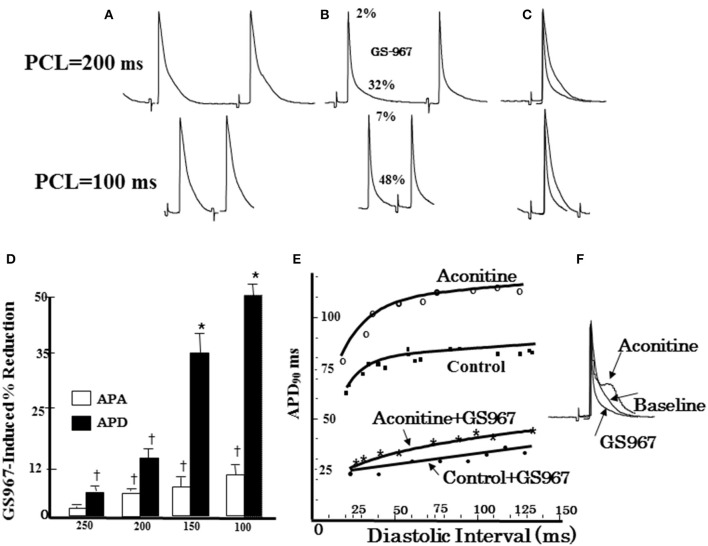
While recent advances clarified the molecular and cellular modes of action of antiarrhythmic drugs (AADs), their link to suppression of dynamical arrhythmia mechanisms remains only partially understood. The current classifications of AADs (Classes I, III, and IV) rely on blocking peak Na, K and L-type calcium currents (I), with Class II with dominant beta receptor blocking activity and Class V including drugs with diverse classes of actions. The discovery that the calcium and redox sensor, cardiac Ca/calmodulin-dependent protein kinase II (CaMKII) enhances both the late Na (I) and the late I in patients at high risk of VT/VF provided a new and a rational AAD target. Pathological rise of either or both of I and late I are demonstrated to promote cellular early afterdepolarizations (EADs) and EAD-mediated triggered activity that can initiate VT/VF in remodeled hearts. Selective inhibition of the I without affecting their peak transients with the highly specific prototype drug, GS-967 suppresses these EAD-mediated VT/VFs. As in the case of I, selective inhibition of the late I without affecting its peak with the prototype drug, roscovitine suppressed oxidative EAD-mediated VT/VF. These findings indicate that specific blockers of the late inward currents without affecting their peaks (gating modifiers), offer a new and effective AAD class action i.e., "Class VI." The development of safe drugs with selective Class VI actions provides a rational and effective approach to treat VT/VF particularly in cardiac conditions associated with enhanced CaMKII activity such as heart failure.
尽管最近的进展阐明了抗心律失常药物(AADs)的分子和细胞作用模式,但它们与抑制动态心律失常机制之间的联系仍仅得到部分理解。目前AADs的分类(I类、III类和IV类)依赖于阻断钠、钾和L型钙电流峰值(I),II类以β受体阻断活性为主,V类包括具有多种作用类别的药物。钙和氧化还原传感器——心脏钙/钙调蛋白依赖性蛋白激酶II(CaMKII)在室性心动过速/心室颤动(VT/VF)高危患者中增强晚期钠电流(I)和晚期钙电流这一发现,提供了一个新的合理的AAD靶点。已证明I和晚期I中的一种或两种的病理性升高会促进细胞早期后去极化(EADs)以及EAD介导的触发活动,而这可在重构心脏中引发VT/VF。用高度特异性的原型药物GS - 967选择性抑制I而不影响其峰值瞬变,可抑制这些EAD介导的VT/VF。与I的情况一样,用原型药物罗斯考维汀选择性抑制晚期I而不影响其峰值,可抑制氧化EAD介导的VT/VF。这些发现表明,不影响其峰值的晚期内向电流的特异性阻滞剂(门控修饰剂)提供了一种新的有效的AAD类作用,即“VI类”。开发具有选择性VI类作用的安全药物,为治疗VT/VF提供了一种合理有效的方法,特别是在与CaMKII活性增强相关的心脏疾病如心力衰竭中。