Institute of Cognitive Neuroscience, University College London, London, UK.
Wellcome Trust Centre for Neuroimaging, UCL, 12 Queen Square, London, UK.
Sci Rep. 2017 Mar 3;7(1):60. doi: 10.1038/s41598-017-00127-6.
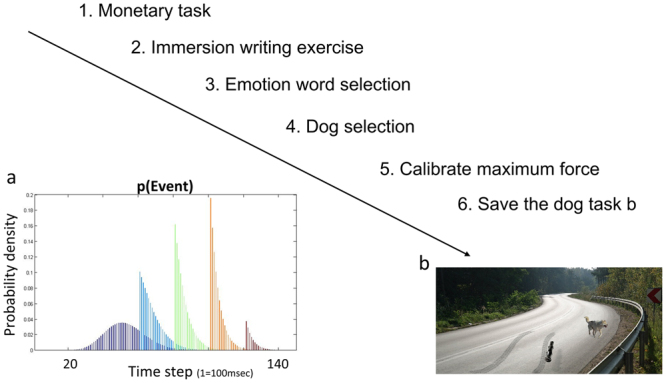
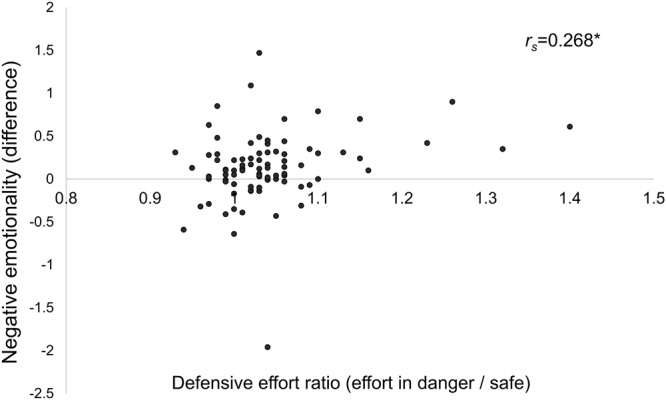
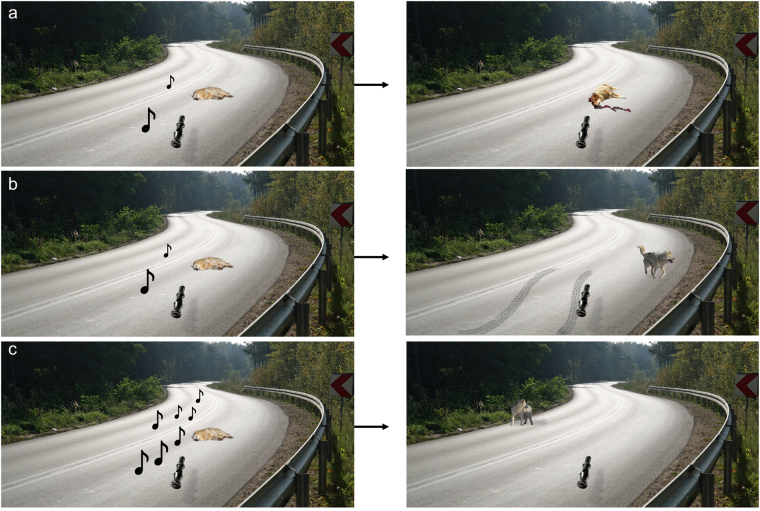
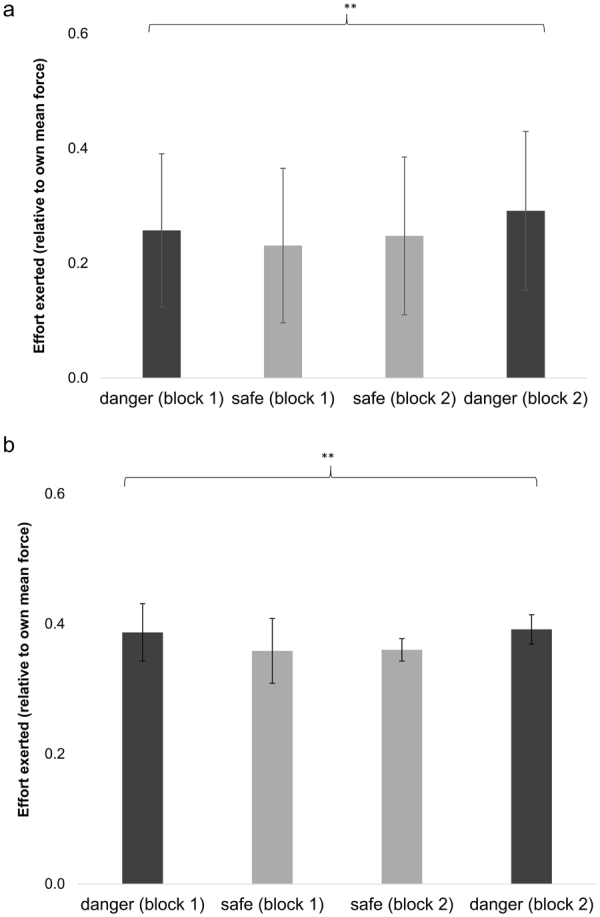
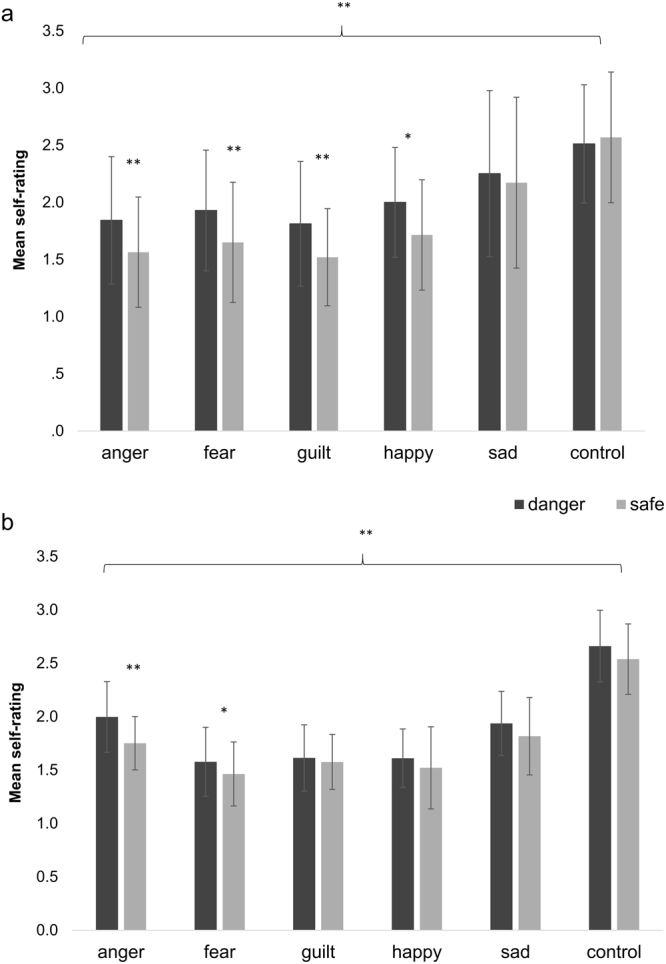
It would be maladaptive to learn about catastrophes by trial and error alone. Investment in planning and effort are necessary. Devoting too many resources to averting disaster, however, can impair quality of life, as in anxiety and paranoia. Here, we developed a novel task to explore how people adjust effort expenditure (vigor) so as to avoid negative consequences. Our novel paradigm is immersive, enabling us to measure vigor in the context of (simulated) disaster. We found that participants (N = 118) exerted effort to avoid disaster-associated states, adjusting their effort expenditure according to the baseline probability of catastrophe, in agreement with theoretical predictions. Furthermore, negative subjective emotional states were associated both with threat level and with increasing vigor in the face of disaster. We describe for the first time effort expenditure in the context of irreversible losses, with important implications for disorders marked by excessive avoidance.
仅仅通过试错来了解灾难是适应不良的。有必要进行规划和努力投资。然而,过度投入资源以避免灾难会损害生活质量,例如焦虑和偏执。在这里,我们开发了一项新任务来探索人们如何调整努力支出(活力)以避免负面后果。我们的新范式是沉浸式的,使我们能够在(模拟)灾难的背景下测量活力。我们发现,参与者(N=118)为避免与灾难相关的状态而付出努力,根据灾难的基线概率调整他们的努力支出,这与理论预测一致。此外,负面的主观情绪状态既与威胁水平有关,也与面对灾难时活力的增加有关。我们首次描述了在不可逆转损失的情况下的努力支出情况,这对以过度回避为特征的障碍具有重要意义。