Mattoscio Domenico, Casadio Chiara, Miccolo Claudia, Maffini Fausto, Raimondi Andrea, Tacchetti Carlo, Gheit Tarik, Tagliabue Marta, Galimberti Viviana E, De Lorenzi Francesca, Pawlita Michael, Chiesa Fausto, Ansarin Mohssen, Tommasino Massimo, Chiocca Susanna
European Institute of Oncology, Department of Experimental Oncology, Milan, Italy.
European Institute of Oncology, Department of Pathology, Milan, Italy.
PLoS Pathog. 2017 Mar 2;13(3):e1006262. doi: 10.1371/journal.ppat.1006262. eCollection 2017 Mar.
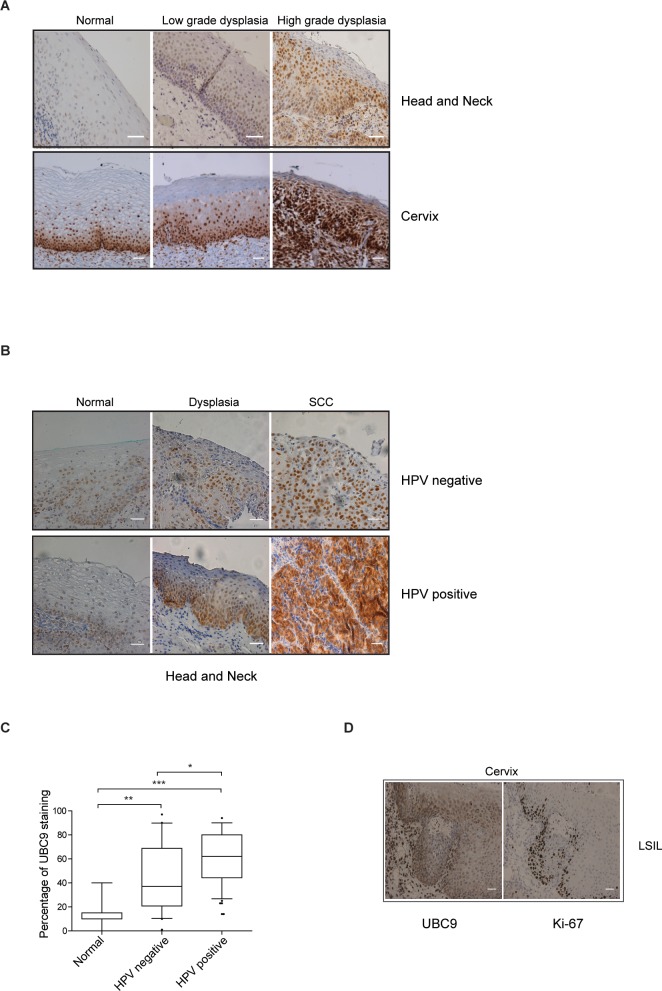
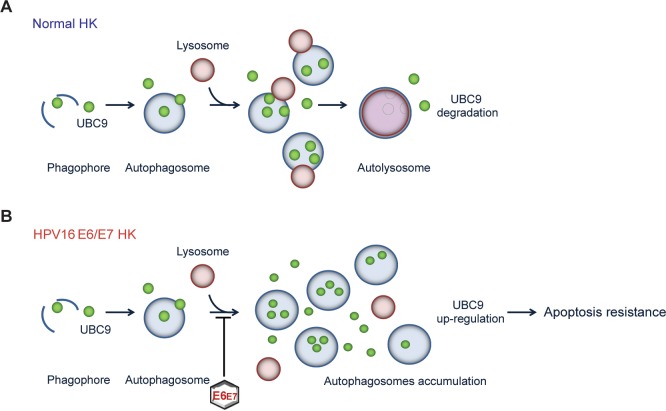
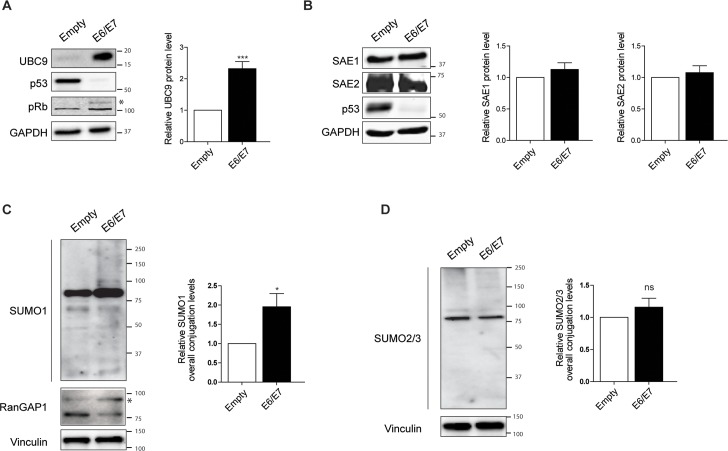
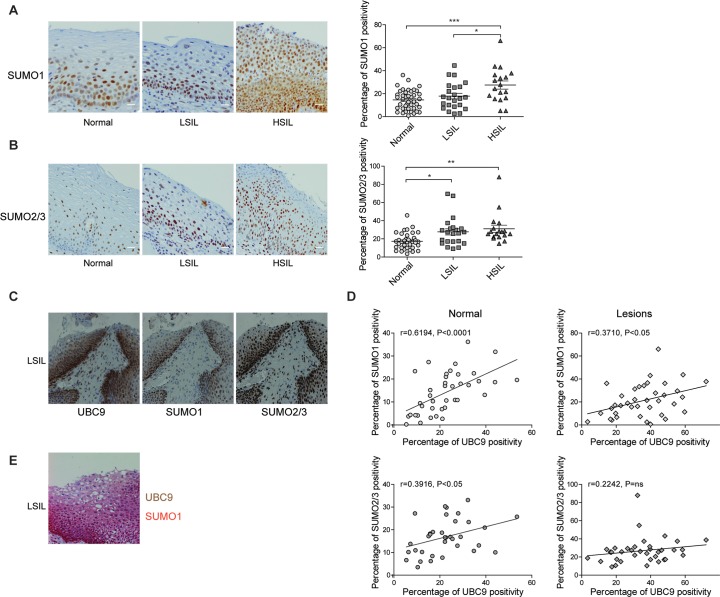
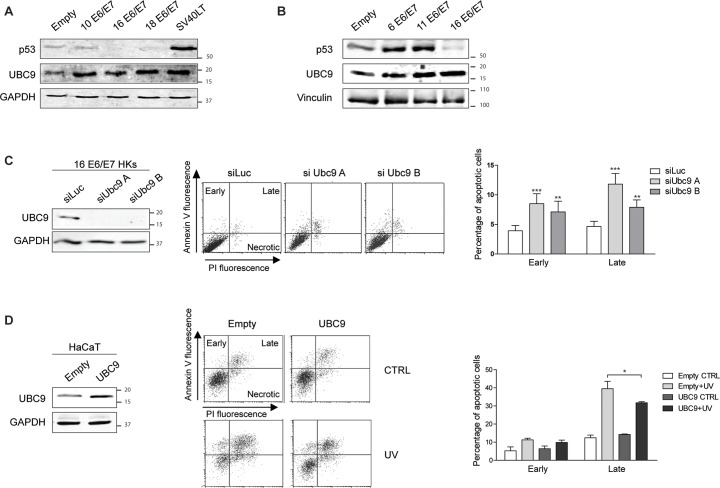
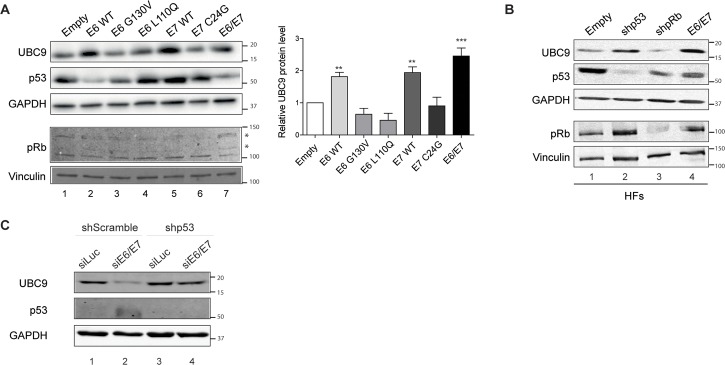
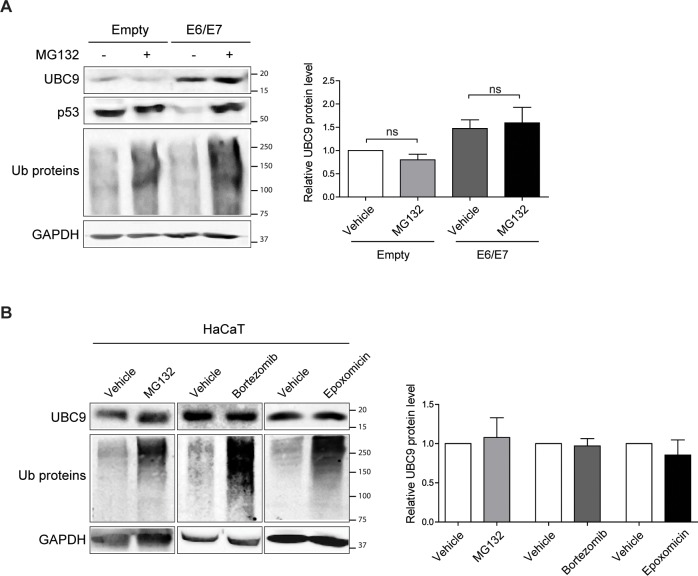
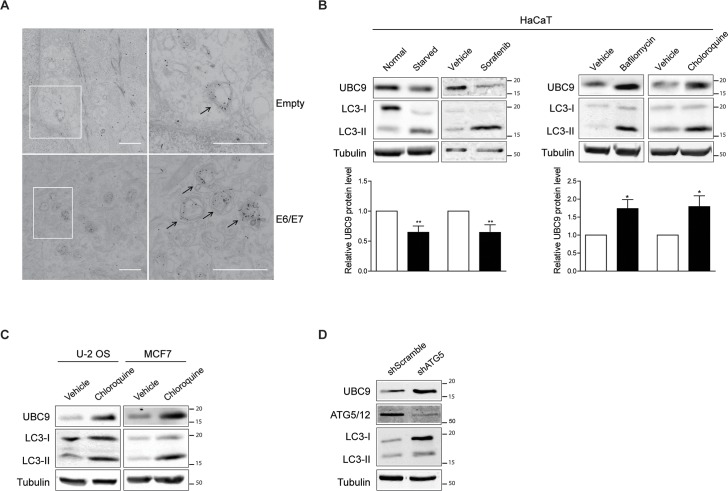
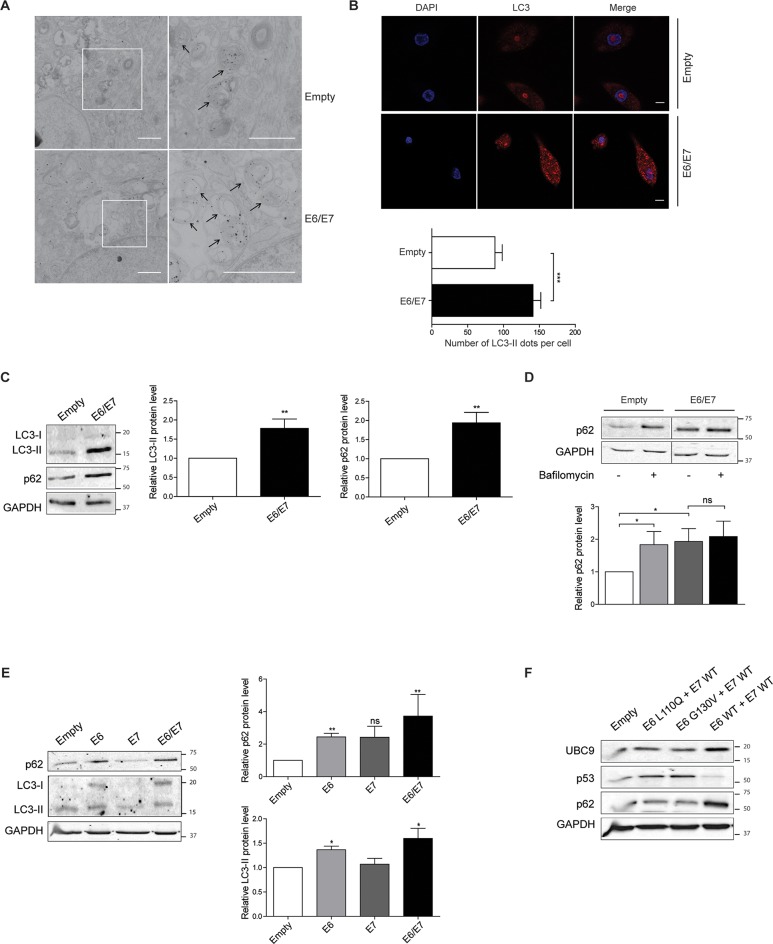
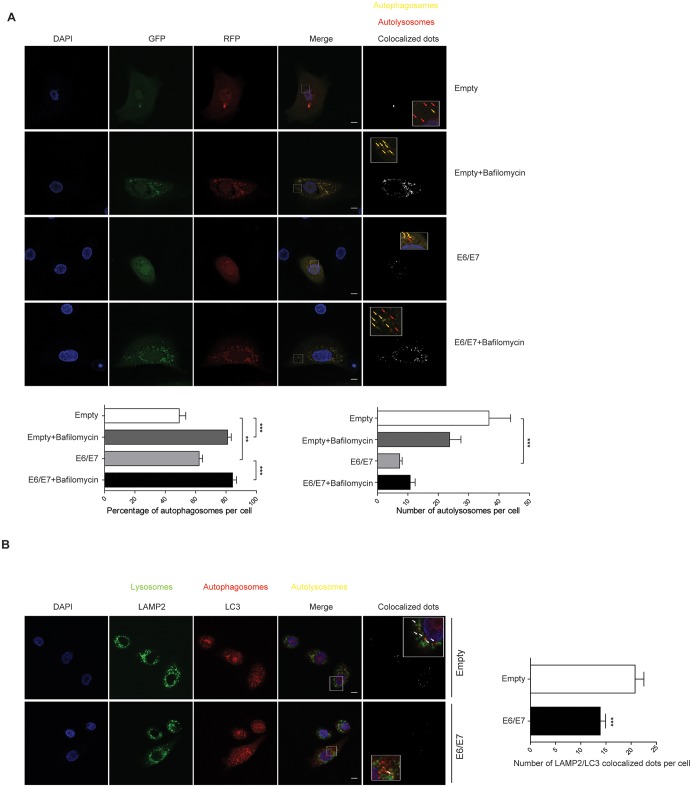
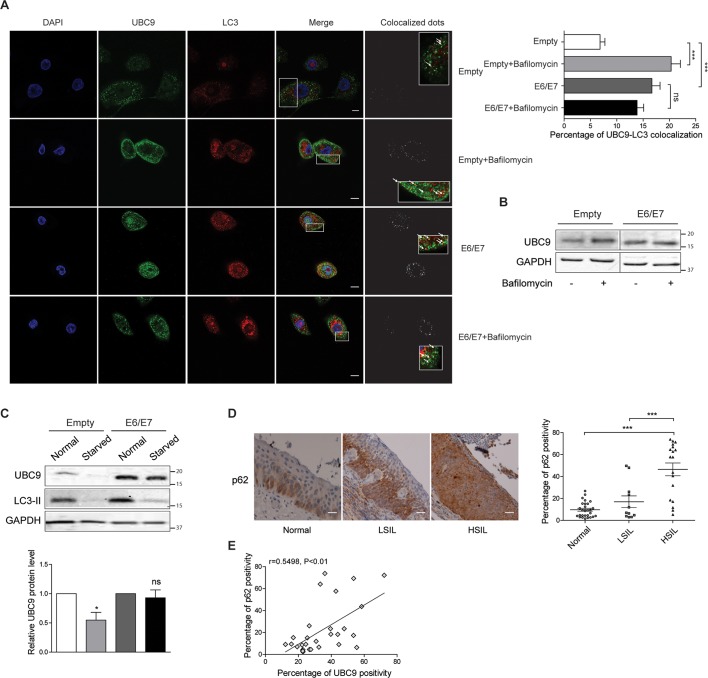
UBC9, the sole E2-conjugating enzyme required for SUMOylation, is a key regulator of essential cellular functions and, as such, is frequently altered in cancers. Along these lines, we recently reported that its expression gradually increases during early stages of human papillomavirus (HPV)-mediated cervical lesions transformation. However, a better understanding of how UBC9 is exploited by transforming viral oncoproteins is still needed. In the present study, we show that in human samples HPV drives UBC9 up-regulation also in very early steps of head and neck tumorigenesis, pointing to the important role for UBC9 in the HPV-mediated carcinogenic program. Moreover, using HPV-infected pre-cancerous tissues and primary human keratinocytes as the natural host of the virus, we investigate the pathological meaning and the cellular mechanisms responsible for UBC9 de-regulation in an oncoviral context. Our results show that UBC9 overexpression is promoted by transforming viral proteins to increase host cells' resistance to apoptosis. In addition, ultrastuctural, pharmacological and genetic approaches crucially unveil that UBC9 is physiologically targeted by autophagy in human cells. However, the presence of HPV E6/E7 oncoproteins negatively impacts the autophagic process through selective inhibition of autophagosome-lysosome fusion, finally leading to p53 dependent UBC9 accumulation during viral-induced cellular transformation. Therefore, our study elucidates how UBC9 is manipulated by HPV oncoproteins, details the physiological mechanism by which UBC9 is degraded in cells, and identifies how HPV E6/E7 impact on autophagy. These findings point to UBC9 and autophagy as novel hallmarks of HPV oncogenesis, and open innovative avenues towards the treatment of HPV-related malignancies.
UBC9是SUMO化所需的唯一E2共轭酶,是细胞基本功能的关键调节因子,因此在癌症中经常发生改变。据此,我们最近报道,在人乳头瘤病毒(HPV)介导的宫颈病变转化的早期阶段,其表达逐渐增加。然而,仍需要更好地了解转化病毒癌蛋白如何利用UBC9。在本研究中,我们表明,在人类样本中,HPV在头颈部肿瘤发生的非常早期阶段也驱动UBC9上调,这表明UBC9在HPV介导的致癌程序中发挥重要作用。此外,我们使用HPV感染的癌前组织和原代人角质形成细胞作为病毒的天然宿主,研究在肿瘤病毒背景下UBC9失调的病理意义和细胞机制。我们的结果表明,转化病毒蛋白促进UBC9过表达,以增加宿主细胞对凋亡的抗性。此外,超微结构、药理学和遗传学方法至关重要地揭示,在人类细胞中,自噬在生理上靶向UBC9。然而,HPV E6/E7癌蛋白的存在通过选择性抑制自噬体-溶酶体融合对自噬过程产生负面影响,最终导致病毒诱导的细胞转化过程中p53依赖性UBC9积累。因此,我们的研究阐明了HPV癌蛋白如何操纵UBC9,详细说明了UBC9在细胞中降解的生理机制,并确定了HPV E6/E7如何影响自噬。这些发现指出UBC9和自噬是HPV肿瘤发生的新标志,并为治疗HPV相关恶性肿瘤开辟了创新途径。