Shi Jing, Bei Yihua, Kong Xiangqing, Liu Xiaojun, Lei Zhiyong, Xu Tianzhao, Wang Hui, Xuan Qinkao, Chen Ping, Xu Jiahong, Che Lin, Liu Hui, Zhong Jiuchang, Sluijter Joost Pg, Li Xinli, Rosenzweig Anthony, Xiao Junjie
Department of Cardiology, The First Affiliated Hospital of Nanjing Medical University, Nanjing 210029, China.
Cardiac Regeneration and Ageing Lab, School of Life Science, Shanghai University, Shanghai 200444, China.
Theranostics. 2017 Jan 15;7(3):664-676. doi: 10.7150/thno.15162. eCollection 2017.
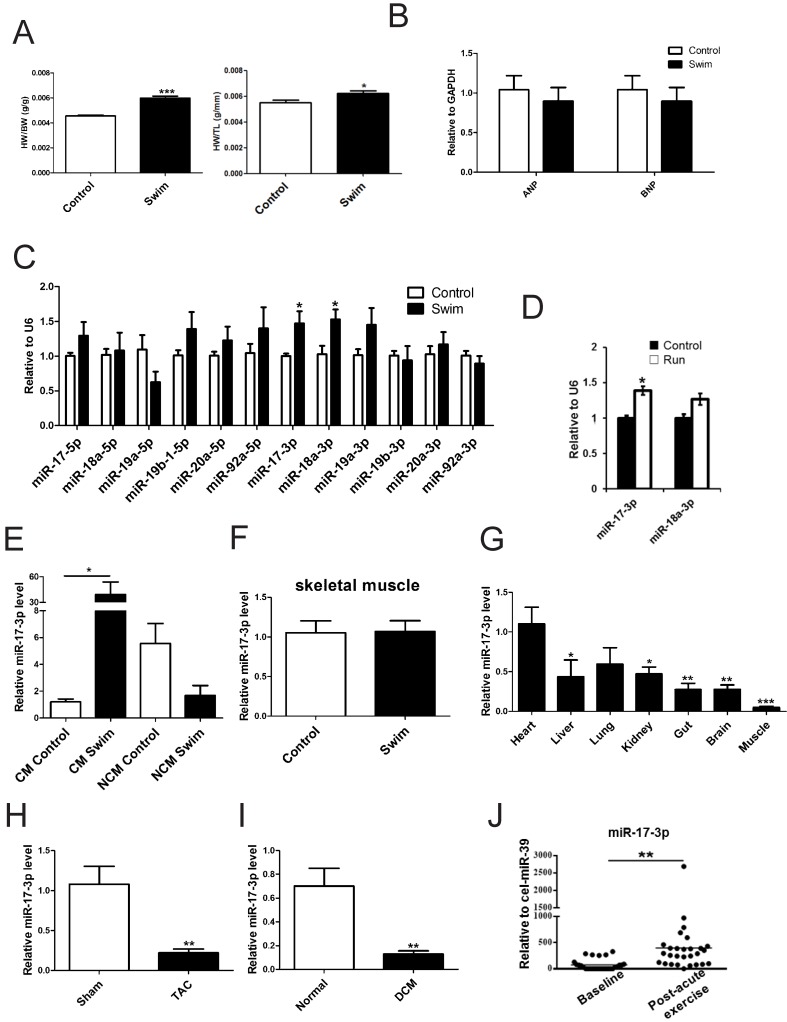
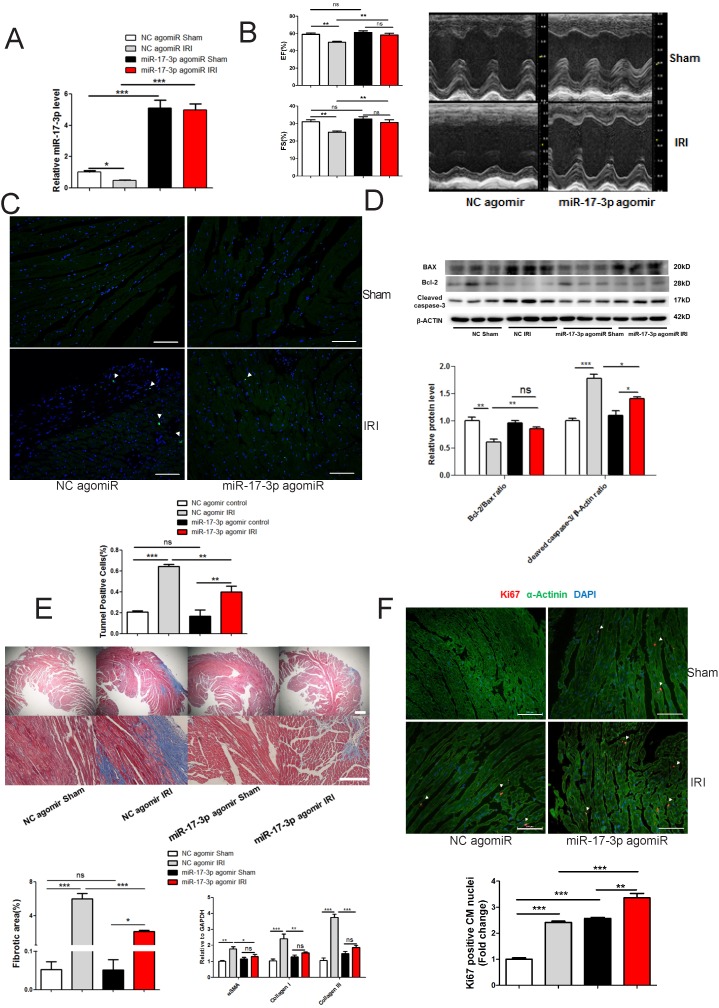
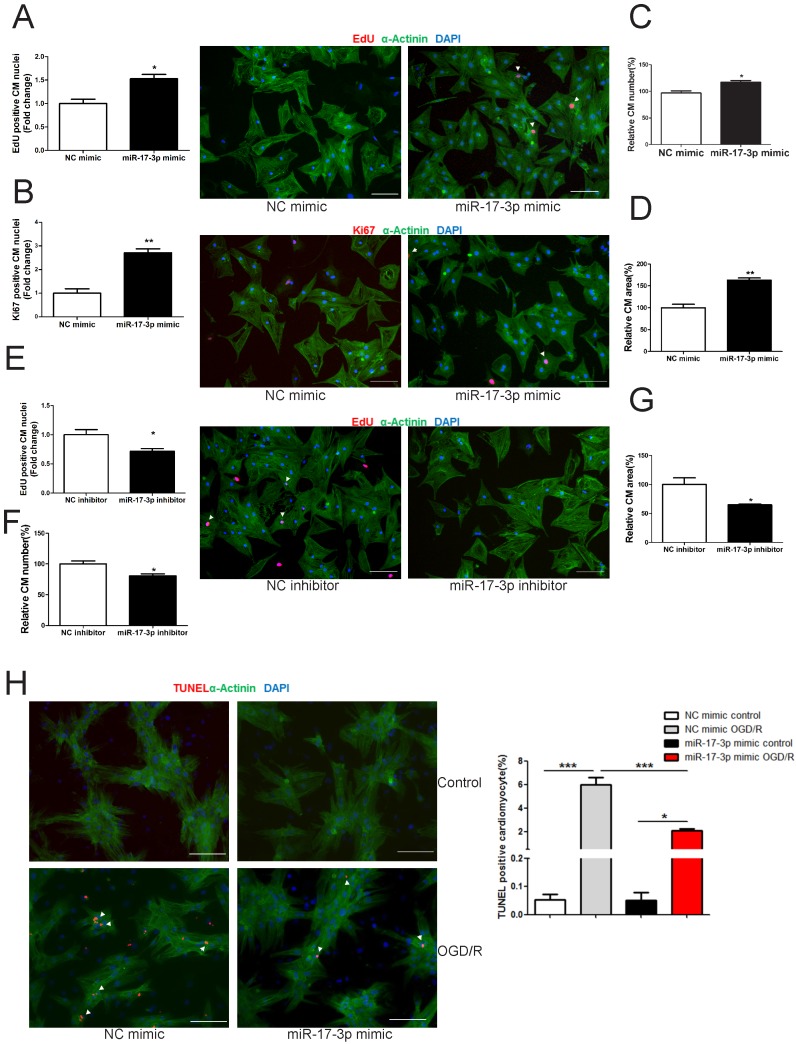
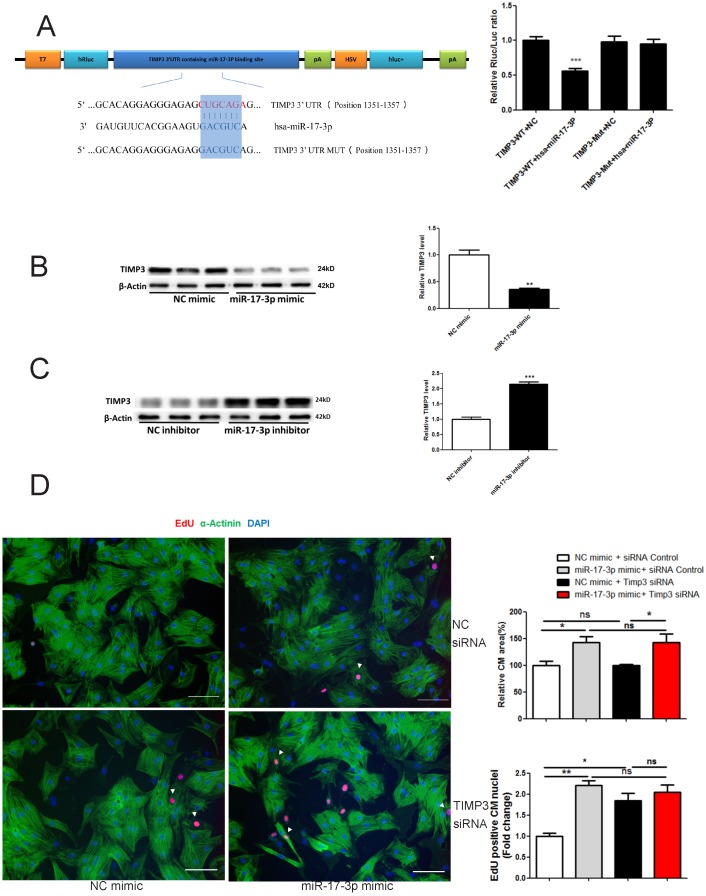
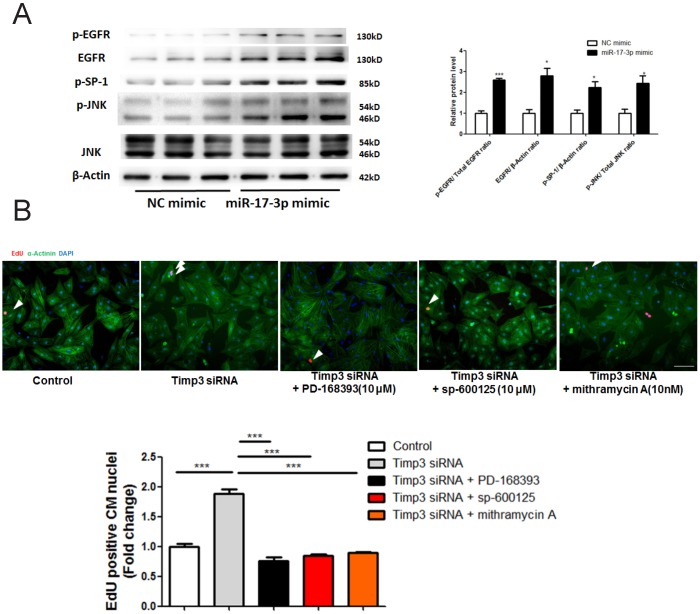
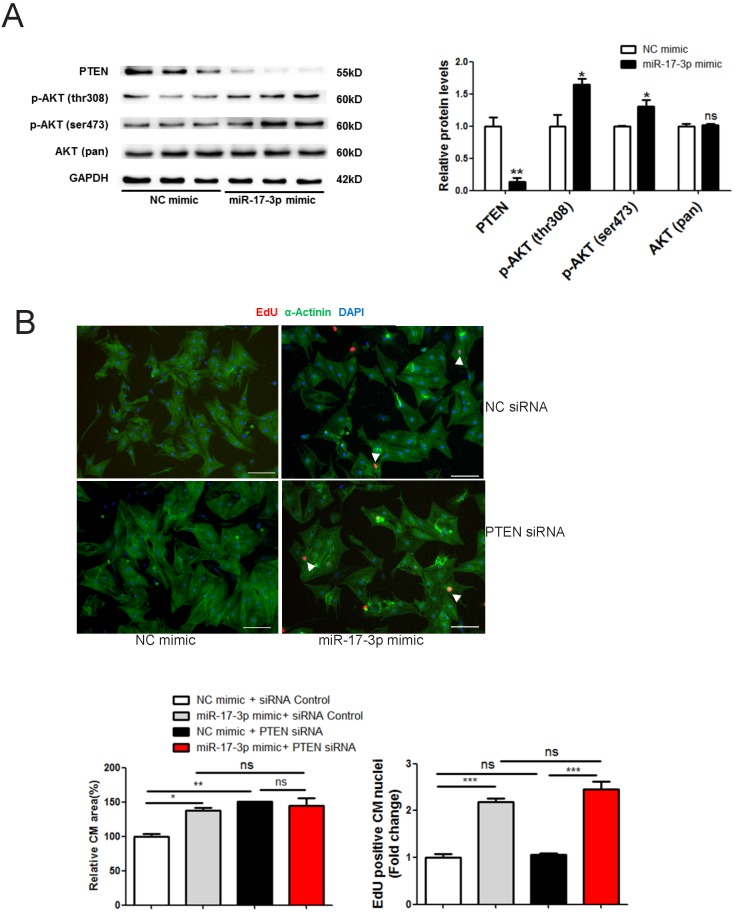
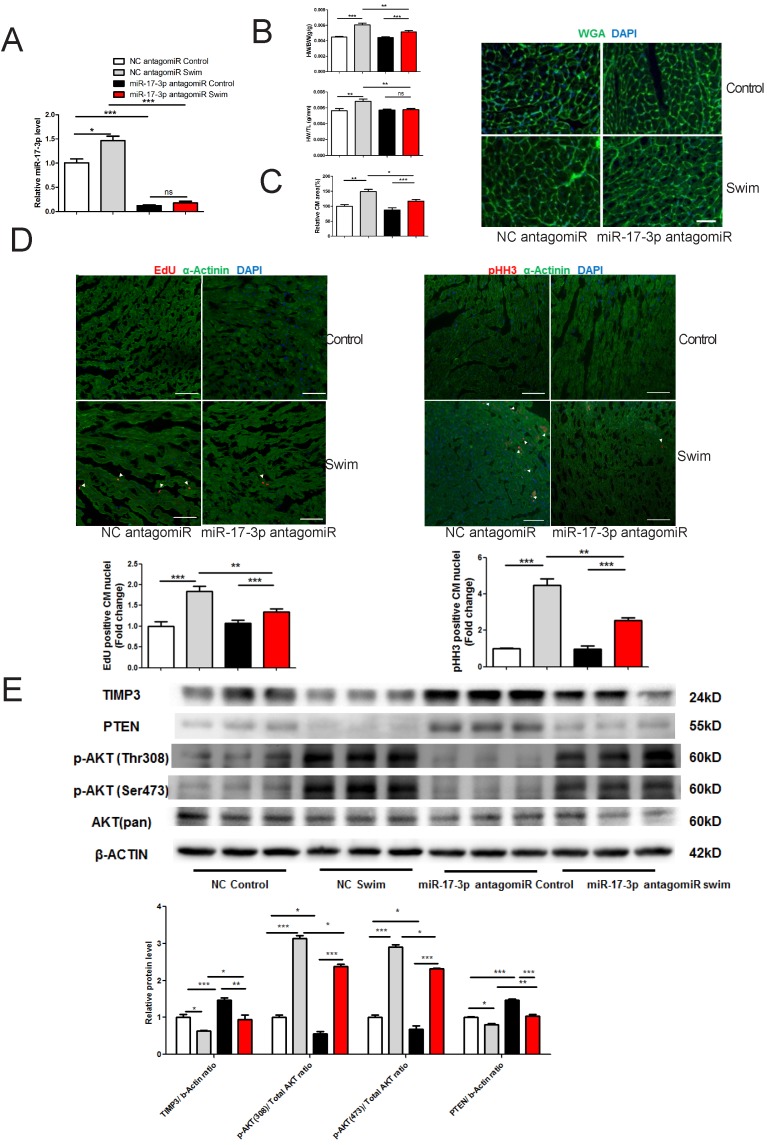
Limited microRNAs (miRNAs, miRs) have been reported to be necessary for exercise-induced cardiac growth and essential for protection against pathological cardiac remodeling. Here we determined members of the miR-17-92 cluster and their passenger miRNAs expressions in two distinct murine exercise models and found that miR-17-3p was increased in both. miR-17-3p promoted cardiomyocyte hypertrophy, proliferation, and survival. TIMP-3 was identified as a direct target gene of miR-17-3p whereas PTEN was indirectly inhibited by miR-17-3p. Inhibition of miR-17-3p attenuated exercise-induced cardiac growth including cardiomyocyte hypertrophy and expression of markers of myocyte proliferation. Importantly, mice injected with miR-17-3p agomir were protected from adverse remodeling after cardiac ischemia/reperfusion injury. Collectively, these data suggest that miR-17-3p contributes to exercise-induced cardiac growth and protects against adverse ventricular remodeling. miR-17-3p may represent a novel therapeutic target to promote functional recovery after cardiac ischemia/reperfusion.
据报道,有限的微小RNA(miRNA,miR)对于运动诱导的心脏生长是必需的,并且对于防止病理性心脏重塑至关重要。在此,我们在两种不同的小鼠运动模型中确定了miR-17-92簇的成员及其互补链miRNA的表达,发现两者中miR-17-3p均增加。miR-17-3p促进心肌细胞肥大、增殖和存活。TIMP-3被鉴定为miR-17-3p的直接靶基因,而PTEN被miR-17-3p间接抑制。抑制miR-17-3p可减弱运动诱导的心脏生长,包括心肌细胞肥大和心肌细胞增殖标志物的表达。重要的是,注射miR-17-3p激动剂的小鼠在心脏缺血/再灌注损伤后可免受不良重塑的影响。总体而言,这些数据表明miR-17-3p有助于运动诱导的心脏生长并防止不良心室重塑。miR-17-3p可能代表促进心脏缺血/再灌注后功能恢复的新型治疗靶点。