Santschi Christian, Von Moos Nadia, Koman Volodymyr B, Slaveykova Vera I, Bowen Paul, Martin Olivier J F
Nanophotonics and Metrology Laboratory (NAM), École Polytechnique Fédéral de Lausanne, EPFL/IST/IMT/NAM, Station 11, 1015, Lausanne, Switzerland.
Environmental Biogeochemistry and Ecotoxicology, Department F.-A. Forel for Environmental and Aquatic Sciences, Earth and Environmental Sciences, Faculty of Sciences, University of Geneva, 66, Bvd Carl-Vogt, 1211, Geneva, Switzerland.
J Nanobiotechnology. 2017 Mar 7;15(1):19. doi: 10.1186/s12951-017-0253-x.
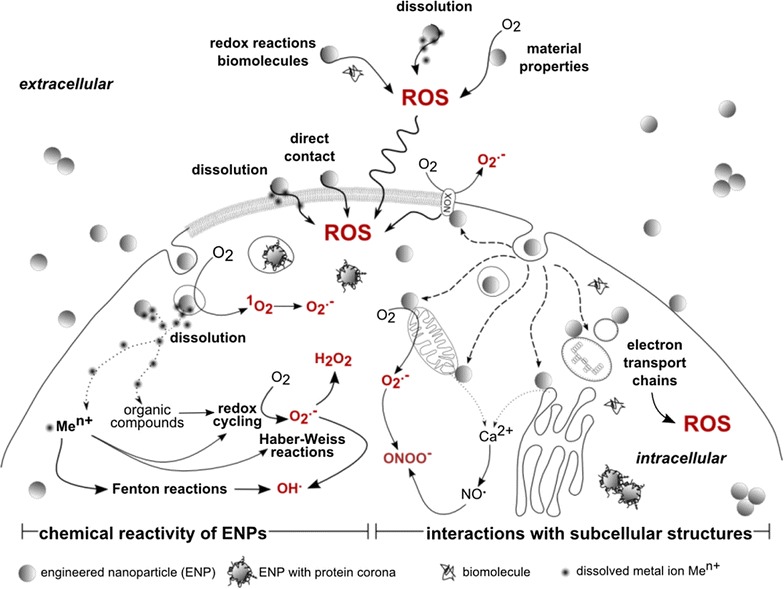
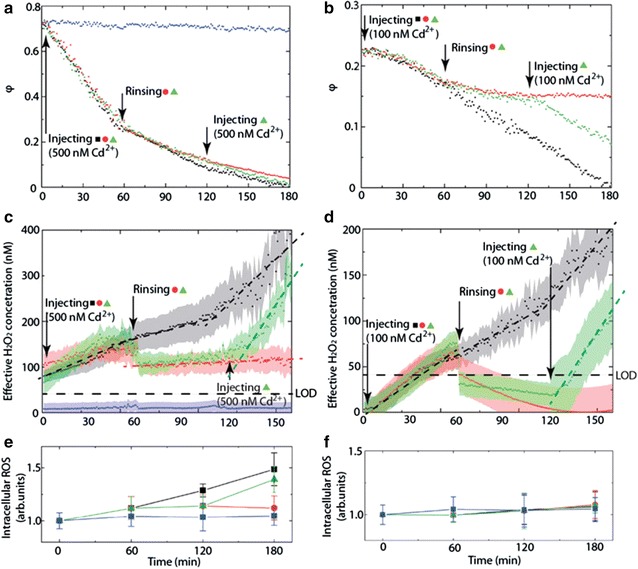
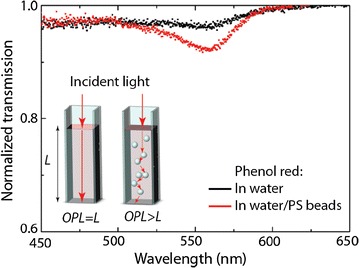
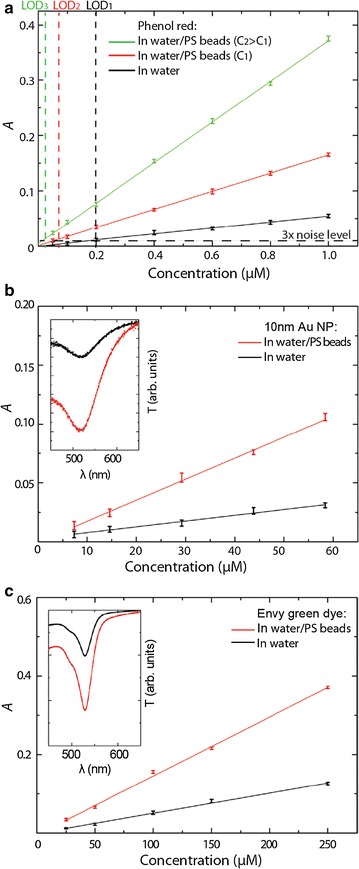
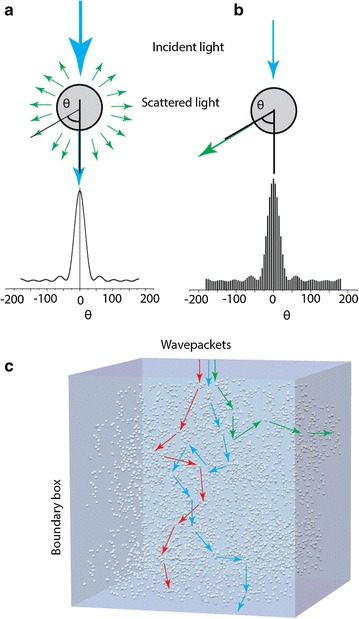
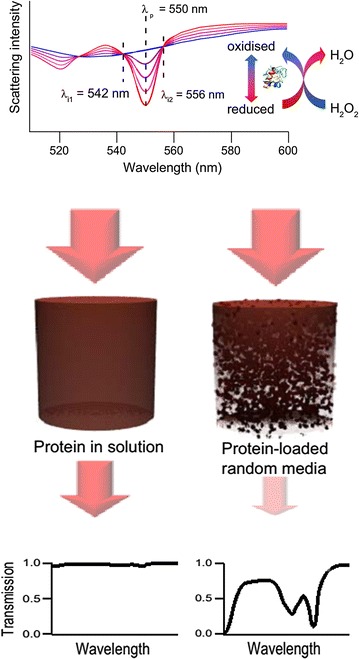
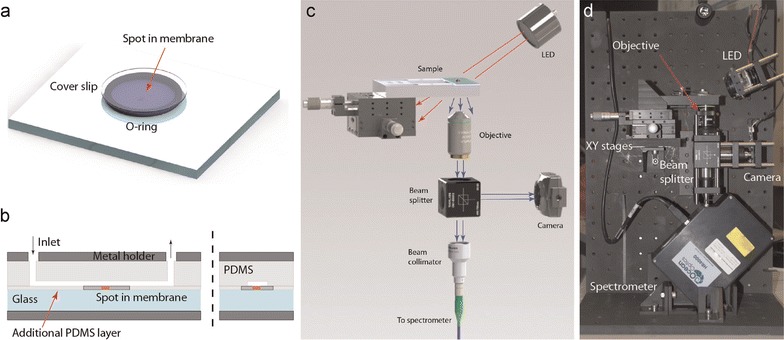
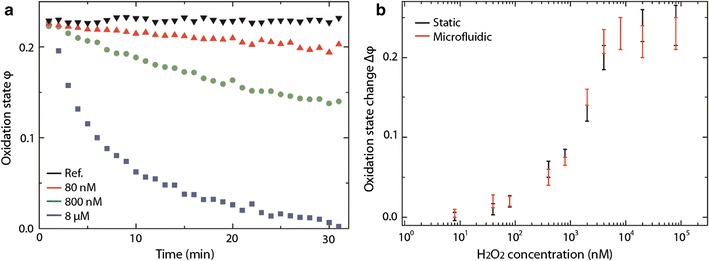
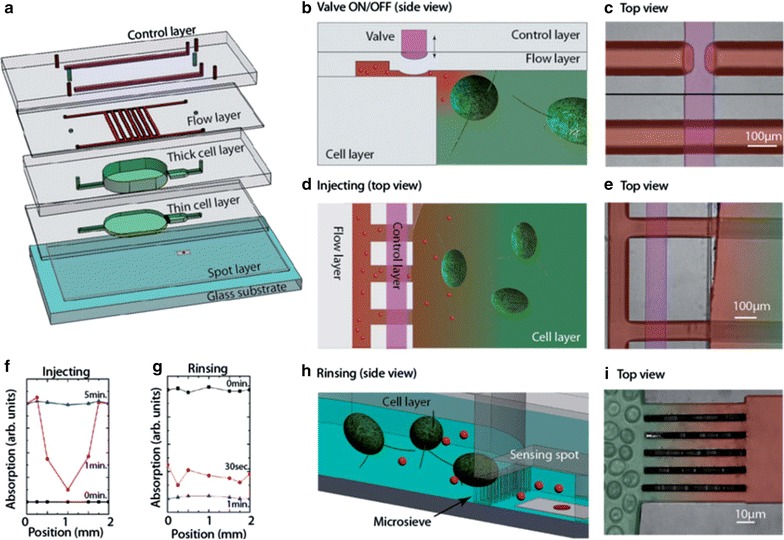
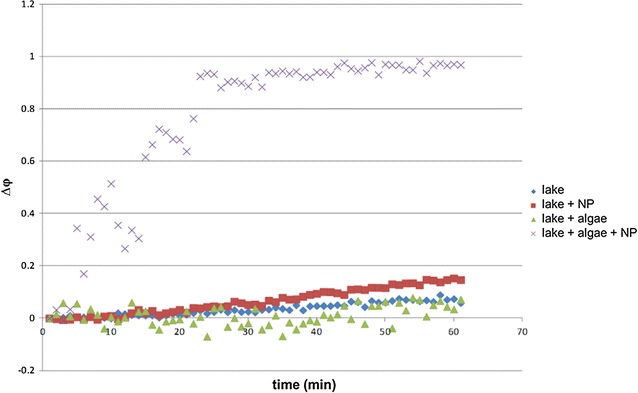
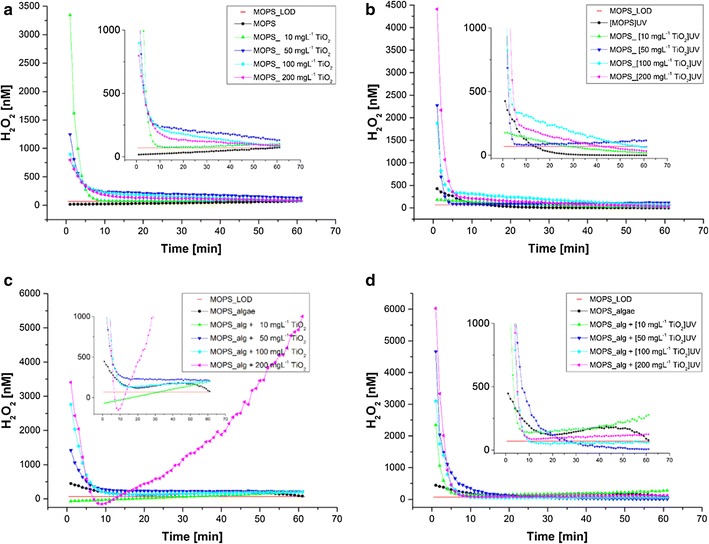
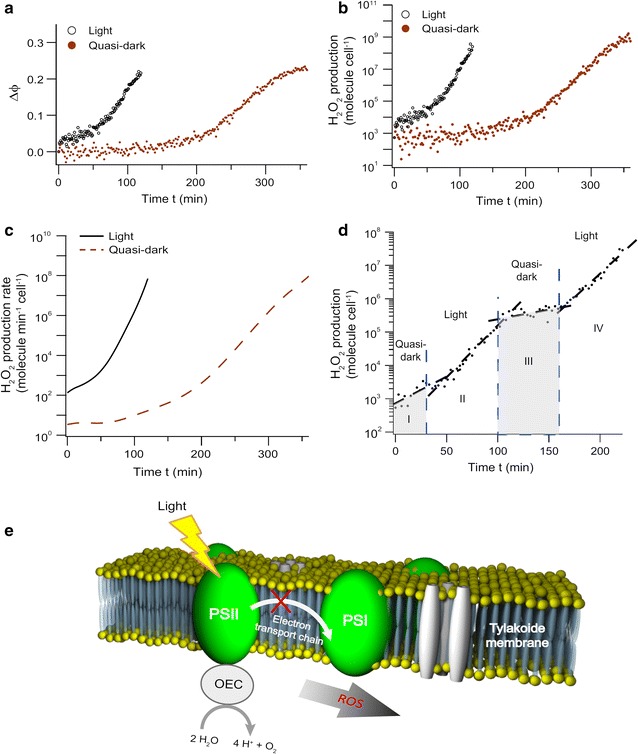
Engineered nanomaterials (ENMs) are key drivers for the development of highly sophisticated new technologies. As all new attainments, the rapidly increasing used of ENMs raise concerns about their safety for the environment and humans. There is growing evidence showing that if engineered nanomaterials are released into the environment, there is a possibility that they could cause harm to aquatic microorganisms. Among the divers effects triggering their toxicity the ability of ENMs to generate reactive oxygen species (ROS) capable of oxidizing biomolecules is currently considered a central mechanism of toxicity. Therefore, development of sensitive tools for quantification of the ROS generation and oxidative stress are highly sought. After briefly introducing ENMs-induced ROS generation and oxidative stress in the aquatic microorganisms (AMOs), this overview paper focuses on a new optical biosensor allowing sensitive and dynamic measurements of HO in real-time using multiscattering enhanced absorption spectroscopy. Its principle is based on sensitive absorption measurements of the heme protein cytochrome c whose absorption spectrum alters with the oxidation state of constituent ferrous Fe and ferric Fe. For biological applications cytochrome c was embedded in porous random media resulting in an extended optical path length through multiple scattering of light, which lowers the limit of detection to a few nM of HO. The sensor was also integrated in a microfluidic system containing micro-valves and sieves enabling more complex experimental conditions. To demonstrate its performance, abiotic absorption measurements of low concentrations of dye molecules and 10 nm gold particles were carried out achieving limits of detection in the low nM range. Other biologically relevant reactive oxygen species can be measured at sub-μM concentrations, which was shown for glucose and lactate through enzymatic reactions producing HO. In ecotoxicological investigations HO excreted by aquatic microorganisms exposed to various stressors were measured. Pro-oxidant effects of nano-TiO and nano-CuO towards green alga Chlamydomonas reinhardtii were explored in various exposure media and under different light illuminations. Dynamics of Cd induced effects on photosynthetic activity, sensitisation and recovery of cells of C. reinhardtii was also studied.
工程纳米材料(ENMs)是高度复杂的新技术发展的关键驱动力。与所有新成果一样,ENMs使用量的迅速增加引发了人们对其对环境和人类安全性的担忧。越来越多的证据表明,如果工程纳米材料释放到环境中,它们有可能对水生微生物造成危害。在引发其毒性的多种效应中,ENMs产生能够氧化生物分子的活性氧(ROS)的能力目前被认为是毒性的核心机制。因此,迫切需要开发用于定量ROS生成和氧化应激的灵敏工具。在简要介绍了ENMs在水生微生物(AMOs)中诱导的ROS生成和氧化应激后,这篇综述文章重点介绍了一种新型光学生物传感器,它能够使用多散射增强吸收光谱实时灵敏且动态地测量羟基自由基(HO)。其原理基于对血红素蛋白细胞色素c的灵敏吸收测量,其吸收光谱会随着组成成分亚铁离子(Fe)和铁离子(Fe)的氧化态而改变。对于生物应用,细胞色素c被嵌入多孔随机介质中,通过光的多次散射导致光程延长,这将检测限降低到几纳摩尔的HO。该传感器还集成在一个包含微阀和筛网的微流控系统中,能够实现更复杂的实验条件。为了展示其性能,对低浓度染料分子和10纳米金颗粒进行了非生物吸收测量,检测限达到低纳摩尔范围。其他与生物相关的活性氧可以在亚微摩尔浓度下进行测量,通过酶促反应产生HO的葡萄糖和乳酸的测量结果证明了这一点。在生态毒理学研究中,测量了暴露于各种应激源的水生微生物分泌的HO。在各种暴露介质和不同光照条件下,探索了纳米二氧化钛(nano-TiO)和纳米氧化铜(nano-CuO)对绿藻莱茵衣藻(Chlamydomonas reinhardtii)的促氧化作用。还研究了镉对莱茵衣藻细胞光合活性、致敏和恢复的诱导效应的动力学。