RASA center in Tomsk, Tomsk Polytechnic University, Lenin Avenue, 30, 634050, Tomsk, Russian Federation.
First I. P. Pavlov State Medical University of St. Petersburg, Lev Tolstoy str., 6/8, 197022, Saint-Petersburg, Russian Federation.
Sci Rep. 2017 Mar 7;7(1):102. doi: 10.1038/s41598-017-00200-0.
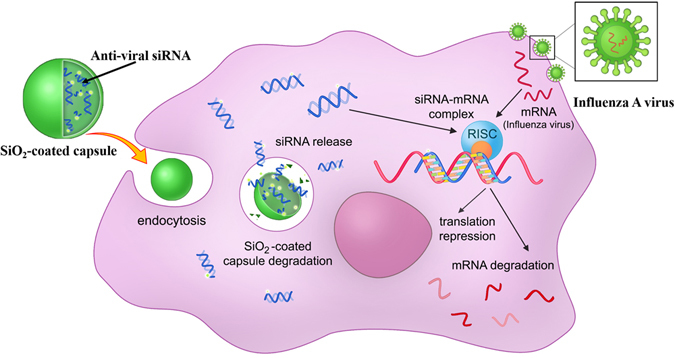
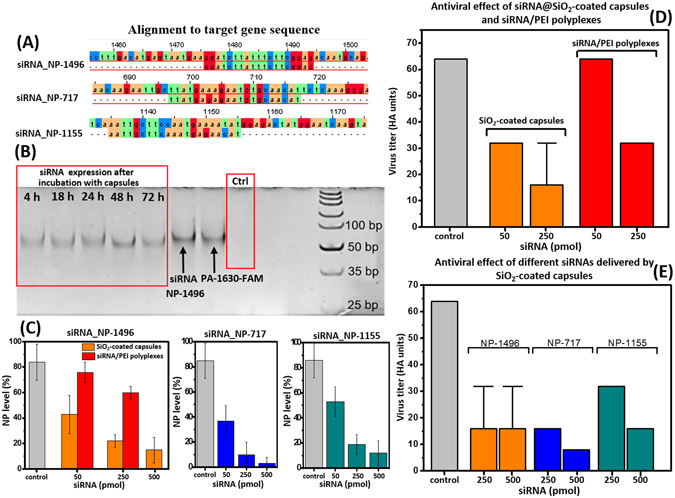
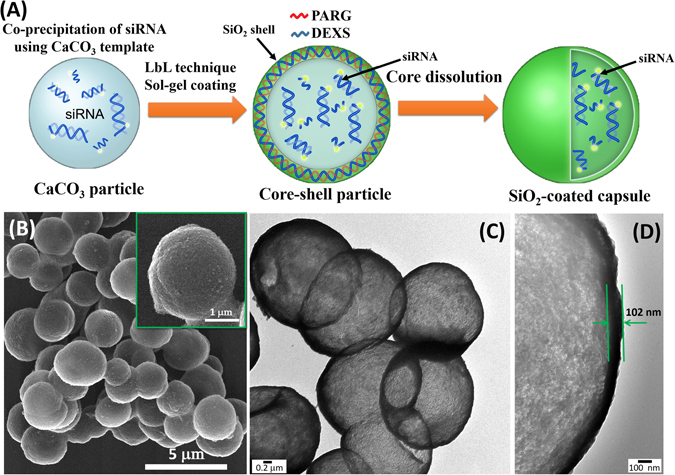
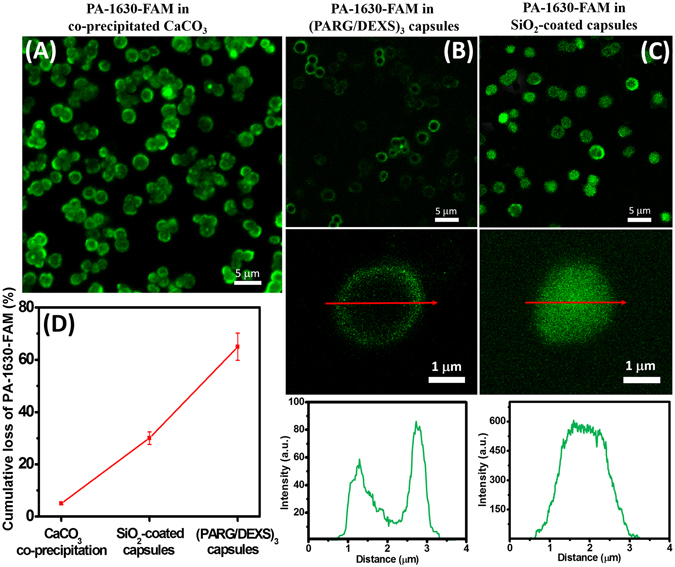
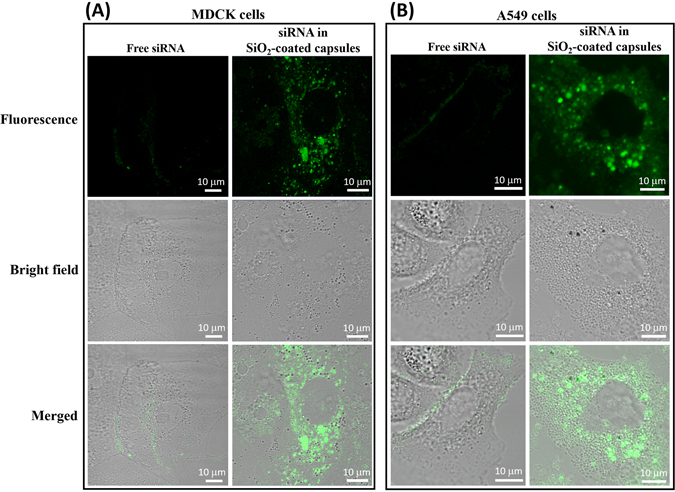
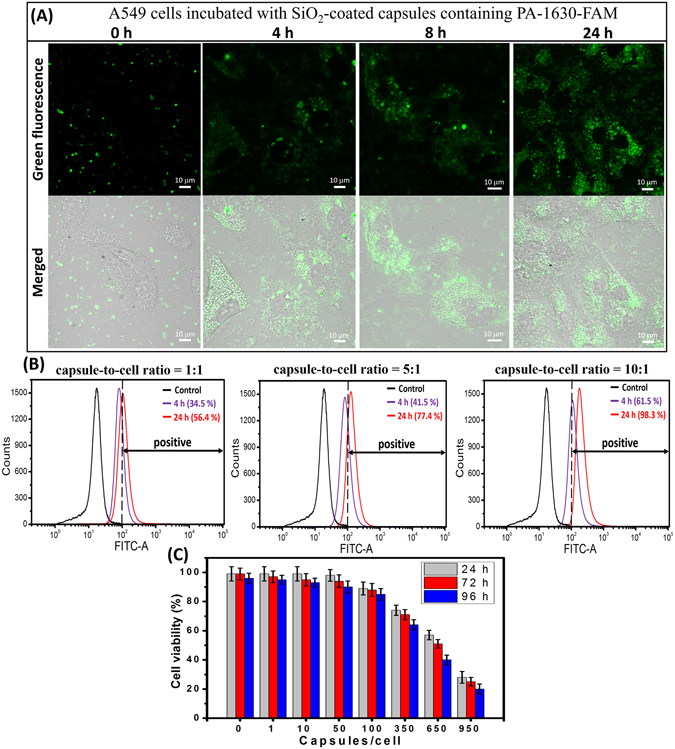
The implementation of RNAi technology into the clinical practice has been significantly postponing due to the issues regarding to the delivery of naked siRNA predominantly to target cells. Here we report the approach to enhance the efficiency of siRNA delivery by encapsulating the siRNA into new carrier systems which are obtained via the combination of widely used layer-by-layer technique and in situ modification by sol-gel chemistry. We used three types of siRNAs (NP-717, NP-1155 and NP-1496) in encapsulated form as new therapeutic agents against H1N1 influenza virus infection. By employing the hybrid microcontainers for the siRNA encapsulation we demonstrate the reduction of viral nucleoprotein (NP) level and inhibition of influenza virus production in infected cell lines (MDCK and A549). The obtained hybrid carriers based on assembled biodegradable polyelectrolytes and sol-gel coating possess several advantages such as a high cell uptake efficiency, low toxicity, efficient intracellular delivery of siRNAs and the protection of siRNAs from premature degradation before reaching the target cells. These findings underpin a great potential of versatile microencapsulation technology for the development of anti-viral RNAi delivery systems against influenza virus infection.
由于将裸露的 siRNA 递送至靶细胞的问题,RNAi 技术在临床实践中的应用一直被显著推迟。在这里,我们报告了一种通过将 siRNA 包封到通过广泛使用的层层技术和溶胶-凝胶化学原位修饰获得的新型载体系统中来提高 siRNA 递送效率的方法。我们使用三种类型的 siRNA(NP-717、NP-1155 和 NP-1496)作为针对 H1N1 流感病毒感染的新型治疗剂以包封形式使用。通过采用混合微容器进行 siRNA 包封,我们证明了在感染的细胞系(MDCK 和 A549)中降低了病毒核蛋白(NP)水平并抑制了流感病毒的产生。基于组装的可生物降解聚电解质和溶胶-凝胶涂层的所得混合载体具有多种优点,例如高细胞摄取效率、低毒性、siRNA 的有效细胞内递送以及在到达靶细胞之前防止 siRNA 过早降解。这些发现为多功能微封装技术在开发针对流感病毒感染的抗病毒 RNAi 递送系统方面提供了巨大的潜力。