Abd-Ellatef Gamal-Eldein F, Ahmed Osama M, Abdel-Reheim Eman S, Abdel-Hamid Abdel-Hamid Z
Pharmaceutical and Drug Industries Research Division, Therapeutic Chemistry Department, National Research Centre, Cairo, Egypt.
Division of Physiology, Department of Zoology, Faculty of Science, Beni-Suef University, Beni-Suef, Egypt.
Breast Cancer (Dove Med Press). 2017 Feb 27;9:67-83. doi: 10.2147/BCTT.S125165. eCollection 2017.
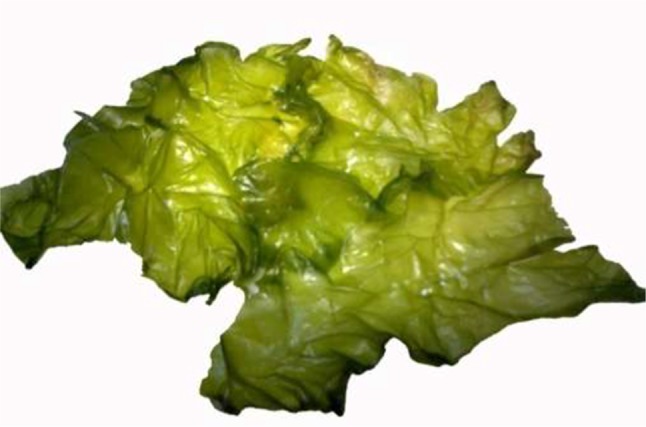
Recently, several research studies have been focused on the isolation and function of the polysaccharides derived from different algal species, which revealed multiple biological activities such as antioxidant and antitumor activities. This study assesses the possible breast cancer chemopreventive properties of common seaweeds, sea lettuce, (ulvan) polysaccharides using in vitro bioassays on human breast cancer cell line (MCF-7) and an in vivo animal model of breast carcinogenesis.
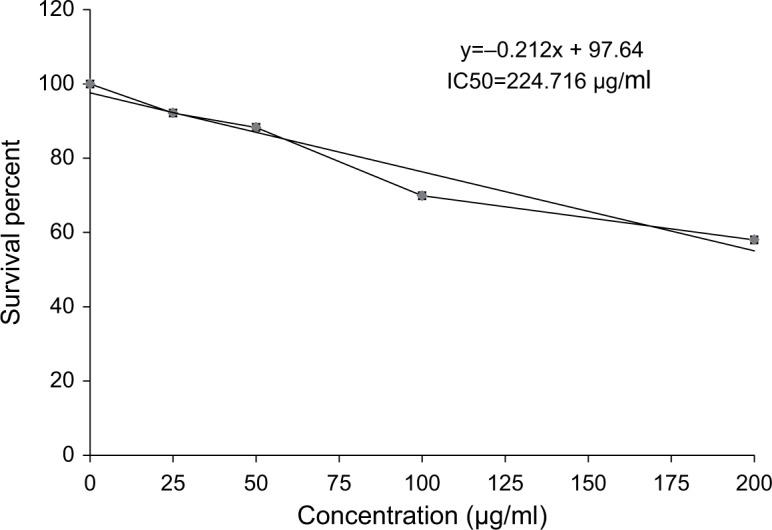
Cytotoxic effect of ulvan polysaccharides on MCF-7 was tested in vitro. For an in vivo investigation, a single dose of 25 mg/kg body weight 7,12-dimethylbenz[a]anthracene (DMBA) and ulvan polysaccharides (50 mg/kg body weight every other day) for 10 weeks were administered orally to the Wistar rats.
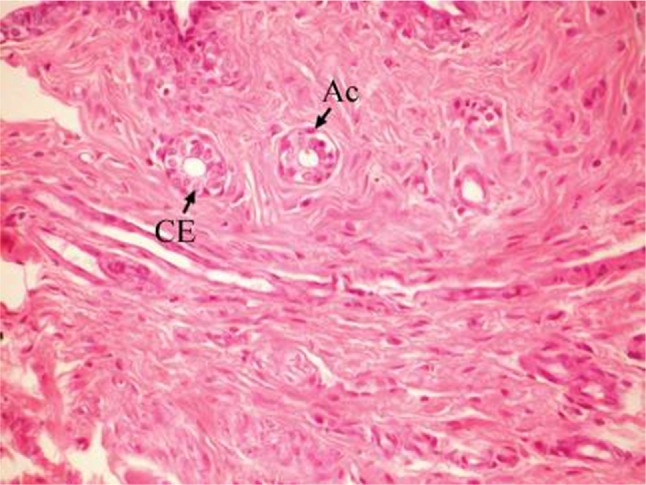
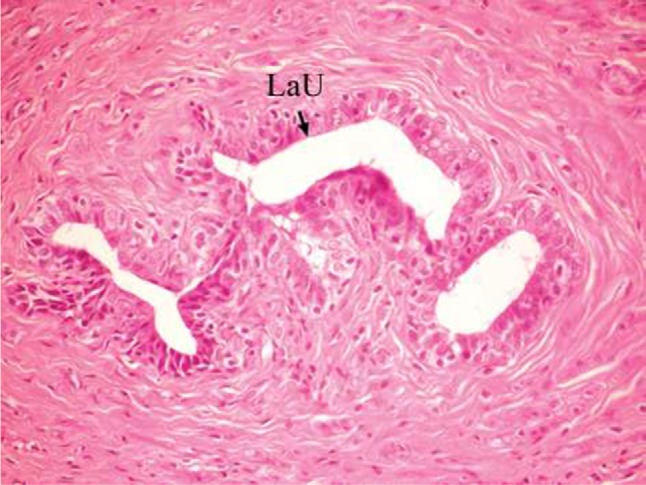
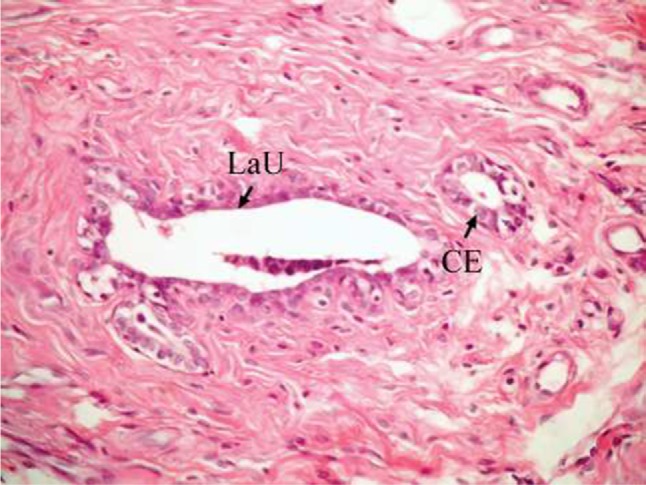
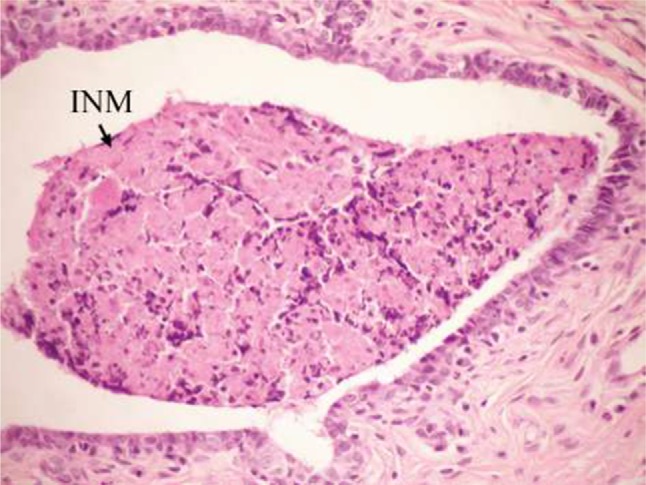
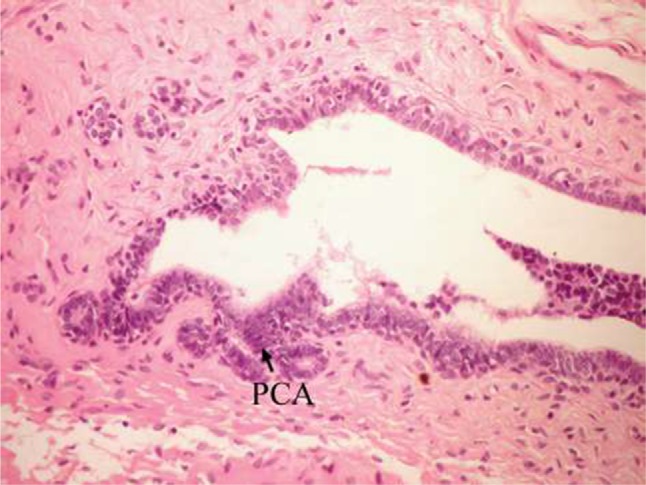
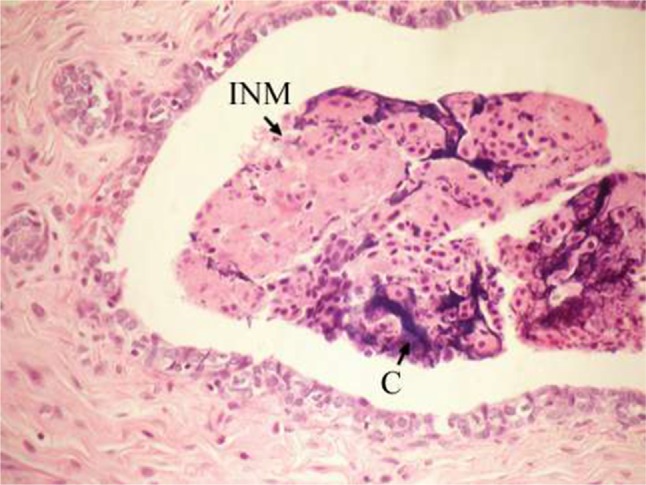
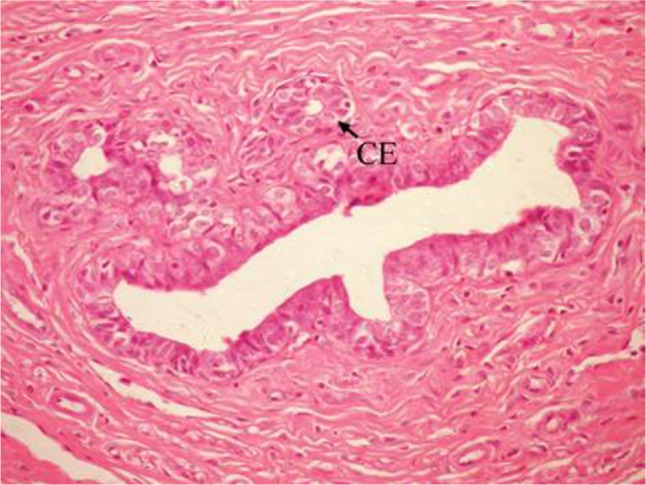
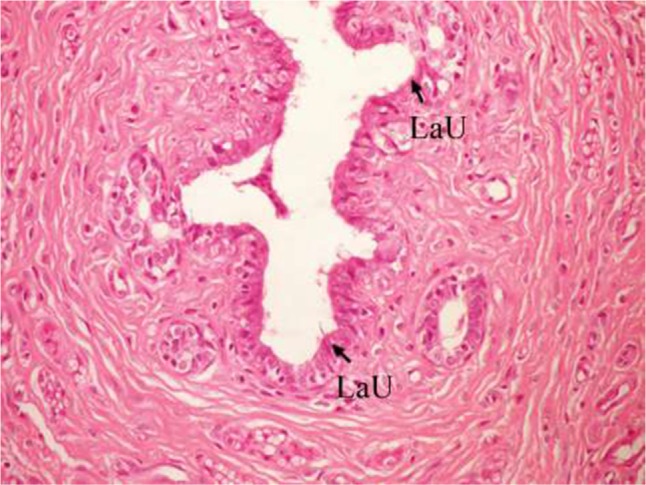
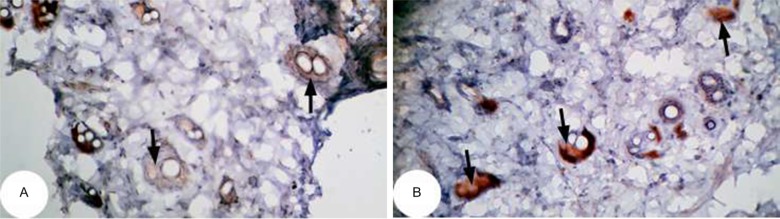
Deleterious histopathological alterations in breast tissues including papillary cyst adenoma and hyperplasia of ductal epithelial lining with intraluminal necrotic materials and calcifications were observed in the DMBA-administered group. These lesions were prevented in the DMBA-administered group treated with ulvan polysaccharides. The immunohistochemical sections depicted that the treatment of DMBA-administered rats with ulvan polysaccharides markedly increased the lowered pro-apoptotic protein, p53, and decreased the elevated anti-apoptotic marker, bcl2, expression in the breast tissue. The elevated lipid peroxidation and the suppressed antioxidant enzyme activities in DMBA-administered control were significantly prevented by the treatment with ulvan polysaccharides. The elevated levels of inflammatory cytokines tumor necrosis factor-α and nitric oxide were significantly ameliorated in DMBA-administered rats treated with ulvan polysaccharides as compared to DMBA-administered control.
In conclusion, ulvan polysaccharides at the level of initiation and promotion might have potential chemopreventive effects against breast carcinogenesis. These preventive effects may be mediated through the augmentation of apoptosis, suppression of oxidative stress and inflammation, and enhancement of antioxidant defense system.
最近,多项研究聚焦于从不同藻类物种中提取的多糖的分离及功能,这些研究揭示了其多种生物活性,如抗氧化和抗肿瘤活性。本研究通过对人乳腺癌细胞系(MCF-7)进行体外生物测定以及在乳腺癌发生的体内动物模型中,评估常见海藻——石莼(石莼多糖)多糖对乳腺癌的潜在化学预防特性。
体外测试石莼多糖对MCF-7的细胞毒性作用。在体内研究中,对Wistar大鼠口服单剂量25 mg/kg体重的7,12-二甲基苯并[a]蒽(DMBA)和石莼多糖(每隔一天50 mg/kg体重),持续10周。
在给予DMBA的组中,观察到乳腺组织出现有害的组织病理学改变,包括乳头状囊腺瘤以及导管上皮内衬增生,伴有管腔内坏死物质和钙化。在用石莼多糖处理的给予DMBA的组中,这些病变得到了预防。免疫组织化学切片显示,用石莼多糖处理给予DMBA的大鼠,显著增加了降低的促凋亡蛋白p53,并降低了乳腺组织中升高的抗凋亡标志物bcl2的表达。给予DMBA的对照组中升高的脂质过氧化和受抑制的抗氧化酶活性,通过石莼多糖处理得到了显著预防。与给予DMBA的对照组相比,在用石莼多糖处理的给予DMBA的大鼠中,炎症细胞因子肿瘤坏死因子-α和一氧化氮的升高水平得到了显著改善。
总之,在起始和促进阶段,石莼多糖可能对乳腺癌发生具有潜在的化学预防作用。这些预防作用可能通过增强细胞凋亡、抑制氧化应激和炎症以及增强抗氧化防御系统来介导。