Maki Chihiro, Funakoshi-Tago Megumi, Aoyagi Ryohei, Ueda Fumihito, Kimura Masaki, Kobata Kenji, Tago Kenji, Tamura Hiroomi
Graduate School of Pharmaceutical Sciences, Keio University, Minato-ku, Tokyo, Japan.
Faculty of Pharmaceutical Sciences, Josai University, Sakado, Saitama, Japan.
PLoS One. 2017 Mar 10;12(3):e0173264. doi: 10.1371/journal.pone.0173264. eCollection 2017.
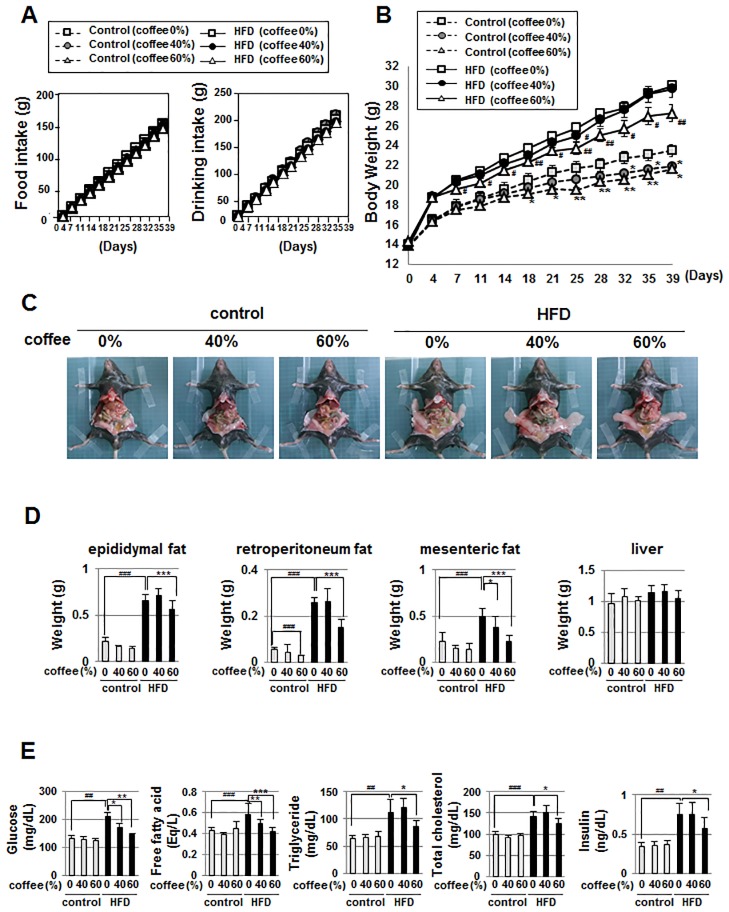
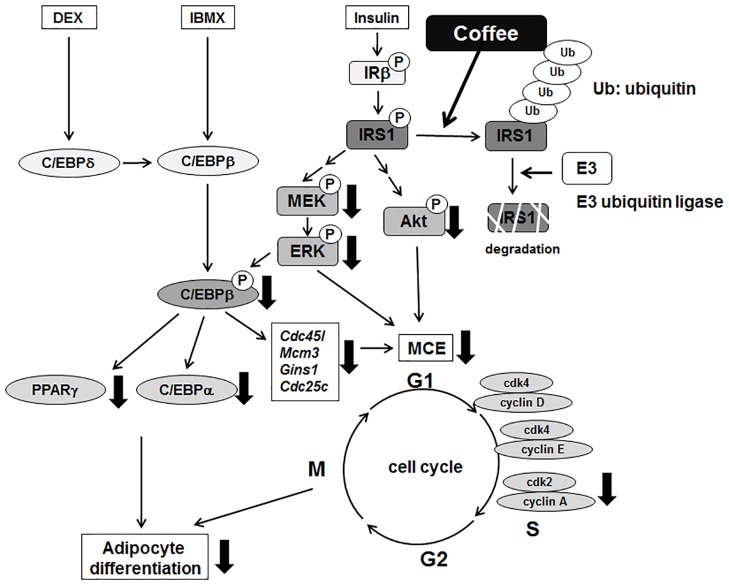
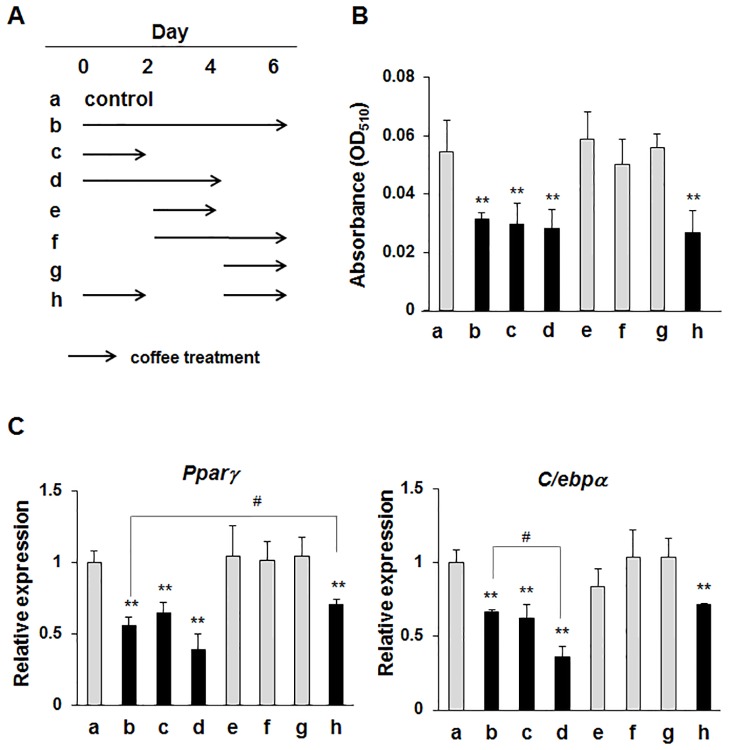
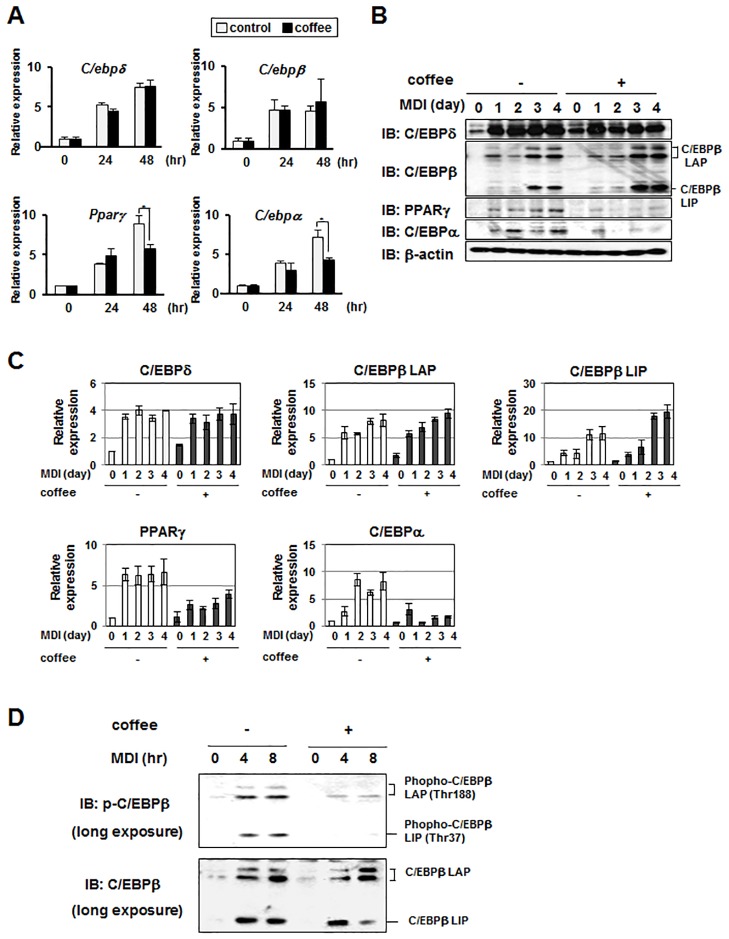
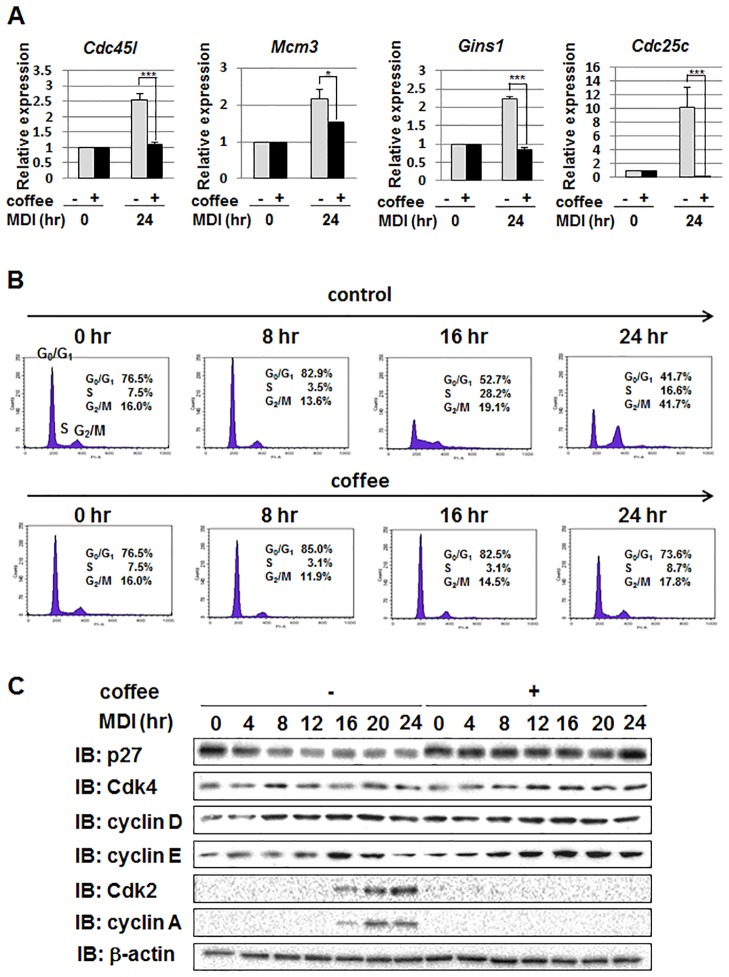
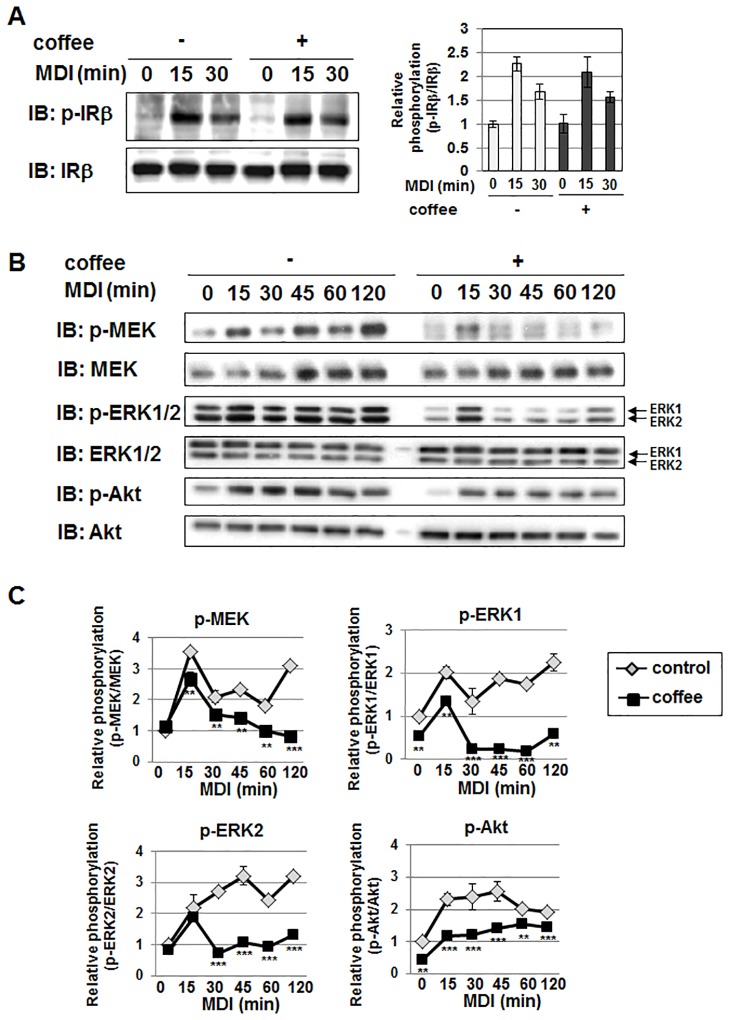
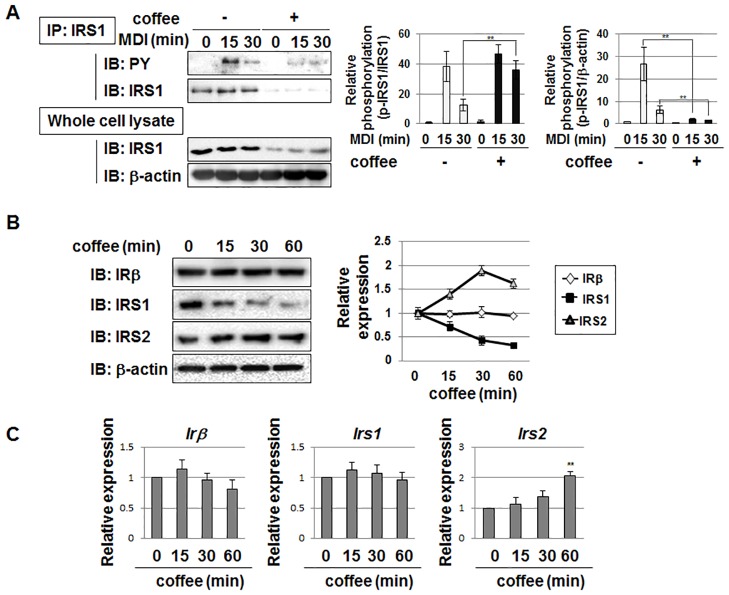
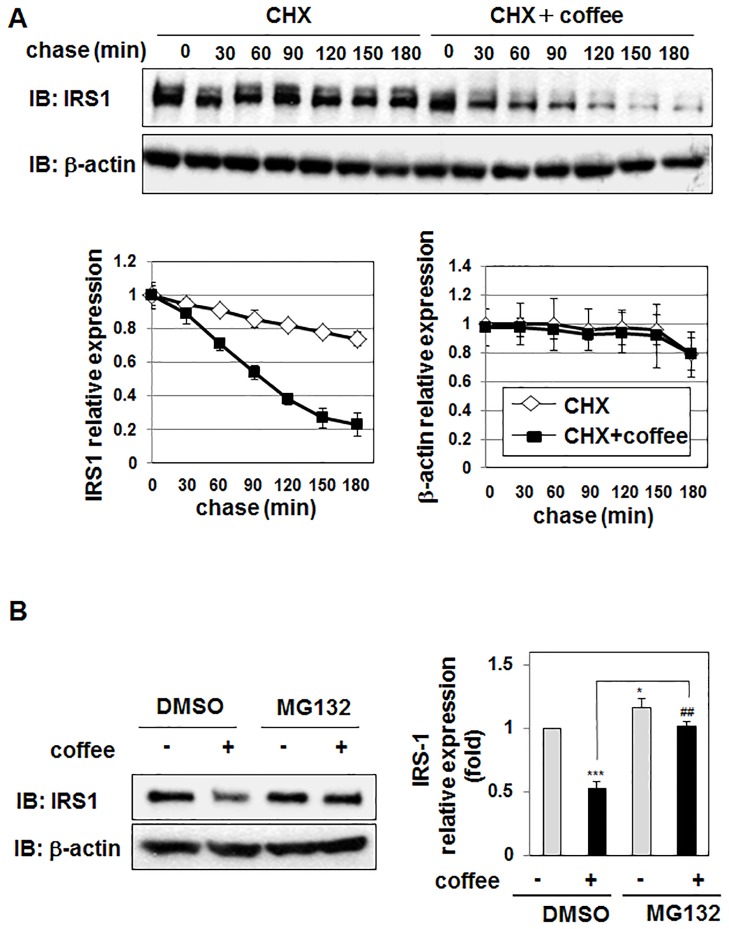
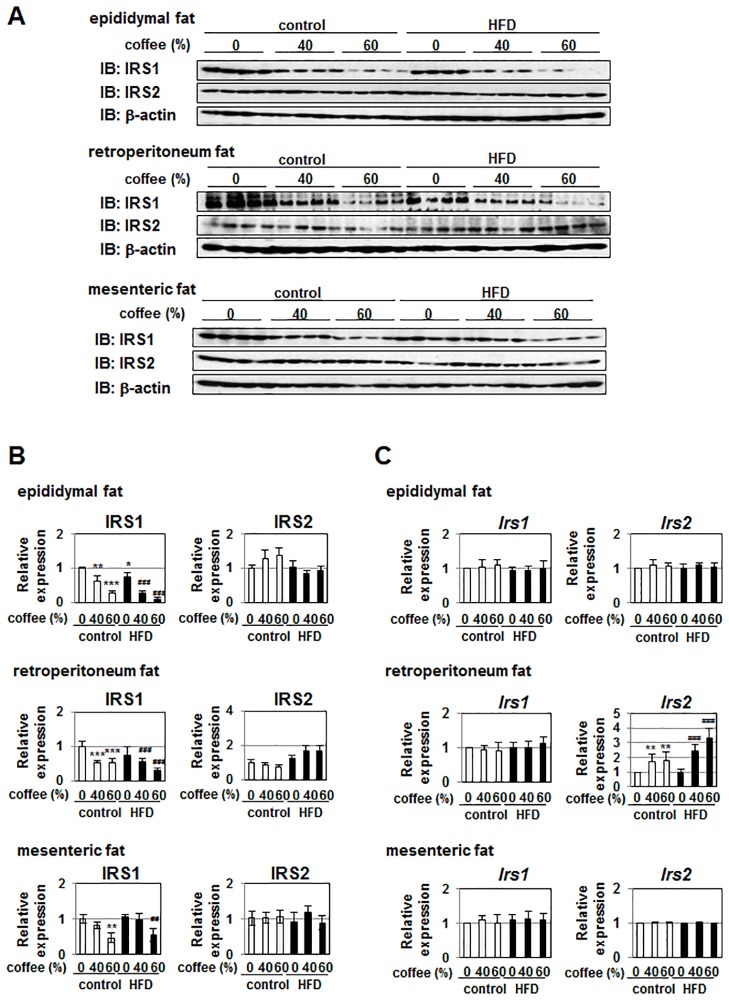
Although epidemiological data have indicated that a strong negative association exists between coffee consumption and the prevalence of obesity-associated diseases, the molecular mechanisms by which coffee intake prevents obesity-associated diseases has not yet been elucidated. In this study, we found that coffee intake significantly suppressed high-fat diet (HFD)-induced metabolic alternations such as increases in body weight and the accumulation of adipose tissue, and up-regulation of glucose, free fatty acid, total cholesterol and insulin levels in the blood. We also found that coffee extract significantly inhibited adipogenesis in 3T3-L1 preadipocytes. In the early phase of adipogenesis, 3T3-L1 cells treated with coffee extract displayed the retardation of cell cycle entry into the G2/M phase called as mitotic clonal expansion (MCE). Coffee extract also inhibited the activation of CCAAT/enhancer-binding protein β (C/EBPβ) by preventing its phosphorylation by ERK. Furthermore, the coffee extract suppressed the adipogenesis-related events such as MCE and C/EBPβ activation through the down-regulation of insulin receptor substrate 1 (IRS1). The stability of the IRS1 protein was markedly decreased by the treatment with coffee extract due to proteasomal degradation. These results have revealed an anti-adipogenic function for coffee intake and identified IRS1 as a novel target for coffee extract in adipogenesis.
尽管流行病学数据表明咖啡消费与肥胖相关疾病的患病率之间存在强烈的负相关,但咖啡摄入预防肥胖相关疾病的分子机制尚未阐明。在本研究中,我们发现咖啡摄入显著抑制了高脂饮食(HFD)诱导的代谢变化,如体重增加、脂肪组织积累以及血液中葡萄糖、游离脂肪酸、总胆固醇和胰岛素水平的上调。我们还发现咖啡提取物显著抑制了3T3-L1前脂肪细胞的脂肪生成。在脂肪生成的早期阶段,用咖啡提取物处理的3T3-L1细胞表现出细胞周期进入G2/M期的延迟,这被称为有丝分裂克隆扩增(MCE)。咖啡提取物还通过阻止ERK对CCAAT/增强子结合蛋白β(C/EBPβ)的磷酸化来抑制其激活。此外,咖啡提取物通过下调胰岛素受体底物1(IRS1)来抑制与脂肪生成相关的事件,如MCE和C/EBPβ激活。由于蛋白酶体降解,用咖啡提取物处理后IRS1蛋白的稳定性显著降低。这些结果揭示了咖啡摄入的抗脂肪生成功能,并确定IRS1是咖啡提取物在脂肪生成中的一个新靶点。