Erian Ihab, Phillips Clive J C
Centre for Animal Welfare and Ethics, School of Veterinary Science, University of Queensland, Gatton, Queensland 4343, Australia.
Animals (Basel). 2017 Mar 9;7(3):20. doi: 10.3390/ani7030020.
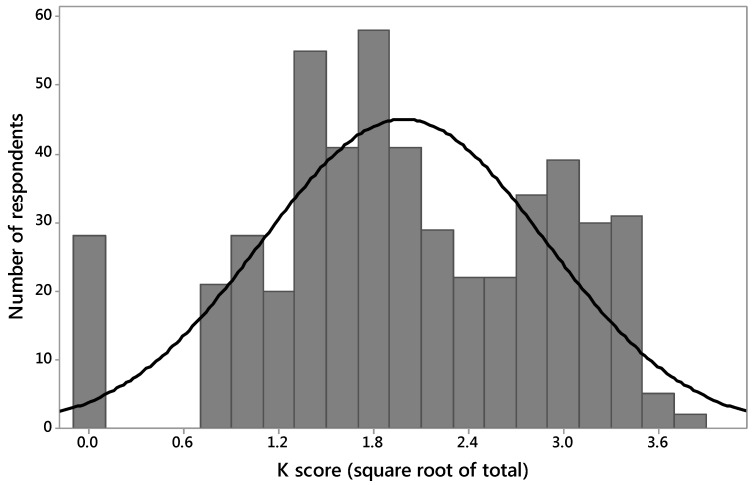
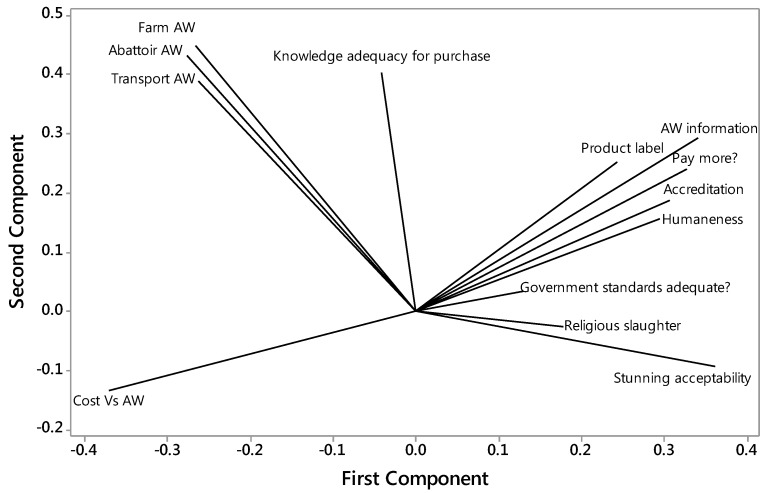
Little is known about public knowledge of meat chicken production and how it influences attitudes to birds' welfare and consumer behaviour. We interviewed 506 members of the public in SE Queensland; Australia; to determine how knowledge of meat chicken production and slaughter links to attitudes and consumption. Knowledge was assessed from 15 questions and low scores were supported by respondents' self-assessed report of low knowledge levels and agreement that their knowledge was insufficient to form an opinion about which chicken products to purchase. Older respondents and single people without children were most knowledgeable. There was uncertainty about whether chicken welfare was adequate, particularly in those with little knowledge. There was also evidence that a lack of empathy towards chickens related to lack of knowledge, since those that thought it acceptable that some birds are inadequately stunned at slaughter had low knowledge scores. More knowledgeable respondents ate chicken more frequently and were less likely to buy products with accredited labelling. Approximately half of the respondents thought the welfare of the chicken was more important than the cost. It is concluded that the public's knowledge has an important connection to their attitudes and consumption of chicken.
关于公众对肉鸡生产的了解程度,以及这种了解如何影响他们对禽类福利的态度和消费者行为,我们所知甚少。我们采访了澳大利亚昆士兰州东南部的506名公众,以确定他们对肉鸡生产和屠宰的了解与态度及消费之间的联系。通过15个问题评估知识水平,得分较低得到了受访者自我评估报告的佐证,他们表示知识水平低,并认同自己的知识不足以形成关于购买哪种鸡肉产品的看法。年龄较大的受访者以及没有孩子的单身人士知识最为丰富。对于鸡的福利是否充足存在不确定性,尤其是在知识匮乏的人群中。还有证据表明,对鸡缺乏同理心与知识匮乏有关,因为那些认为有些禽类在屠宰时未被充分击晕是可以接受的人,知识得分较低。知识更丰富的受访者更频繁地食用鸡肉,并且不太可能购买带有认证标签的产品。大约一半的受访者认为鸡的福利比成本更重要。研究得出结论,公众的知识与他们对鸡肉的态度和消费有着重要联系。