Afrin Sadia, Forbes-Hernandez Tamara Y, Gasparrini Massimiliano, Bompadre Stefano, Quiles José L, Sanna Gavino, Spano Nadia, Giampieri Francesca, Battino Maurizio
Department of Clinical Sciences, Faculty of Medicine, Polytechnic University of Marche, via Ranieri 65, Ancona 60131, Italy.
Department of Biomedical Sciences and Public Health, Faculty of Medicine, Polytechnic University of Marche, via Ranieri 65, Ancona 60131, Italy.
Int J Mol Sci. 2017 Mar 11;18(3):613. doi: 10.3390/ijms18030613.
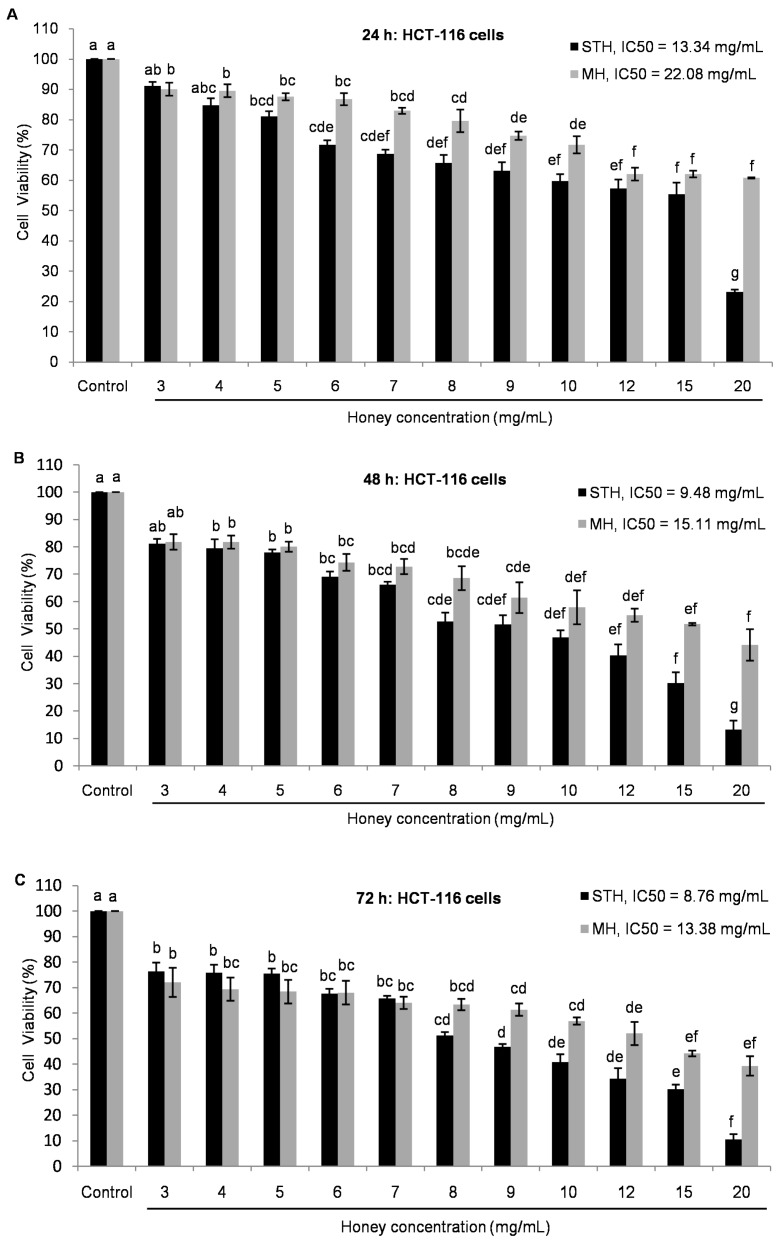
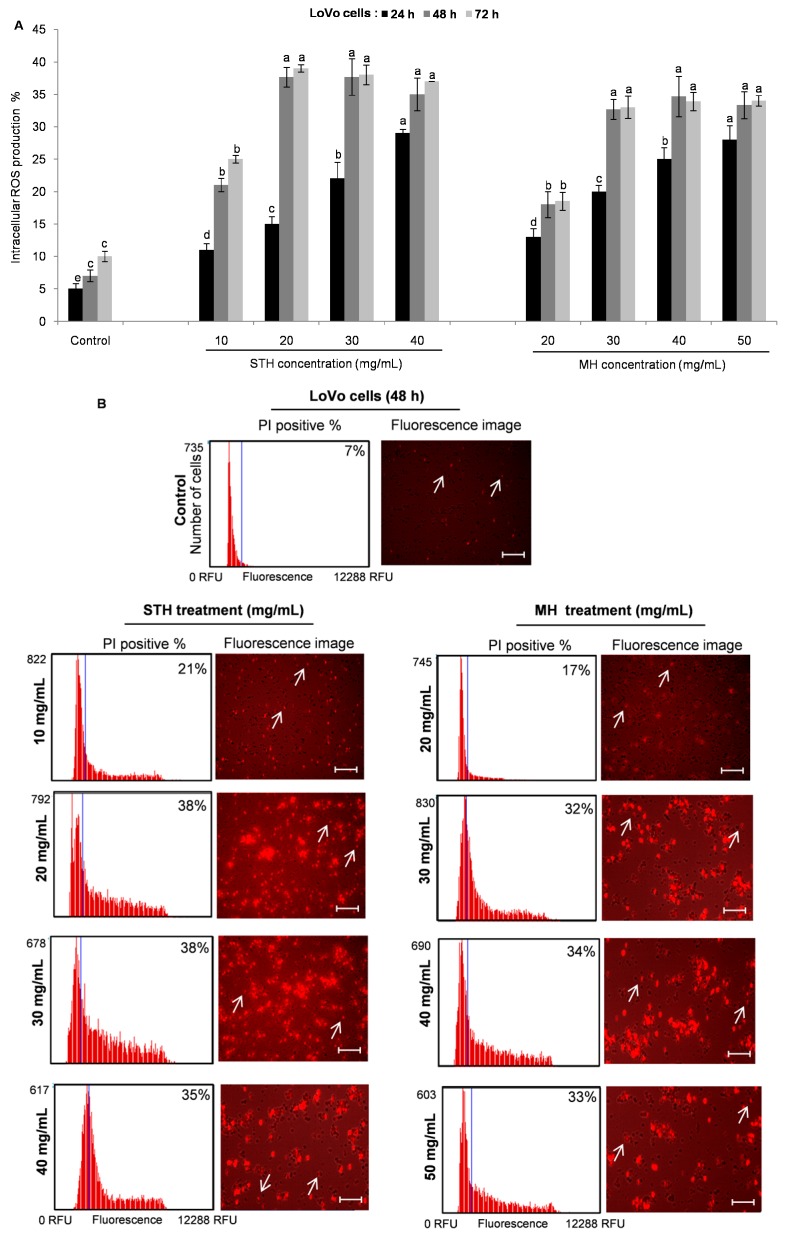
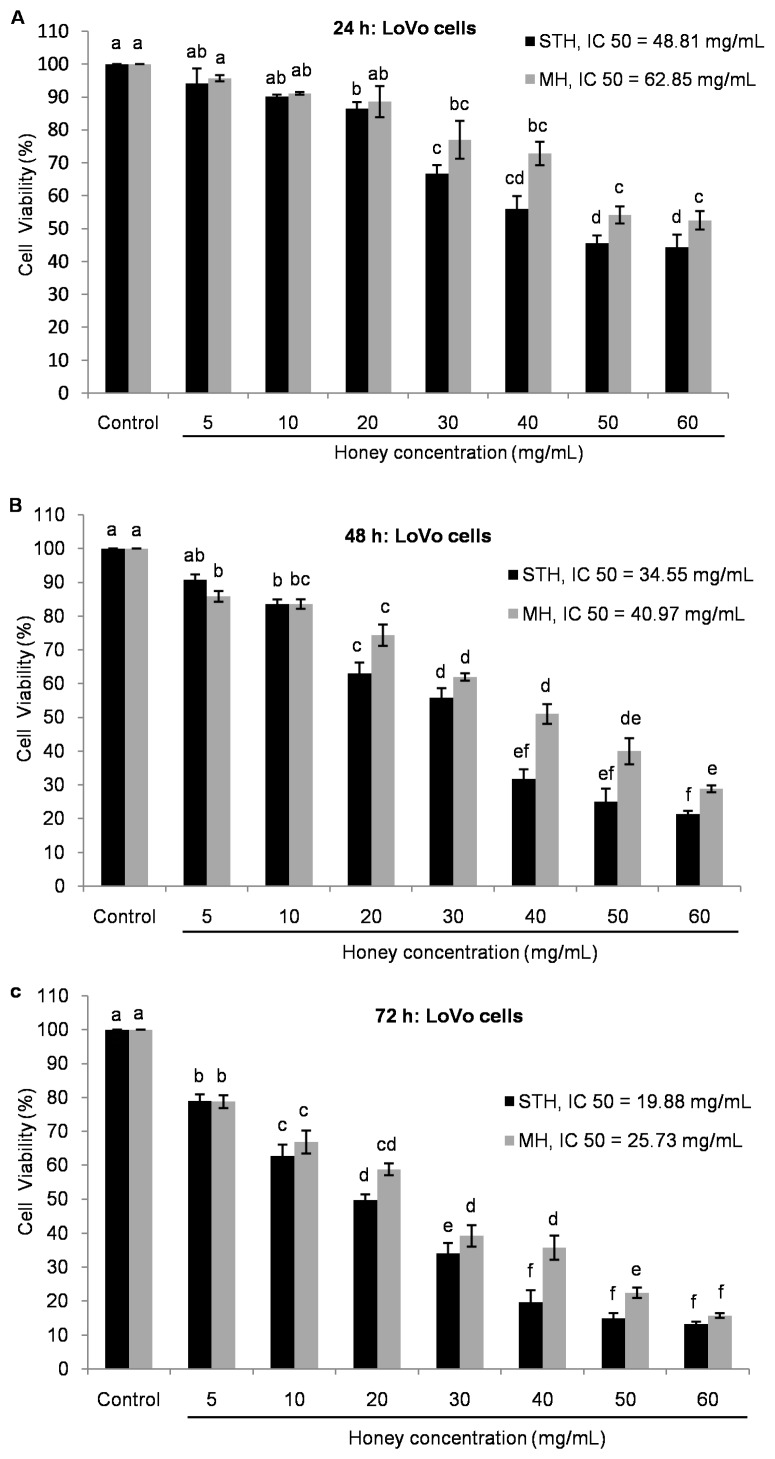
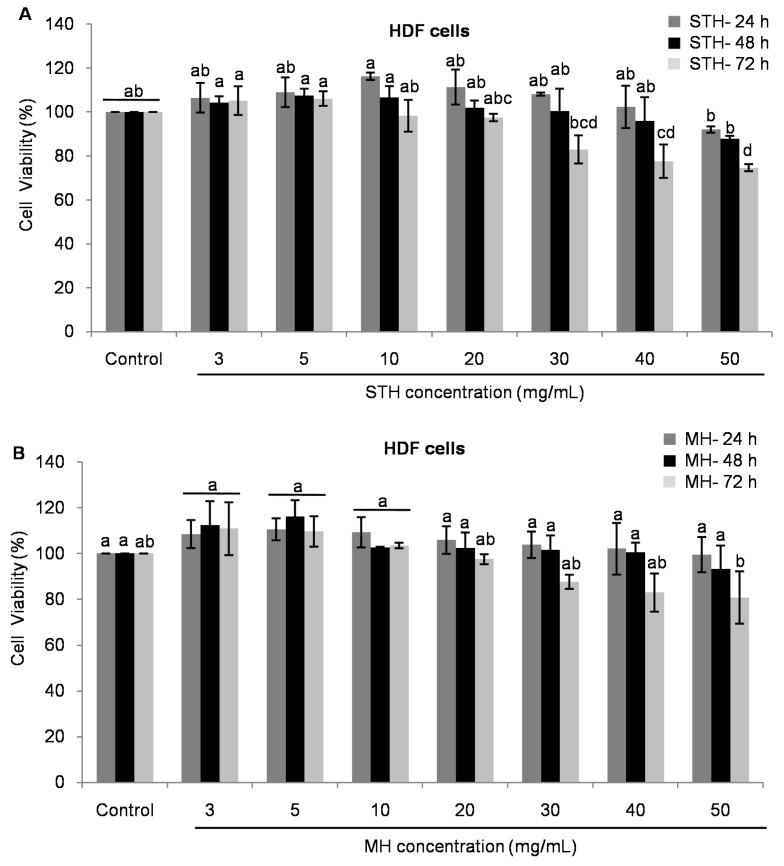
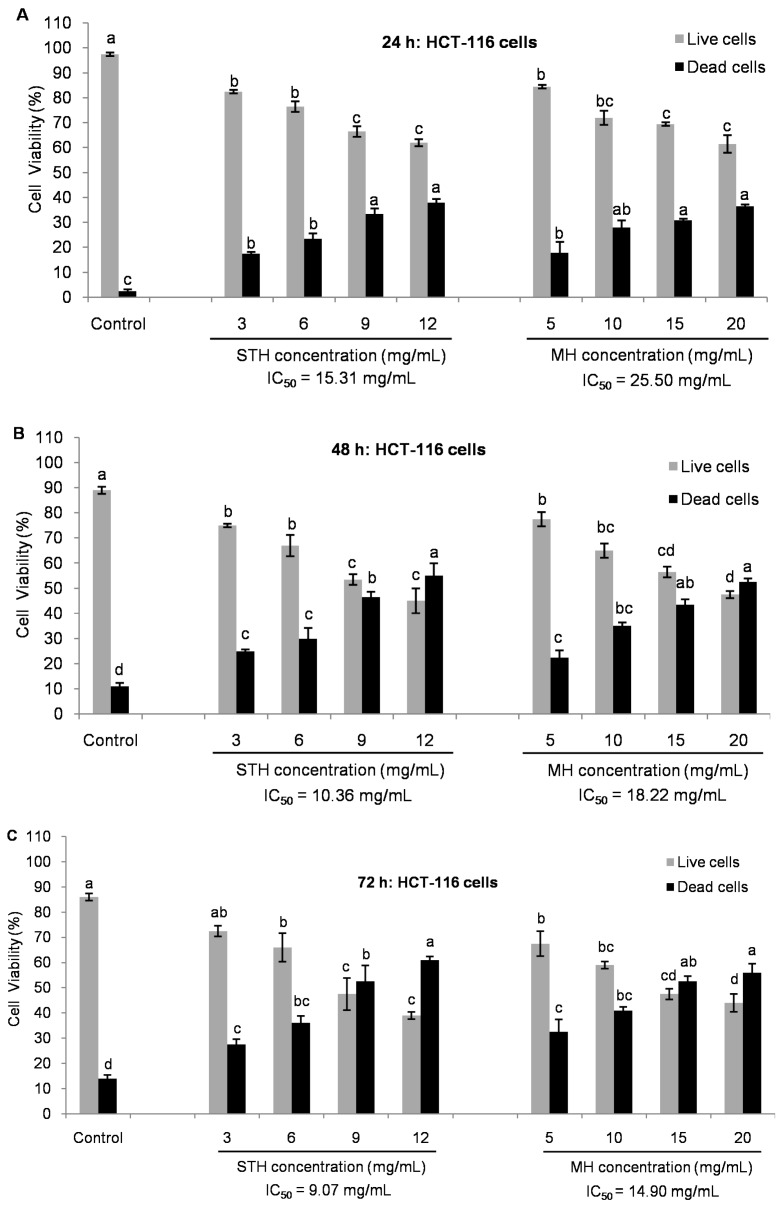
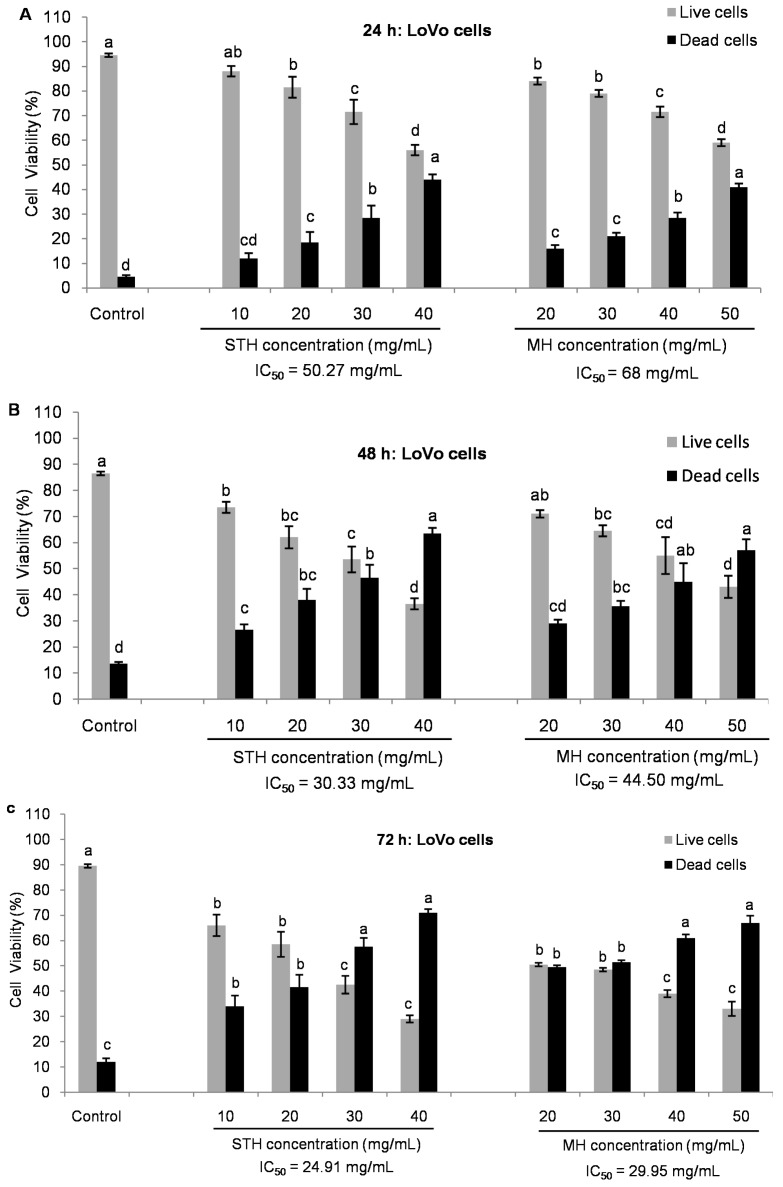
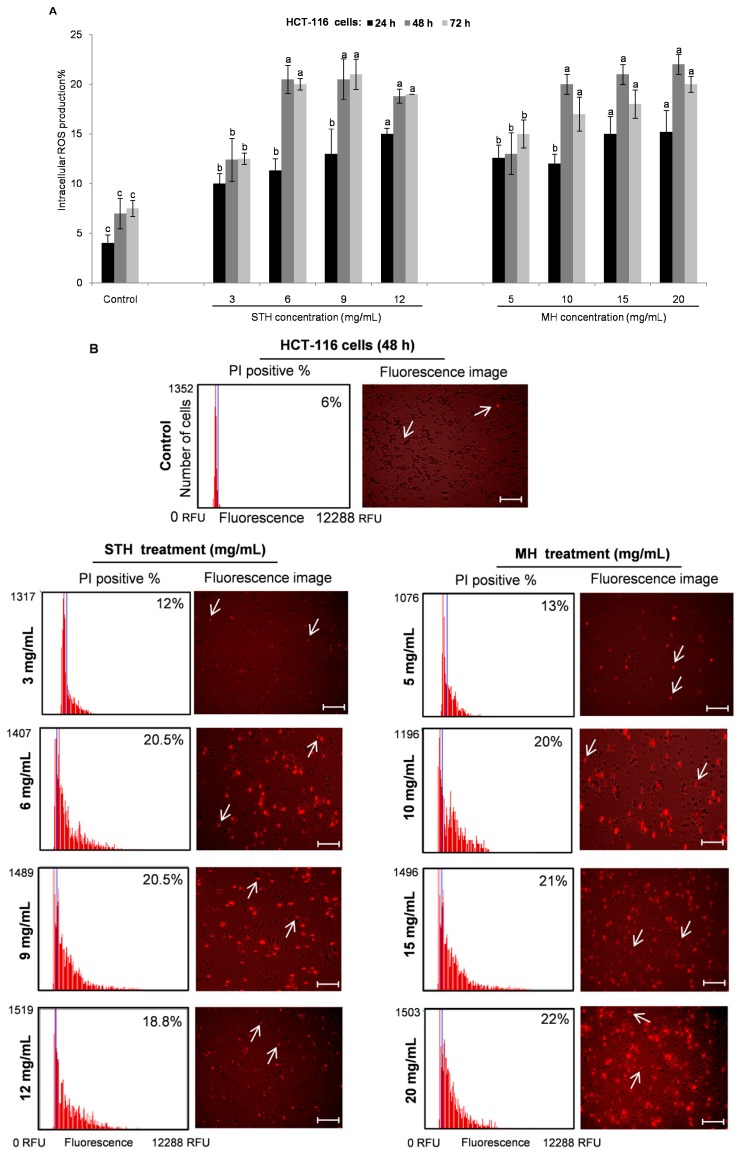
Honey is a natural product known to modulate several biological activities including cancer. The aim of the present study was to examine the phytochemical content and the antioxidant activity of Strawberry tree () honey (STH) and its cytotoxic properties against human colon adenocarcinoma (HCT-116) and metastatic (LoVo) cell lines in comparison with Manuka () honey (MH). Several unifloral STH and MH were analyzed for their phenolic, flavonoid, amino acid and protein contents, as well as their radical scavenging activities. STH from the Berchidda area showed the highest amount of phenolic, flavonoid, amino acid and protein content, and antioxidant capacity compared to MH. Both STH and MH induced cytotoxicity and cell death in a dose- and time-dependent manner in HCT-116 and LoVo cells, with less toxicity on non-cancer cells. Compared to MH, STH showed more effect at lower concentrations on HCT-116 and LoVo cells. In addition, both honeys increased intracellular reactive oxygen species (ROS) generation. In HCT-116 cells, STH and MH induced similar ROS production but in LoVo cells STH induced a higher percentage of ROS compared to MH. Our results indicate that STH and MH can induce cell growth inhibition and ROS generation in colon adenocarcinoma and metastatic cells, which could be due to the presence of phytochemicals with antioxidant properties. These preliminary results are interesting and suggest a potential chemopreventive action which could be useful for further studies in order to develop chemopreventive agents for colon cancer.
蜂蜜是一种已知能调节多种生物活性(包括抗癌活性)的天然产物。本研究的目的是检测草莓树蜂蜜(STH)的植物化学成分、抗氧化活性及其对人结肠腺癌(HCT - 116)和转移性(LoVo)细胞系的细胞毒性,并与麦卢卡蜂蜜(MH)进行比较。分析了几种单一花源的STH和MH的酚类、黄酮类、氨基酸和蛋白质含量,以及它们的自由基清除活性。与MH相比,来自贝奇达地区的STH的酚类、黄酮类、氨基酸和蛋白质含量以及抗氧化能力最高。STH和MH均以剂量和时间依赖性方式诱导HCT - 116和LoVo细胞的细胞毒性和细胞死亡,对非癌细胞的毒性较小。与MH相比,STH在较低浓度下对HCT - 116和LoVo细胞的作用更强。此外,两种蜂蜜均增加细胞内活性氧(ROS)的生成。在HCT - 116细胞中,STH和MH诱导的ROS产生相似,但在LoVo细胞中,与MH相比,STH诱导产生的ROS百分比更高。我们的结果表明,STH和MH可诱导结肠腺癌和转移细胞的细胞生长抑制和ROS生成,这可能归因于具有抗氧化特性的植物化学成分的存在。这些初步结果很有趣,并提示了一种潜在的化学预防作用,这对于进一步研究开发结肠癌化学预防剂可能是有用的。