Yin Qiuju, Shi Tianyu, Dong Chao, Yan Zhijun
School of Management and Economics, Beijing Institute of Technology, Beijing, China.
Sustainable Development Research Institute for Economy and Society of Beijing, Beijing, China.
PLoS One. 2017 Mar 14;12(3):e0173411. doi: 10.1371/journal.pone.0173411. eCollection 2017.
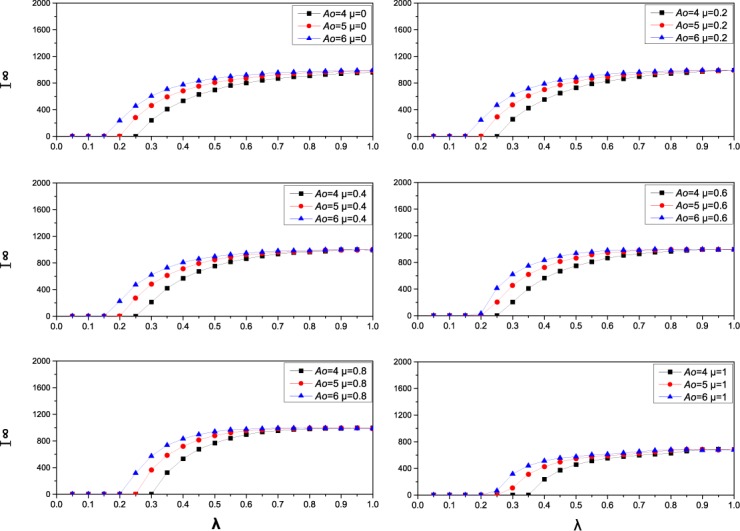
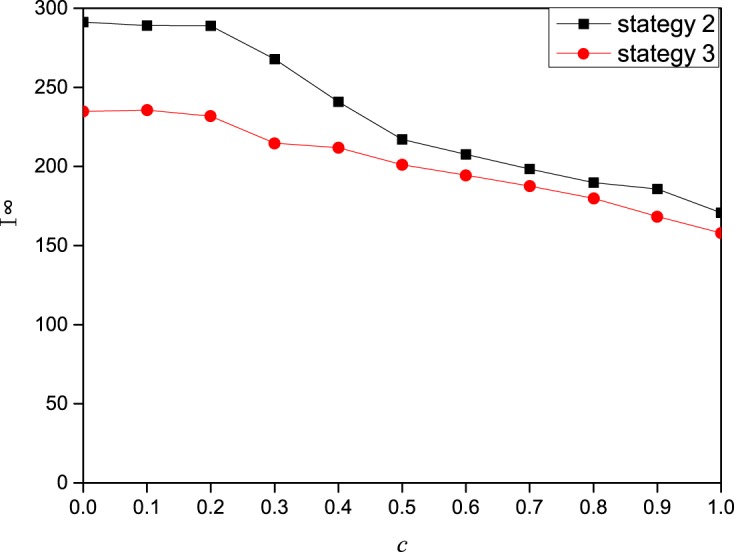
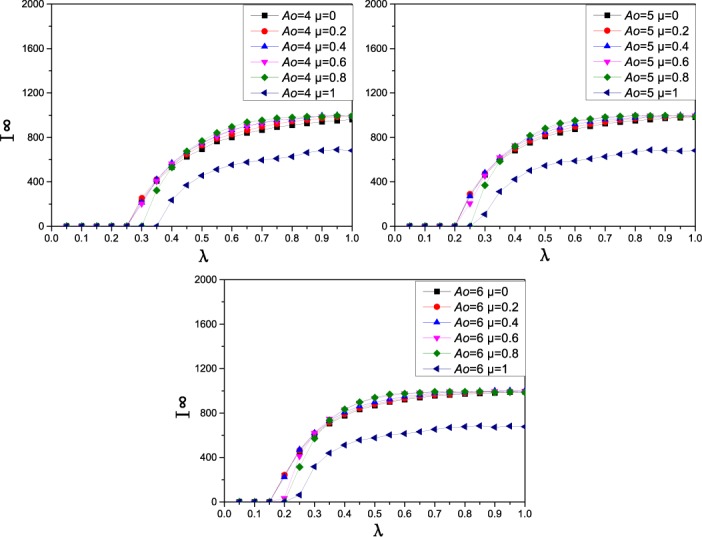
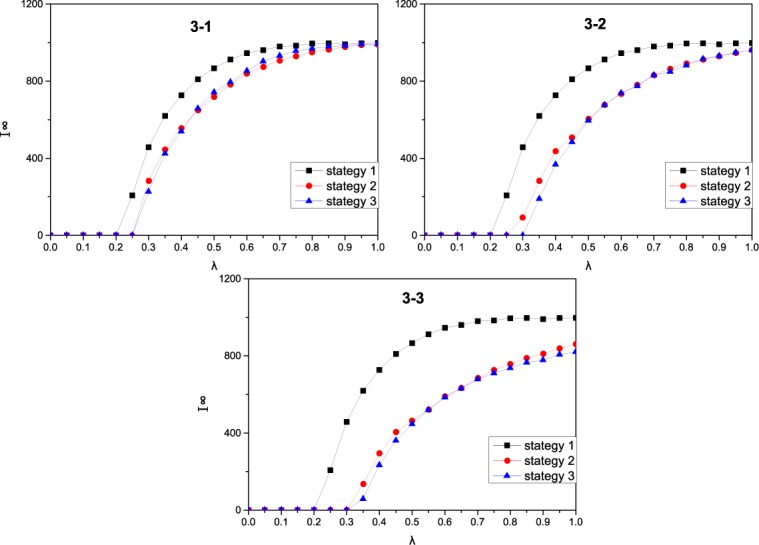
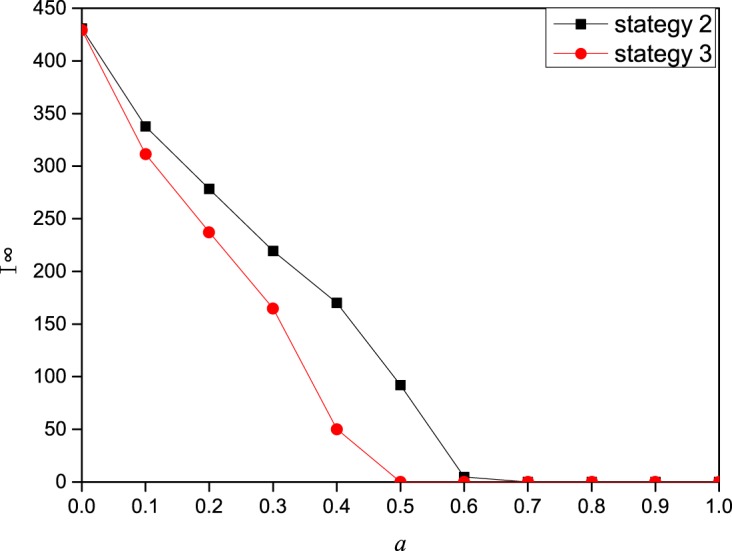
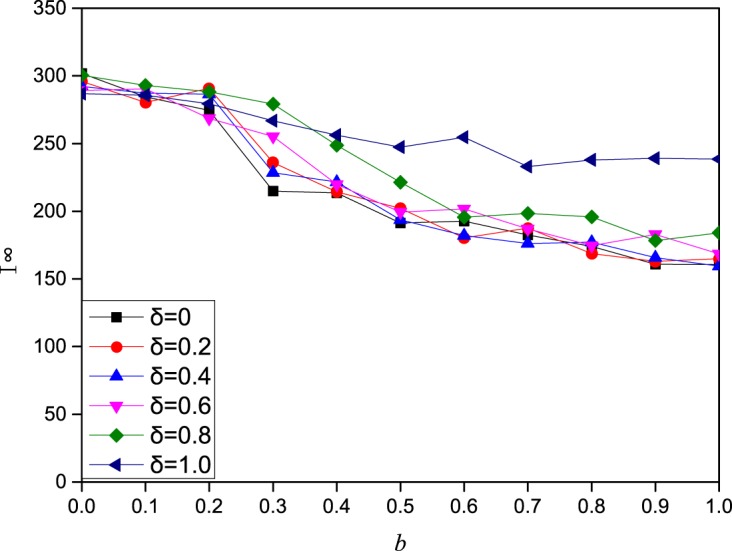
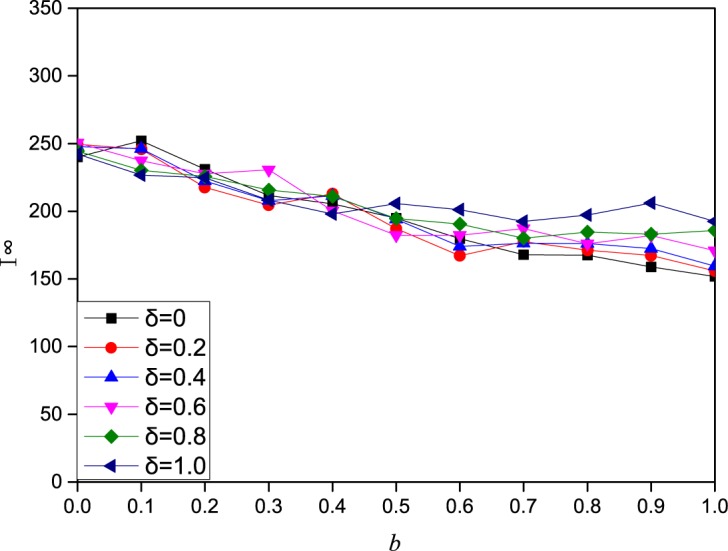
In social networks, individuals have relationships with their neighbor nodes (acquaintance contacts) and also randomly contact other nodes without direct links (stranger contacts). However, these two types of contact patterns are rarely considered together. In this paper, we propose a modified SIS (Susceptible-Infected-Susceptible) model in which a node not only contacts neighbor nodes but also randomly contacts other nodes in the network. We implement the model on a scale-free network and study the influence of different types of contact patterns on epidemic dynamics as well as three possible strategies people adopt when disease outbreaks. The results show that a greater preference for acquaintance contacts makes a disease outbreak less likely. Moreover, the best protective strategy to control the disease is to adjust both the contact number and the contact pattern. In addition, the epidemic is more likely to be controlled when individuals take more information into consideration.
在社交网络中,个体与邻居节点(熟人联系)有关系,并且还会随机接触没有直接联系的其他节点(陌生人联系)。然而,这两种接触模式很少被同时考虑。在本文中,我们提出了一种改进的SIS(易感-感染-易感)模型,其中一个节点不仅与邻居节点接触,还会随机接触网络中的其他节点。我们在无标度网络上实现该模型,并研究不同类型的接触模式对疫情动态的影响,以及疾病爆发时人们可能采取的三种策略。结果表明,对熟人接触的偏好越高,疾病爆发的可能性就越小。此外,控制疾病的最佳保护策略是同时调整接触数量和接触模式。此外,当个体考虑更多信息时,疫情更有可能得到控制。