Department of Biomedical Engineering, Case Western Reserve University, Cleveland, OH, USA.
Wiley Interdiscip Rev Nanomed Nanobiotechnol. 2017 Nov;9(6). doi: 10.1002/wnan.1464. Epub 2017 Mar 15.
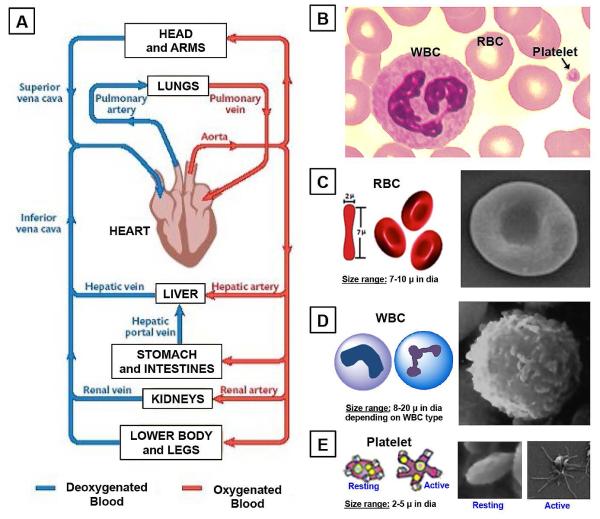
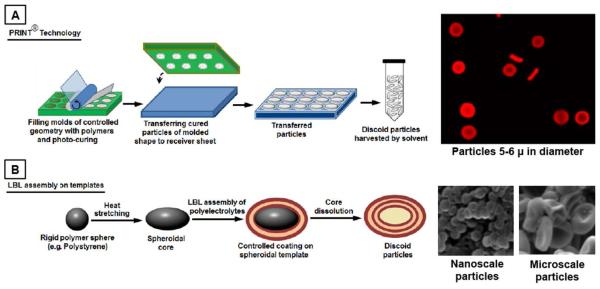
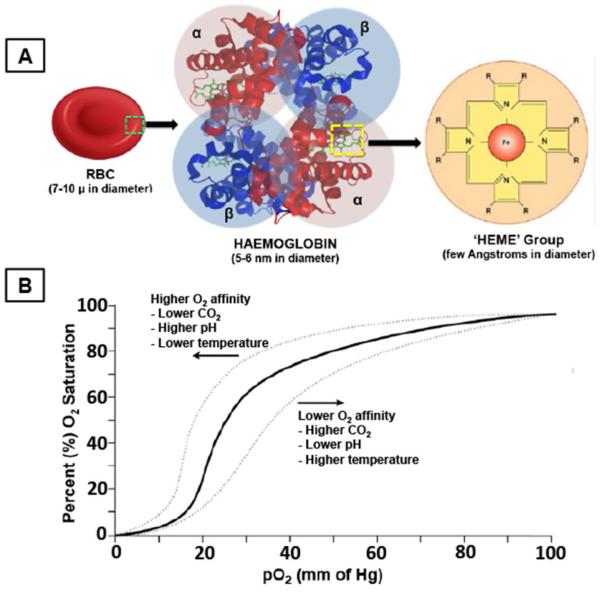
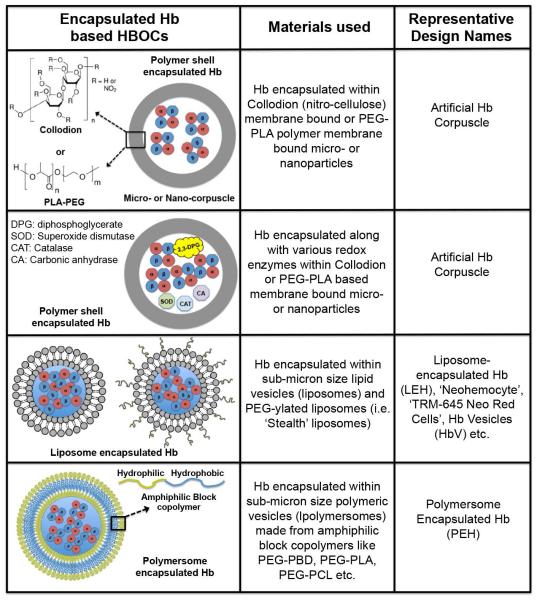
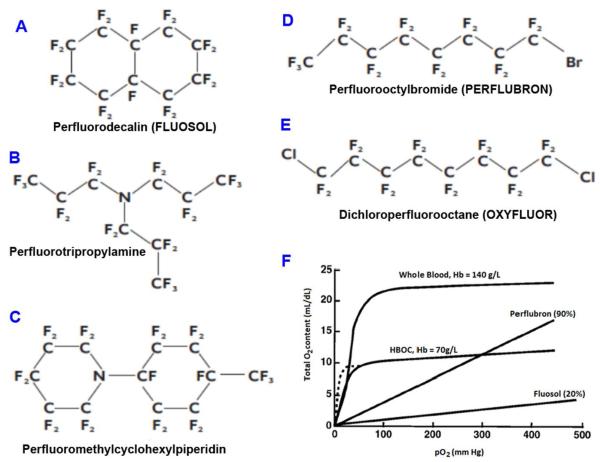
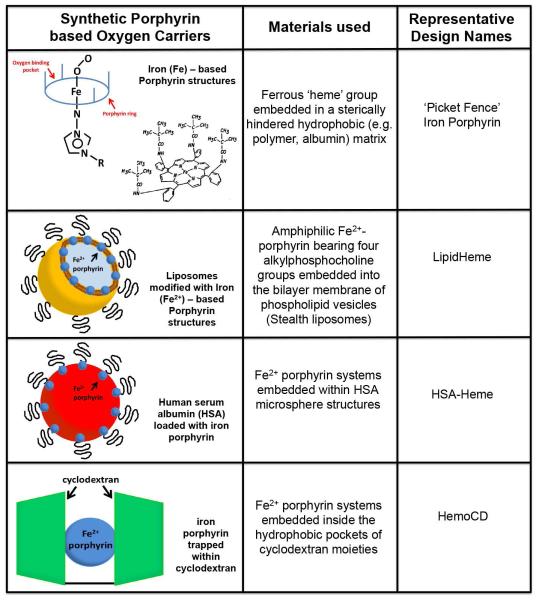
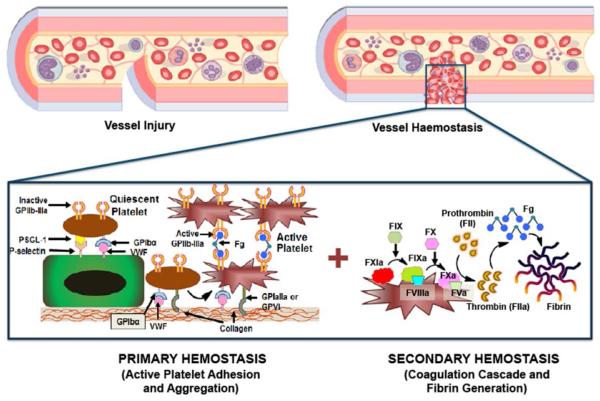
Blood is a fluid connective tissue where living cells are suspended in noncellular liquid matrix. The cellular components of blood render gas exchange (RBCs), immune surveillance (WBCs) and hemostatic responses (platelets), and the noncellular components (salts, proteins, etc.) provide nutrition to various tissues in the body. Dysfunction and deficiencies in these blood components can lead to significant tissue morbidity and mortality. Consequently, transfusion of whole blood or its components is a clinical mainstay in the management of trauma, surgery, myelosuppression, and congenital blood disorders. However, donor-derived blood products suffer from issues of shortage in supply, need for type matching, high risks of pathogenic contamination, limited portability and shelf-life, and a variety of side-effects. While robust research is being directed to resolve these issues, a parallel clinical interest has developed toward bioengineering of synthetic blood substitutes that can provide blood's functions while circumventing the above problems. Nanotechnology has provided exciting approaches to achieve this, using materials engineering strategies to create synthetic and semi-synthetic RBC substitutes for enabling oxygen transport, platelet substitutes for enabling hemostasis, and WBC substitutes for enabling cell-specific immune response. Some of these approaches have further extended the application of blood cell-inspired synthetic and semi-synthetic constructs for targeted drug delivery and nanomedicine. The current study provides a comprehensive review of the various nanotechnology approaches to design synthetic blood cells, along with a critical discussion of successes and challenges of the current state-of-art in this field. WIREs Nanomed Nanobiotechnol 2017, 9:e1464. doi: 10.1002/wnan.1464 For further resources related to this article, please visit the WIREs website.
血液是一种由悬浮在非细胞液体基质中的活细胞组成的结缔组织。血液的细胞成分提供气体交换(RBC)、免疫监视(WBC)和止血反应(血小板),而非细胞成分(盐、蛋白质等)为身体的各种组织提供营养。这些血液成分的功能障碍和缺乏会导致严重的组织发病率和死亡率。因此,输注全血或其成分是创伤、手术、骨髓抑制和先天性血液疾病治疗的临床主要手段。然而,供体来源的血液产品存在供应短缺、需要血型匹配、高病原污染风险、便携性和保质期有限以及各种副作用等问题。虽然正在进行大量研究来解决这些问题,但临床对生物工程合成血替代品的兴趣也在平行发展,这些替代品可以提供血液的功能,同时避免上述问题。纳米技术为实现这一目标提供了令人兴奋的方法,使用材料工程策略来创建用于氧传输的合成和半合成 RBC 替代品、用于止血的血小板替代品以及用于实现细胞特异性免疫反应的 WBC 替代品。其中一些方法进一步扩展了基于血细胞的合成和半合成构建体在靶向药物输送和纳米医学中的应用。本研究全面综述了设计合成血细胞的各种纳米技术方法,并对该领域当前的最新技术状态的成功和挑战进行了批判性讨论。《WIREs 纳米医学与纳米生物技术》2017 年,9 期,e1464。doi:10.1002/wnan.1464 如需获取本文相关资源,请访问 WIREs 网站。