Wang Liying, Du Xiaohui, Wang Lingyun, Xu Zhanhao, Zhang Chenying, Gu Dandan
Department of Mechanical and Electrical Engineering, Xiamen University, Xiamen 361005, China.
Instrumentation Technology & Economy Institute, Beijing 100055, China.
Sensors (Basel). 2017 Mar 16;17(3):599. doi: 10.3390/s17030599.
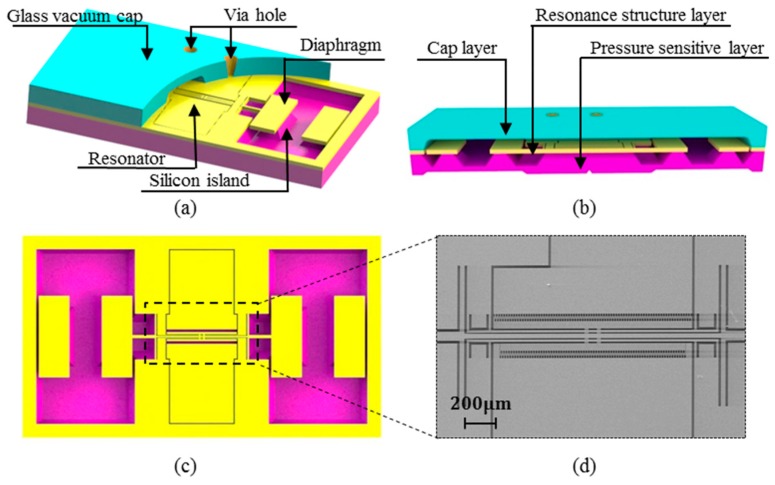
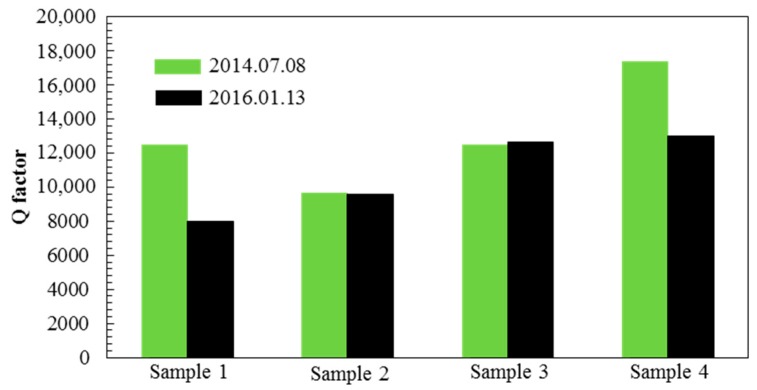
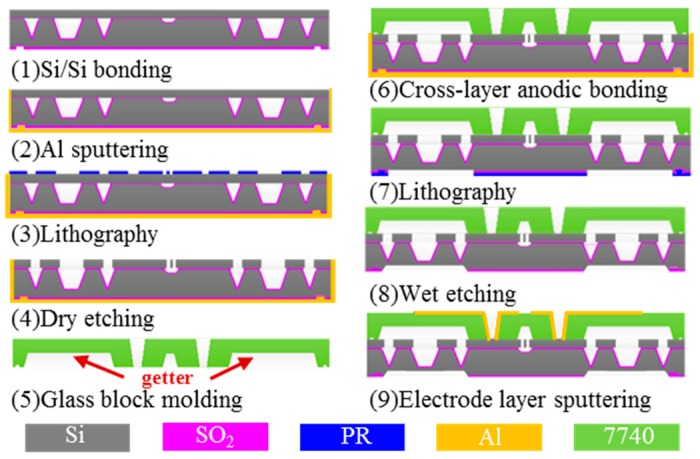
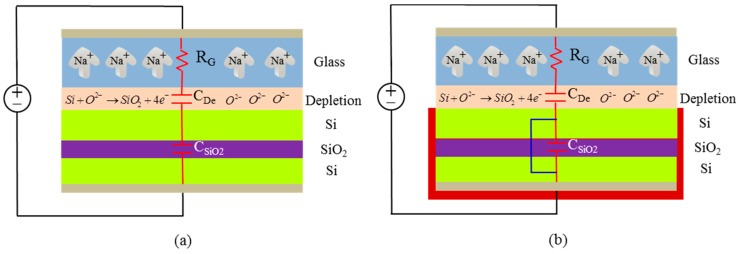
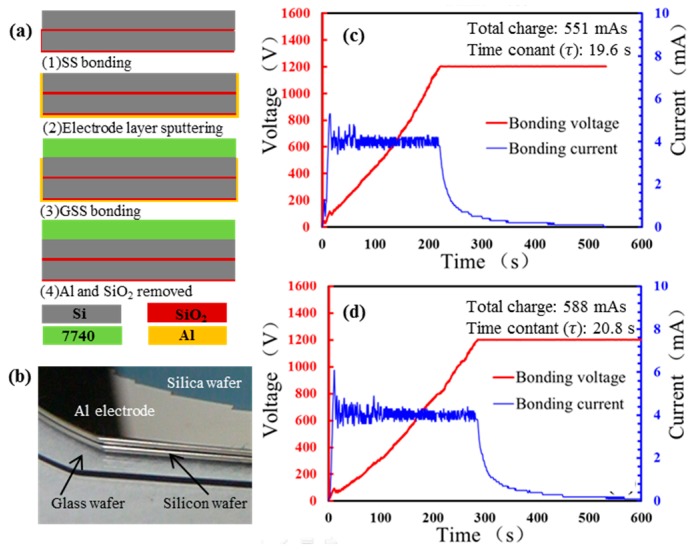
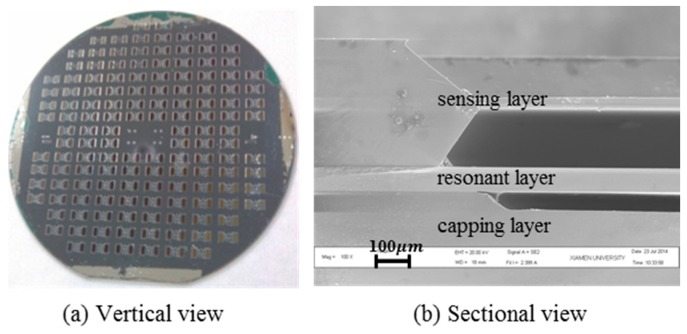
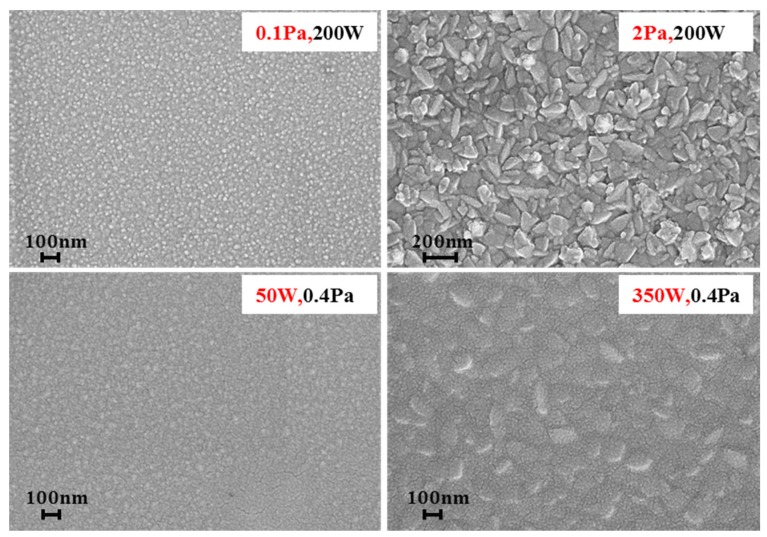
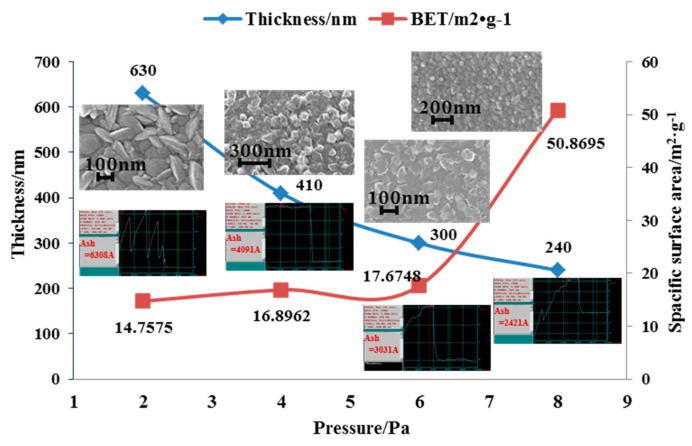
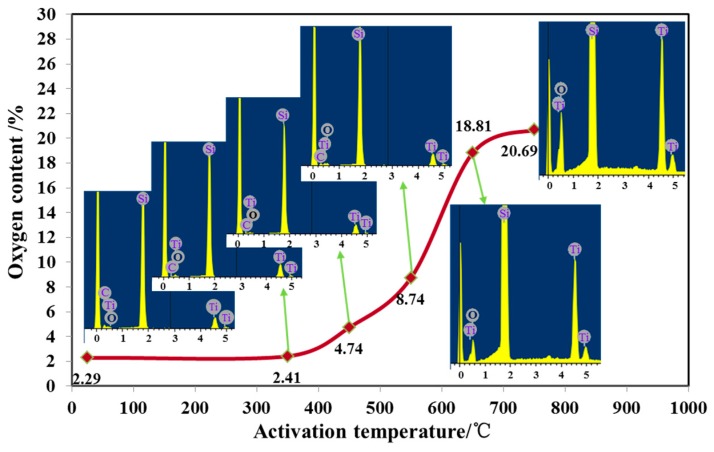
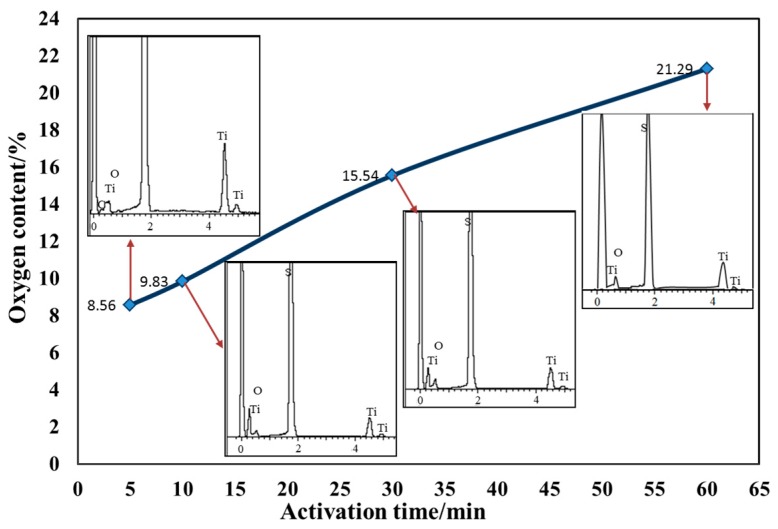
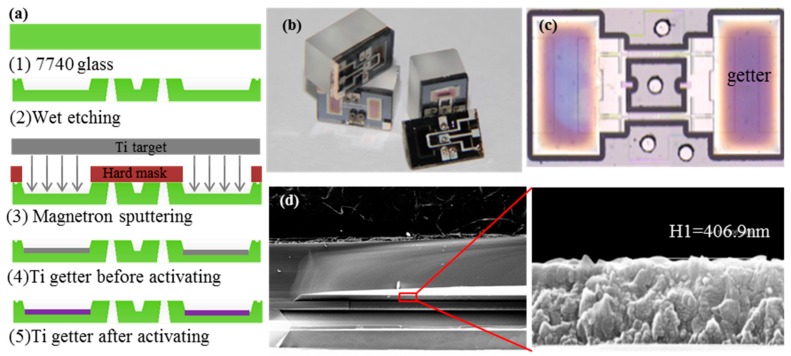
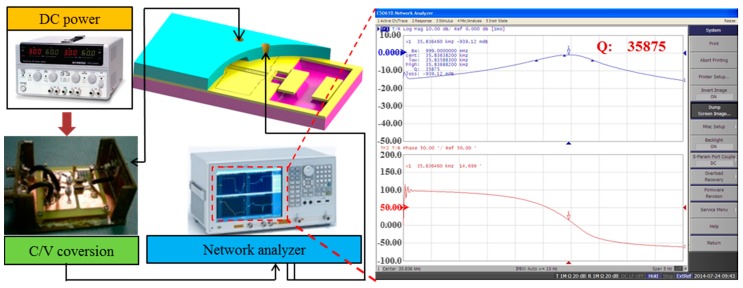
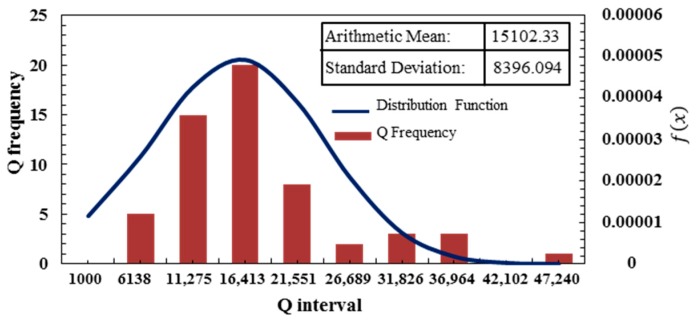
In order to achieve and maintain a high quality factor (high-Q) for the micro resonant pressure sensor, this paper presents a new wafer level package by adopting cross-layer anodic bonding technique of the glass/silicon/silica (GSS) stackable structure and integrated Ti getter. A double-layer structure similar to a silicon-on-insulator (SOI) wafer is formed after the resonant layer and the pressure-sensitive layer are bonded by silicon direct bonding (SDB). In order to form good bonding quality between the pressure-sensitive layer and the glass cap layer, the cross-layer anodic bonding technique is proposed for vacuum package by sputtering Aluminum (Al) on the combination wafer of the pressure-sensitive layer and the resonant layer to achieve electrical interconnection. The model and the bonding effect of this technique are discussed. In addition, in order to enhance the performance of titanium (Ti) getter, the prepared and activation parameters of Ti getter under different sputtering conditions are optimized and discussed. Based on the optimized results, the Ti getter (thickness of 300 nm to 500 nm) is also deposited on the inside of the glass groove by magnetron sputtering to maintain stable quality factor (Q). The Q test of the built testing system shows that the number of resonators with a Q value of more than 10,000 accounts for more than 73% of the total. With an interval of 1.5 years, the Q value of the samples remains almost constant. It proves the proposed cross-layer anodic bonding and getter technique can realize high-Q resonant structure for long-term stable operation.
为了实现并保持微谐振压力传感器的高品质因数(高Q值),本文提出了一种采用玻璃/硅/二氧化硅(GSS)可堆叠结构的跨层阳极键合技术和集成钛吸气剂的新型晶圆级封装。在谐振层和压敏层通过硅直接键合(SDB)键合后,形成了类似于绝缘体上硅(SOI)晶圆的双层结构。为了在压敏层和玻璃盖层之间形成良好的键合质量,提出了跨层阳极键合技术用于真空封装,即在压敏层和谐振层的组合晶圆上溅射铝(Al)以实现电气互连。讨论了该技术的模型和键合效果。此外,为了提高钛(Ti)吸气剂的性能,对不同溅射条件下Ti吸气剂的制备和激活参数进行了优化和讨论。基于优化结果,还通过磁控溅射在玻璃凹槽内部沉积了厚度为300 nm至500 nm的Ti吸气剂,以保持稳定的品质因数(Q)。所构建测试系统的Q值测试表明,Q值大于10000的谐振器数量占总数的73%以上。以1.5年为间隔,样品的Q值几乎保持不变。这证明了所提出的跨层阳极键合和吸气剂技术可以实现高Q谐振结构的长期稳定运行。