Warnatsch Annika, Tsourouktsoglou Theodora-Dorita, Branzk Nora, Wang Qian, Reincke Susanna, Herbst Susanne, Gutierrez Maximiliano, Papayannopoulos Venizelos
Antimicrobial Defence Laboratory, The Francis Crick Institute, 1 Midland Rd, London NW1 1AT, UK.
Host-Pathogen Interactions in Tuberculosis Laboratory, The Francis Crick Institute, 1 Midland Rd, London NW1 1AT, UK.
Immunity. 2017 Mar 21;46(3):421-432. doi: 10.1016/j.immuni.2017.02.013. Epub 2017 Mar 14.
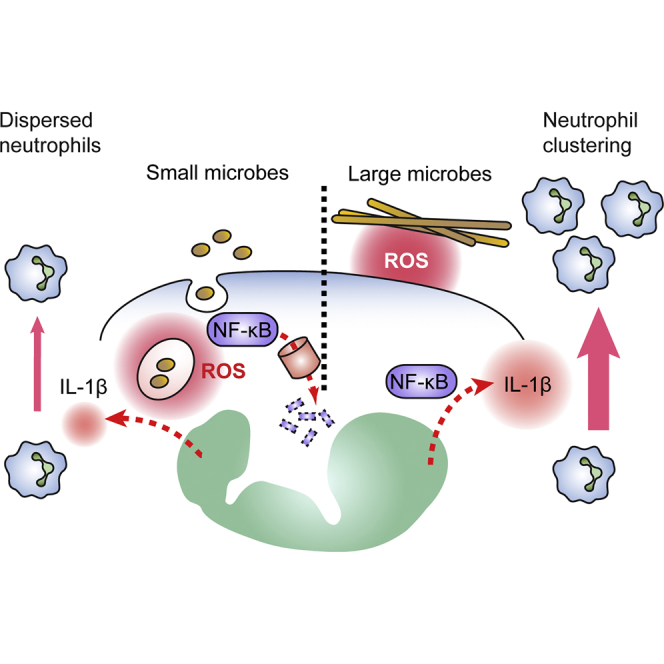
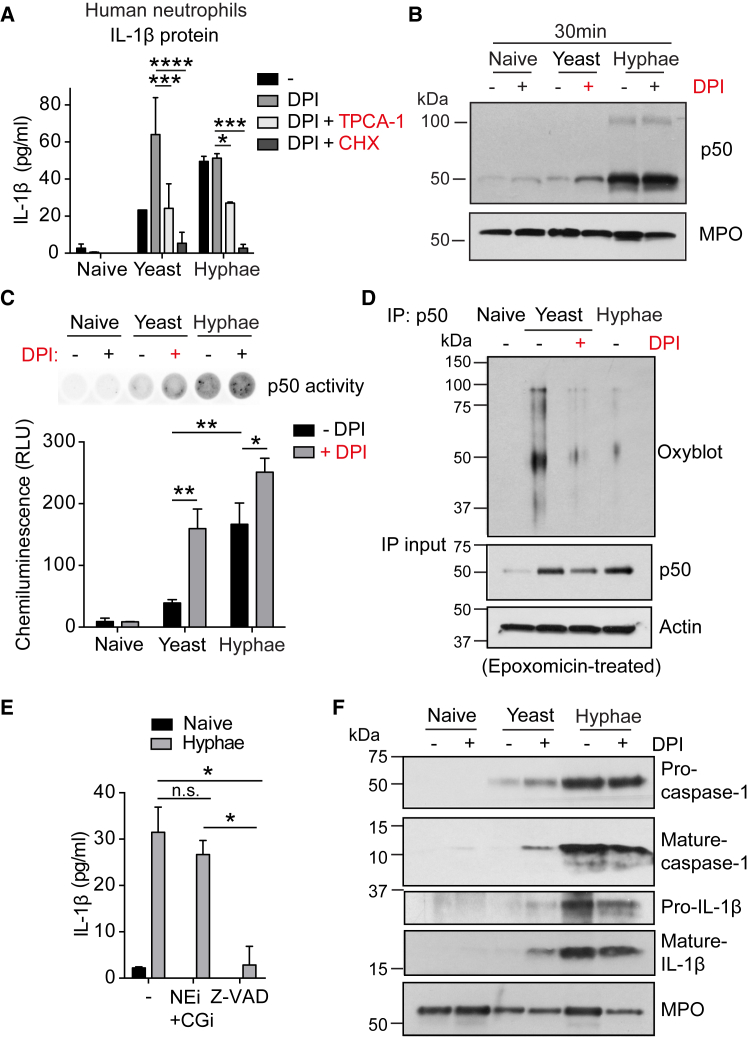
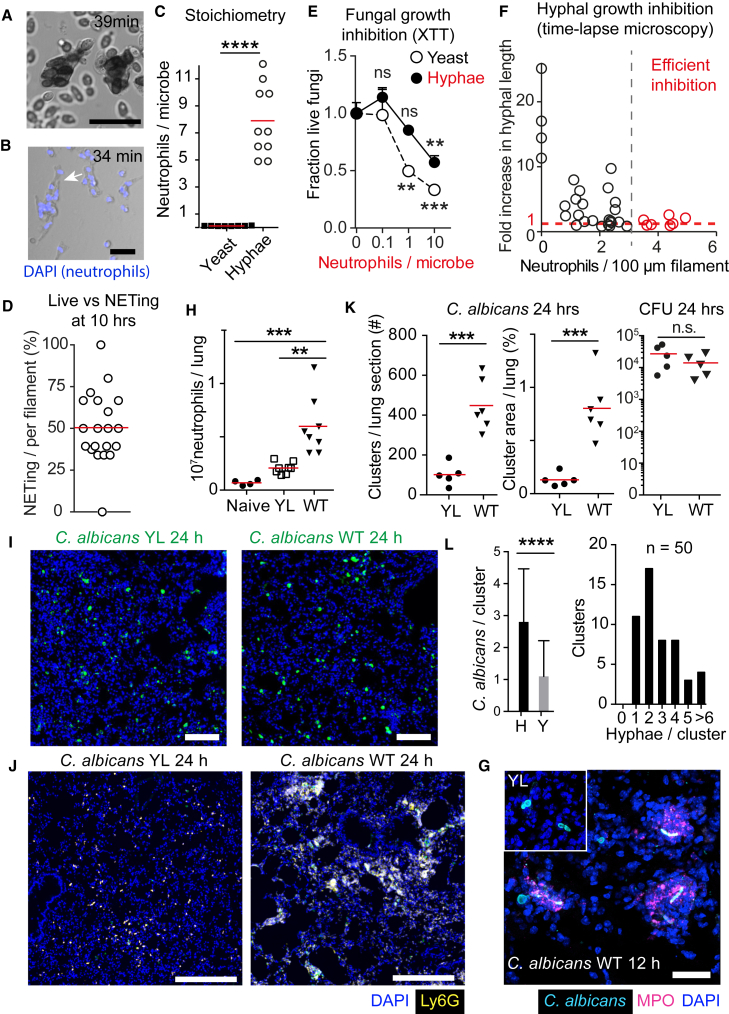
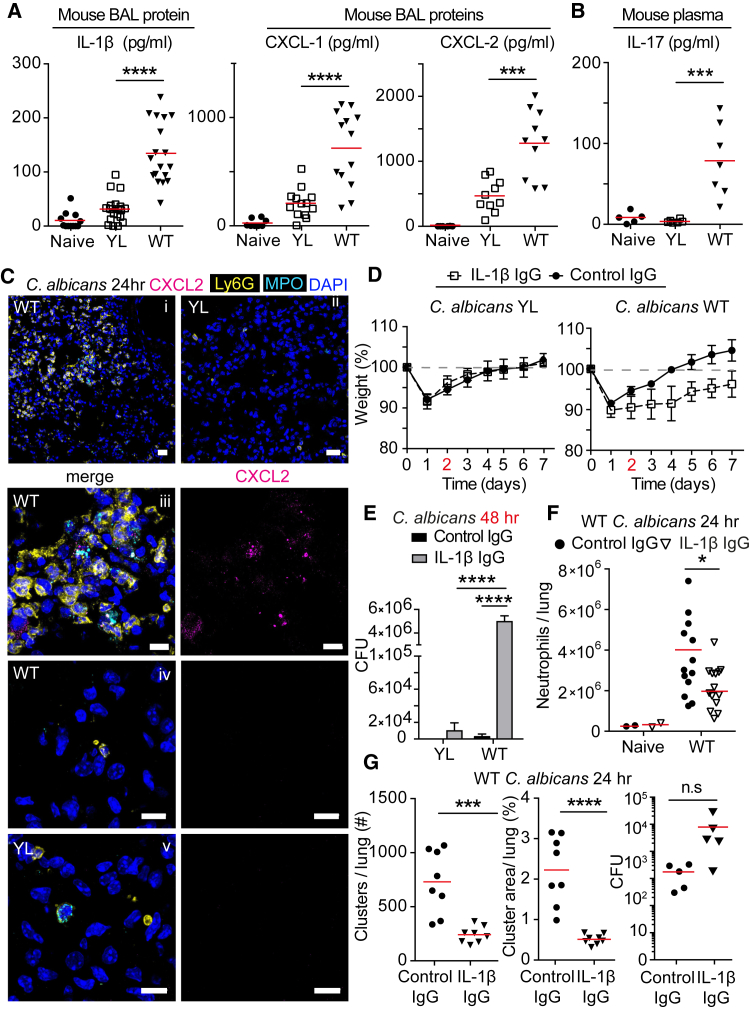
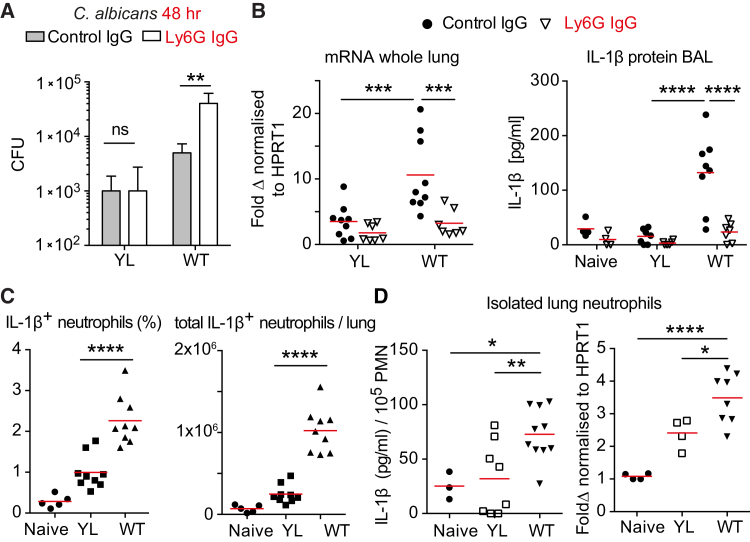
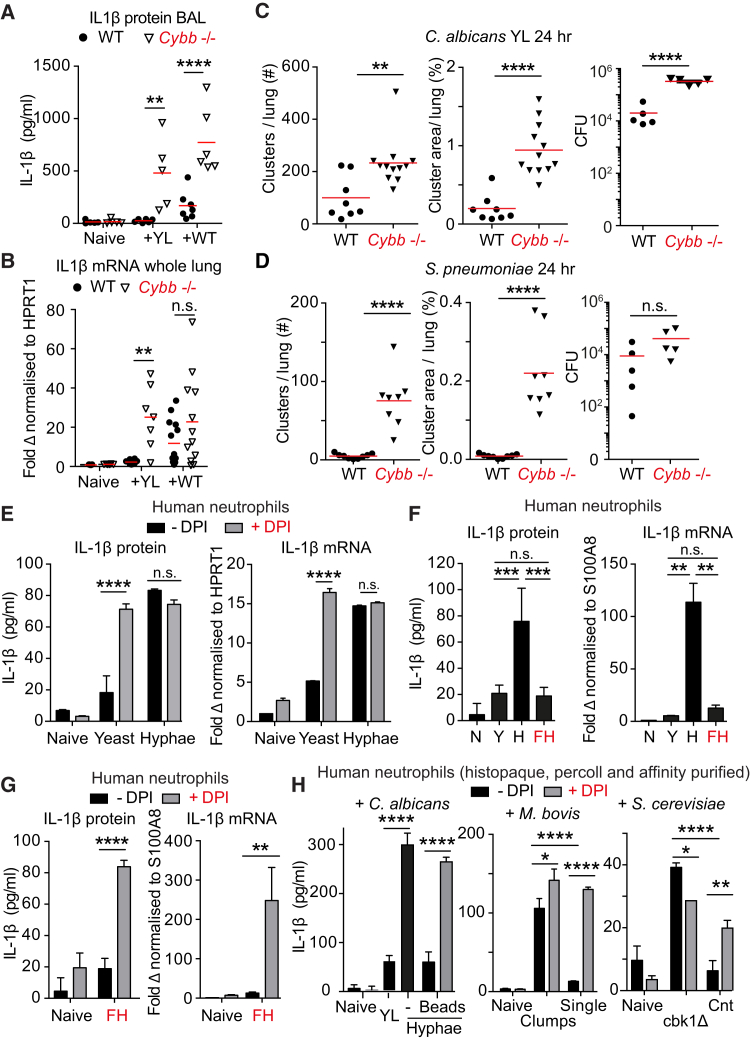
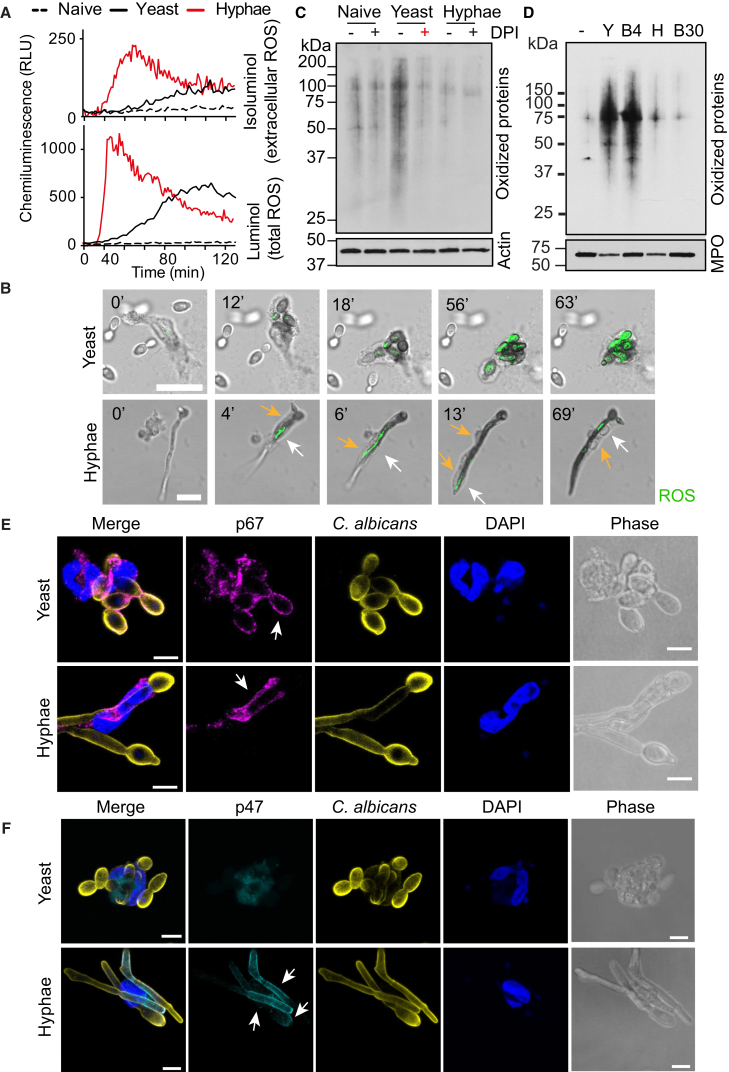
How the number of immune cells recruited to sites of infection is determined and adjusted to differences in the cellular stoichiometry between host and pathogen is unknown. Here, we have uncovered a role for reactive oxygen species (ROS) as sensors of microbe size. By sensing the differential localization of ROS generated in response to microbes of different size, neutrophils tuned their interleukin (IL)-1β expression via the selective oxidation of NF-κB, in order to implement distinct inflammatory programs. Small microbes triggered ROS intracellularly, suppressing IL-1β expression to limit neutrophil recruitment as each phagocyte eliminated numerous pathogens. In contrast, large microbes triggered ROS extracellularly, amplifying IL-1β expression to recruit numerous neutrophils forming cooperative clusters. Defects in ROS-mediated microbe size sensing resulted in large neutrophil infiltrates and clusters in response to small microbes that contribute to inflammatory disease. These findings highlight the impact of ROS localization on signal transduction.
募集到感染部位的免疫细胞数量是如何确定的,以及如何根据宿主与病原体之间细胞化学计量的差异进行调整,目前尚不清楚。在这里,我们发现活性氧(ROS)作为微生物大小的传感器发挥了作用。通过感知不同大小微生物产生的ROS的差异定位,中性粒细胞通过NF-κB的选择性氧化来调节其白细胞介素(IL)-1β的表达,以实施不同的炎症程序。小微生物在细胞内触发ROS,抑制IL-1β的表达,从而在每个吞噬细胞清除大量病原体时限制中性粒细胞的募集。相反,大微生物在细胞外触发ROS,放大IL-1β的表达,以募集大量形成合作簇的中性粒细胞。ROS介导的微生物大小感知缺陷导致对小微生物产生大量中性粒细胞浸润和簇集,进而引发炎症性疾病。这些发现突出了ROS定位对信号转导的影响。