Chang Jun-Dong, Kim In-Sung, Bhardwaj Atul M, Badami Ramachandra N
Arthroplasty Center, Department of Orthopedic Surgery, Hallym University Dongtan Sacred Heart Hospital, Hwaseong, Korea.
Hip Pelvis. 2017 Mar;29(1):1-14. doi: 10.5371/hp.2017.29.1.1. Epub 2017 Mar 6.
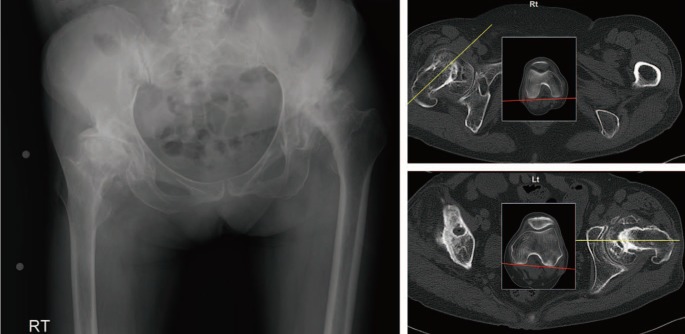
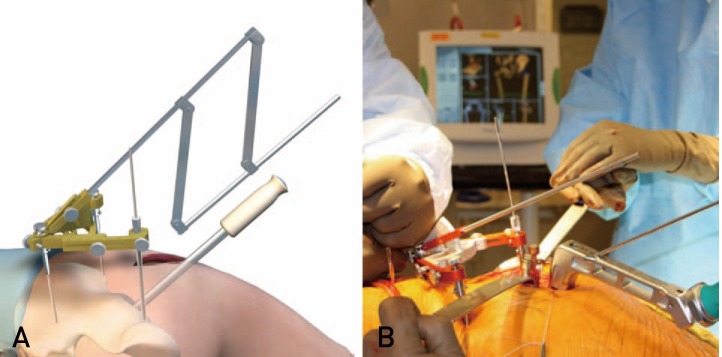
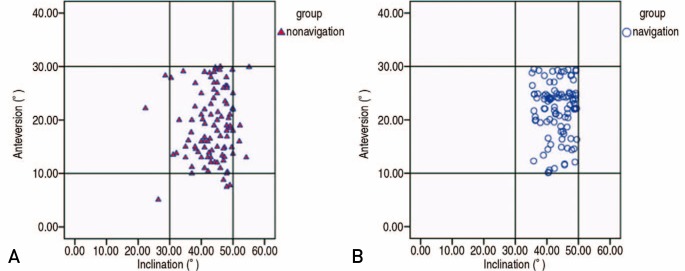
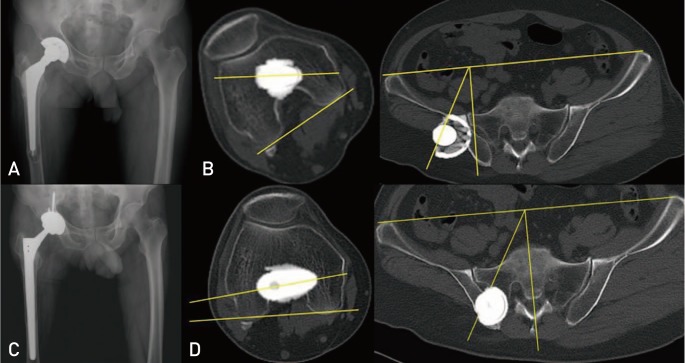
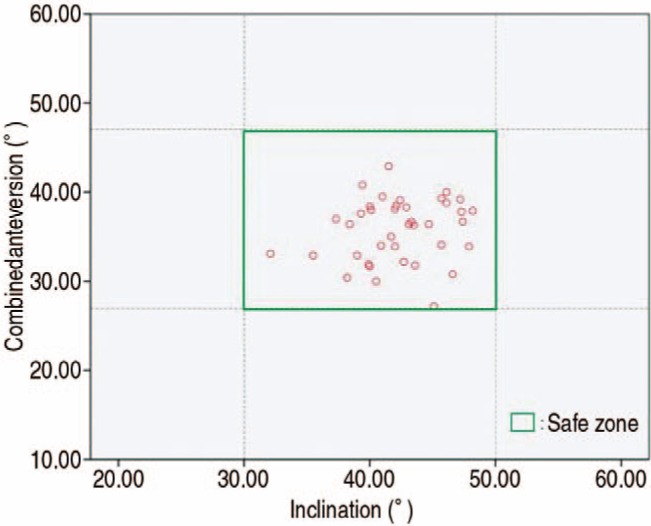
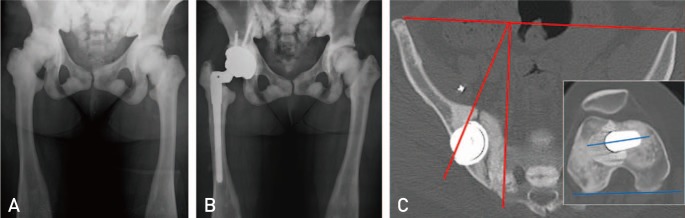
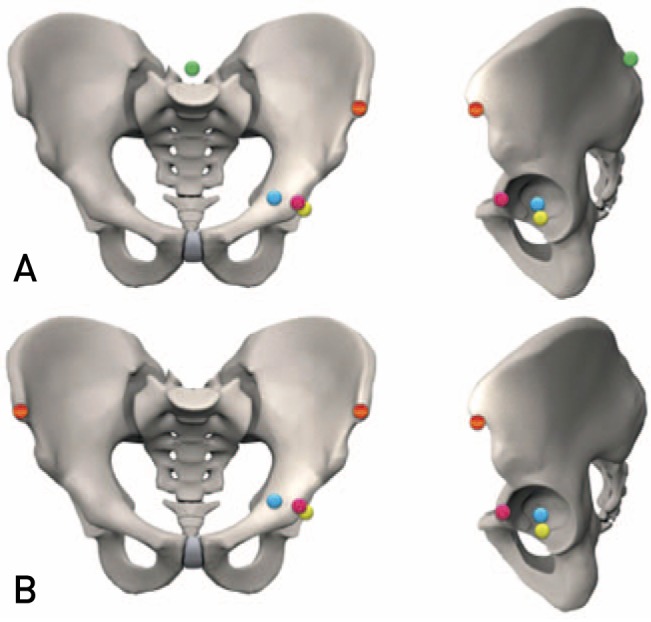
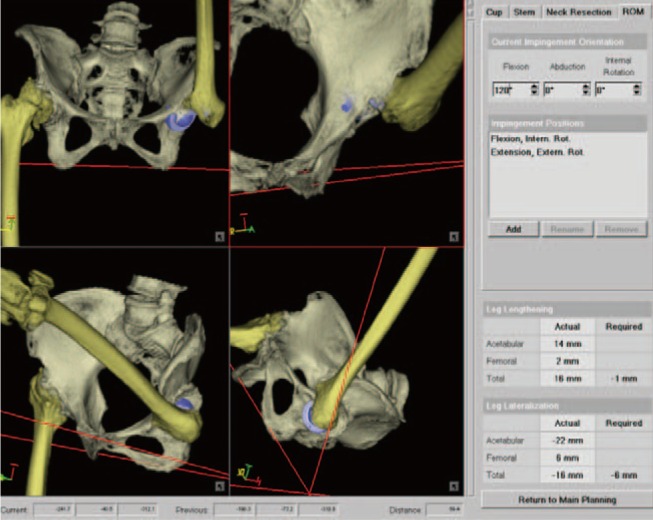
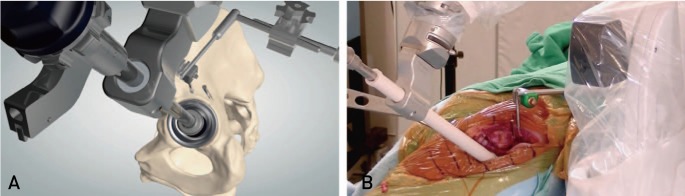
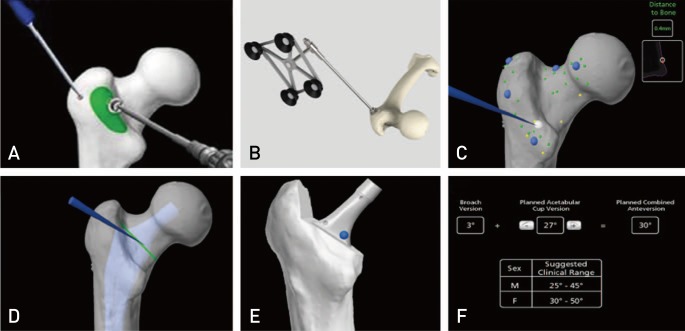
In total hip arthroplasty (THA), the accurate positioning of implants is the key to achieve a good clinical outcome. Computer-assisted orthopaedic surgery (CAOS) has been developed for more accurate positioning of implants during the THA. There are passive, semi-active, and active systems in CAOS for THA. Navigation is a passive system that only provides information and guidance to the surgeon. There are 3 types of navigation: imageless navigation, computed tomography (CT)-based navigation, and fluoroscopy-based navigation. In imageless navigation system, a new method of registration without the need to register the anterior pelvic plane was introduced. CT-based navigation can be efficiently used for pelvic plane reference, the functional pelvic plane in supine which adjusts anterior pelvic plane sagittal tilt for targeting the cup orientation. Robot-assisted system can be either active or semi-active. The active robotic system performs the preparation for implant positioning as programmed preoperatively. It has been used for only femoral implant cavity preparation. Recently, program for cup positioning was additionally developed. Alternatively, for ease of surgeon acceptance, semi-active robot systems are developed. It was initially applied only for cup positioning. However, with the development of enhanced femoral workflows, this system can now be used to position both cup and stem. Though there have been substantial advancements in computer-assisted THA, its use can still be controversial at present due to the steep learning curve, intraoperative technical issues, high cost and etc. However, in the future, CAOS will certainly enable the surgeon to operate more accurately and lead to improved outcomes in THA as the technology continues to evolve rapidly.
在全髋关节置换术(THA)中,植入物的精确放置是获得良好临床效果的关键。计算机辅助骨科手术(CAOS)已被开发用于在THA过程中更精确地放置植入物。THA的CAOS中有被动、半主动和主动系统。导航是一种被动系统,仅为外科医生提供信息和指导。导航有3种类型:无图像导航、基于计算机断层扫描(CT)的导航和基于荧光透视的导航。在无图像导航系统中,引入了一种无需注册骨盆前平面的新注册方法。基于CT的导航可有效地用于骨盆平面参考,即仰卧位时的功能骨盆平面,它可调整骨盆前平面矢状倾斜度以确定髋臼杯的方向。机器人辅助系统可以是主动的或半主动的。主动机器人系统按术前编程进行植入物放置的准备工作。它仅用于股骨植入物腔的准备。最近,还开发了髋臼杯定位程序。另外,为了便于外科医生接受,开发了半主动机器人系统。它最初仅用于髋臼杯定位。然而,随着增强型股骨工作流程的发展,该系统现在可用于定位髋臼杯和股骨柄。尽管计算机辅助THA取得了重大进展,但由于学习曲线陡峭、术中技术问题、成本高等原因,目前其应用仍存在争议。然而,未来随着技术的不断快速发展,CAOS肯定会使外科医生操作得更精确,并在THA中带来更好的结果。