Foo Lynette Caizhen, Song Shilin, Cohen Stephen Michael
Institute of Molecular and Cell Biology, Singapore City, Singapore
Institute of Molecular and Cell Biology, Singapore City, Singapore.
EMBO J. 2017 May 2;36(9):1215-1226. doi: 10.15252/embj.201695861. Epub 2017 Mar 20.
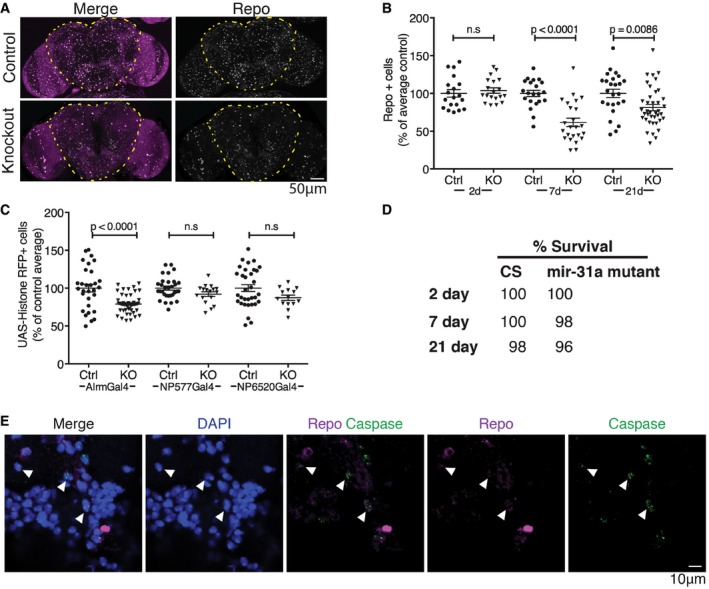
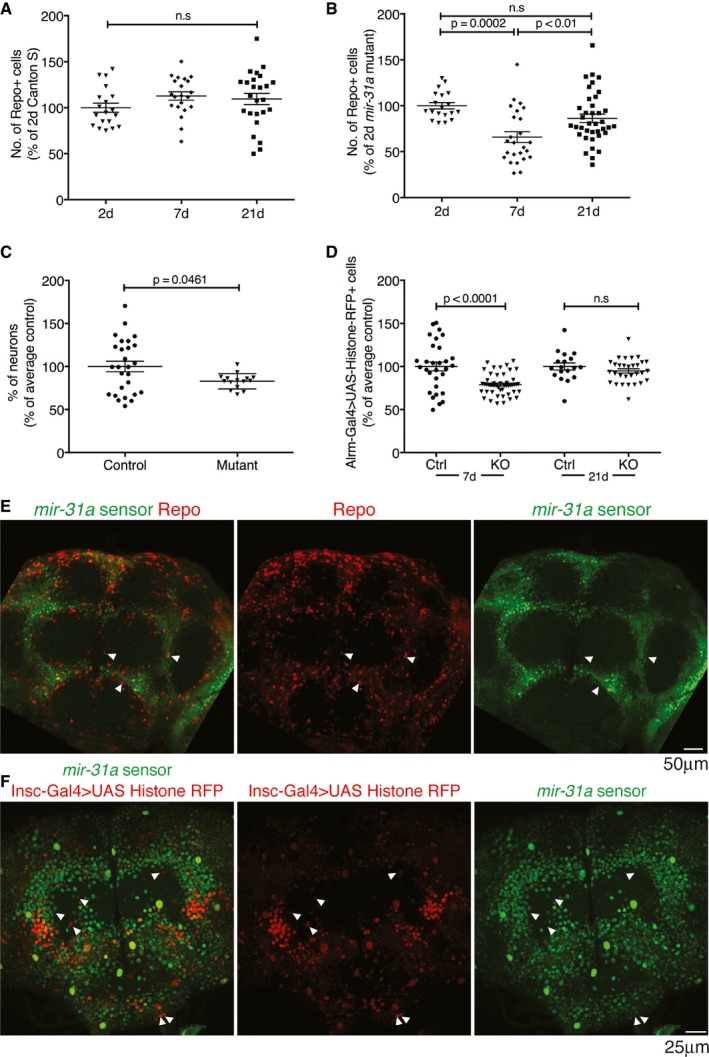
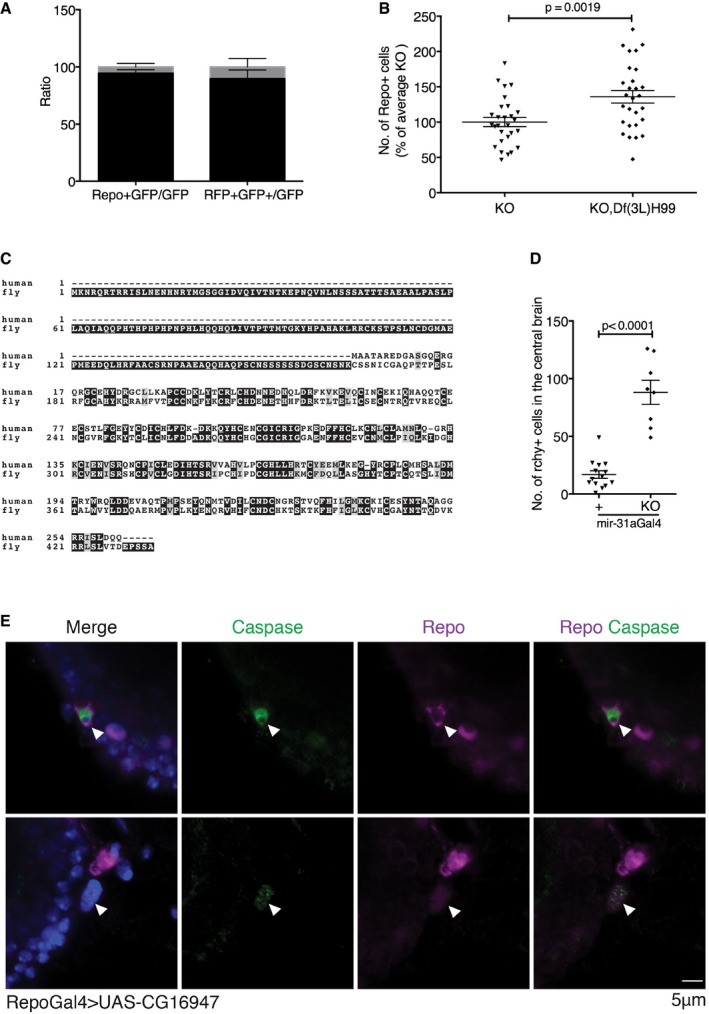
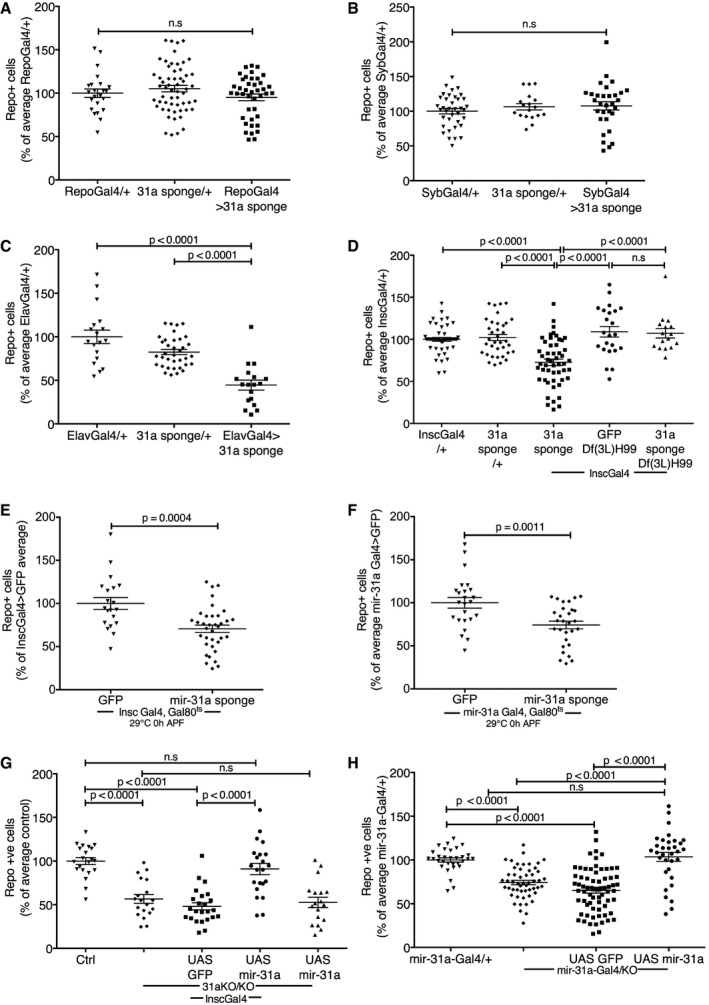
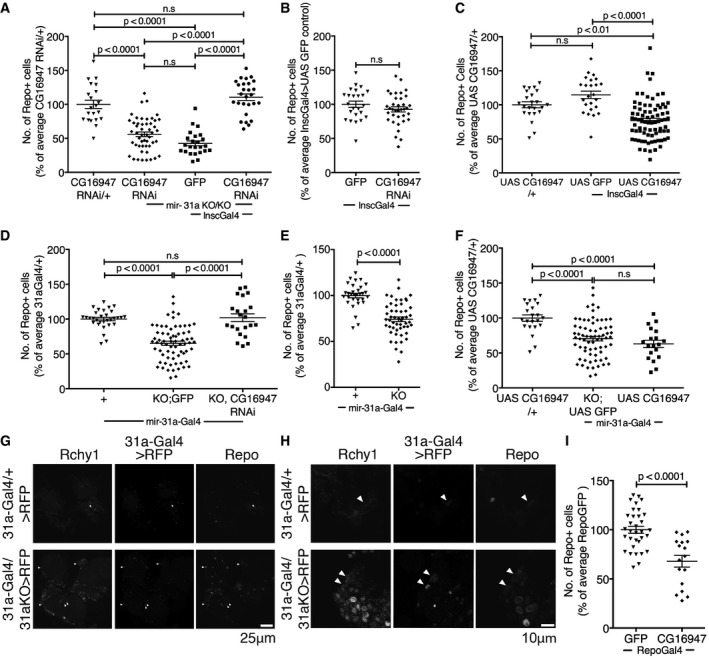
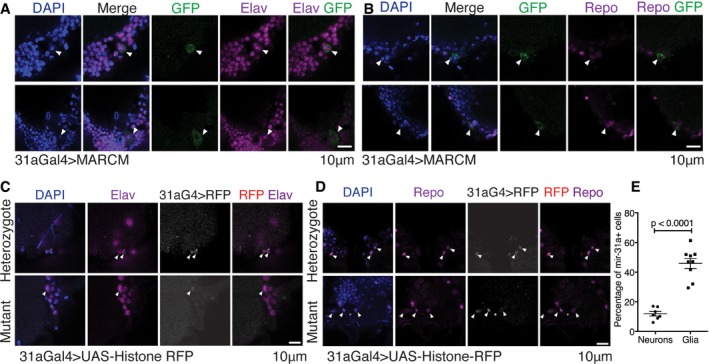
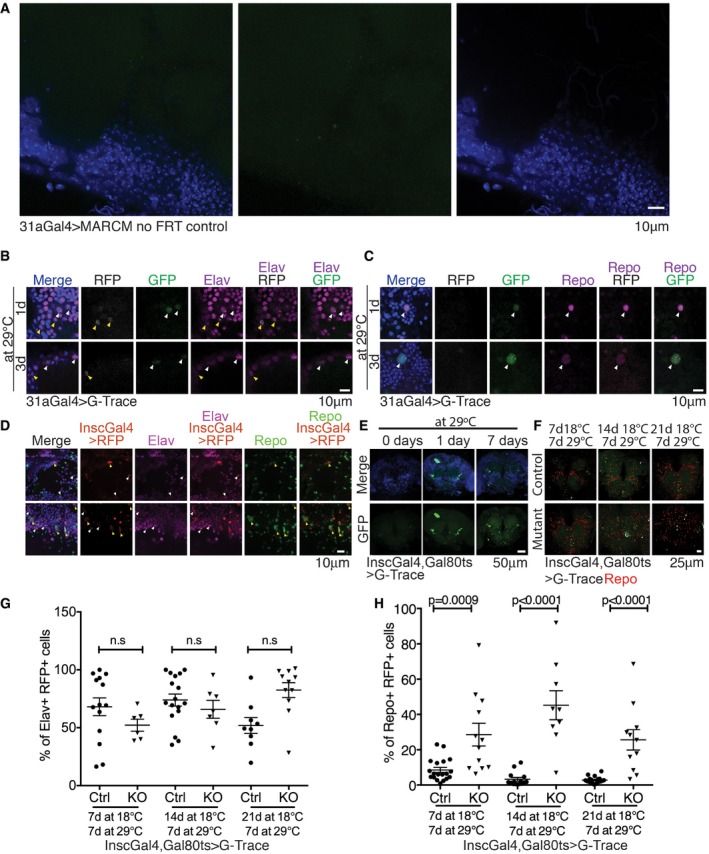
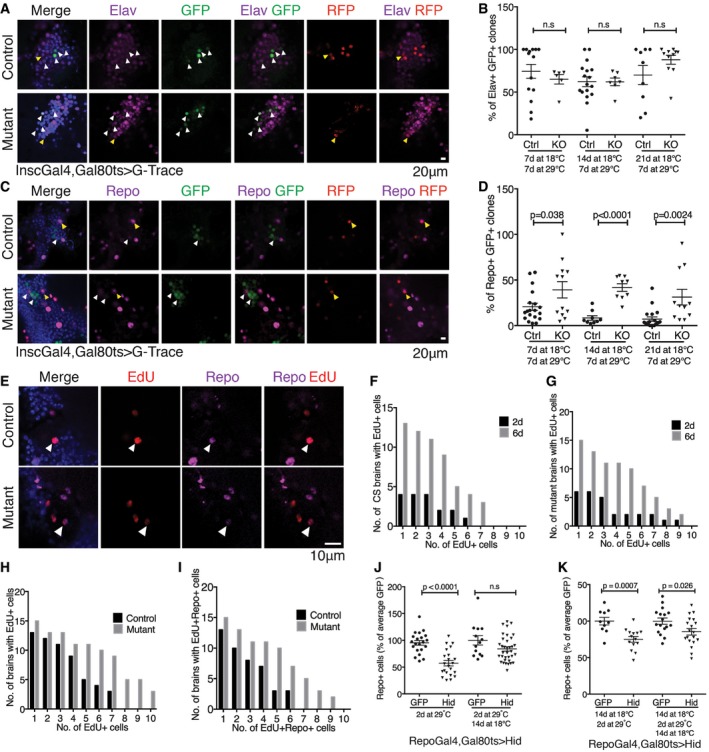
The study of adult neural cell production has concentrated on neurogenesis. The mechanisms controlling adult gliogenesis are still poorly understood. Here, we provide evidence for a homeostatic process that maintains the population of glial cells in the adult brain. Flies lacking microRNA start adult life with a normal complement of glia, but transiently lose glia due to apoptosis. expression identifies a subset of predominantly gliogenic adult neural progenitor cells. Failure to limit expression of the predicted E3 ubiquitin ligase, Rchy1, in these cells results in glial loss. After an initial decline in young adults, glial numbers recovered due to compensatory overproduction of new glia by adult progenitor cells, indicating an unexpected plasticity of the nervous system. Experimentally induced ablation of glia was also followed by recovery of glia over time. These studies provide evidence for a homeostatic mechanism that maintains the number of glia in the adult fly brain.
对成体神经细胞生成的研究主要集中在神经发生上。目前对控制成体神经胶质生成的机制仍知之甚少。在此,我们提供证据表明存在一种稳态过程,可维持成体大脑中神经胶质细胞的数量。缺乏微小RNA的果蝇在成年初期具有正常数量的神经胶质细胞,但会因细胞凋亡而短暂失去神经胶质细胞。表达情况确定了一个主要为神经胶质生成的成体神经祖细胞亚群。在这些细胞中未能限制预测的E3泛素连接酶Rchy1的表达会导致神经胶质细胞丢失。在年轻成虫中神经胶质细胞数量最初下降后,由于成体祖细胞代偿性过度产生新的神经胶质细胞,神经胶质细胞数量得以恢复,这表明神经系统具有意想不到的可塑性。实验性诱导的神经胶质细胞消融后,随着时间的推移神经胶质细胞也会恢复。这些研究为维持成年果蝇大脑中神经胶质细胞数量的稳态机制提供了证据。