Ceccarelli Fulvia, Sciandrone Marco, Perricone Carlo, Galvan Giulio, Morelli Francesco, Vicente Luis Nunes, Leccese Ilaria, Massaro Laura, Cipriano Enrica, Spinelli Francesca Romana, Alessandri Cristiano, Valesini Guido, Conti Fabrizio
Lupus Clinic, Rheumatology, Dipartimento di Medicina Interna e Specialità Mediche, Sapienza Università di Roma, Rome, Italy.
Dipartimento di Ingegneria dell'Informazione, Università di Firenze, Florence, Italy.
PLoS One. 2017 Mar 22;12(3):e0174200. doi: 10.1371/journal.pone.0174200. eCollection 2017.
The increased survival in Systemic Lupus Erythematosus (SLE) patients implies the development of chronic damage, occurring in up to 50% of cases. Its prevention is a major goal in the SLE management. We aimed at predicting chronic damage in a large monocentric SLE cohort by using neural networks.
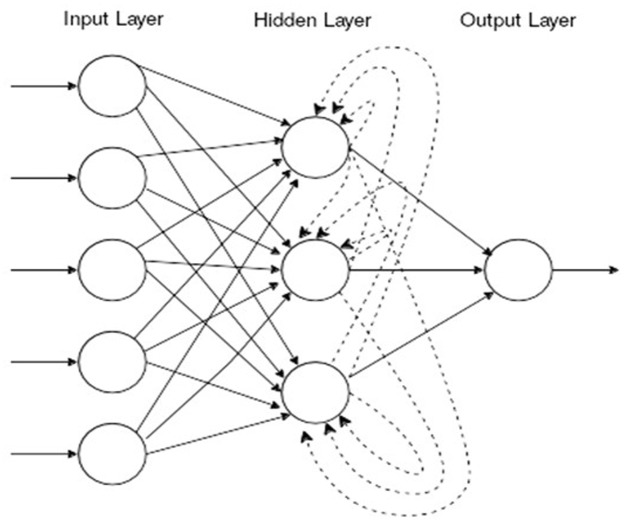
We enrolled 413 SLE patients (M/F 30/383; mean age ± SD 46.3±11.9 years; mean disease duration ± SD 174.6 ± 112.1 months). Chronic damage was assessed by the SLICC/ACR Damage Index (SDI). We applied Recurrent Neural Networks (RNNs) as a machine-learning model to predict the risk of chronic damage. The clinical data sequences registered for each patient during the follow-up were used for building and testing the RNNs.
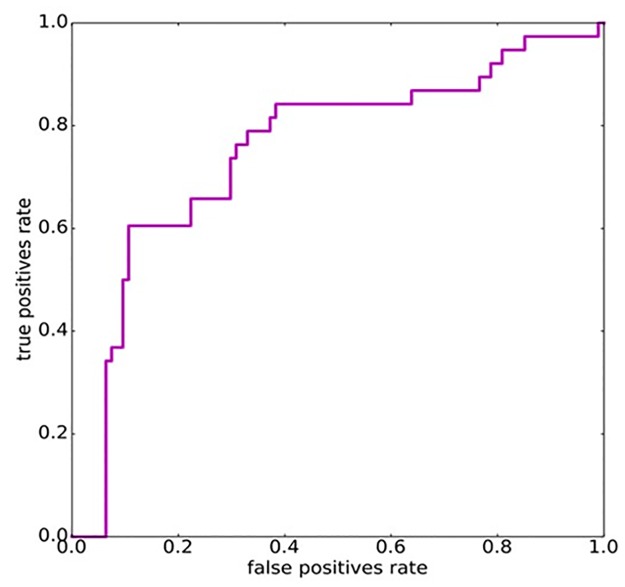
At the first visit in the Lupus Clinic, 35.8% of patients had an SDI≥1. For the RNN model, two groups of patients were analyzed: patients with SDI = 0 at the baseline, developing damage during the follow-up (N = 38), and patients without damage (SDI = 0). We created a mathematical model with an AUC value of 0.77, able to predict damage development. A threshold value of 0.35 (sensitivity 0.74, specificity 0.76) seemed able to identify patients at risk to develop damage.
We applied RNNs to identify a prediction model for SLE chronic damage. The use of the longitudinal data from the Sapienza Lupus Cohort, including laboratory and clinical items, resulted able to construct a mathematical model, potentially identifying patients at risk to develop damage.
系统性红斑狼疮(SLE)患者生存率的提高意味着慢性损伤的出现,高达50%的病例会发生这种情况。预防慢性损伤是SLE管理的主要目标。我们旨在通过使用神经网络预测大型单中心SLE队列中的慢性损伤。
我们纳入了413例SLE患者(男/女30/383;平均年龄±标准差46.3±11.9岁;平均病程±标准差174.6±112.1个月)。通过SLICC/ACR损伤指数(SDI)评估慢性损伤。我们应用递归神经网络(RNN)作为机器学习模型来预测慢性损伤风险。随访期间为每位患者记录的临床数据序列用于构建和测试RNN。
在狼疮诊所首次就诊时,35.8%的患者SDI≥1。对于RNN模型,分析了两组患者:基线时SDI = 0、随访期间出现损伤的患者(N = 38),以及无损伤患者(SDI = 0)。我们创建了一个AUC值为0.77的数学模型,能够预测损伤的发生。阈值0.35(敏感性0.74,特异性0.76)似乎能够识别有发生损伤风险的患者。
我们应用RNN来识别SLE慢性损伤的预测模型。使用来自萨皮恩扎狼疮队列的纵向数据,包括实验室和临床项目,能够构建一个数学模型,潜在地识别有发生损伤风险的患者。