Liang Jing, Liu Zihe, Low Xi Z, Ang Ee L, Zhao Huimin
Metabolic Engineering Research Laboratory, Science and Engineering Institutes, Agency for Science, Technology and Research, Singapore 138669, Singapore.
Department of Chemical and Biomolecular Engineering, University of Illinois at Urbana-Champaign, Urbana, IL 61801, USA.
Nucleic Acids Res. 2017 Jun 20;45(11):e94. doi: 10.1093/nar/gkx132.
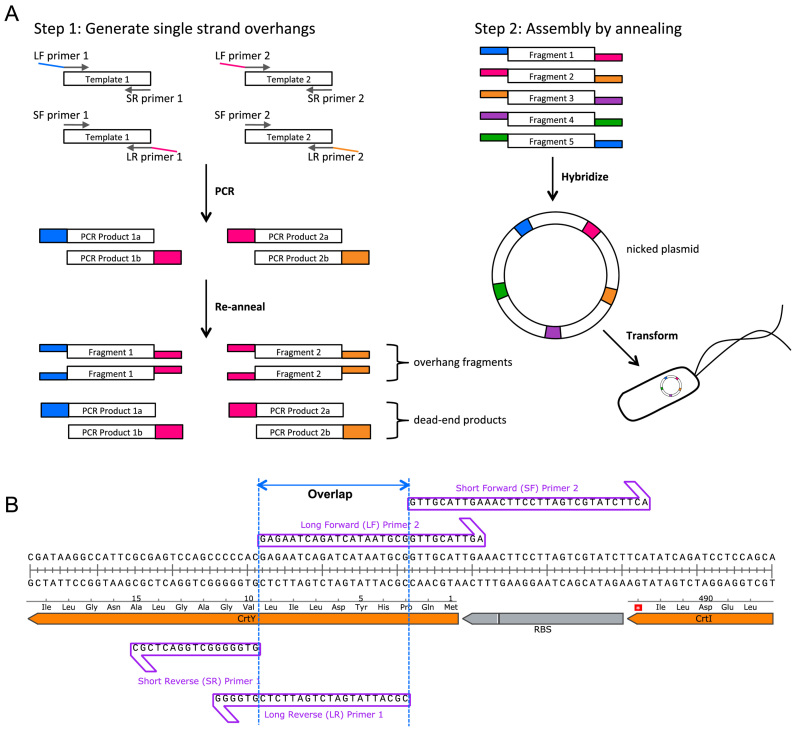
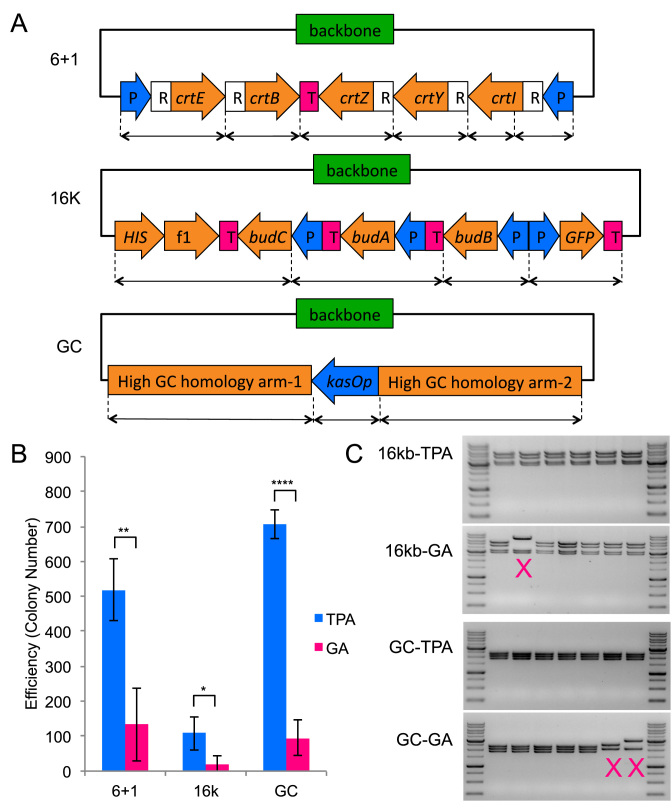
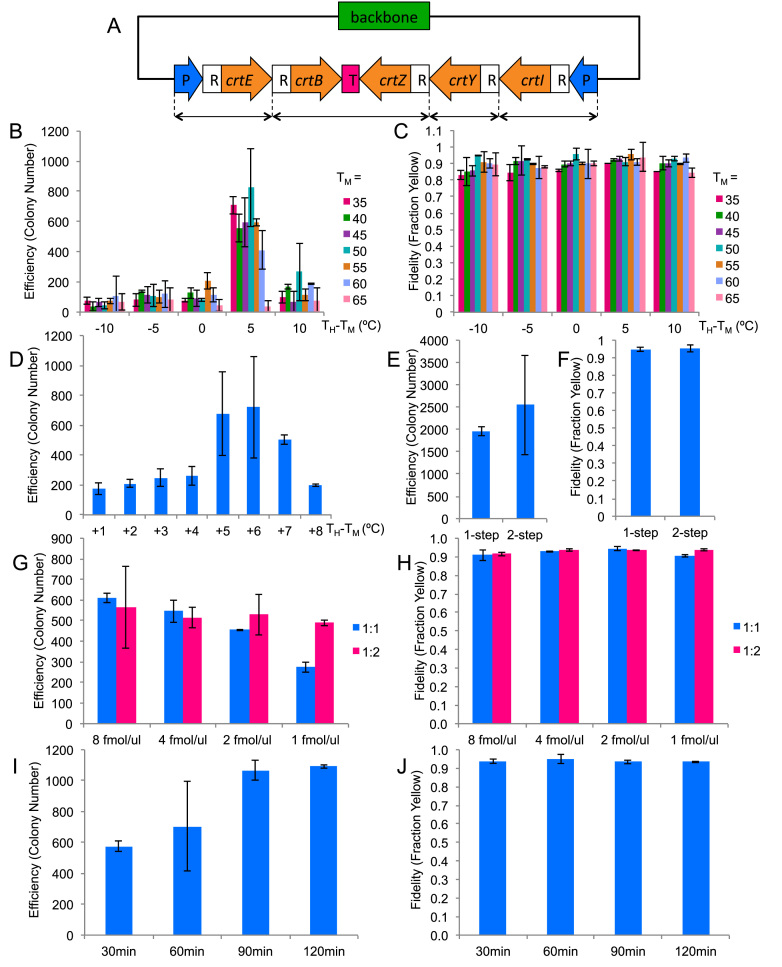
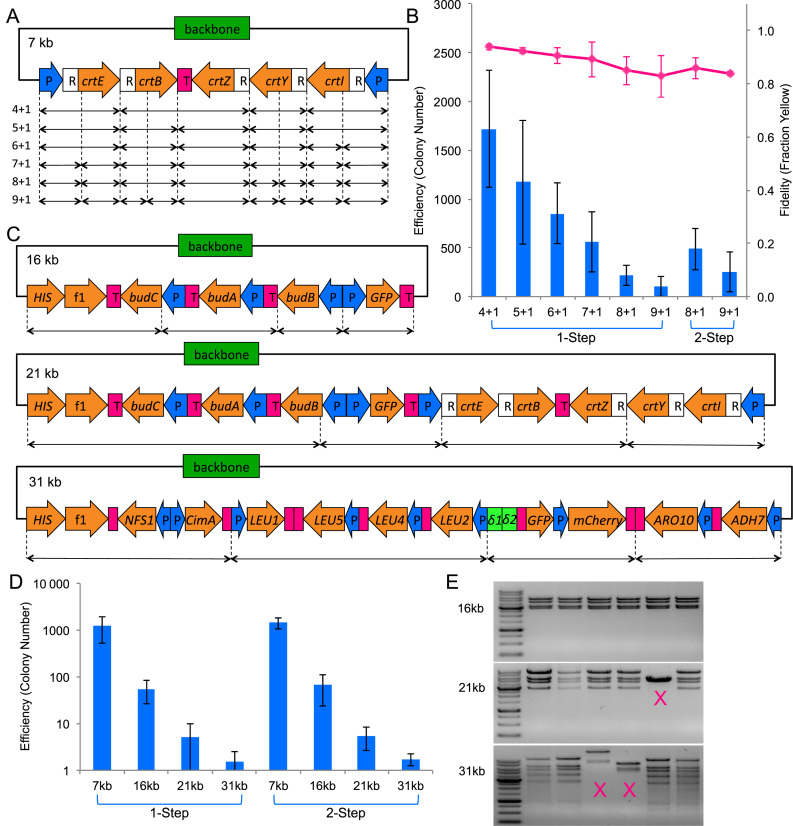
DNA assembly forms the cornerstone of modern synthetic biology. Despite the numerous available methods, scarless multi-fragment assembly of large plasmids remains challenging. Furthermore, the upcoming wave in molecular biological automation demands a rethinking of how we perform DNA assembly. To streamline automation workflow and minimize operator intervention, a non-enzymatic assembly method is highly desirable. Here, we report the optimization and operationalization of a process called Twin-Primer Assembly (TPA), which is a method to assemble polymerase chain reaction-amplified fragments into a plasmid without the use of enzymes. TPA is capable of assembling a 7 kb plasmid from 10 fragments at ∼80% fidelity and a 31 kb plasmid from five fragments at ∼50% fidelity. TPA cloning is scarless and sequence independent. Even without the use of enzymes, the performance of TPA is on par with some of the best in vitro assembly methods currently available. TPA should be an invaluable addition to a synthetic biologist's toolbox.
DNA组装构成了现代合成生物学的基石。尽管有众多可用方法,但大型质粒的无痕多片段组装仍然具有挑战性。此外,分子生物学自动化的浪潮要求我们重新思考进行DNA组装的方式。为了简化自动化工作流程并尽量减少操作员干预,非常需要一种非酶促组装方法。在此,我们报告了一种称为双引物组装(TPA)的方法的优化和实施,该方法是一种无需使用酶即可将聚合酶链反应扩增片段组装到质粒中的方法。TPA能够以约80%的保真度从10个片段组装一个7 kb的质粒,以约50%的保真度从5个片段组装一个31 kb的质粒。TPA克隆是无痕的且与序列无关。即使不使用酶,TPA的性能也与目前一些最佳的体外组装方法相当。TPA应该是合成生物学家工具箱中非常有价值的补充。