Kanchustambham Venkatkiran, Saladi Swetha, Patolia Setu, Stoeckel David
Pulmonary and Critical Care Medicine, Saint Louis University School of Medicine.
Cureus. 2017 Feb 8;9(2):e1017. doi: 10.7759/cureus.1017.
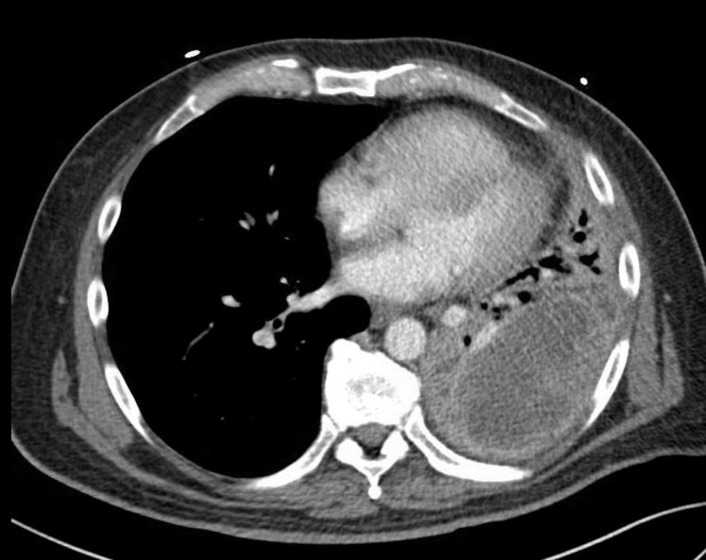
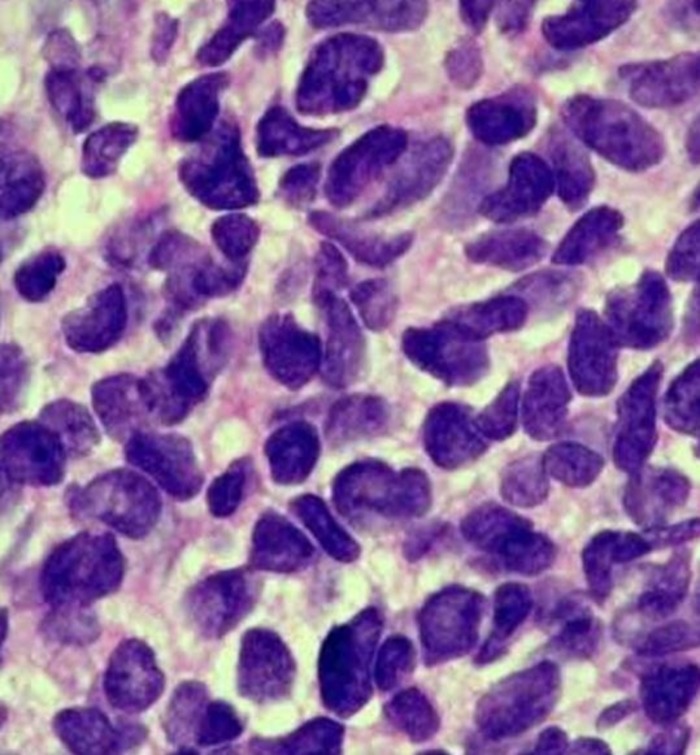
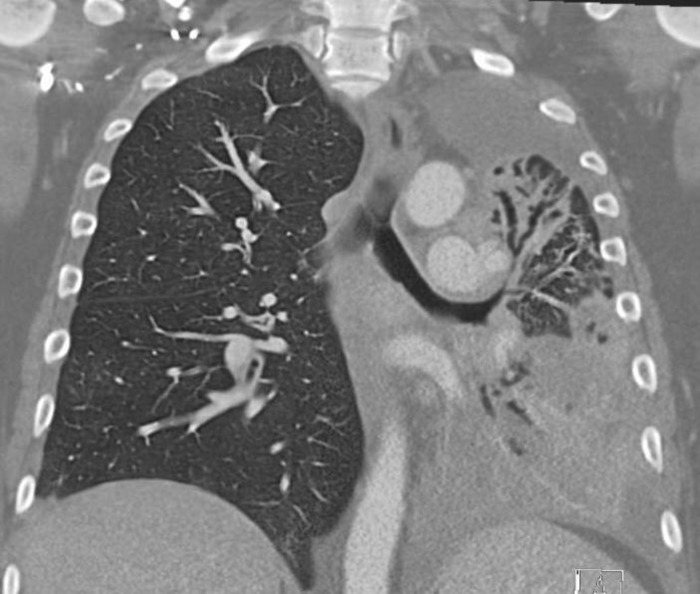
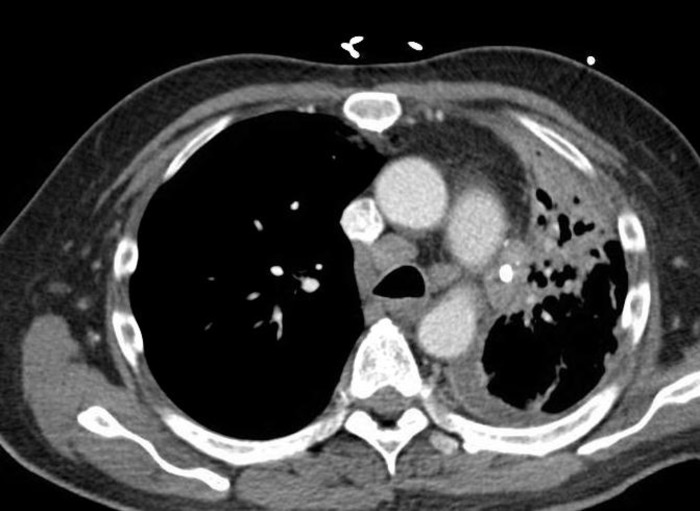
Tumor lysis syndrome (TLS) is a life-threatening oncologic complication caused by the lysis of a vast number of malignant cells resulting in metabolic derangements and organ dysfunction. TLS can occur spontaneously before initiation of any therapies often referred to as spontaneous tumor lysis syndrome (STLS), or shortly after the induction of chemotherapy, radiotherapy, or cytolytic antibody therapy. TLS is vastly seen in patients with hematological malignancies with high rapid cell turnover rates such as Burkitt lymphoma, acute myelogenous leukemia, and acute lymphocytic leukemia, and is rarely observed in solid tumors. However, TLS can occur in solid tumors, and there are multiple reports in the literature on the occurrence of TLS in various solid tumors. In this article, we report a case of STLS in small cell lung cancer followed by a brief review of the occurrence of TLS and STLS in small cell lung cancer.
肿瘤溶解综合征(TLS)是一种危及生命的肿瘤并发症,由大量恶性细胞溶解导致代谢紊乱和器官功能障碍引起。TLS可在任何治疗开始前自发发生,通常称为自发性肿瘤溶解综合征(STLS),或在化疗、放疗或溶细胞抗体治疗诱导后不久发生。TLS在细胞更新率高的血液系统恶性肿瘤患者中极为常见,如伯基特淋巴瘤、急性髓性白血病和急性淋巴细胞白血病,在实体瘤中很少见。然而,TLS可发生于实体瘤,文献中有多篇关于各种实体瘤中发生TLS的报道。在本文中,我们报告了一例小细胞肺癌患者发生的STLS病例,并简要回顾了小细胞肺癌中TLS和STLS的发生情况。