Kang Yani, Wang Zhi-Jiang, Xie Dongsheng, Sun Xue, Yang Wenge, Zhao Xiaodong, Xu Nianjun
Key Laboratory of Marine Biotechnology of Zhejiang Province, School of Marine Sciences, Ningbo University, Ningbo 315211, Zhejiang, China.
School of Biomedical Engineering, Bio-ID Research Center, Shanghai Jiao Tong University, Shanghai 200240, China.
Mar Drugs. 2017 Mar 29;15(4):100. doi: 10.3390/md15040100.
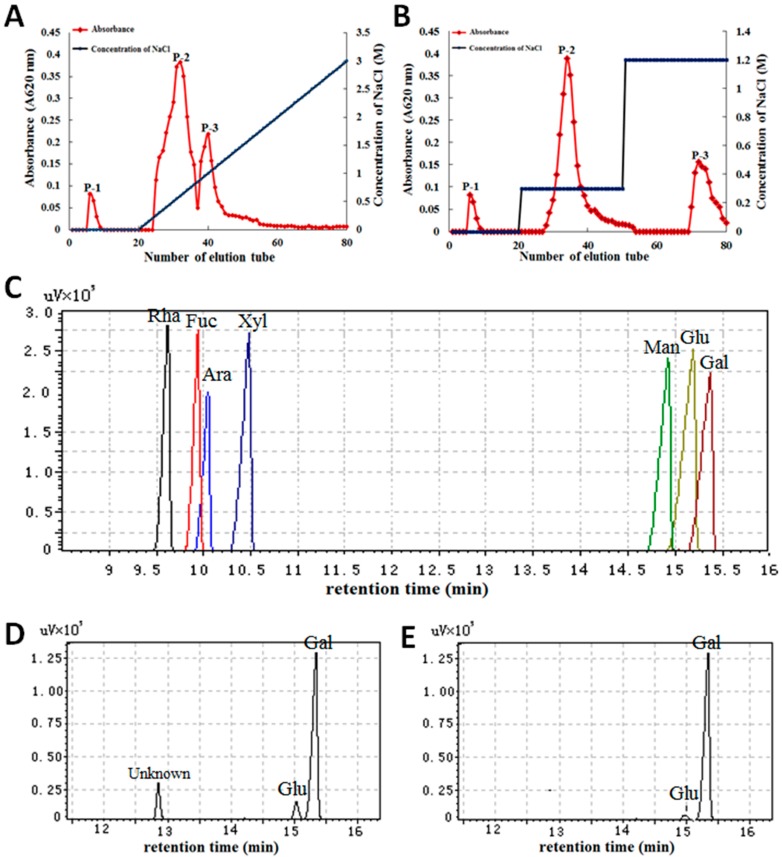
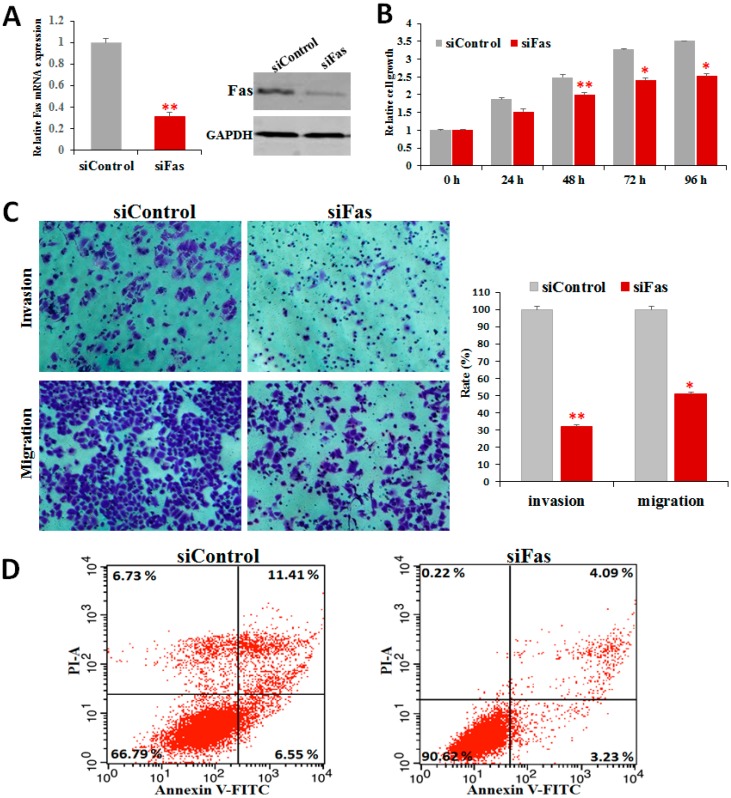
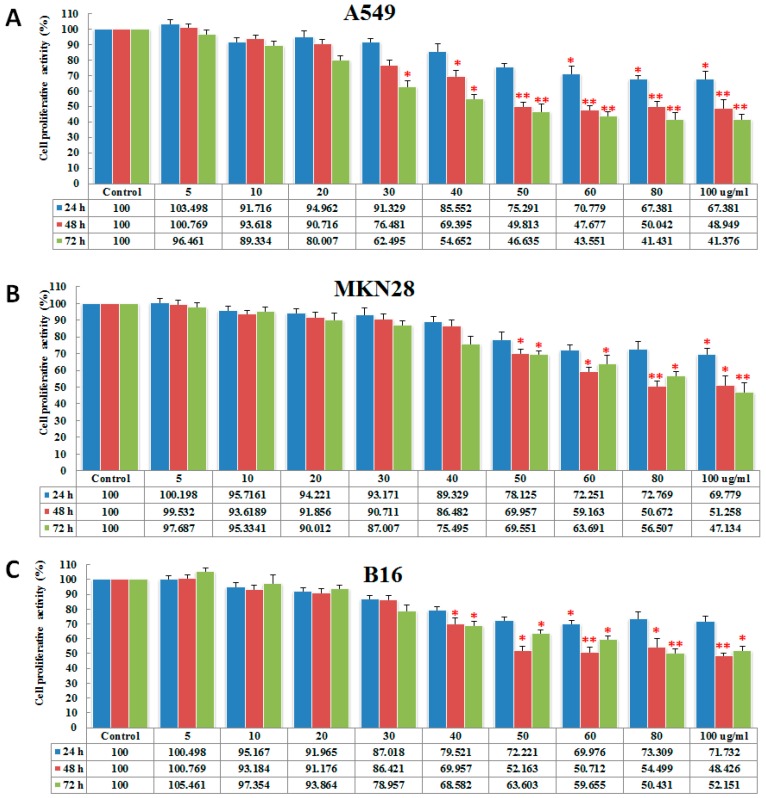
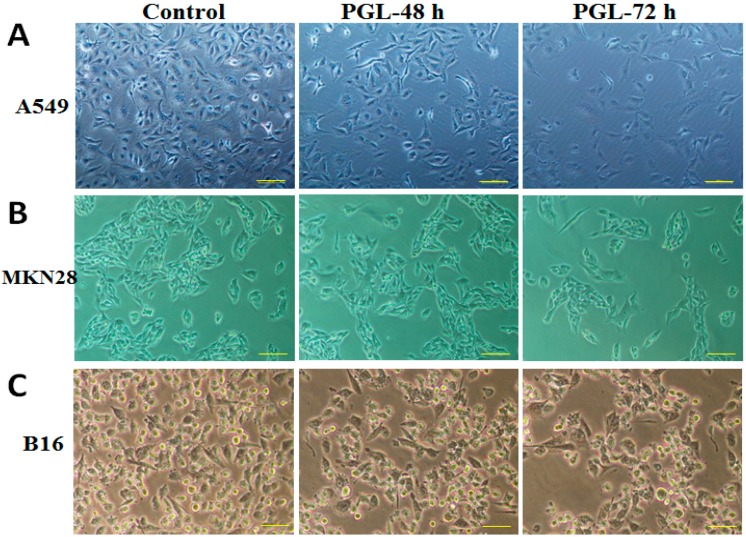
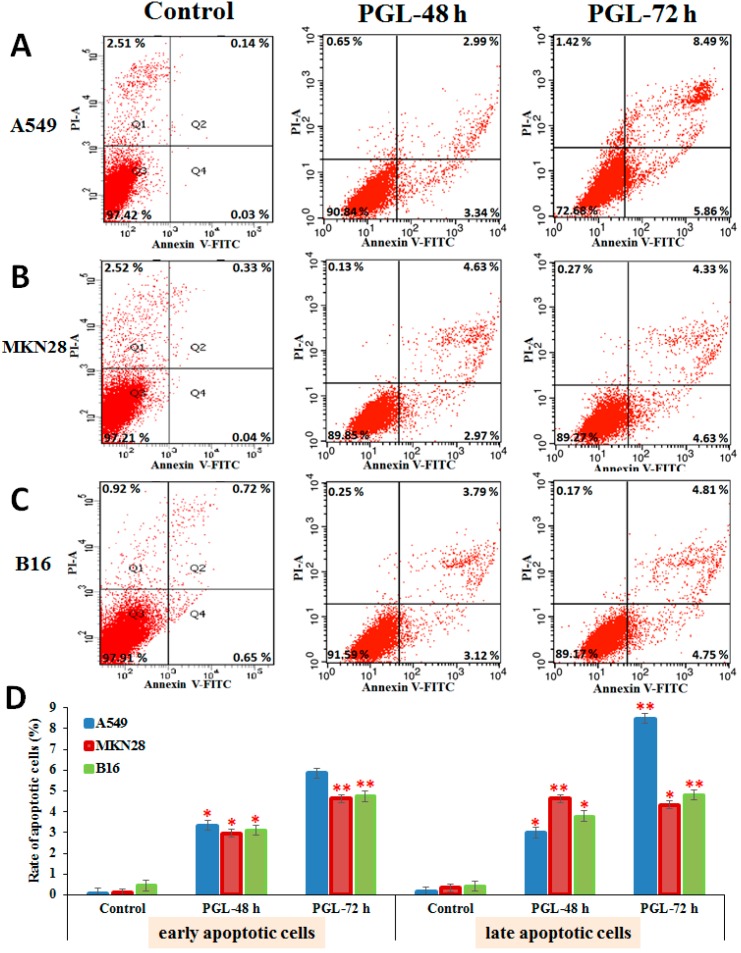
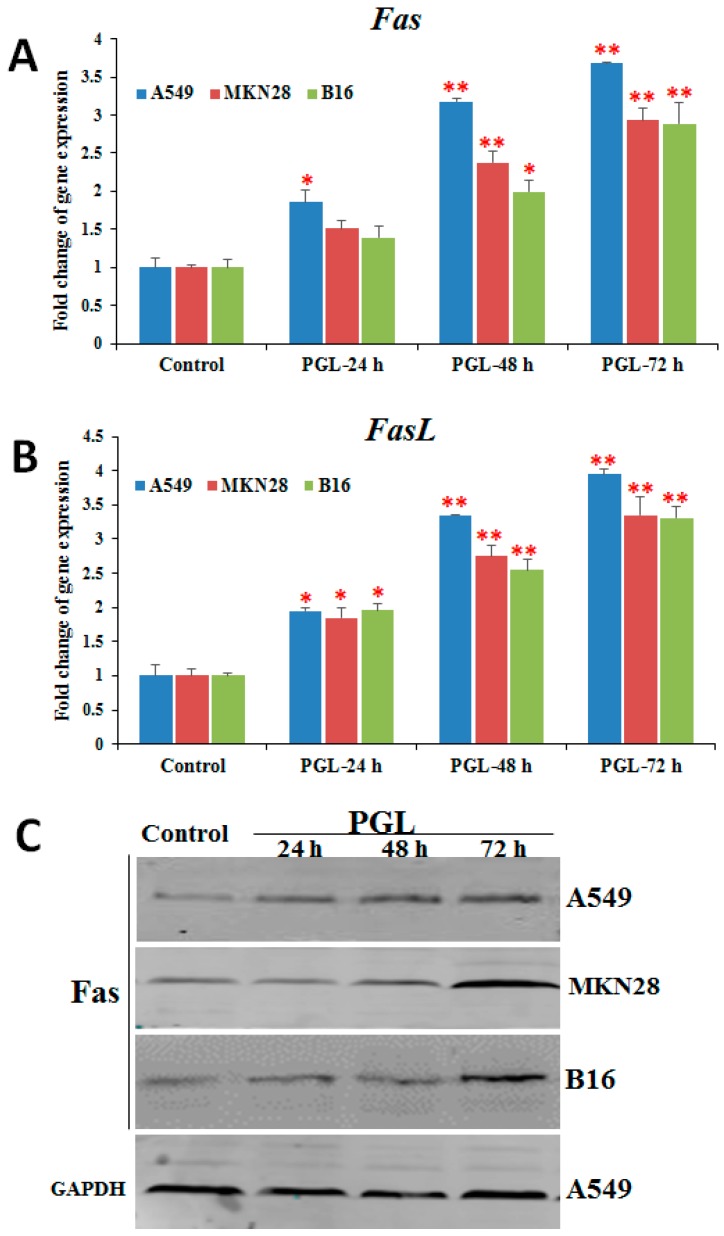
Substances with valuable antitumor properties have been identified in many marine algae, including an edible polysaccharide from the marine alga (PGL). We previously reported transcriptome profiling data showing that PGL induced transcriptional alterations generate anti-lung cancer activity. To identify how PGL is detrimental to tumors, we purified PGL to characterize its chemical composition, molecular weight, and sugar and protein content and investigated its antitumor activity. We demonstrated that PGL exerted its antitumor activities by modulating cell viability, morphology, apoptosis, and the apoptosis-related Fas/FasL signaling pathway in the human lung cancer cell line A549, the gastric cancer cell line MKN28, and the mouse melanoma cell line B16. Our data provide the first evidence that PGL inhibits cell proliferation by inducing apoptosis, which is largely mediated by Fas/FasL in cancer cells, suggesting that PGL might be a novel therapeutic agent against cancer.
许多海藻中已鉴定出具有重要抗肿瘤特性的物质,包括一种来自海藻的可食用多糖(PGL)。我们之前报道了转录组分析数据,表明PGL诱导的转录改变产生了抗肺癌活性。为了确定PGL如何对肿瘤产生损害作用,我们对PGL进行了纯化,以表征其化学组成、分子量以及糖和蛋白质含量,并研究了其抗肿瘤活性。我们证明,PGL通过调节人肺癌细胞系A549、胃癌细胞系MKN28和小鼠黑色素瘤细胞系B16中的细胞活力、形态、凋亡以及凋亡相关的Fas/FasL信号通路发挥其抗肿瘤活性。我们的数据首次证明,PGL通过诱导凋亡来抑制细胞增殖,这在很大程度上是由癌细胞中的Fas/FasL介导的,表明PGL可能是一种新型抗癌治疗药物。