Department of Chemistry, University of Kentucky, Lexington, KY, 40506, USA.
Facility for Electron Microscopy Research, McGill University, 3640 University Street, Montreal, Quebec, H3A 0C7, Canada.
Sci Rep. 2017 Apr 3;7(1):533. doi: 10.1038/s41598-017-00558-1.
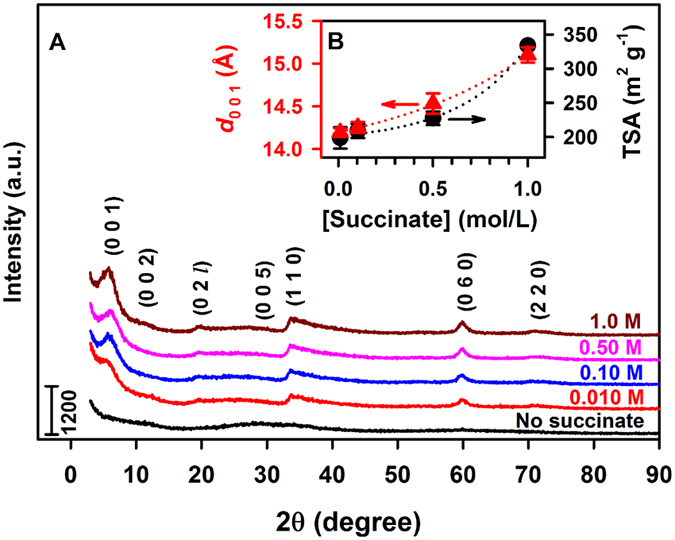
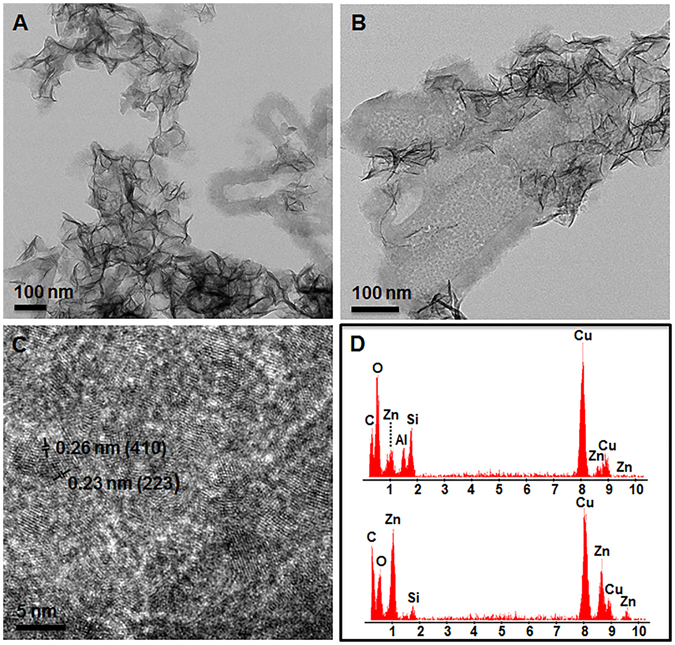
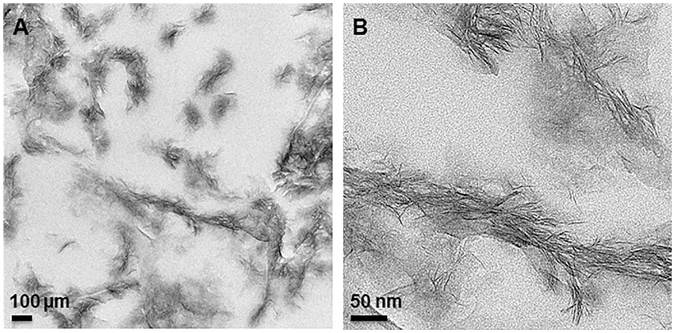
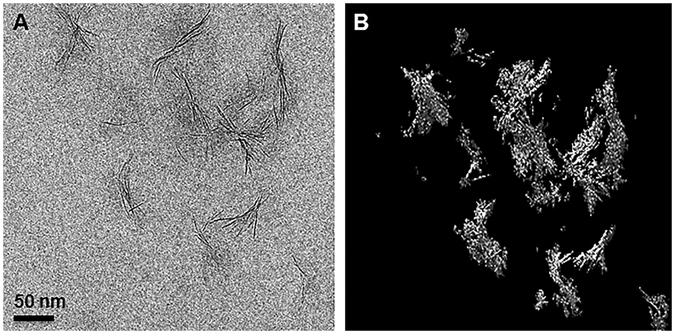
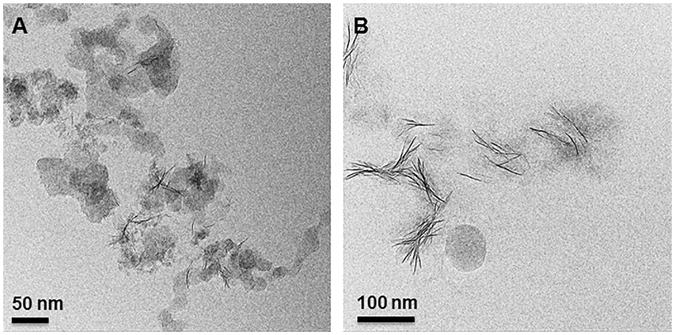
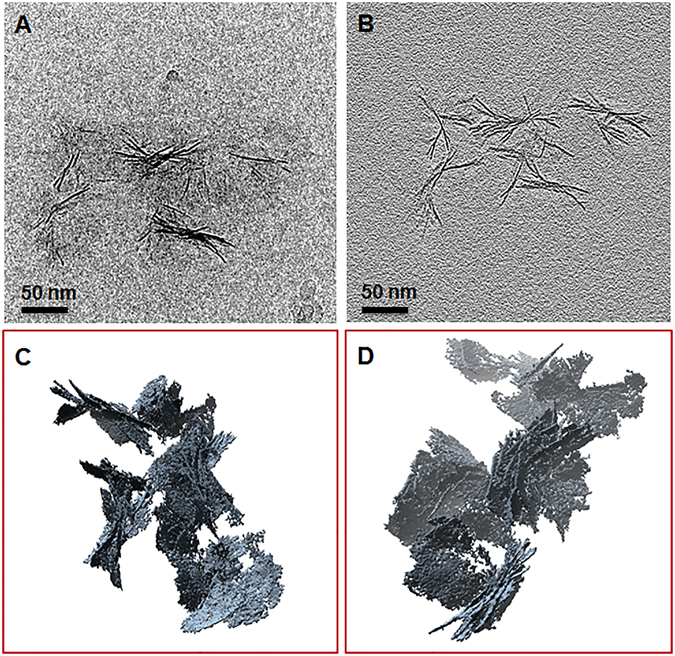
How primordial metabolic networks such as the reverse tricarboxylic acid (rTCA) cycle and clay mineral catalysts coevolved remains a mystery in the puzzle to understand the origin of life. While prebiotic reactions from the rTCA cycle were accomplished via photochemistry on semiconductor minerals, the synthesis of clays was demonstrated at low temperature and ambient pressure catalyzed by oxalate. Herein, the crystallization of clay minerals is catalyzed by succinate, an example of a photoproduced intermediate from central metabolism. The experiments connect the synthesis of sauconite, a model for clay minerals, to prebiotic photochemistry. We report the temperature, pH, and concentration dependence on succinate for the synthesis of sauconite identifying new mechanisms of clay formation in surface environments of rocky planets. The work demonstrates that seeding induces nucleation at low temperatures accelerating the crystallization process. Cryogenic and conventional transmission electron microscopies, X-ray diffraction, diffuse reflectance Fourier transformed infrared spectroscopy, and measurements of total surface area are used to build a three-dimensional representation of the clay. These results suggest the coevolution of clay minerals and early metabolites in our planet could have been facilitated by sunlight photochemistry, which played a significant role in the complex interplay between rocks and life over geological time.
原始代谢网络(如反向三羧酸循环和粘土矿物催化剂)是如何共同进化的,这在理解生命起源的难题中仍然是一个谜。虽然前生物化学反应可以通过半导体矿物上的光化学来完成,但粘土的合成已经在低温和环境压力下,通过草酸盐的催化作用得到了证明。在这里,粘土矿物的结晶是由琥珀酸催化的,琥珀酸是中心代谢物的光产物中间体的一个例子。该实验将粘土矿物模型钙十字沸石的合成与前生物光化学联系起来。我们报告了琥珀酸对钙十字沸石合成的温度、pH 值和浓度依赖性,确定了在岩石行星表面环境中形成粘土的新机制。这项工作表明,在低温下种晶诱导成核,从而加速了结晶过程。低温和常规透射电子显微镜、X 射线衍射、漫反射傅里叶变换红外光谱以及总表面积测量都被用来构建粘土的三维结构。这些结果表明,粘土矿物和早期代谢物在我们星球上的共同进化可能是由阳光光化学促成的,光化学在地质时间内岩石和生命之间的复杂相互作用中发挥了重要作用。