Fried Stephen D, Boxer Steven G
Proteins and Nucleic Acid Chemistry Division, Medical Research Council Laboratory of Molecular Biology, Cambridge CB2 0QH, United Kingdom; email:
Department of Chemistry, Stanford University, Stanford, California 94305; email:
Annu Rev Biochem. 2017 Jun 20;86:387-415. doi: 10.1146/annurev-biochem-061516-044432. Epub 2017 Mar 24.
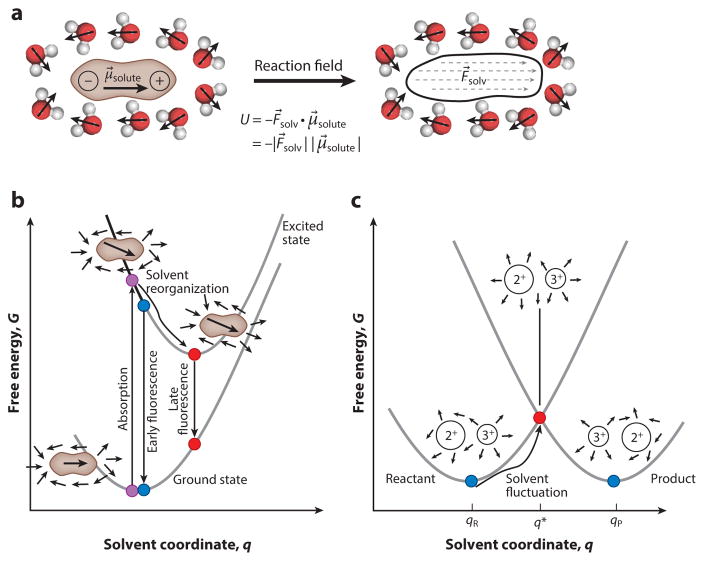
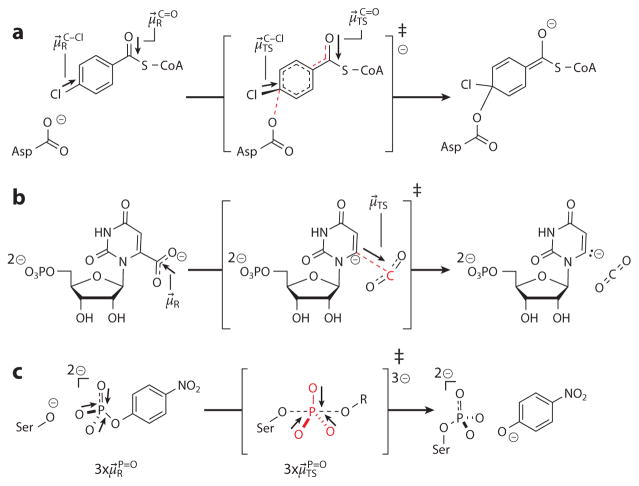
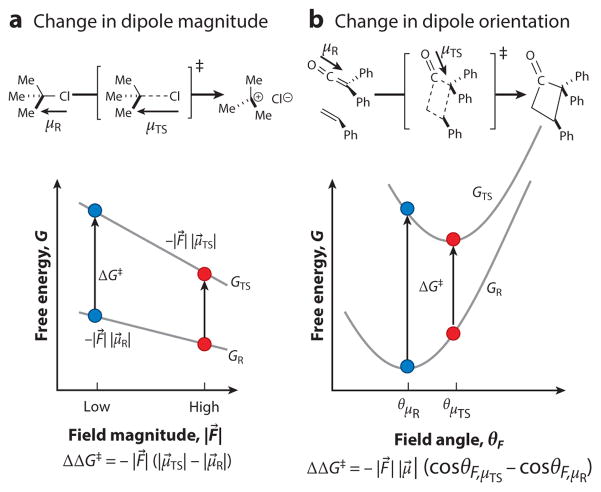
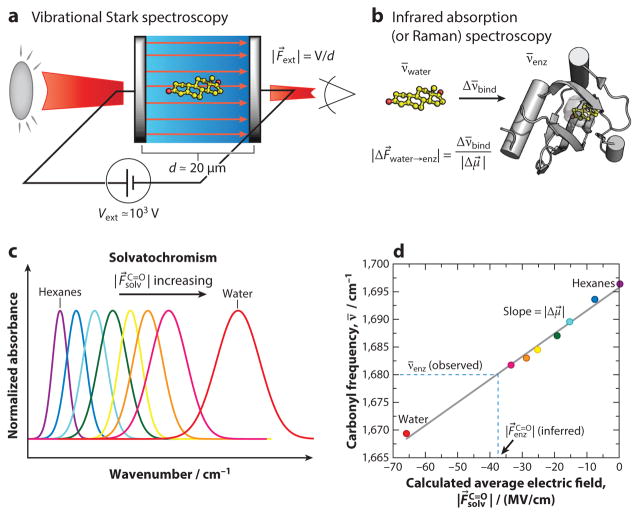
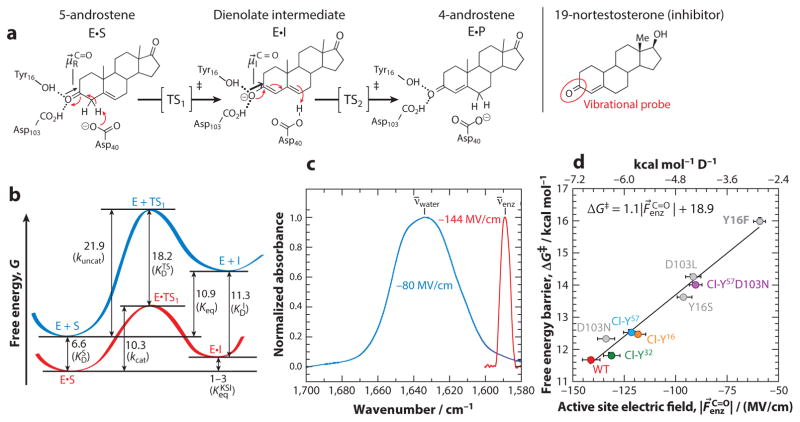
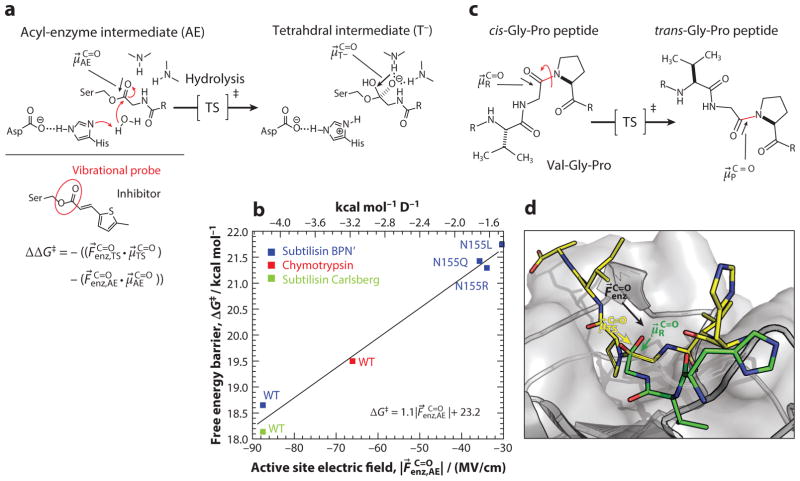
What happens inside an enzyme's active site to allow slow and difficult chemical reactions to occur so rapidly? This question has occupied biochemists' attention for a long time. Computer models of increasing sophistication have predicted an important role for electrostatic interactions in enzymatic reactions, yet this hypothesis has proved vexingly difficult to test experimentally. Recent experiments utilizing the vibrational Stark effect make it possible to measure the electric field a substrate molecule experiences when bound inside its enzyme's active site. These experiments have provided compelling evidence supporting a major electrostatic contribution to enzymatic catalysis. Here, we review these results and develop a simple model for electrostatic catalysis that enables us to incorporate disparate concepts introduced by many investigators to describe how enzymes work into a more unified framework stressing the importance of electric fields at the active site.
在酶的活性位点内部发生了什么,使得缓慢且困难的化学反应能够如此迅速地发生?这个问题长期以来一直吸引着生物化学家的关注。日益复杂的计算机模型预测了静电相互作用在酶促反应中具有重要作用,但这一假设已证明极难通过实验进行验证。最近利用振动斯塔克效应开展的实验,使得测量底物分子在结合于其酶的活性位点内部时所经历的电场成为可能。这些实验提供了令人信服的证据,支持静电作用对酶催化有重大贡献。在此,我们回顾这些结果,并开发了一个静电催化的简单模型,该模型使我们能够将许多研究者提出的不同概念整合起来,以描述酶如何发挥作用,纳入一个更统一的框架,强调活性位点处电场的重要性。