Department of Geriatrics, Zhongshan Hospital, Fudan University, Shanghai, China.
Department of Gastroenterology and Hepatology, Zhongshan Hospital, Fudan University and Shanghai Institute of Liver Diseases, Shanghai, China.
J Cell Mol Med. 2017 Oct;21(10):2370-2385. doi: 10.1111/jcmm.13158. Epub 2017 Apr 5.
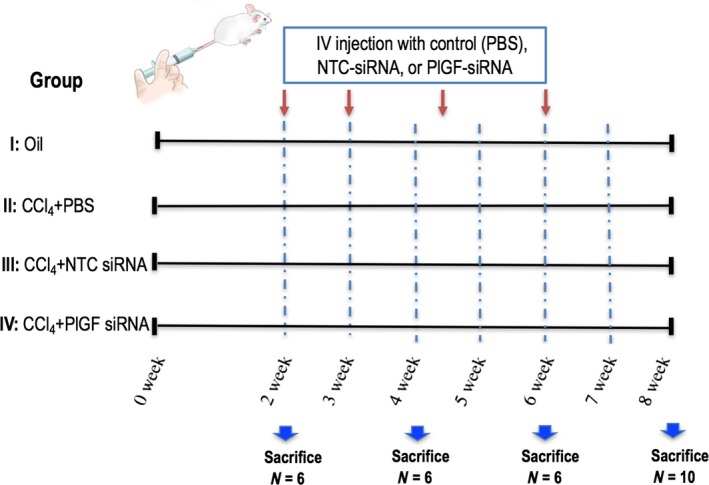
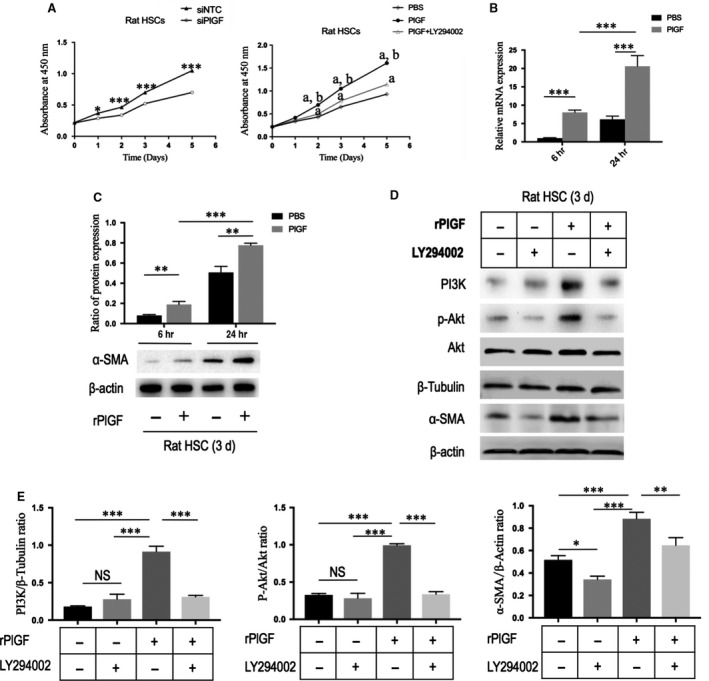
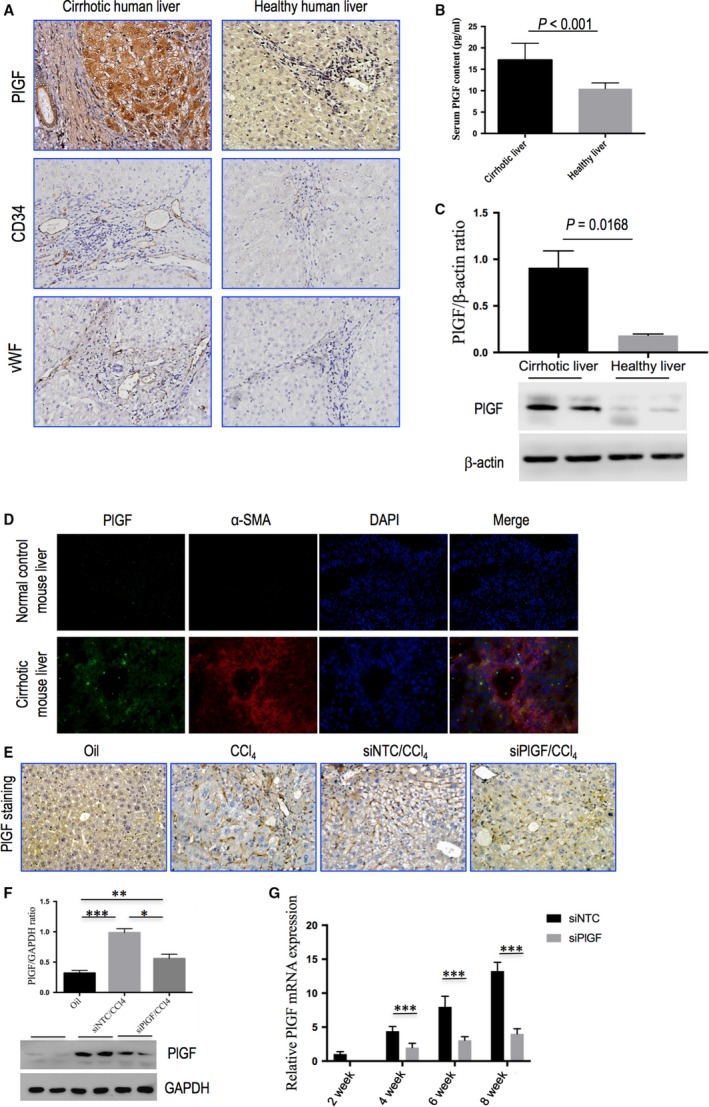
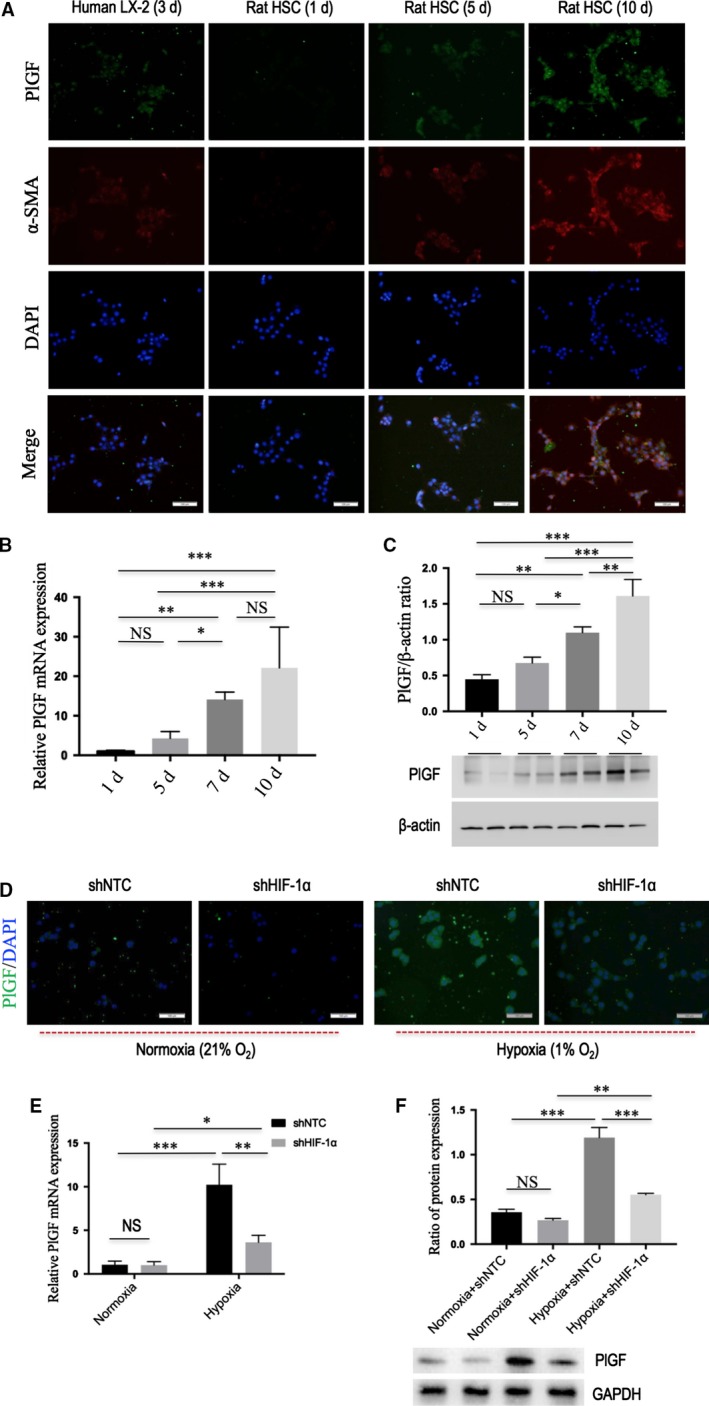
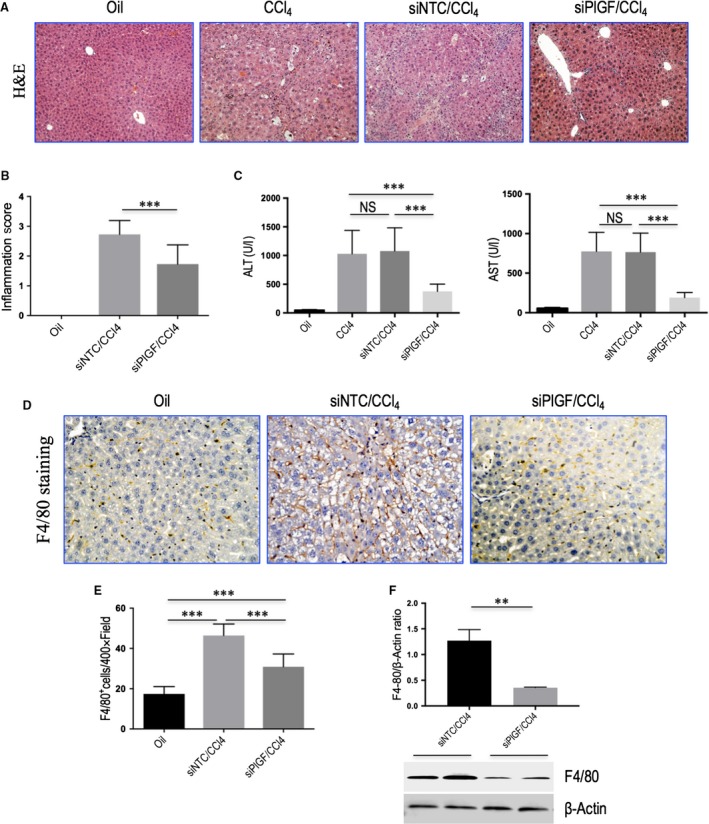
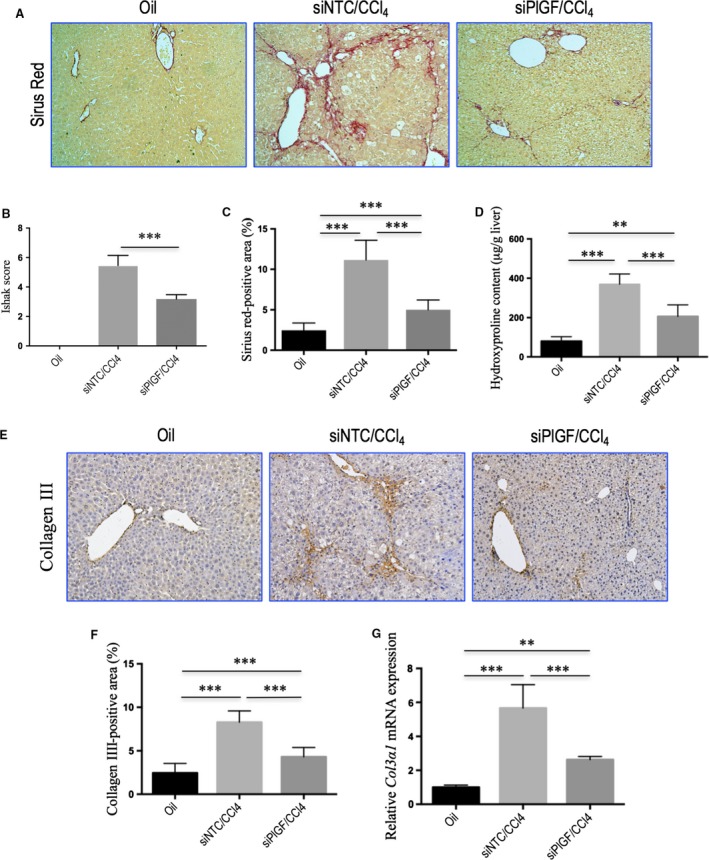
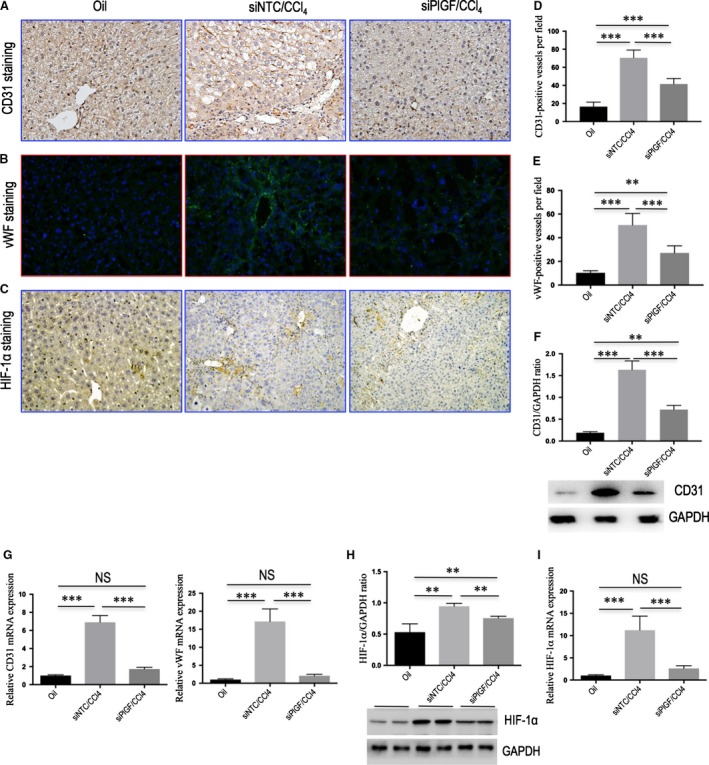
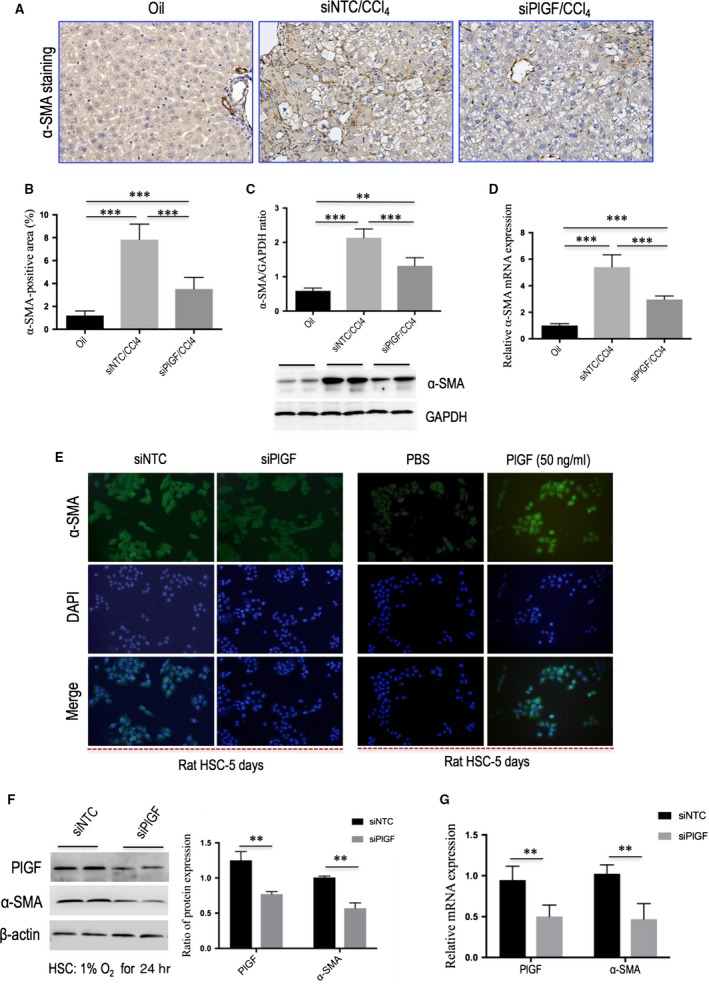
Placental growth factor (PlGF) is a member of the vascular endothelial growth factor (VEGF) family and is involved in pathological angiogenesis associated with chronic liver diseases. However, the precise mechanisms underlying PlGF signalling contributing to liver fibrosis and angiogenesis remain largely unexplored. This study aimed to assess the effect of reducing PlGF expression using small interfering RNA (siRNA) on experimental liver fibrosis and angiogenesis, and to elucidate the underlying molecular mechanisms. Fibrosis was induced in mice by carbon tetrachloride (CCl ) for 8 weeks, and mice were treated with PlGF siRNA or non-targeting control siRNA starting two weeks after initiating CCl injections. The results showed that PlGF was highly expressed in cirrhotic human and mice livers; which mainly distributed in activated hepatic stellate cells (HSCs). PlGF silencing robustly reduced liver inflammation, fibrosis, intrahepatic macrophage recruitment, and inhibited the activation of HSCs in vivo. Moreover, PlGF siRNA-treated fibrotic mice showed diminished hepatic microvessel density and angiogenic factors, such as hypoxia-inducible factor-1α (HIF-1α), VEGF and VEGF receptor-1. Moreover, down-regulation of PlGF with siRNA in HSCs inhibited the activation and proliferation of HSCs. Mechanistically, overexpression of PlGF in activated HSCs was induced by hypoxia dependent on HIF-1α, and PlGF induces HSC activation and proliferation via activation the phosphatidylinositol 3-kinase (PI3K)/Akt signalling pathways. These findings indicate that PlGF plays an important role in liver fibrosis-associated angiogenesis and that blockage of PlGF could be an effective strategy for chronic liver disease.
胎盘生长因子(PlGF)是血管内皮生长因子(VEGF)家族的一员,参与与慢性肝病相关的病理性血管生成。然而,PlGF 信号在肝纤维化和血管生成中的作用的具体机制在很大程度上仍未被探索。本研究旨在评估使用小干扰 RNA(siRNA)降低 PlGF 表达对实验性肝纤维化和血管生成的影响,并阐明潜在的分子机制。用四氯化碳(CCl )诱导小鼠纤维化 8 周,在开始 CCl 注射后两周,用 PlGF siRNA 或非靶向对照 siRNA 治疗小鼠。结果表明,PlGF 在肝硬化的人和小鼠肝脏中高度表达;主要分布在活化的肝星状细胞(HSCs)中。PlGF 沉默强烈减少了肝脏炎症、纤维化、肝内巨噬细胞募集,并抑制了体内 HSCs 的活化。此外,PlGF siRNA 治疗的纤维化小鼠显示肝微血管密度和血管生成因子(如缺氧诱导因子-1α(HIF-1α)、VEGF 和 VEGF 受体-1)减少。此外,用 siRNA 在 HSCs 中下调 PlGF 抑制了 HSCs 的活化和增殖。在机制上,缺氧依赖于 HIF-1α诱导激活的 HSCs 中 PlGF 的过表达,PlGF 通过激活磷脂酰肌醇 3-激酶(PI3K)/Akt 信号通路诱导 HSC 活化和增殖。这些发现表明 PlGF 在肝纤维化相关血管生成中起重要作用,阻断 PlGF 可能是治疗慢性肝病的有效策略。