Xue Wei-Zhen, Yang Qian-Qian, Chen Yiwen, Zou Rong-Xin, Xing Dong, Xu Yi, Liu Yong-Sheng, Wang Hui-Li
School of Food Science and Engineering, Hefei University of Technology, Hefei, Anhui 230009, China.
Hefei No. 8 High School, Hefei 230038, China.
Oxid Med Cell Longev. 2017;2017:5645324. doi: 10.1155/2017/5645324. Epub 2017 Mar 12.
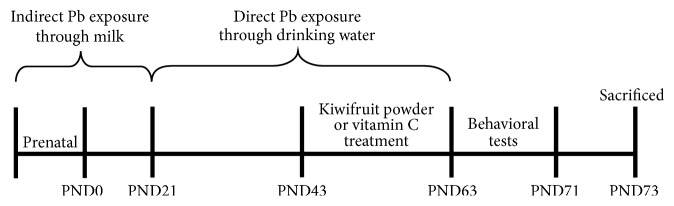
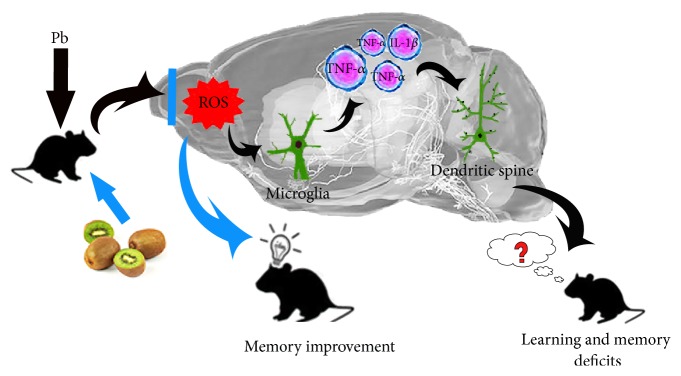
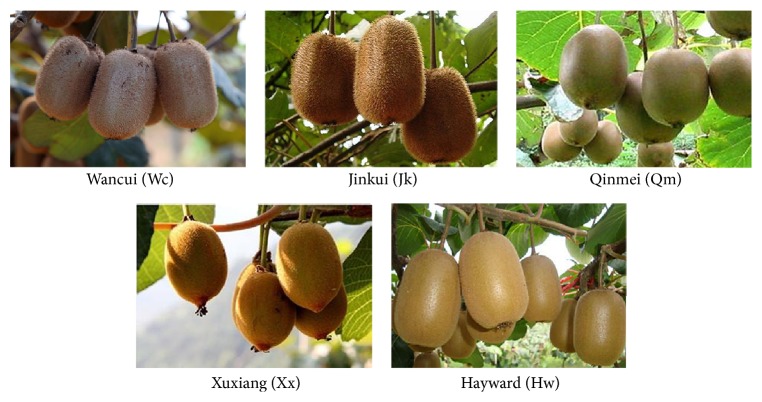
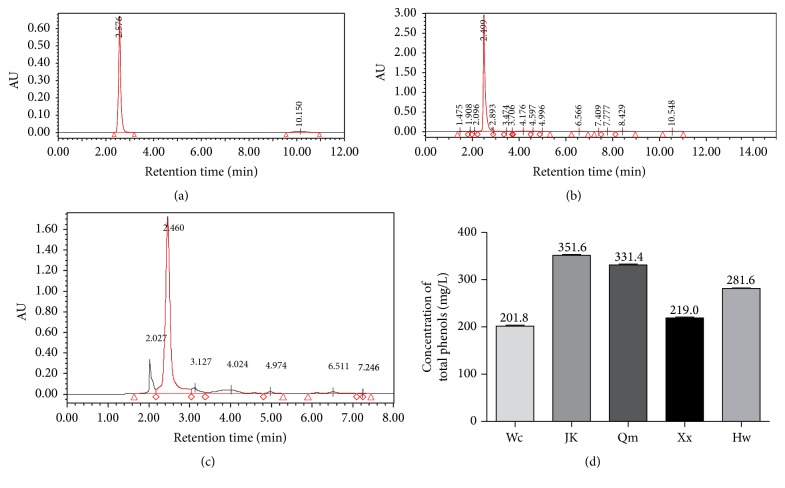
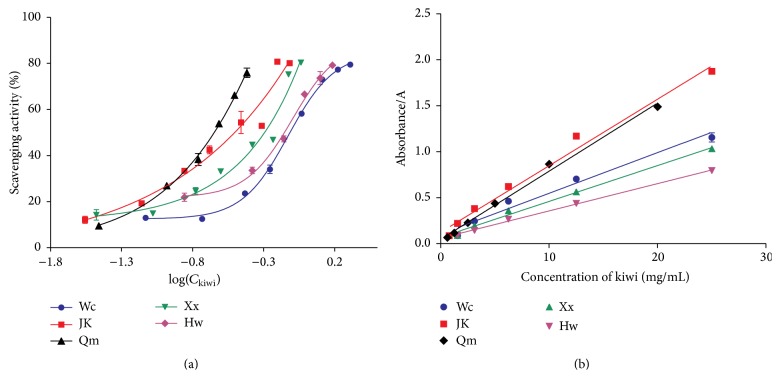
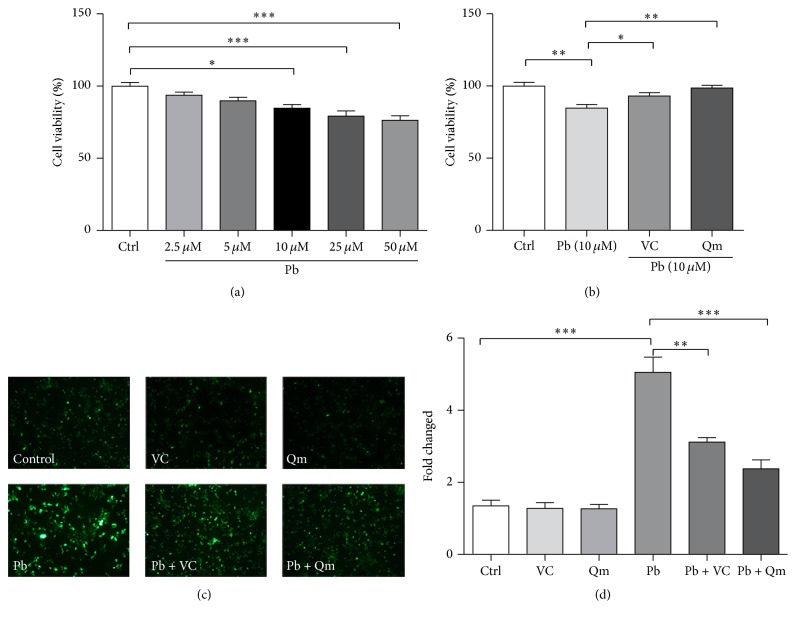
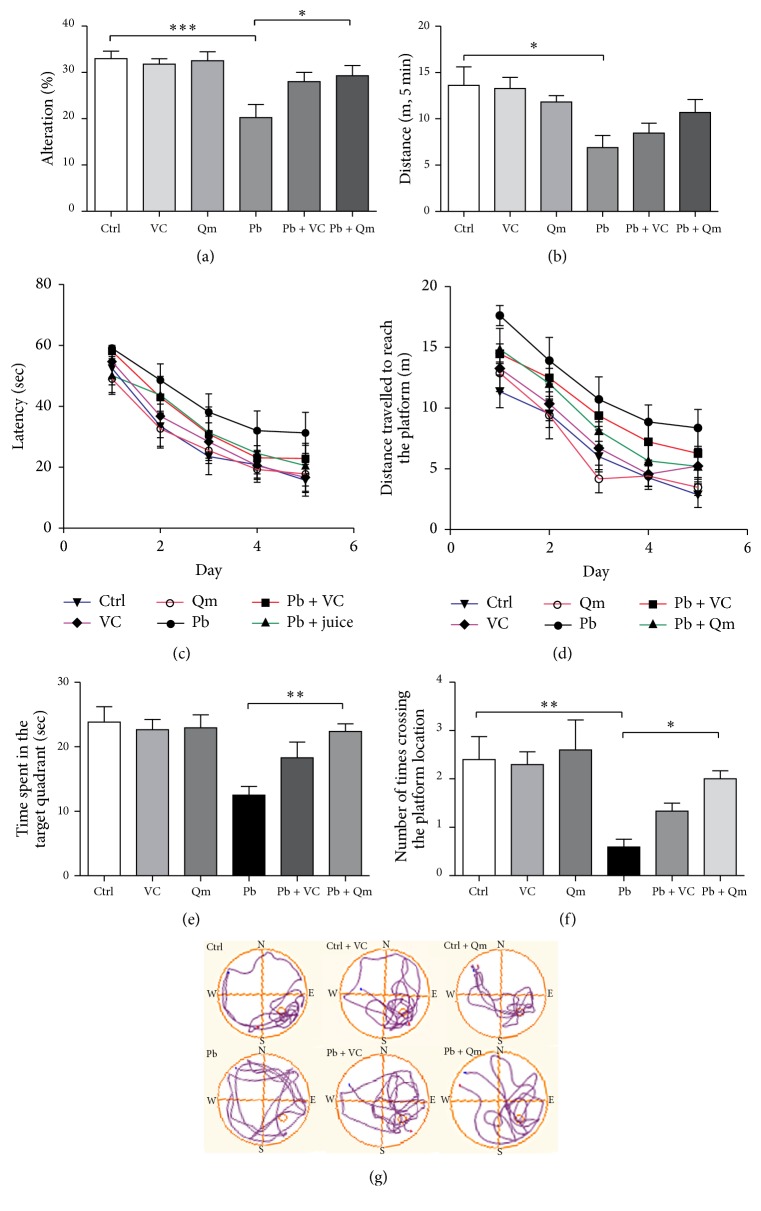
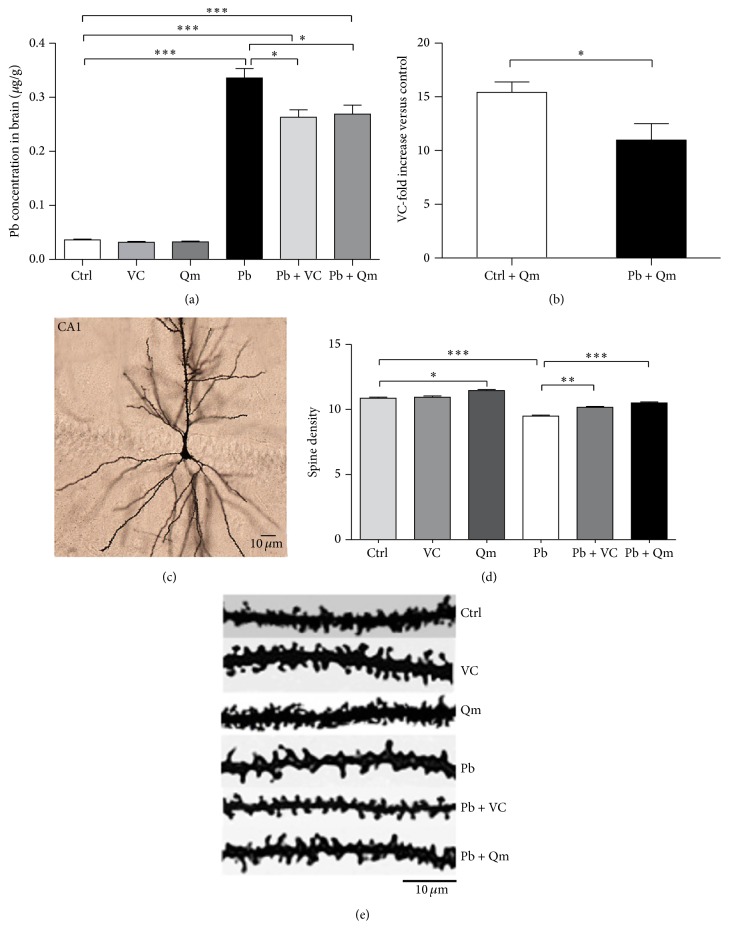
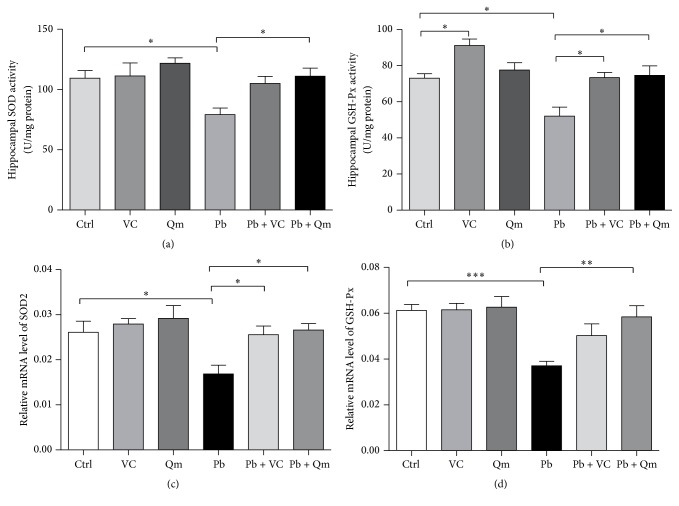
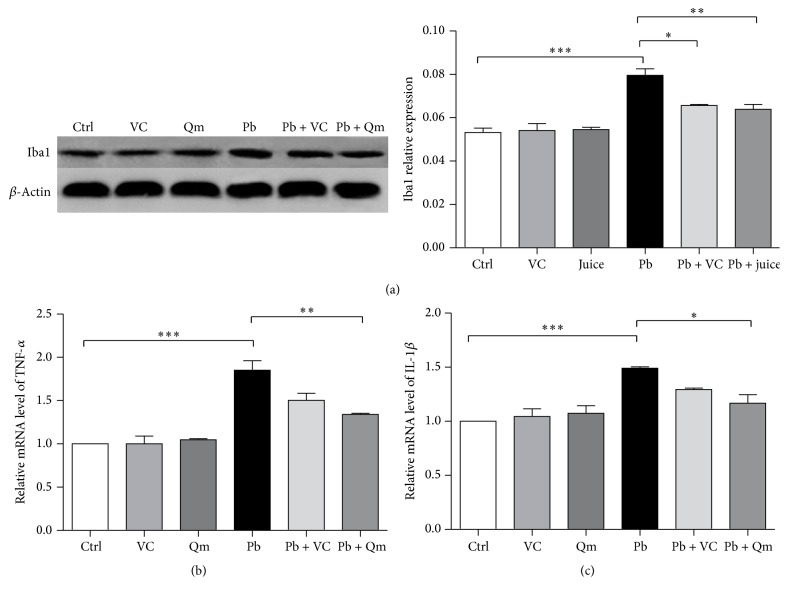
Lead (Pb) exposure, in particular during early postnatal life, increases susceptibility to cognitive dysfunction and neurodegenerative outcomes. The detrimental effect of Pb exposure is basically due to an increasing ROS production which overcomes the antioxidant systems and finally leads to cognitive dysfunction. Kiwifruit is rich in the antioxidants like vitamin C and polyphenols. This study aims to investigate the effects and mechanism of kiwifruit to alleviate learning and memory deficits induced by Pb exposure. Sprague-Dawley (SD) rat pups acquired Pb indirectly through their mothers during lactation period and after postnatal day 21 (PND21) directly acquired Pb by themselves. Five kinds of kiwifruits were collected in this study and the amounts of vitamin C and polyphenols in them were measured and the antioxidation effects were determined. Among them, Qinmei kiwifruit (Qm) showed the strongest antioxidation effects in vitro. In vivo, Qm significantly repaired Pb-induced learning and memory deficits and dendritic spine loss. In addition, Pb compromised the enzymatic activity and transcriptional levels of SOD and GSH-Px and decreased the microglial activation, which, to some extent, could be reversed by Qm kiwifruit administration. The results suggest that kiwifruit could alleviate Pb-induced cognitive deficits possibly through antioxidative stress and microglia inactivation. Consequently, kiwifruit could be potentially regarded as the functional food favorable in the prevention and treatment of Pb intoxication.
铅(Pb)暴露,尤其是在出生后早期,会增加认知功能障碍和神经退行性病变的易感性。铅暴露的有害影响主要是由于活性氧(ROS)生成增加,这超过了抗氧化系统,最终导致认知功能障碍。猕猴桃富含维生素C和多酚等抗氧化剂。本研究旨在探讨猕猴桃减轻铅暴露所致学习和记忆缺陷的作用及机制。Sprague-Dawley(SD)大鼠幼崽在哺乳期通过其母亲间接接触铅,出生后第21天(PND21)后则直接自行接触铅。本研究收集了五种猕猴桃,并测定了它们中维生素C和多酚的含量,以及抗氧化作用。其中,秦美猕猴桃(Qm)在体外表现出最强的抗氧化作用。在体内,Qm显著修复了铅诱导的学习和记忆缺陷以及树突棘丢失。此外,铅损害了超氧化物歧化酶(SOD)和谷胱甘肽过氧化物酶(GSH-Px)的酶活性和转录水平,并降低了小胶质细胞的激活,而给予Qm猕猴桃在一定程度上可以逆转这些变化。结果表明,猕猴桃可能通过抗氧化应激和小胶质细胞失活来减轻铅诱导的认知缺陷。因此,猕猴桃有可能被视为预防和治疗铅中毒的功能性食品。