Venkataraman Thiagarajan, Frieman Matthew B
Department of Microbiology and Immunology, University of Maryland at Baltimore, 685 West Baltimore St. Room 380, Baltimore, MD, 21201, USA.
Department of Microbiology and Immunology, University of Maryland at Baltimore, 685 West Baltimore St. Room 380, Baltimore, MD, 21201, USA.
Antiviral Res. 2017 Jul;143:142-150. doi: 10.1016/j.antiviral.2017.03.022. Epub 2017 Apr 5.
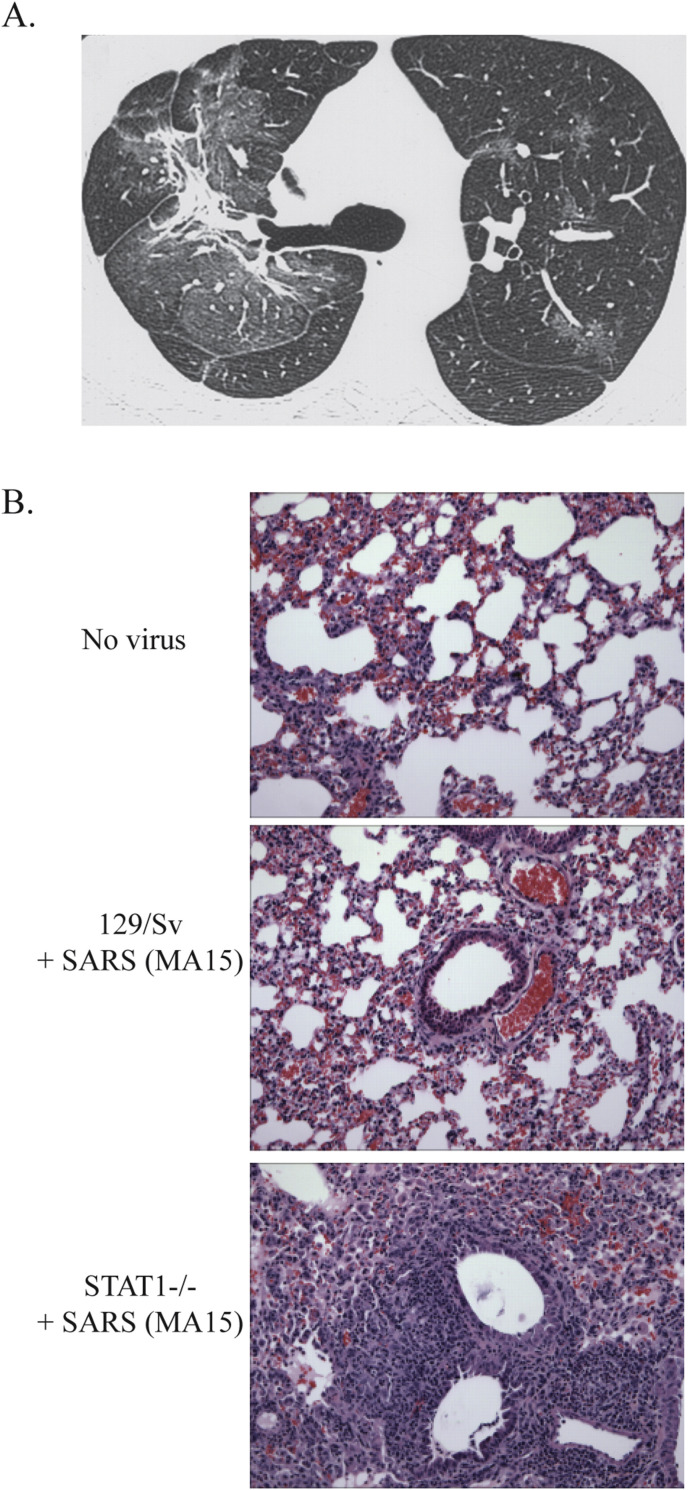
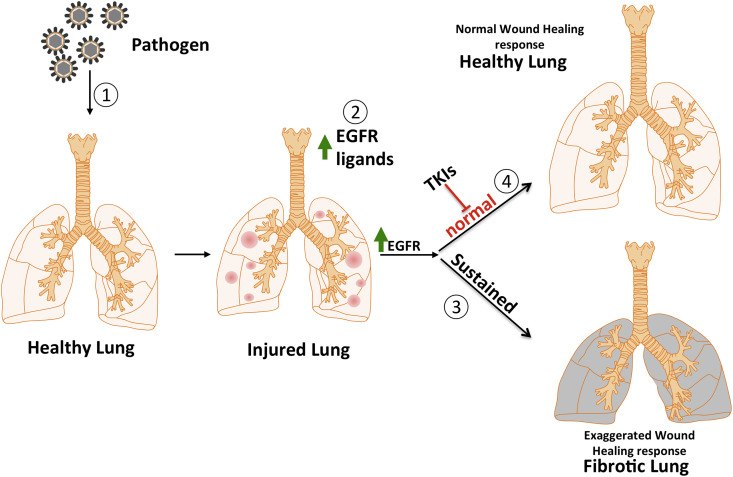
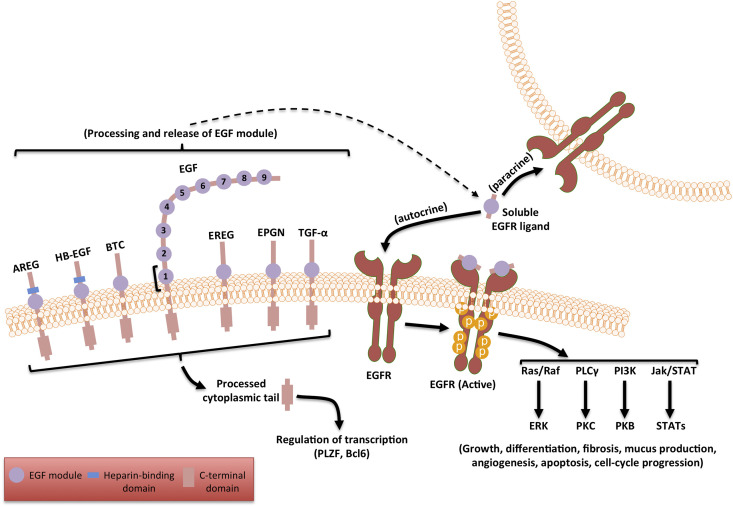
Many survivors of the 2003 outbreak of severe acute respiratory syndrome (SARS) developed residual pulmonary fibrosis with increased severity seen in older patients. Autopsies of patients that died from SARS also showed fibrosis to varying extents. Pulmonary fibrosis can be occasionally seen as a consequence to several respiratory viral infections but is much more common after a SARS coronavirus (SARS-CoV) infection. Given the threat of future outbreaks of severe coronavirus disease, including Middle East respiratory syndrome (MERS), it is important to understand the mechanisms responsible for pulmonary fibrosis, so as to support the development of therapeutic countermeasures and mitigate sequelae of infection. In this article, we summarize pulmonary fibrotic changes observed after a SARS-CoV infection, discuss the extent to which other respiratory viruses induce fibrosis, describe available animal models to study the development of SARS-CoV induced fibrosis and review evidence that pulmonary fibrosis is caused by a hyperactive host response to lung injury mediated by epidermal growth factor receptor (EGFR) signaling. We summarize work from our group and others indicating that inhibiting EGFR signaling may prevent an excessive fibrotic response to SARS-CoV and other respiratory viral infections and propose directions for future research.
许多2003年严重急性呼吸综合征(SARS)疫情的幸存者出现了残留的肺纤维化,老年患者的病情更为严重。死于SARS的患者尸检也显示出不同程度的纤维化。肺纤维化偶尔可见于多种呼吸道病毒感染后,但在感染严重急性呼吸综合征冠状病毒(SARS-CoV)后更为常见。鉴于包括中东呼吸综合征(MERS)在内的未来严重冠状病毒疾病爆发的威胁,了解肺纤维化的发病机制很重要,以便支持治疗对策的开发并减轻感染后遗症。在本文中,我们总结了SARS-CoV感染后观察到的肺纤维化变化,讨论了其他呼吸道病毒诱导纤维化的程度,描述了用于研究SARS-CoV诱导纤维化发展的现有动物模型,并综述了肺纤维化是由宿主对表皮生长因子受体(EGFR)信号介导的肺损伤过度反应引起的证据。我们总结了我们团队和其他团队的研究成果,表明抑制EGFR信号可能预防对SARS-CoV和其他呼吸道病毒感染的过度纤维化反应,并提出了未来研究的方向。