NIBIO-Norwegian Institute of Bioeconomy Research, Ås, Norway.
Institute of Biochemistry of the Romanian Academy, Bucharest, Romania.
Plant Biotechnol J. 2017 Dec;15(12):1611-1621. doi: 10.1111/pbi.12743. Epub 2017 Jun 9.
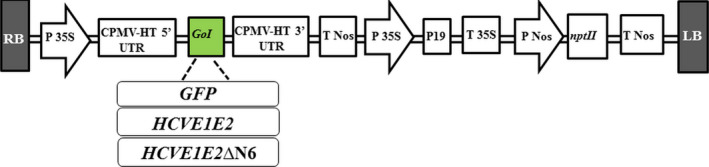
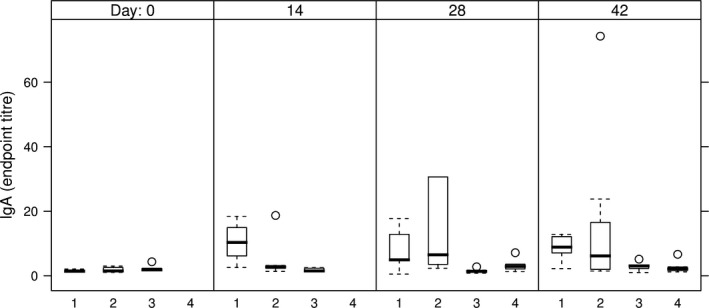
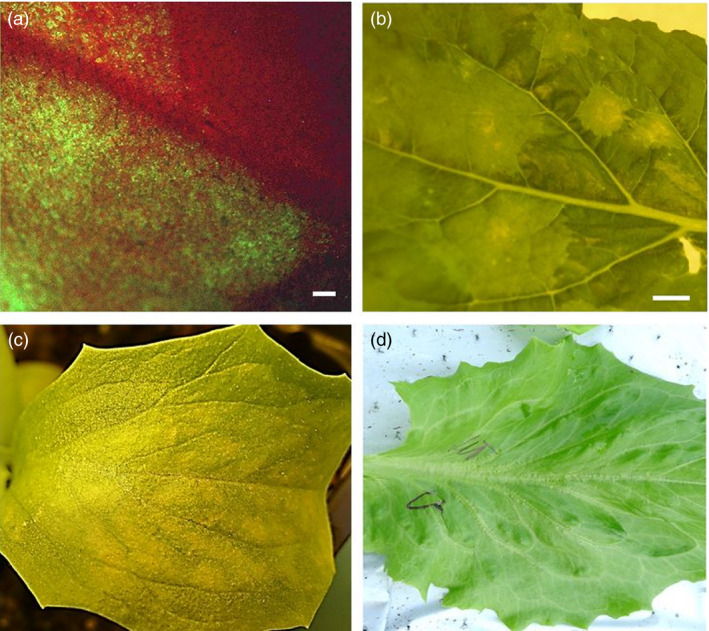
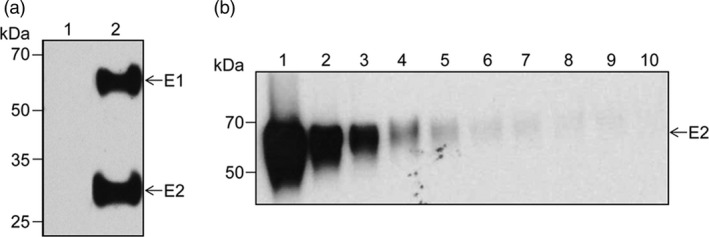
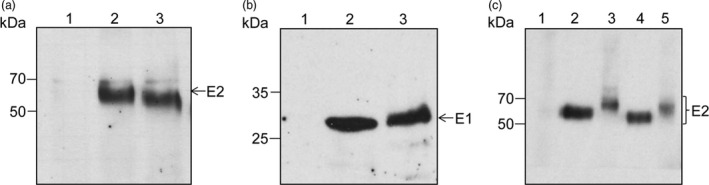
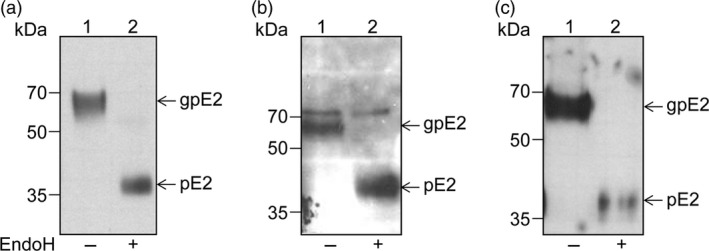
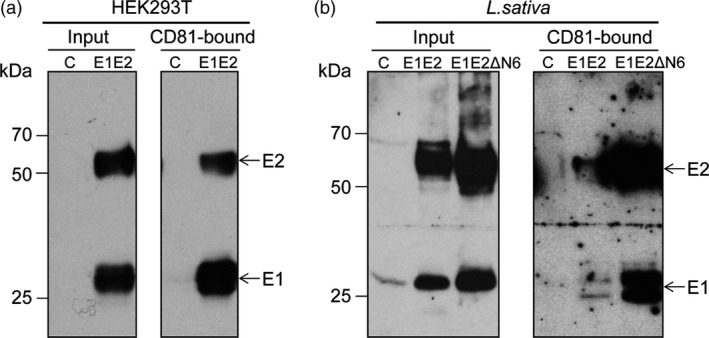
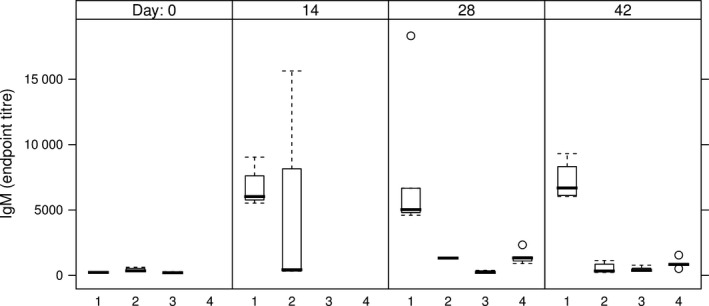
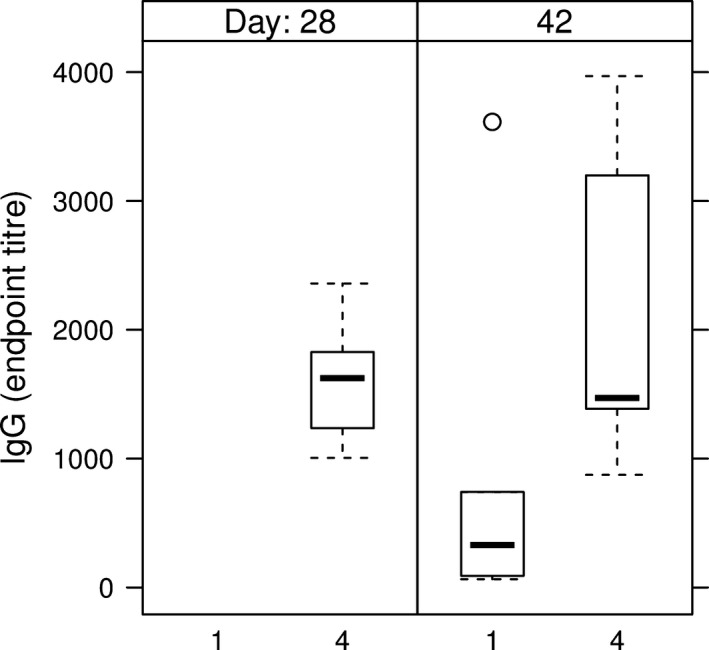
The hepatitis C virus (HCV) is a major etiologic agent for severe liver diseases (e.g. cirrhosis, fibrosis and hepatocellular carcinoma). Approximately 140 million people have chronic HCV infections and about 500 000 die yearly from HCV-related liver pathologies. To date, there is no licensed vaccine available to prevent HCV infection and production of a HCV vaccine remains a major challenge. Here, we report the successful production of the HCV E1E2 heterodimer, an important vaccine candidate, in an edible crop (lettuce, Lactuca sativa) using Agrobacterium-mediated transient expression technology. The wild-type dimer (E1E2) and a variant without an N-glycosylation site in the E2 polypeptide (E1E2∆N6) were expressed, and appropriate N-glycosylation pattern and functionality of the E1E2 dimers were demonstrated. The humoral immune response induced by the HCV proteins was investigated in mice following oral administration of lettuce antigens with or without previous intramuscular prime with the mammalian HEK293T cell-expressed HCV dimer. Immunization by oral feeding only resulted in development of weak serum levels of anti-HCV IgM for both antigens; however, the E1E2∆N6 proteins produced higher amounts of secretory IgA, suggesting improved immunogenic properties of the N-glycosylation mutant. The mice group receiving the intramuscular injection followed by two oral boosts with the lettuce E1E2 dimer developed a systemic but also a mucosal immune response, as demonstrated by the presence of anti-HCV secretory IgA in faeces extracts. In summary, our study demonstrates the feasibility of producing complex viral antigens in lettuce, using plant transient expression technology, with great potential for future low-cost oral vaccine development.
丙型肝炎病毒 (HCV) 是导致严重肝脏疾病(如肝硬化、纤维化和肝细胞癌)的主要病原体。约有 1.4 亿人患有慢性 HCV 感染,每年约有 50 万人死于 HCV 相关的肝脏疾病。迄今为止,尚无可用的 HCV 疫苗来预防 HCV 感染,而生产 HCV 疫苗仍然是一个主要挑战。在这里,我们报告了使用农杆菌介导的瞬时表达技术在一种可食用作物(生菜,Lactuca sativa)中成功生产 HCV E1E2 异源二聚体的情况,这是一种重要的疫苗候选物。表达了野生型二聚体(E1E2)和一种 E2 多肽中没有 N-糖基化位点的变体(E1E2∆N6),并证明了 E1E2 二聚体适当的 N-糖基化模式和功能。通过口服给予生菜抗原(或之前肌肉内用哺乳动物 HEK293T 细胞表达的 HCV 二聚体进行预接种),在小鼠中研究了 HCV 蛋白引起的体液免疫反应。仅通过口服免疫接种导致两种抗原的抗 HCV IgM 血清水平均较弱;然而,E1E2∆N6 蛋白产生了更高量的分泌型 IgA,表明 N-糖基化突变体具有更好的免疫原性。接受肌肉内注射,然后再用生菜 E1E2 二聚体进行两次口服加强免疫的小鼠组产生了全身性和黏膜免疫反应,粪便提取物中存在抗 HCV 分泌型 IgA 证实了这一点。总之,我们的研究表明,使用植物瞬时表达技术在生菜中生产复杂病毒抗原是可行的,为未来低成本口服疫苗的开发提供了巨大的潜力。