Śmieszek Agnieszka, Stręk Zuzanna, Kornicka Katarzyna, Grzesiak Jakub, Weiss Christine, Marycz Krzysztof
Department of Experimental Biology and Electron Microscope Facility, The Faculty of Biology and Animal Science, Wroclaw University of Environmental and Life Sciences, Norwida 25, 50-375 Wroclaw, Poland.
Wroclaw Research Centre EIT+, Stablowicka 147, 54-066 Wroclaw, Poland.
Int J Mol Sci. 2017 Apr 20;18(4):872. doi: 10.3390/ijms18040872.
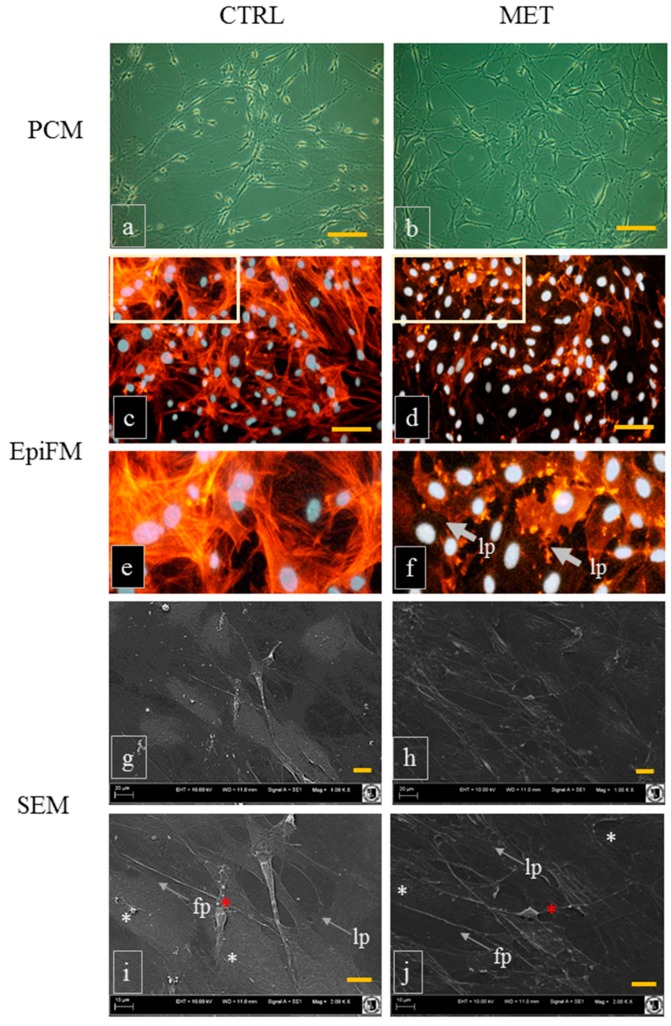
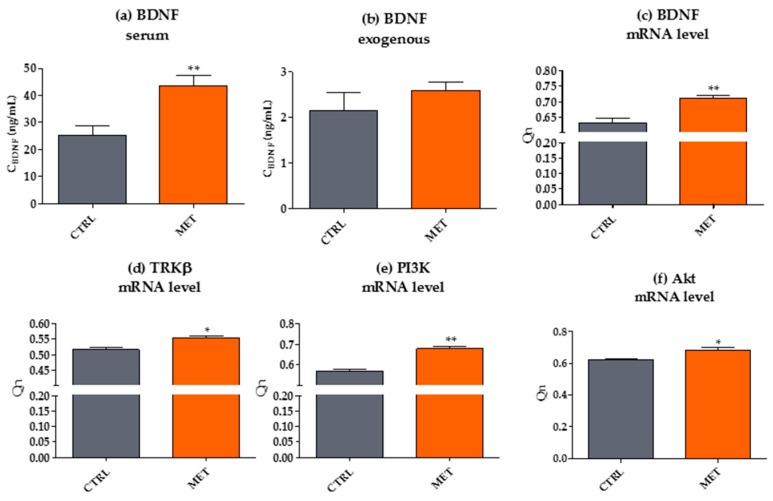
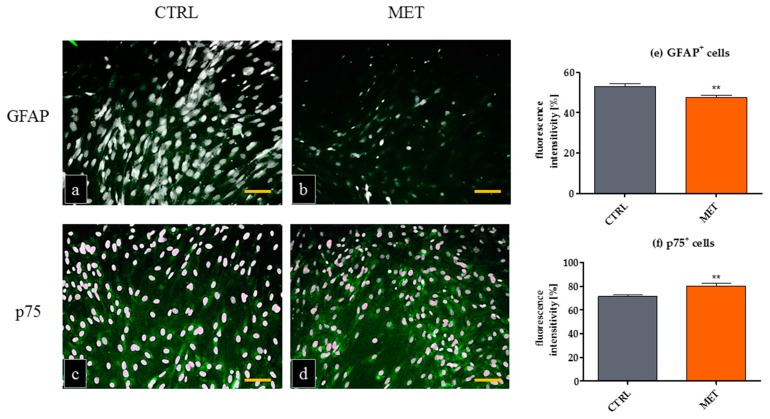
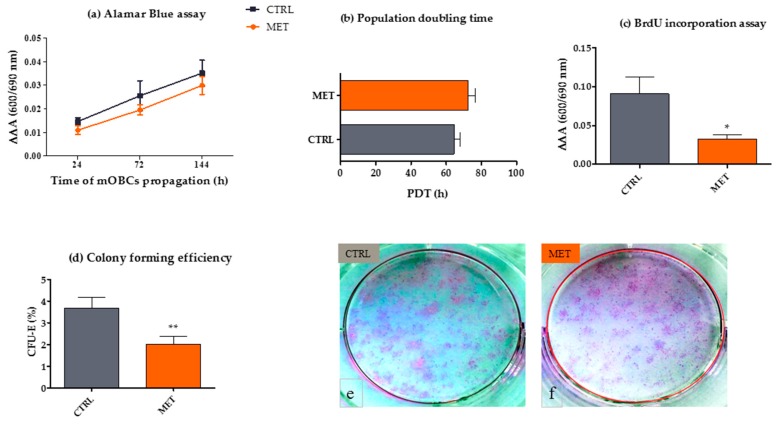
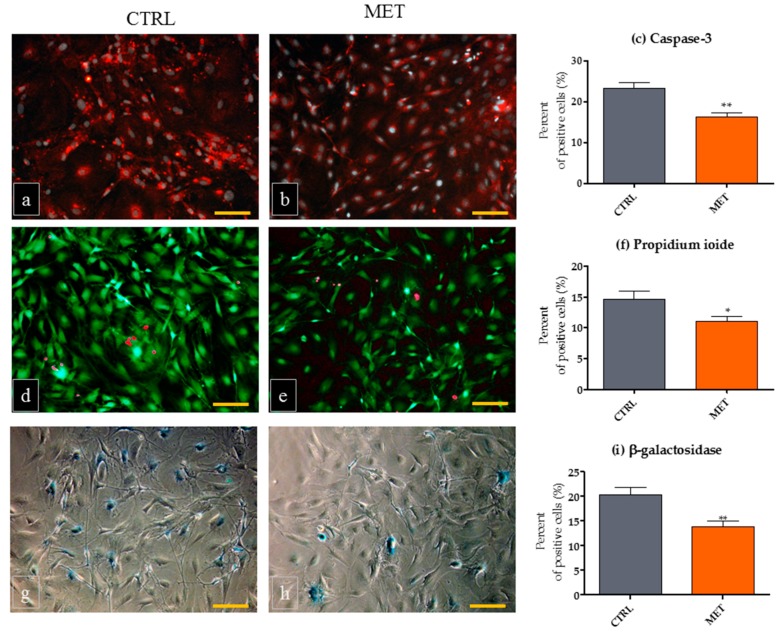
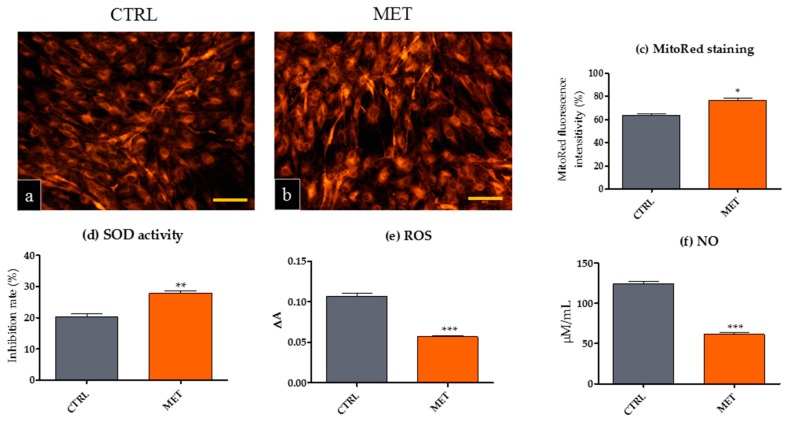
Metformin, the popular anti-diabetic drug was shown to exert multiple biological effects. The most recent metformin gained attention as an agent that mobilizes endogenous progenitor cells and enhances regenerative potential of organisms, for example by promoting neurogenesis. In the present study, we examined the role of metformin on mouse olfactory ensheathing cells (mOECs) derived from animals receiving metformin for eight weeks at a concentration equal to 2.8 mg/day. The mOECs expanded ex vivo were characterized in terms of their cellular phenotype, morphology, proliferative activity, viability and accumulation of oxidative stress factors. Moreover, we determined the mRNA and protein levels of brain-derived neurotrophic factor (BDNF), distinguishing the secretion of BDNF by mOECs in cultures and circulating serum levels of BDNF. The mOECs used in the experiment were glial fibrillary acidic protein (GFAP) and p75 neurotrophin receptor (p75) positive and exhibited both astrocyte-like and non-myelin Schwann cell-like morphologies. Our results revealed that the proliferation of OECs derived from mice treated with metformin was lowered, when compared to control group. Simultaneously, we noted increased cell viability, reduced expression of markers associated with cellular senescence and a decreased amount of reactive oxygen species. We observed increased mRNA expression of BDNF and its down-stream genes. Obtained results indicate that metformin may exert antioxidant, anti-apoptotic and senolytic action on OECs expanded ex vivo.
二甲双胍是一种常用的抗糖尿病药物,已被证明具有多种生物学效应。最近,二甲双胍作为一种能够动员内源性祖细胞并增强生物体再生潜力的药物而受到关注,例如通过促进神经发生。在本研究中,我们研究了二甲双胍对来自接受为期八周、浓度相当于2.8毫克/天二甲双胍治疗的动物的小鼠嗅鞘细胞(mOECs)的作用。对体外扩增的mOECs的细胞表型、形态、增殖活性、活力以及氧化应激因子的积累进行了表征。此外,我们测定了脑源性神经营养因子(BDNF)的mRNA和蛋白质水平,区分了培养物中mOECs分泌的BDNF和循环血清中BDNF的水平。实验中使用的mOECs胶质纤维酸性蛋白(GFAP)和p75神经营养因子受体(p75)呈阳性,表现出星形胶质细胞样和非髓鞘雪旺细胞样形态。我们的结果显示,与对照组相比,用二甲双胍治疗的小鼠来源的OECs增殖降低。同时,我们注意到细胞活力增加,与细胞衰老相关的标志物表达降低,活性氧物种数量减少。我们观察到BDNF及其下游基因的mRNA表达增加。获得的结果表明,二甲双胍可能对体外扩增的OECs发挥抗氧化、抗凋亡和溶细胞衰老作用。