Mao Boyang, Calatayud David G, Mirabello Vincenzo, Kuganathan Navaratnarajah, Ge Haobo, Jacobs Robert M J, Shepherd Ashley M, Ribeiro Martins José A, Bernardino De La Serna Jorge, Hodges Benjamin J, Botchway Stanley W, Pascu Sofia I
Department of Chemistry, University of Bath, Claverton Down, BA2 7AY, Bath, UK.
National Graphene Institute and School of Physics and Astronomy, The University of Manchester, Booth Street East, Manchester, M13 9PL, UK.
Chemistry. 2017 Jul 21;23(41):9772-9789. doi: 10.1002/chem.201605232. Epub 2017 May 19.
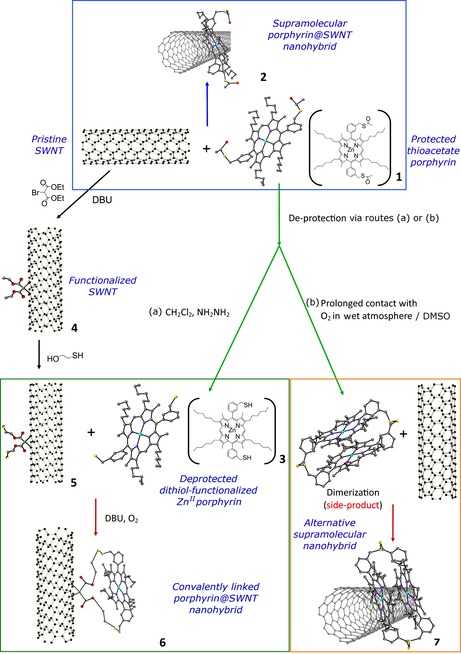
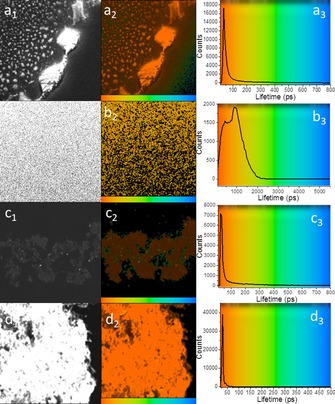
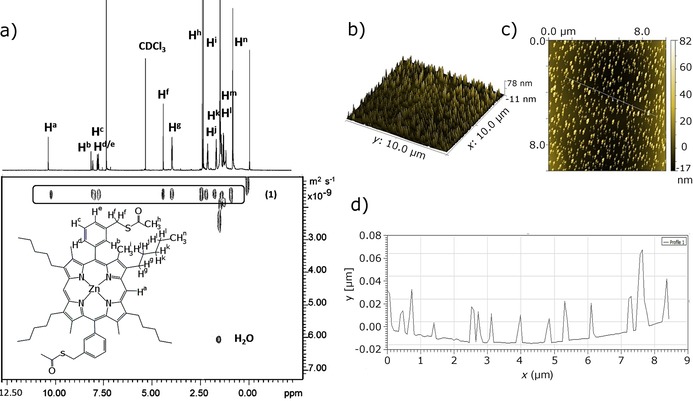
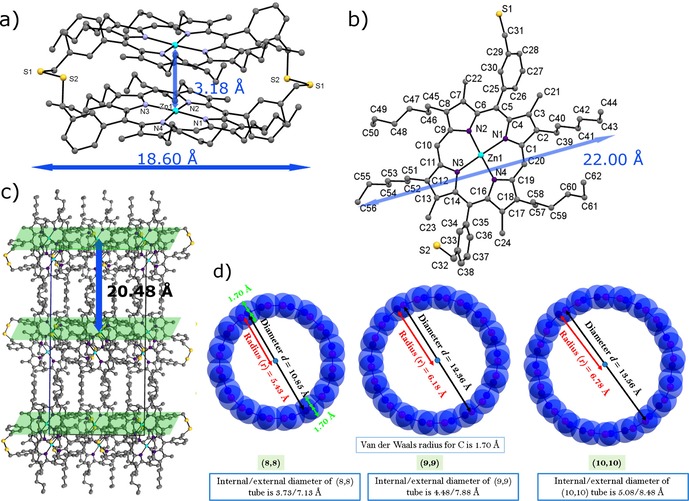
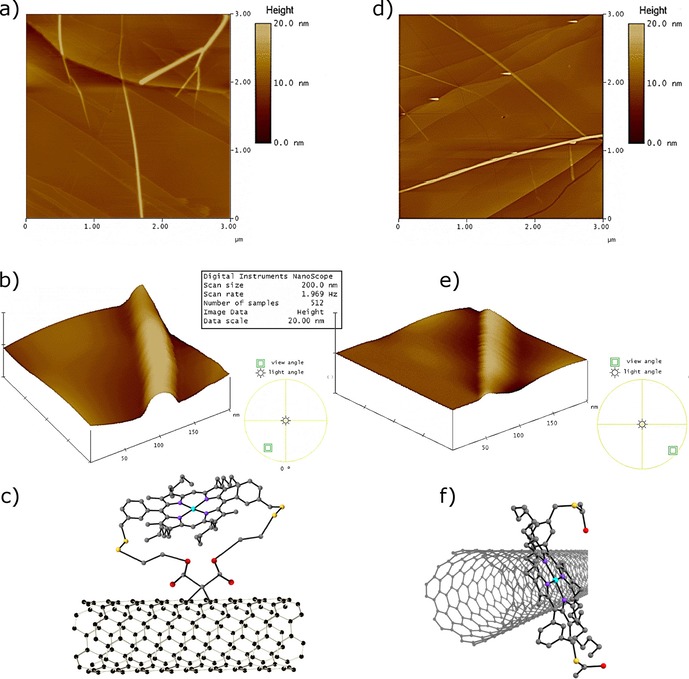
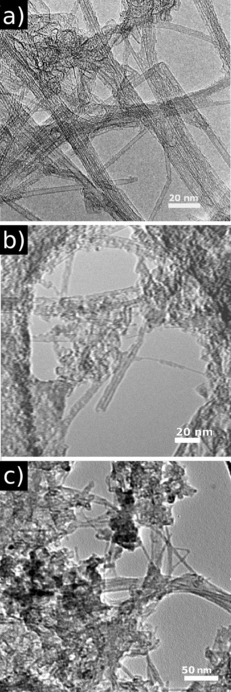
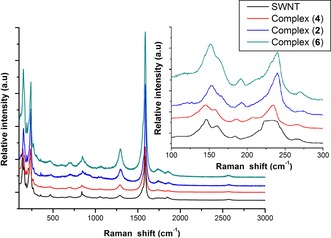
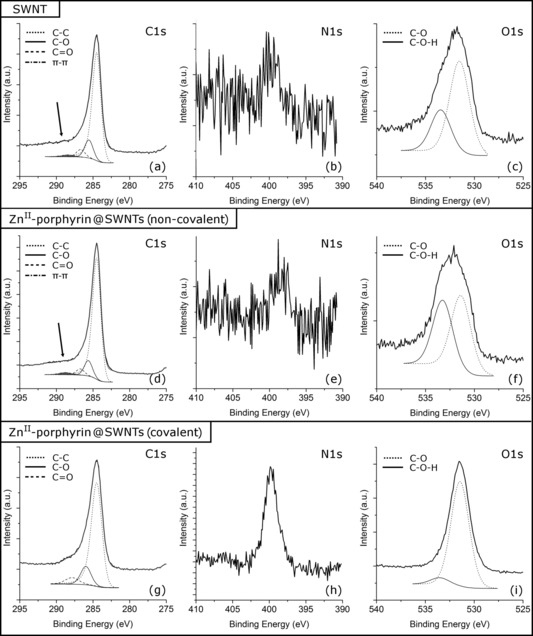
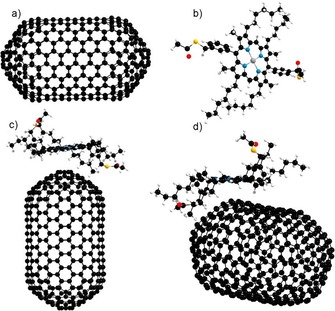
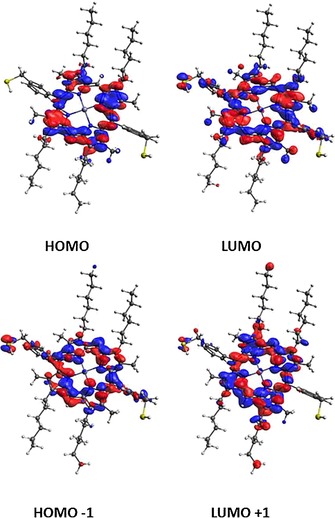
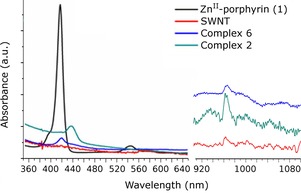
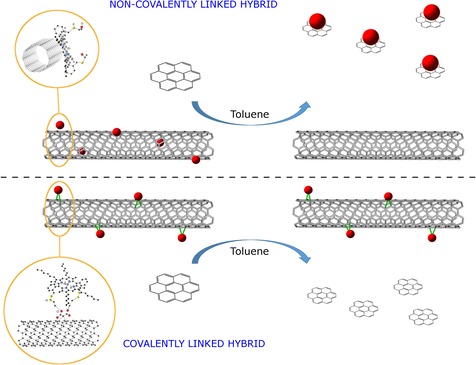
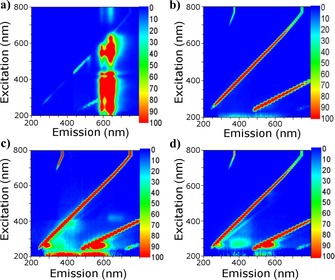
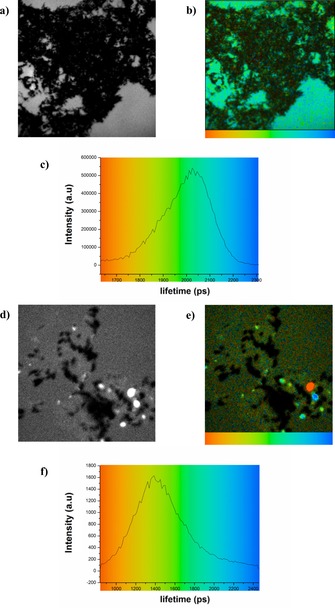
Functional porphyrins have attracted intense attention due to their remarkably high extinction coefficients in the visible region and potential for optical and energy-related applications. Two new routes to functionalised SWNTs have been established using a bulky Zn -porphyrin featuring thiolate groups at the periphery. We probed the optical properties of this zinc(II)-substituted, bulky aryl porphyrin and those of the corresponding new nano-composites with single walled carbon nanotube (SWNTs) and coronene, as a model for graphene. We report hereby on: i) the supramolecular interactions between the pristine SWNTs and Zn -porphyrin by virtue of π-π stacking, and ii) a novel covalent binding strategy based on the Bingel reaction. The functional porphyrins used acted as dispersing agent for the SWNTs and the resulting nanohybrids showed improved dispersibility in common organic solvents. The synthesized hybrid materials were probed by various characterisation techniques, leading to the prediction that supramolecular polymerisation and host-guest functionalities control the fluorescence emission intensity and fluorescence lifetime properties. For the first time, XPS studies highlighted the differences in covalent versus non-covalent attachments of functional metalloporphyrins to SWNTs. Gas-phase DFT calculations indicated that the Zn -porphyrin interacts non-covalently with SWNTs to form a donor-acceptor complex. The covalent attachment of the porphyrin chromophore to the surface of SWNTs affects the absorption and emission properties of the hybrid system to a greater extent than in the case of the supramolecular functionalisation of the SWNTs. This represents a synthetic challenge as well as an opportunity in the design of functional nanohybrids for future sensing and optoelectronic applications.
功能性卟啉因其在可见光区域具有极高的消光系数以及在光学和能源相关应用方面的潜力而备受关注。利用一种在周边带有硫醇盐基团的大体积锌卟啉,已建立了两条制备功能化单壁碳纳米管(SWNTs)的新途径。我们探究了这种锌(II)取代的大体积芳基卟啉以及相应的与单壁碳纳米管(SWNTs)和蒄(作为石墨烯的模型)形成的新型纳米复合材料的光学性质。在此我们报告:i)原始SWNTs与锌卟啉之间通过π-π堆积形成的超分子相互作用,以及ii)基于宾格尔反应的一种新型共价结合策略。所使用的功能性卟啉充当了SWNTs的分散剂,所得的纳米杂化物在常见有机溶剂中表现出更好的分散性。通过各种表征技术对合成的杂化材料进行了探究,结果预测超分子聚合和主客体功能控制着荧光发射强度和荧光寿命特性。首次,X射线光电子能谱(XPS)研究突出了功能性金属卟啉与SWNTs共价和非共价连接方式的差异。气相密度泛函理论(DFT)计算表明锌卟啉与SWNTs非共价相互作用形成供体-受体复合物。卟啉发色团与SWNTs表面的共价连接对杂化体系吸收和发射性质的影响程度比SWNTs超分子功能化的情况更大。这在未来传感和光电子应用的功能纳米杂化物设计中既代表了一个合成挑战,也代表了一个机遇。